
Living off-grid doesn’t mean you need a trust fund or engineering degree. Honestly, some of the most affordable tiny homes out there are also the easiest to maintain, which is kind of the whole point, right? You want freedom from utility bills and complicated repairs, not a second job babysitting your house.
Whether you’re dreaming of mountain solitude or just want to simplify your life, these 14 affordable off-grid tiny homes prove you can live sustainably without constant headaches. Each one balances low costs with practical maintenance, so you can actually enjoy your off-grid living experience instead of troubleshooting it every weekend.
1. Modern A-Frame Getaway with Solar Roof Panels
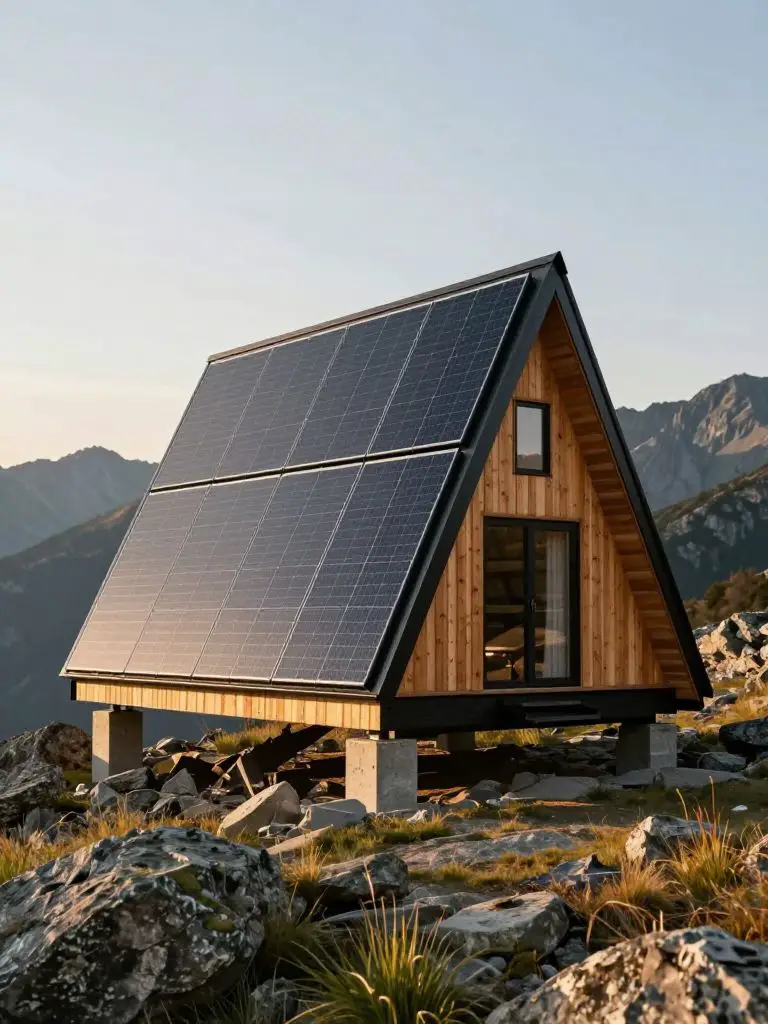
A-frames are having a serious moment, and for good reason. The steep roof naturally sheds snow and rain, which means less maintenance and fewer leak worries. Plus, that huge south-facing surface is perfect for mounting solar panels without any fancy racking systems.
These structures use minimal materials compared to traditional homes, keeping costs down from the start. The simple triangular design means fewer joints and seams where problems typically develop. You can find A-frame kits starting around $15,000, and many people build them in weeks, not months.
2. Rustic Log Cabin Blending Tradition and Solar Power
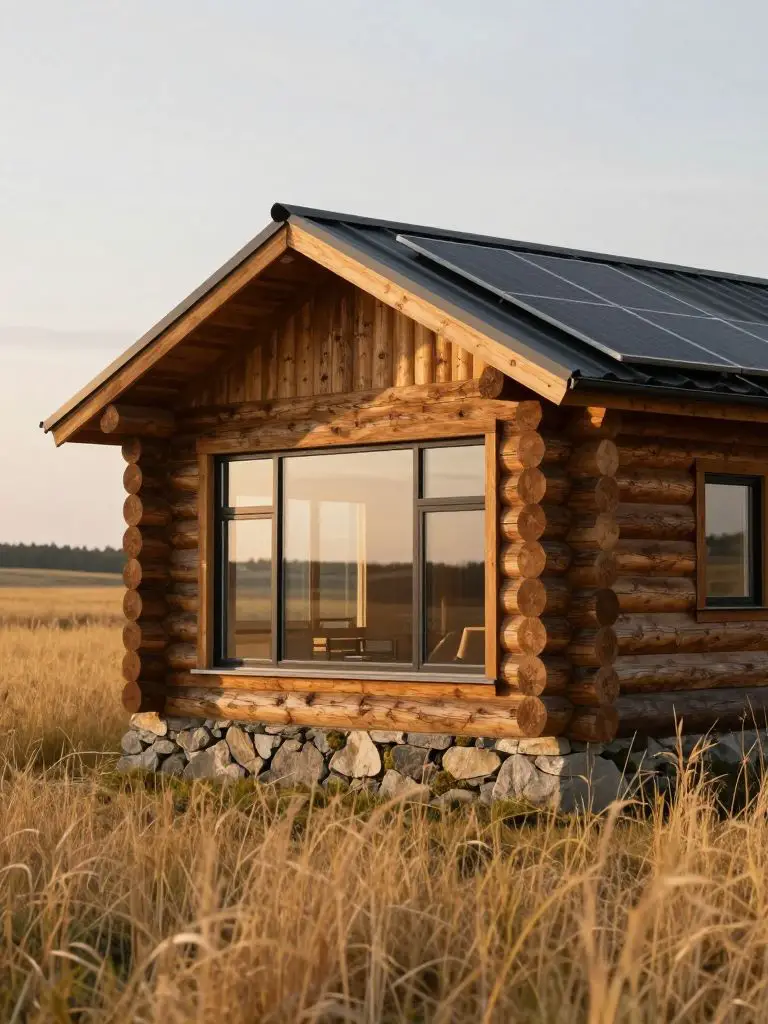
Log cabins have survived centuries for a reason—they’re incredibly durable when built right. Modern versions combine that classic aesthetic with solar panels and composting toilets, giving you affordable sustainable homes that feel timeless.
The thermal mass of logs helps regulate temperature naturally, so you’re not constantly adjusting heating systems. Maintenance mainly involves checking for gaps in chinking and applying sealant every few years, which you can easily do yourself.
Prefab log cabin kits run between $20,000-$40,000 depending on size. The beauty of logs is they age gracefully, developing character rather than looking worn out. Add a small solar array and rainwater collection, and you’ve got a self-sufficient setup that practically runs itself.
3. Treehouse Retreat with Elevated Forest Views
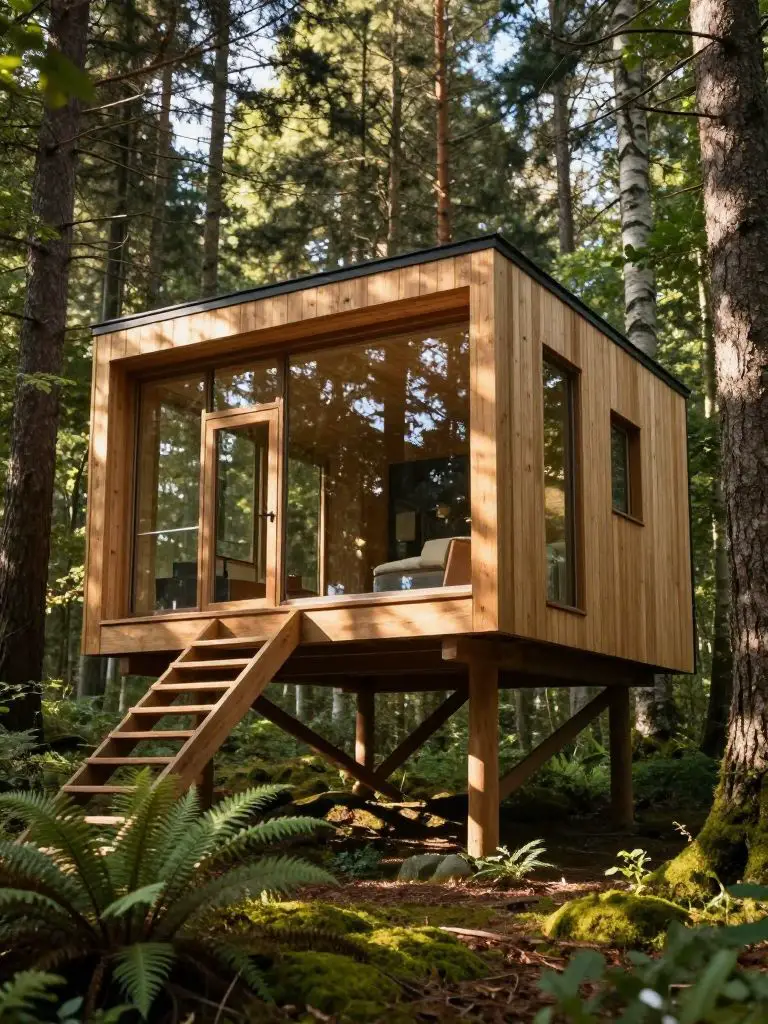
Adult treehouses aren’t just whimsical—they’re surprisingly practical for off-grid living. Elevation keeps you above flood zones and provides natural ventilation, reducing moisture issues that plague ground-level structures.
Building costs vary widely, but simple platforms with lightweight structures start around $10,000-$25,000. The key is using durable, weather-resistant materials that don’t require constant painting or treating.
Maintenance is minimal: inspect your support cables or bolts annually, keep the roof clear of branches, and enjoy. Solar panels work great up in the canopy where they catch unobstructed sunlight. Just remember, hauling supplies up requires planning, but that’s part of the charm.
4. Converted School Bus with Sustainable Upgrades
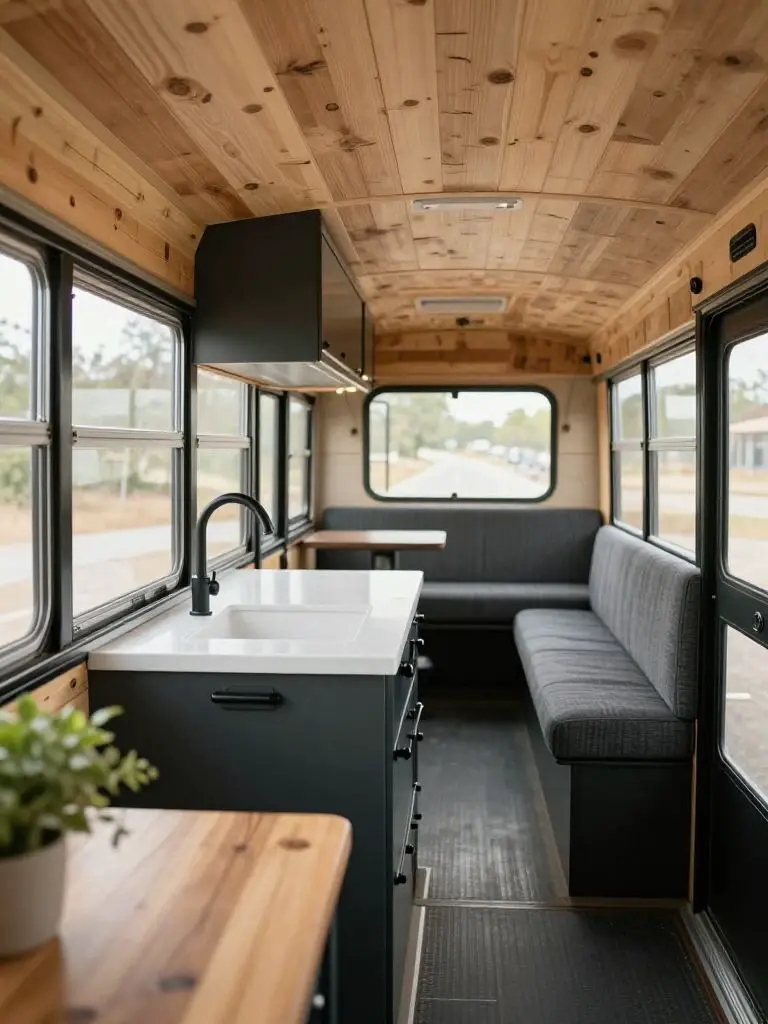
School buses are built like tanks and cost way less than you’d think—often under $5,000 for a solid used one. The conversion is where you invest time and maybe another $10,000-$20,000, depending on how fancy you want to get.
The diesel engine is reliable and simple to repair compared to modern vehicles packed with electronics. Roof-mounted solar panels, a small wood stove, and a composting toilet create a genuinely independent mobile home.
Maintenance is basically vehicle upkeep plus house stuff, but nothing complicated. You can park it anywhere legal, move when you want, and the steel frame laughs at weather that would damage traditional structures. Plus, there’s something satisfying about turning a school bus into an affordable self-maintenance home.
5. Minimalist Nordic-Inspired Cabin in the Wild
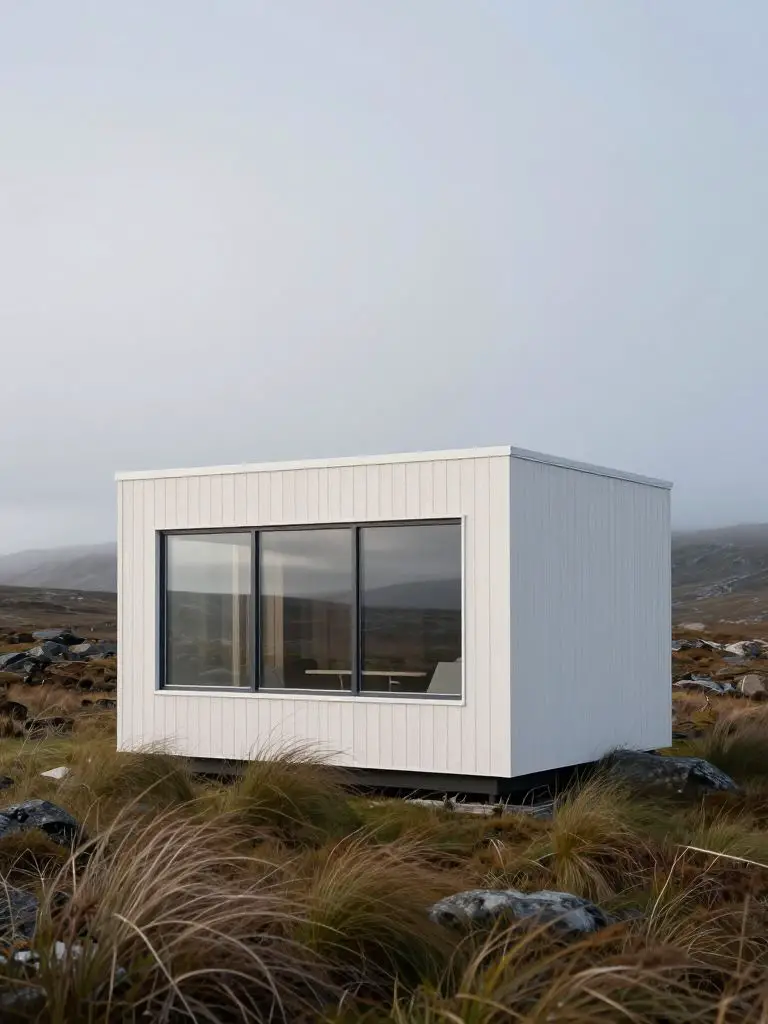
Scandinavian design isn’t just pretty—it’s ruthlessly practical. These cabins use simple geometries, quality materials, and smart insulation to create spaces that require almost no fussing.
A basic Nordic cabin can be built for $25,000-$45,000 with clean lines, large windows for passive solar heating, and durable exterior cladding that weathers beautifully. Think untreated wood that silvers naturally rather than needing constant staining.
The minimalist approach extends to systems: a small solar setup, efficient wood stove, and maybe propane for cooking. Less stuff means fewer things that can break, and the quality-over-quantity philosophy means what you do have lasts longer. Annual maintenance is maybe a weekend project, tops.
6. Stone Shepherd’s Hut with Curved Eco Design
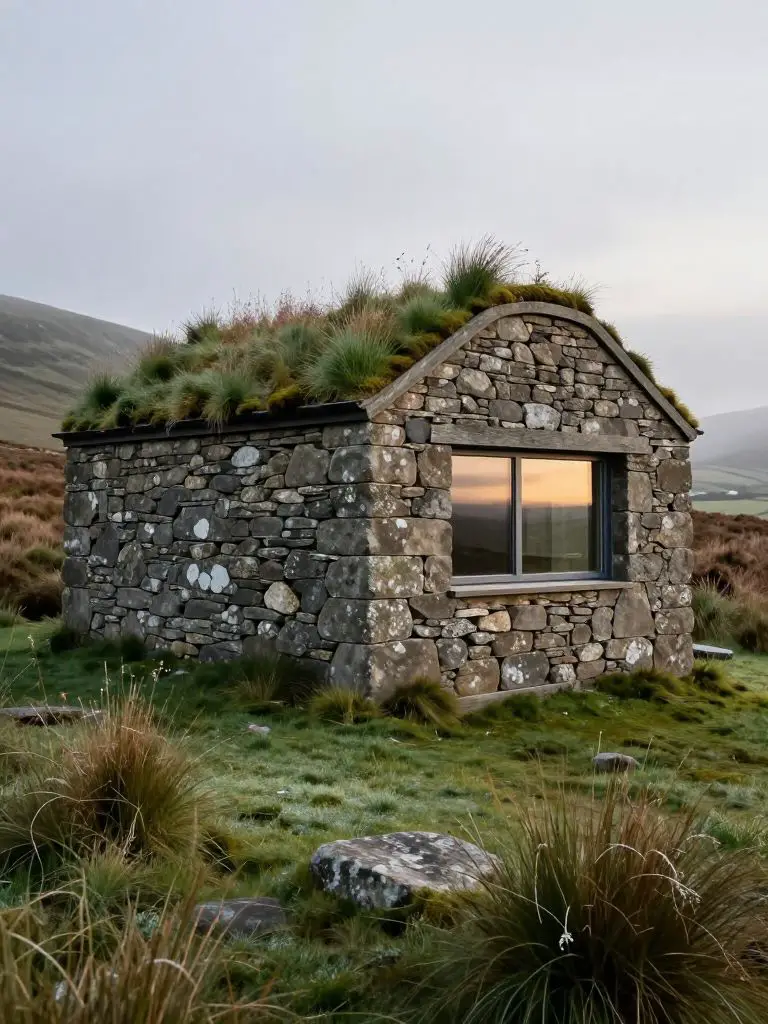
Traditional shepherd’s huts were built to last with minimal care, and modern versions honor that practicality. Stone bases provide incredible durability and thermal mass, while curved roofs shed weather effortlessly.
These compact structures typically cost $15,000-$30,000 and can be built using local stone, reducing material costs and transportation. The curved design eliminates problem areas where water might pool or snow accumulate.
Maintenance is mostly about keeping the wood elements oiled and ensuring your chimney stays clean if you use a wood stove. Stone never rots, rusts, or needs painting, making these affordable tiny homes genuinely low-stress. They’re cozy, charming, and tough enough to outlive you.
7. Bamboo Tiny Home Built for Off-Grid Mobility
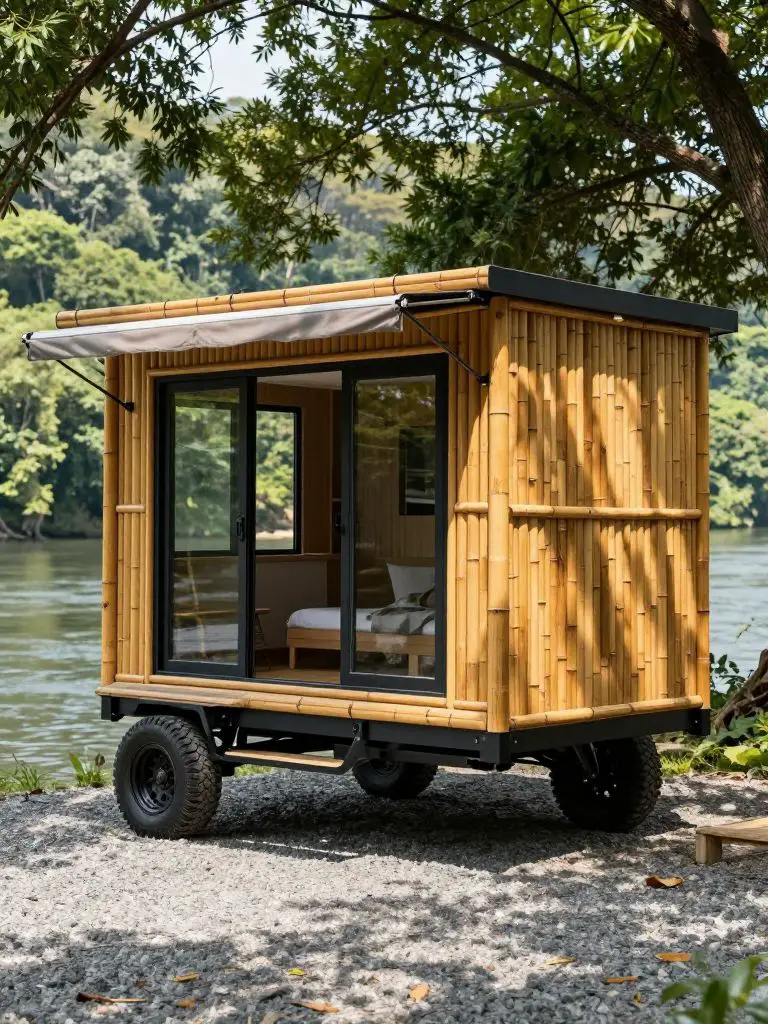
Bamboo grows ridiculously fast and creates surprisingly strong building material. These homes are lightweight, making them perfect for trailer-mounted designs that you can relocate as needed.
A bamboo tiny home on wheels runs $20,000-$35,000, depending on finishes. The material’s natural flexibility makes it earthquake-resistant, and it doesn’t attract the pests that love traditional lumber when properly treated.
Bamboo is naturally antimicrobial and moisture-resistant, so you avoid many common maintenance headaches. The main upkeep involves protecting it from prolonged UV exposure, usually with natural oils every couple years. For affordable sustainable homes that move with you, bamboo is seriously underrated.
8. Underground Hideaway with Living Green Roof
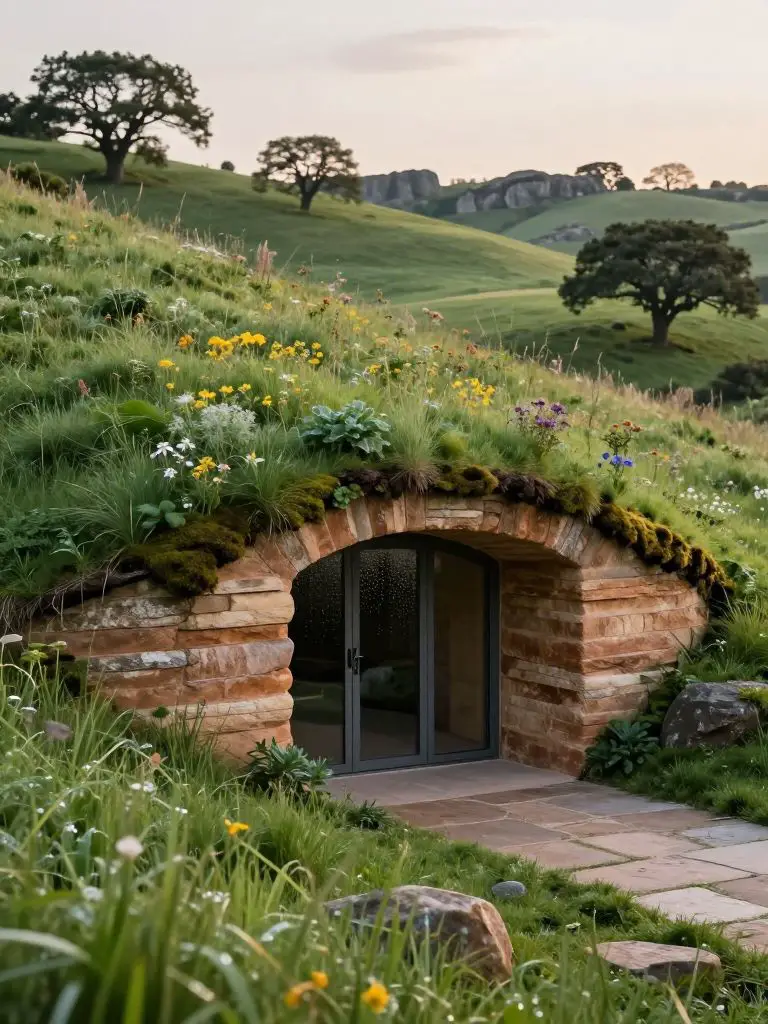
Going partially underground might sound extreme, but the energy savings and maintenance reduction are real. Earth-sheltered homes maintain stable temperatures year-round, drastically cutting heating and cooling needs.
Construction costs vary ($30,000-$60,000 typically), but you save long-term on energy and exterior maintenance. The living roof—covered with native plants—insulates naturally and needs way less care than shingles or metal roofing.
Waterproofing is critical during construction, but done right, these homes are incredibly stable. No exterior painting, minimal weather damage, and your roof mows itself if you add grazing animals. It’s one of the most maintenance-free options for permanent off-grid living.
9. Canvas Yurt for Flexible, Nomadic Living
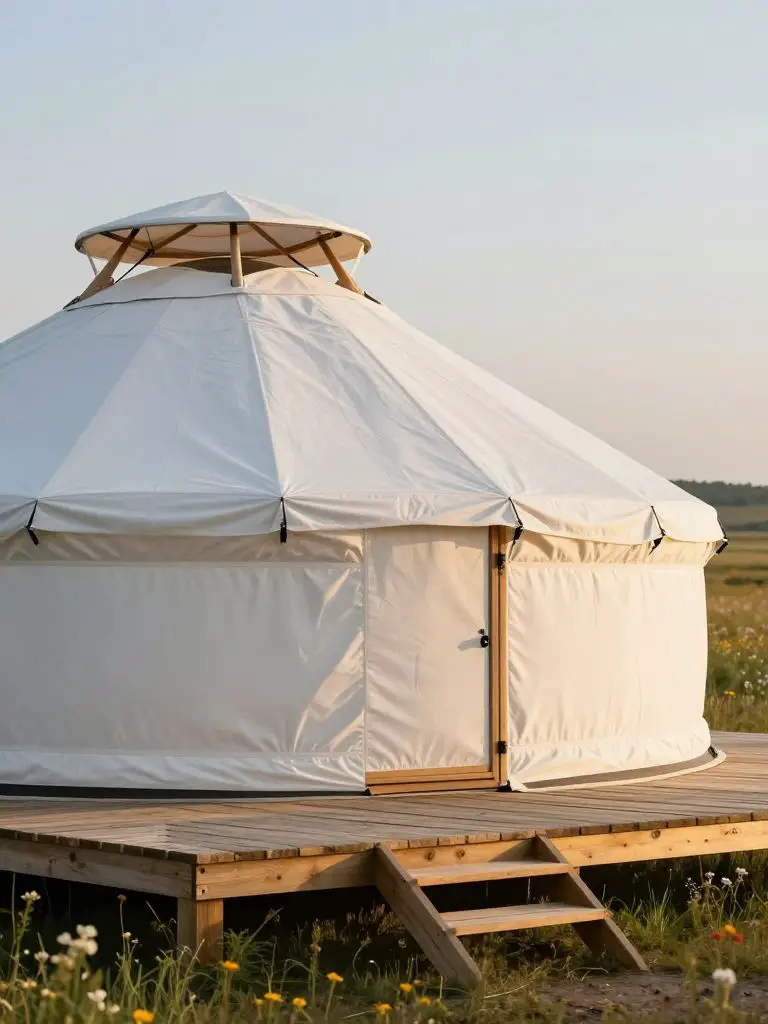
Yurts have sheltered nomadic families for thousands of years, which tells you something about their reliability. Modern versions use durable canvas, tension cables, and efficient wood stoves to create surprisingly comfortable spaces.
A quality yurt costs $5,000-$15,000 and sets up in days on almost any flat surface. Platforms are simple and cheap to build, and the circular design uses materials efficiently.
Maintenance involves checking tension cables seasonally and treating the canvas every few years. The lack of complex systems means there’s almost nothing to break, and you can heat the whole space with a tiny wood stove. If you want genuinely affordable off-grid tiny homes that you can pack up and move, yurts deliver.
10. Compact Alpine Chalet for Mountain Escapes
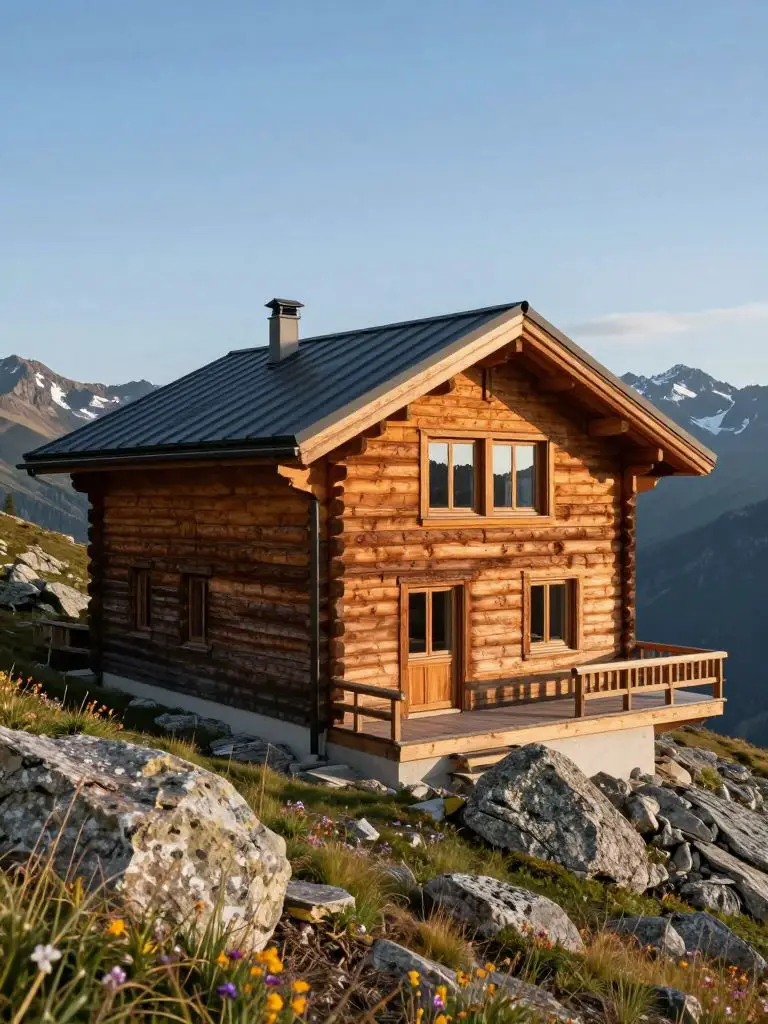
Alpine chalets are engineered for brutal weather, making them low-maintenance champions. Steep roofs, overhanging eaves, and stone foundations handle snow, rain, and wind without constant repairs.
Small versions cost $30,000-$50,000 but come with built-in resilience that saves money over time. The traditional design has been refined over centuries to minimize maintenance while maximizing durability.
These structures use gravity and geometry to shed problems naturally—literally in the case of snow loads. Add solar panels, a rainwater system, and maybe a small wind turbine, and you’ve got a mountain retreat that takes care of itself while you enjoy the view.
11. Geodesic Dome Designed for Desert Survival
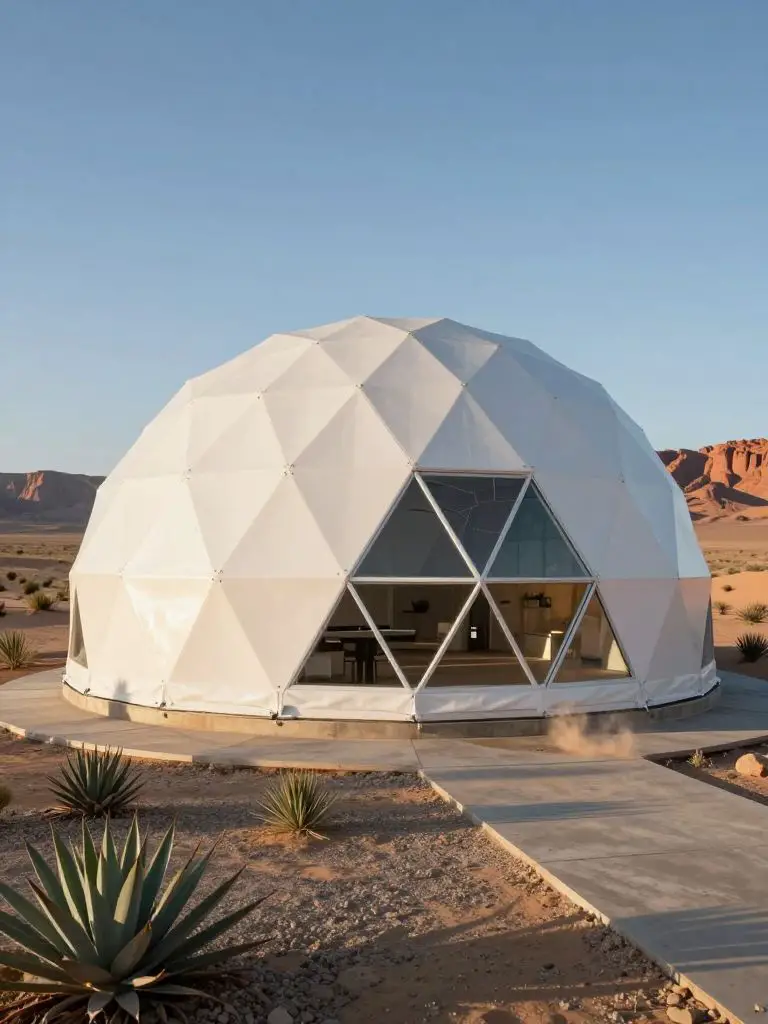
Geodesic domes are weirdly efficient, using less material to enclose more space than any other design. That efficiency translates to lower costs—often $15,000-$35,000 for a complete kit—and reduced maintenance surface area.
The spherical shape handles wind brilliantly, important for desert locations where storms kick up. It also promotes air circulation, keeping interiors comfortable without complex ventilation systems.
Dome panels are typically durable fiberglass or treated wood that needs minimal care. The geometric distribution of stress means no weak points where damage concentrates. Solar panels mount easily, and the shape is inherently stable even in extreme conditions. Just keep the seams sealed and you’re good.
12. Shipping Container Home Surrounded by Nature
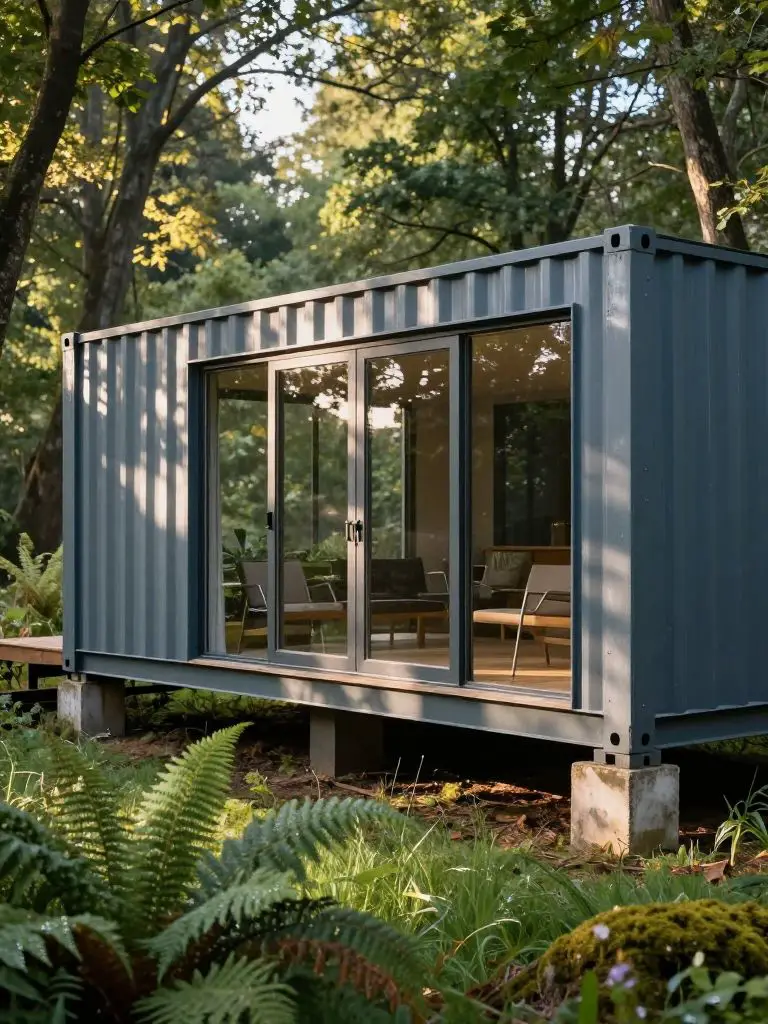
Shipping containers are steel boxes designed to survive ocean voyages, so they laugh at normal weather. A used container costs $2,000-$5,000, and conversion runs another $20,000-$40,000 depending on your finish level.
The steel frame is incredibly durable and pest-proof—no termites, no rot, no problems. Insulation and interior finishes are where you invest, but the structure itself requires almost zero maintenance.
Containers stack and connect easily, letting you expand as needed. Add solar panels to the roof, cut windows for passive ventilation, and you’ve created affordable self-maintenance homes that can literally be dropped onto your land and lived in immediately. Just address rust prevention during conversion and you’re set for decades.
13. Floating Barrel Houseboat Powered by Solar
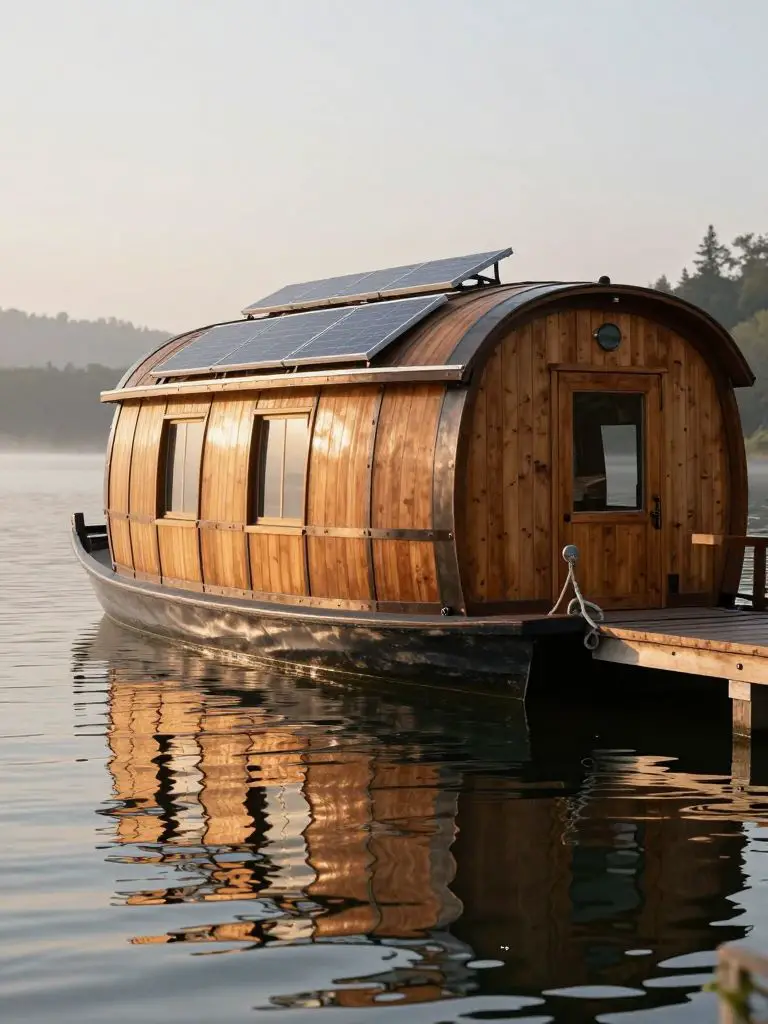
Floating homes built on reclaimed barrels or pontoons offer unique off-grid possibilities. Construction costs range from $15,000-$40,000, but you get waterfront living without waterfront property prices.
The floating platform is surprisingly stable and requires basic annual checks—mostly cleaning and inspecting seals. Solar panels provide power, rainwater collection handles fresh water, and composting toilets eliminate sewage concerns.
Living on water means no property taxes in many locations and genuine mobility. Maintenance involves keeping your hull clean and checking mooring lines, but it’s straightforward. The gentle movement is calming, and you’ll never worry about flooding. Just maybe learn to swim first.
14. Ultra-Modern Concrete Pod for Simple Off-Grid Living
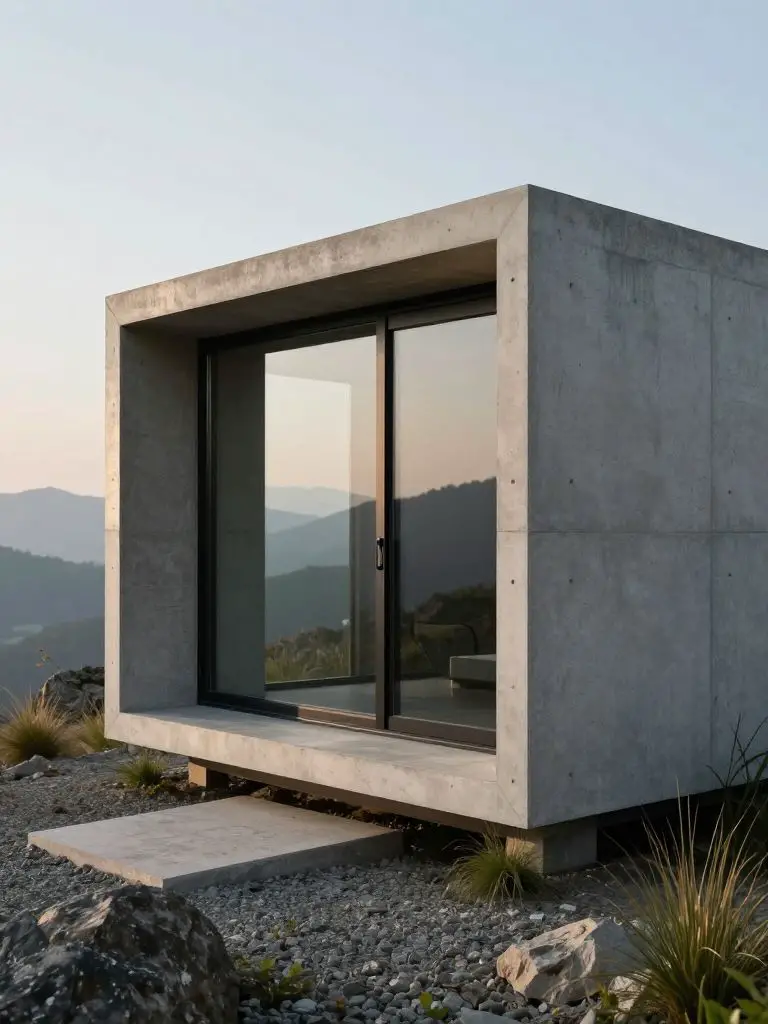
Concrete pods look futuristic but are actually incredibly practical. Poured concrete forms create seamless, weather-tight shells that need virtually no exterior maintenance—no siding, no painting, no rot.
These modular units cost $25,000-$50,000 depending on size and finishes. The thermal mass regulates temperature naturally, and the monolithic construction eliminates the joints and seams where problems typically develop.
Concrete is fireproof, pest-proof, and weather-proof, making it ideal for off-grid locations where help isn’t nearby. Add solar panels, minimal windows for climate control, and efficient systems, and you’ve got an affordable sustainable home that practically maintains itself. The modern aesthetic isn’t for everyone, but the practicality is undeniable.
Finding affordable off-grid tiny homes that won’t consume your life with maintenance is totally possible. Whether you’re drawn to traditional log cabins or futuristic concrete pods, the key is choosing designs that work with nature rather than fighting it. Start with what excites you, factor in your climate and skills, and remember—simpler usually means better when you’re maintaining it yourself. Your future off-grid self will thank you for choosing wisely.