
Let’s be real—throwing away food scraps feels like such a waste, right? Those veggie peels and coffee grounds could actually be super useful.
Good news: composting at home is way easier than you think. IMO, once you start, you’ll wonder why you didn’t do it sooner 🙂
This guide breaks everything down into simple steps so you can turn everyday waste into rich, healthy soil.
Why Composting at Home Just Makes Sense
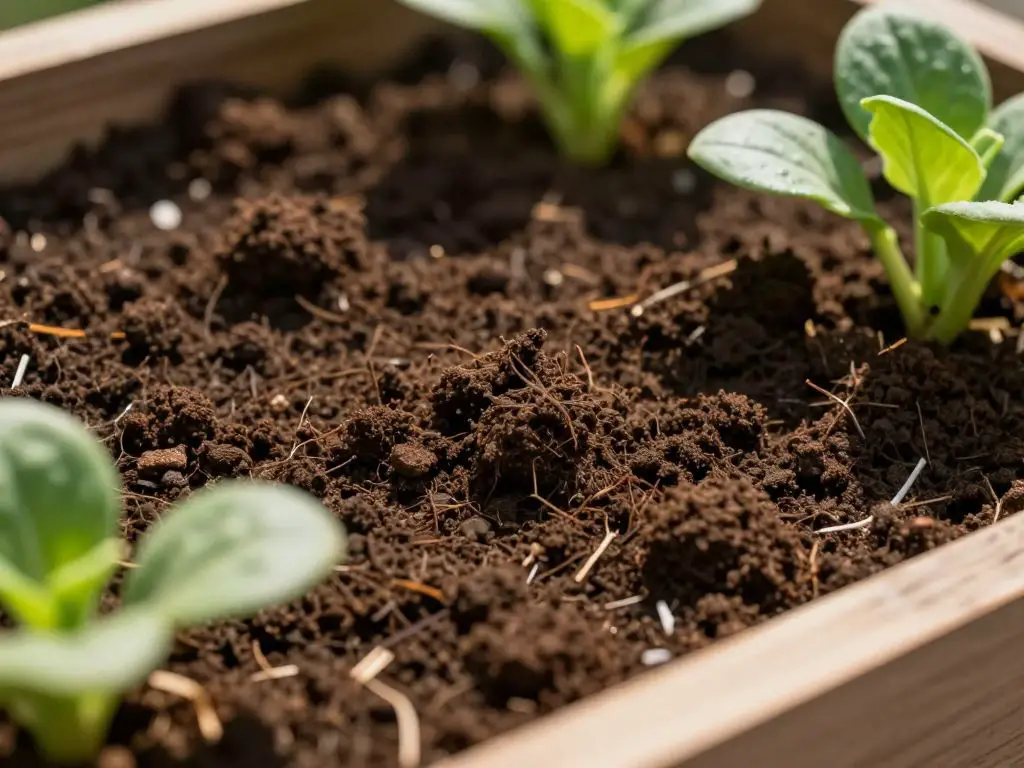
What is composting (and why should you care)?
Composting is basically nature’s recycling system. You take food scraps and yard waste, let them break down, and boom—you get nutrient-rich soil.
Instead of sending waste to landfills, you reuse it right at home. That means:
- Less trash piling up
- Less pollution
- Better soil for your plants
Pretty solid trade-off, right?
The real benefits (for you and the planet)
Let’s keep it simple. Composting helps you:
- Reduce food waste (huge win)
- Lower greenhouse gases
- Grow healthier plants
- Save money on fertilizers
And honestly? Watching scraps turn into soil is oddly satisfying. FYI, it feels like a small win every time you toss peels into your compost instead of the trash.
How to Set Up Your Compost System
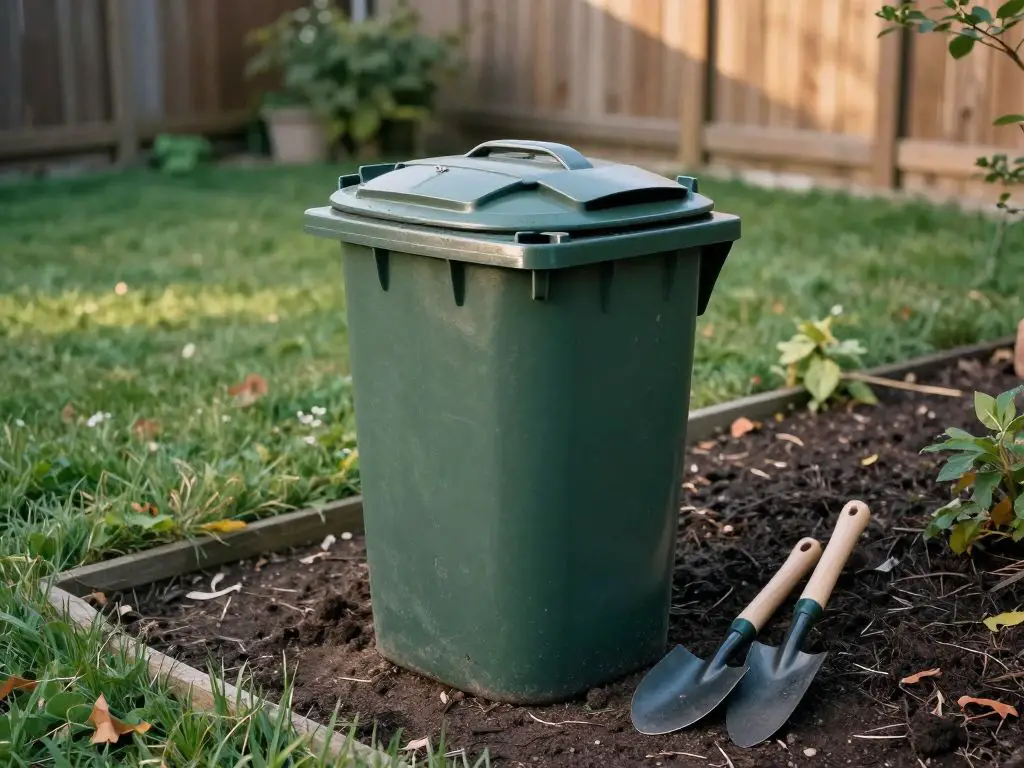
Getting started doesn’t need fancy gear. You can keep it super simple.
Picking the right compost setup
Your setup depends on your space:
- Small apartment?
Use a compact indoor compost bin - Backyard available?
Go for a compost pile or outdoor bin - Limited space?
Try a sealed bin on a balcony
The key is easy access and airflow. If it’s convenient, you’ll actually stick with it.
Basic tools you’ll need
You don’t need much, just the basics:
- A compost bin (store-bought or DIY)
- A small kitchen container for scraps
- A shovel or fork for turning
Place your bin somewhere with some sunlight and good airflow. Trust me, location matters more than you think.
What You Can (and Can’t) Compost
This is where beginners usually mess up—but don’t worry, it’s easy once you know.
What to compost
These are your go-to items:
- Fruit and vegetable scraps
- Coffee grounds and tea bags
- Eggshells
- Grass clippings
- Dry leaves
- Small twigs
These materials break down nicely and help create rich compost.
What to avoid
Some things will cause problems—skip these:
- Meat and bones
- Dairy products
- Oily or greasy food
- Chemically treated materials
These can lead to bad smells, pests, and slow composting. Not worth the hassle.
The Simple Formula for Successful Composting
Here’s the part that actually makes everything work.
Balance greens and browns
Think of compost like a recipe.
- Greens (nitrogen): food scraps, grass
- Browns (carbon): dry leaves, cardboard
A good rule:
👉 3 parts browns to 1 part greens
Too many greens? It smells.
Too many browns? It slows down.
Balance = success.
Keep moisture and airflow in check
Your compost should feel like a damp sponge.
- Too dry → add water or greens
- Too wet → add browns
Also, turn your compost regularly. This adds oxygen and speeds things up.
Fixing common compost problems
Let’s keep troubleshooting simple:
- Bad smell?
Add more browns and turn the pile - Pests showing up?
Cover food scraps with dry leaves - Breaking down too slow?
Adjust your green-to-brown ratio
Easy fixes, no stress.
How to Use Your Finished Compost
Once your compost turns dark and crumbly, it’s ready.
Where to use it
You can use compost almost anywhere:
- Mix into garden soil
- Add to potted plants
- Spread around trees and shrubs
It boosts nutrients and helps plants grow stronger.
Storing compost for later
Not ready to use it yet? No problem.
- Keep it in a sealed container
- Store it in a cool, dry place
It stays usable for a long time, so you can save it for future planting.
Composting = A More Sustainable Lifestyle
Here’s the bigger picture.
When you compost:
- You reduce landfill waste
- You cut methane emissions
- You avoid chemical fertilizers
It’s a small habit that makes a real impact.
And honestly? It feels good knowing you’re doing something useful with your waste.
Final Thoughts
Starting composting doesn’t need to be complicated.
Just remember:
- Keep it simple
- Stay consistent
- Don’t overthink it
Once you get into the rhythm, it becomes second nature. And yeah… your plants will definitely thank you 🙂