
Set clear sustainable goals. Use minimalism to cut clutter and simplify your home. Choose reuse, donation, and recycle first to support waste reduction and resource conservation. Aim for intentional living and green living choices at purchase.
Audit each room for organization and space optimization. Plan donation, resale, and swaps to keep items moving. Use durable bins and upcycled labels to store things and extend item life.
Build low-waste habits and keep your space simple and ecofriendly.
Why Sustainable Decluttering Matters

Are you feeling overwhelmed by clutter and looking for a way to make your home greener? Studies show that too much stuff can hurt both our well-being and the environment. This blog will share easy ways to declutter while helping the planet through simple, eco-friendly steps. Small changes can lead to big benefits—keep reading to learn how!
The environmental impact of clutter
Clutter can harm the environment in many ways. It often leads to waste. When items pile up, they may end up in landfills instead of being reused or recycled. This creates more trash and increases pollution.
Items made from plastic take hundreds of years to break down.
Keeping a cluttered space also means buying more things you do not need. This adds to resource use and production waste. Embracing minimalism helps reduce this impact on our planet.
By simplifying your home, you help create a cleaner environment for everyone.
Less stuff means less waste.
Next, let’s explore how mindful decluttering adopts a zero-waste approach.
Benefits of creating a greener, simpler home
A greener, simpler home helps the planet. It reduces waste and lowers energy use. By decluttering, you can create a calm space that feels good. Less clutter means easier cleaning and more room to enjoy your life.
Living simply encourages thoughtful choices. You buy only what you need. This leads to less trash and more recycling. Many people find joy in donating or repurposing items instead of throwing them away.
A simple home supports a sustainable lifestyle and brings peace to daily living.
Mindful Decluttering: Adopting a Zero-Waste Approach
Mindful decluttering means thinking carefully about what we keep and what we let go. It helps us reuse items, donate them to others, or recycle when needed.
Setting sustainable goals
Setting sustainable goals helps you declutter with purpose. Begin by deciding what items you truly need. Think about how to reduce waste in your home. Focus on reusing and recycling as much as possible.
Plan to donate or sell items that you no longer use. This way, you keep your space clean and eco-friendly.
Make small changes over time for better habits. Choose one room at a time to work on each month. Keep track of what goes out of your home versus what comes in. By being mindful, you create an organized space that supports sustainability and minimalism in everyday life.
Prioritizing reuse, donation, and responsible recycling
Reuse, donation, and responsible recycling are key to decluttering for sustainability. Start by looking around your home for items you no longer need. Many of these can be reused or donated.
Local charities often accept clothes, toys, and furniture in good condition. This keeps items out of landfills and helps those in need.
Responsible recycling is also important. Check your local recycling rules before tossing things away. Some materials can harm the environment if not recycled properly. By knowing what can be recycled and where to take it, you help reduce waste effectively.
Next, explore eco-friendly declutter strategies that keep your space organized while caring for the planet.
Shifting to intentional consumption
Shifting to intentional consumption means thinking carefully about what we buy. Each purchase should have a purpose. It helps reduce clutter and waste in our homes. For example, ask yourself if you really need something before buying it.
This can lead to more sustainable choices.
Buy items that last longer or can be reused. Choose quality over quantity to live a more eco-friendly life. First-hand experience shows that when we focus on what truly matters, our spaces become cleaner and simpler.
Next, let’s look at ways to audit your home for better organization and less waste.
Eco-Friendly Declutter Strategies
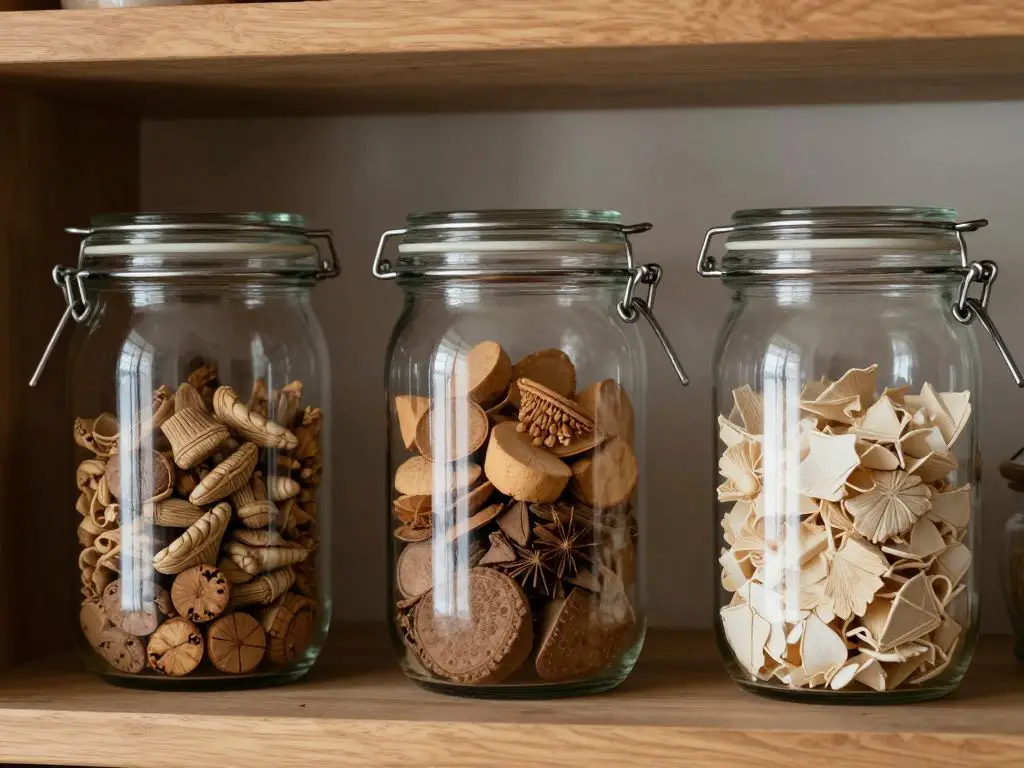
Start by checking each room for items you no longer need. Plan to donate, sell, or swap what you find to keep waste low.
Room-by-room audits to minimize waste
Room-by-room audits help you clear clutter and reduce waste. Start with one room at a time. Look around and assess what items you really need. Separate things into three piles: keep, donate, or recycle.
This makes it easy to see what is taking up space.
Focus on reuse and recycling for the items you no longer want. Donate gently used clothes or books to local charities. Recycle paper, plastic, and cans responsibly. Each small action adds up to create a greener home and an eco-friendly lifestyle.
Organizing donation, resale, and swap plans
Organize your donation, resale, and swap plans to keep clutter away. Start by sorting items you no longer need. Set up a box for donations and fill it with clothes or toys in good shape.
You can also create a space for resale items. Websites like eBay or local marketplaces work well for this.
Swap events are fun too. Invite friends and family to exchange items instead of buying new ones. This helps reduce waste while keeping your space neat and eco-friendly. Next, explore sustainable storage solutions to make the most of what you have.
Repurposing and upcycling items creatively
Repurposing and upcycling bring new life to old items. You can turn glass jars into flower vases or storage containers. Old furniture can get a fresh look with paint or new fabric.
These changes save money and reduce waste.
Using your creativity, you can give things a second chance. For example, make a wine cork bulletin board for notes and reminders. This not only helps in recycling but also adds charm to your space.
Many people enjoy these projects as part of their eco-friendly journey. Embrace the joy of creating something unique while living simply and sustainably!
Sustainable Storage and Organization Solutions
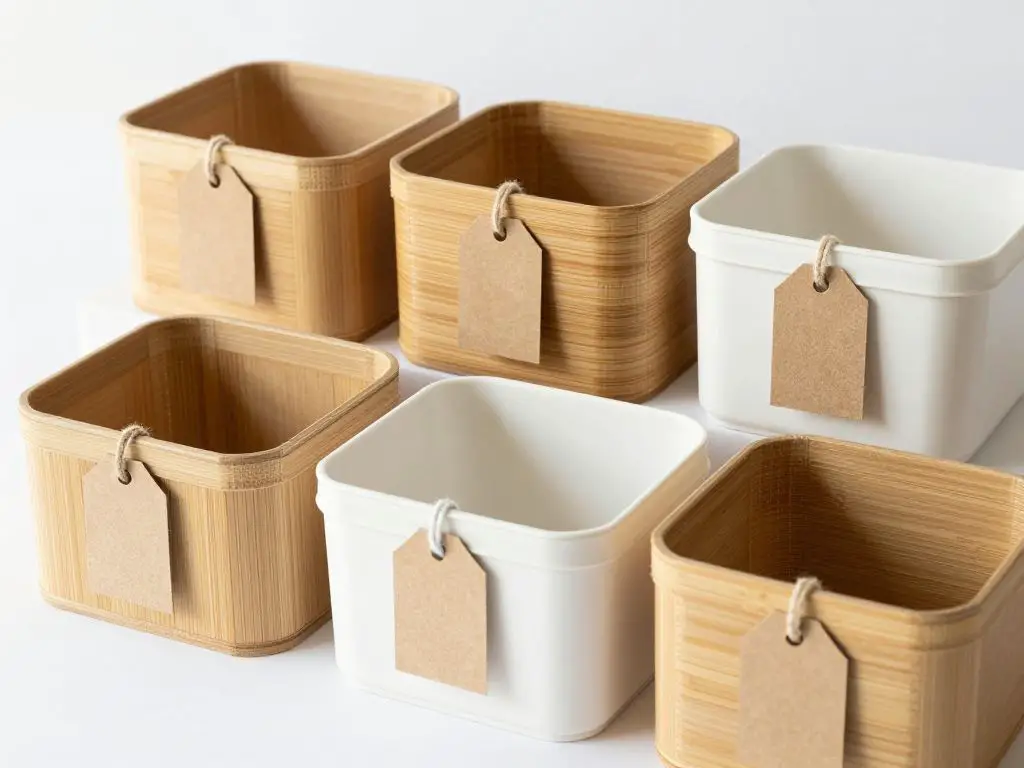
Choose strong, reusable bins for your belongings. Label them with items you can recycle or reuse. This keeps your space tidy and helps the planet. Want to learn more about smart storage ideas? Keep reading!
Choosing durable, reusable bins and containers
Durable bins and containers help keep your space organized. They reduce waste and are good for the planet. Look for boxes made from recycled materials or strong plastic that can last long.
These choices mean you won’t have to throw them away often.
Using reusable items cuts down on clutter too. For example, I use glass jars to store food and craft supplies. This way, I save money while being eco-friendly. Opting for these solutions supports sustainability in your home.
Labeling with upcycled materials
Labeling with upcycled materials is a smart way to stay organized. Use items you already have, like old jars or cardboard boxes, to make labels. This cuts down on waste and helps keep your space tidy.
You can create stylish labels by painting rocks or using cloth scraps. Write the item name clearly so anyone can find what they need quickly. Using eco-friendly supplies adds a personal touch while supporting sustainability in your home.
Seasonal storage to extend item lifespans
Moving from upcycling to seasonal storage is a smart choice. Seasonal storage helps keep items in good shape for longer. Store things like winter clothes and holiday decorations when they are not in use.
Use sturdy bins that can last for years.
Choose clear containers so you can see what is inside. This makes finding items easier and keeps your space organized. Label each bin with simple tags made from recycled materials, such as cardboard or paper.
Seasonal storage also means checking your items regularly, which helps reduce clutter and waste. By doing this, you create an eco-friendly space while extending the life of your belongings.
Building Long-Term Low-Waste Habits
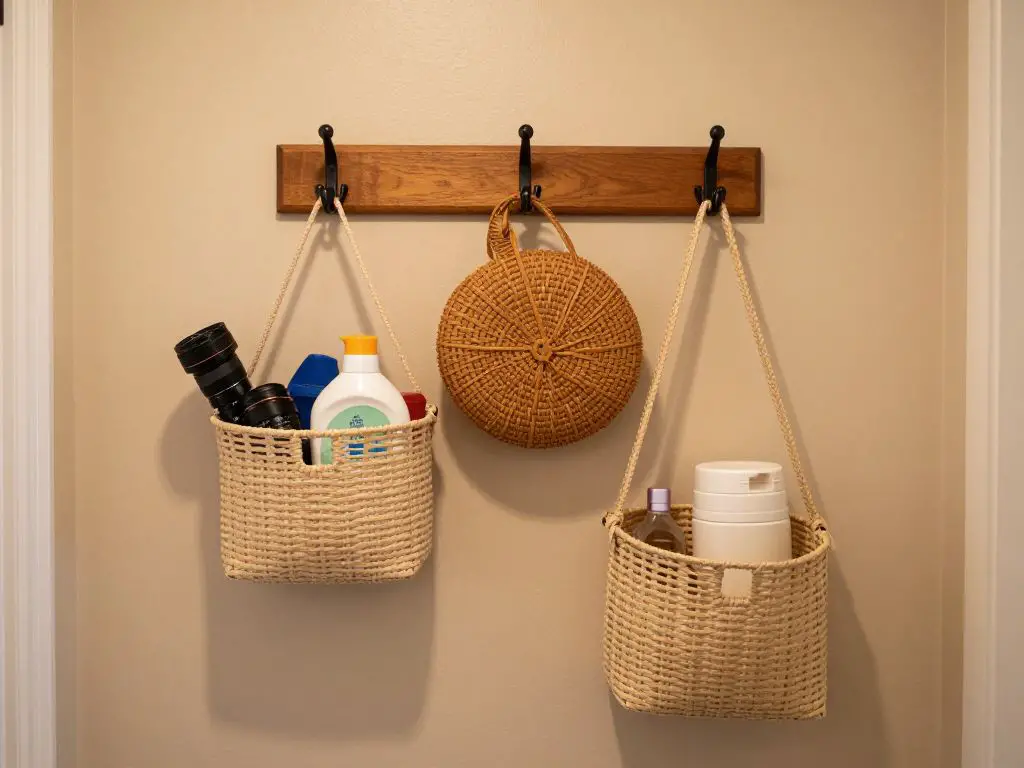
Building long-term low-waste habits helps keep your space clean and green. You can set small goals, like recycling regularly or choosing reusable items, to make a big difference over time.
Maintaining an organized, eco-friendly space
An organized, eco-friendly space helps you live simply. Keep only what you need and love. Regularly sort through your items. This makes it easier to recycle, reuse, or donate things that no longer serve a purpose.
Use durable bins for storage. Label them with old materials instead of buying new labels. Make cleaning a habit, so clutter does not build up again. A clean space encourages intentional living and supports sustainability efforts in your home and community.
Tips to prevent clutter from returning
Keep items in their designated places. This simple step makes it easy to find things and helps prevent clutter. Set a rule for new items entering your home. Only buy what you need or truly love.
Involve family members in keeping areas tidy. Teach them the value of recycling and reusing stuff, too. Everyone can help maintain an eco-friendly space together and enjoy sustainable living as a group.
Next, let’s explore how to build long-term low-waste habits for your home.
Encouraging community and family involvement
Tips to prevent clutter from returning should include involving your family and community. Share your decluttering goals with them. Encourage everyone to join in the process. This makes it easier and more fun.
Plan group activities like donation drives or swap meets. Invite friends and neighbors to bring their items for exchange. It helps reduce waste while creating a sense of community.
Teach your family about recycling, reusing, and intentional living. Show them how small changes can make our space eco-friendly. By working together, you create an organized home that reflects a green lifestyle for all.