
You know that guilty feeling when you toss another plastic bottle or single-use bag? Yeah, I’ve been there too. The good news is that switching to eco friendly products doesn’t mean overhauling your entire life or spending a fortune on things you’ll never touch again.
I’ve tested tons of reusable alternatives over the years, and honestly, some were total duds. But the ones that stuck around? They’re the real MVPs that actually make zero waste living feel effortless instead of exhausting. These 23 swaps blend seamlessly into your routine without making you feel like you’re sacrificing convenience.
Whether you’re just starting your eco lifestyle journey or you’re looking to level up your zero waste home, these products deliver on their promises. Let’s jump into the reusable essentials you’ll actually reach for every single day.
1. Switching to a Refillable Water Bottle
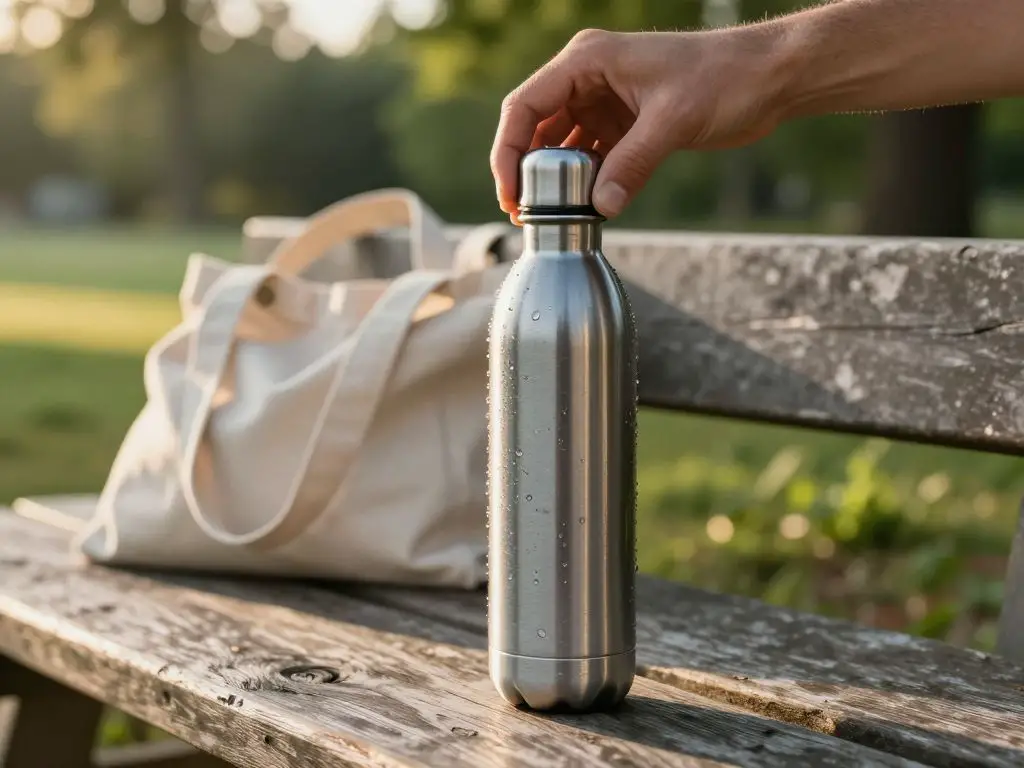
This one’s probably the easiest gateway into eco friendly living. I carried disposable bottles for years before finally committing to a stainless steel one, and honestly, I wish I’d made the switch sooner.
A quality refillable bottle keeps drinks cold for hours and eliminates the need to buy plastic bottles constantly. You’ll save money and reduce plastic waste without changing your daily routine. Plus, most coffee shops and airports now have filling stations, so staying hydrated on the go is easier than ever.
2. Making the Most of Silicone Storage Bags
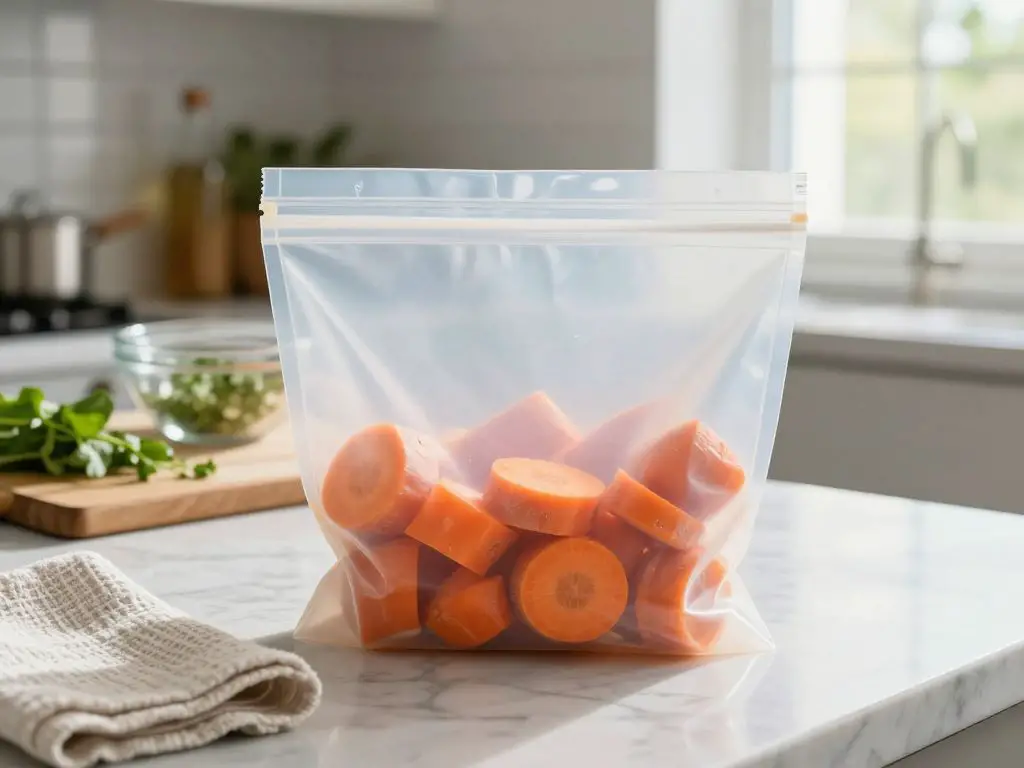
Silicone bags replaced my ziplock habit almost overnight. They’re perfect for snacks, sandwiches, and even marinating meat in the fridge.
Unlike disposable plastic bags, these wash clean in seconds and last for years. I’ve been using the same set for over three years now, and they still look brand new. They’re freezer-safe, microwave-safe, and way sturdier than single-use alternatives.
3. Covering Food with Wax-Coated Wraps
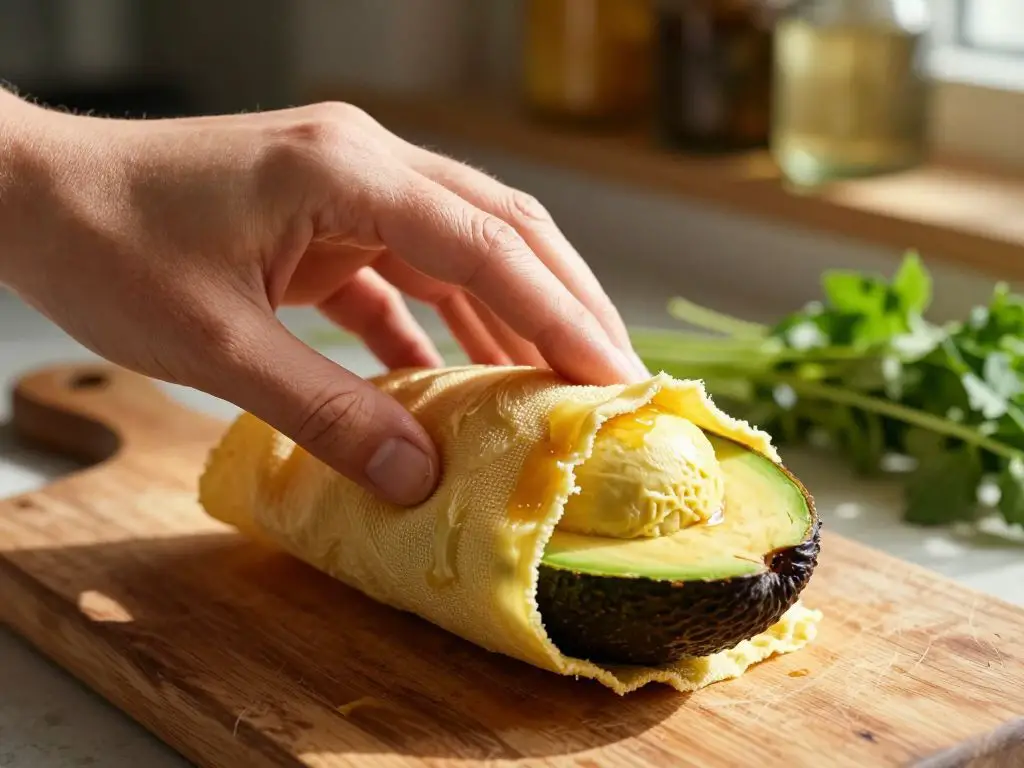
Beeswax wraps were a game-changer for my kitchen. They mold around bowls, cheese, cut vegetables, and bread using just the warmth of your hands.
They replace plastic wrap and aluminum foil for most tasks. The natural antibacterial properties of beeswax keep food fresh, and you can rinse them with cool water between uses. One set typically lasts about a year with regular use before needing replacement.
4. Storing Leftovers in Glass or Metal Containers
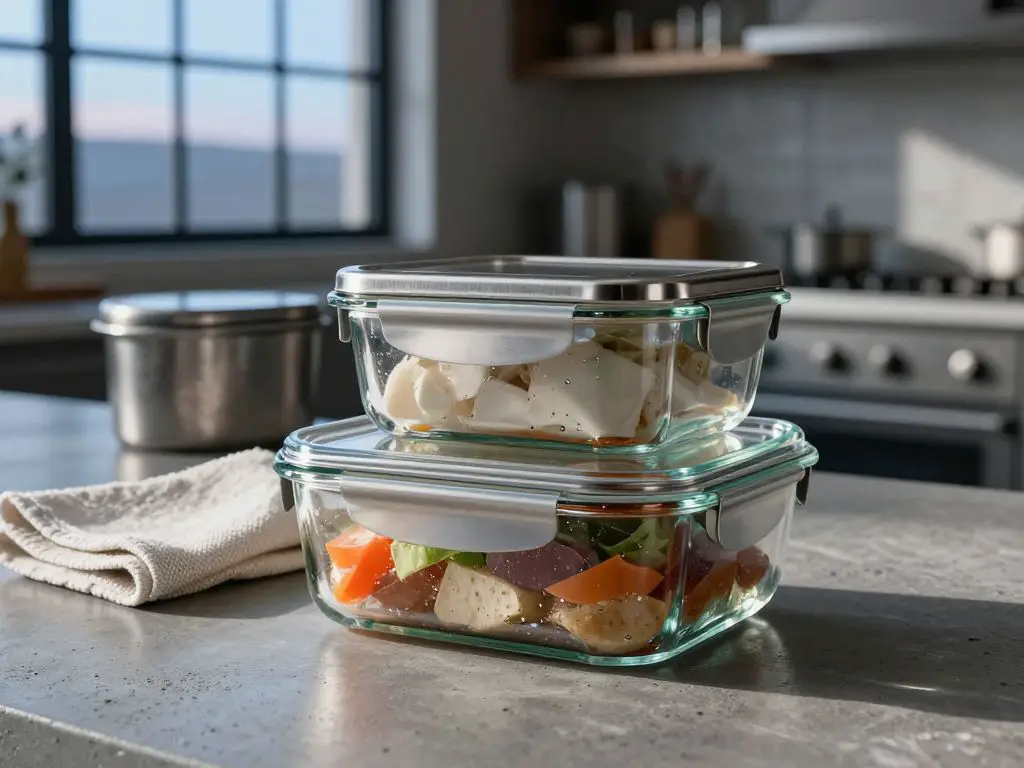
I finally ditched my mismatched plastic container collection last year, and my fridge has never looked better. Glass containers don’t stain, don’t absorb odors, and you can see exactly what’s inside.
They’re oven-safe and microwave-safe, which makes reheating leftovers super convenient. Metal containers work great for packed lunches and dry storage, plus they’re practically indestructible. Your zero waste home will thank you for this upgrade.
5. Choosing Reusable Straws for Every Drink
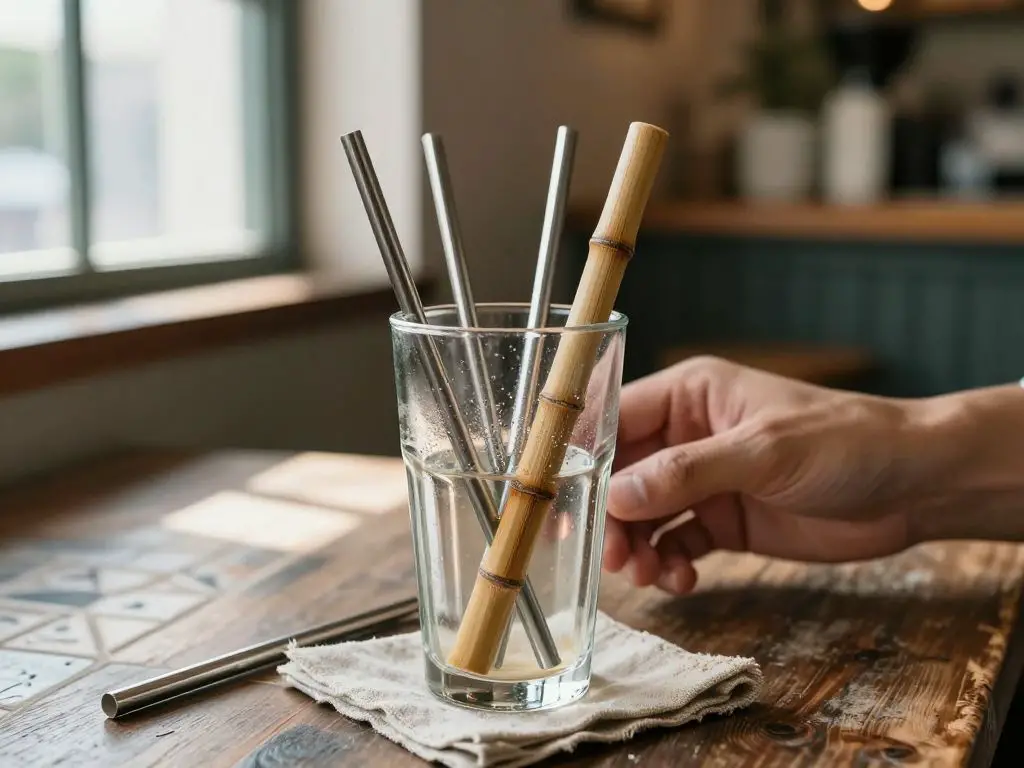
Metal or silicone straws might seem like a small change, but they add up fast. I keep a set in my car and another in my kitchen drawer.
The silicone ones are especially great if you have kids or sensitive teeth. They’re easy to clean with the included brush and eliminate hundreds of plastic straws from your yearly waste. Some even come in fun colors that make your drinks feel a little more special.
6. Brewing Coffee with a Permanent Filter
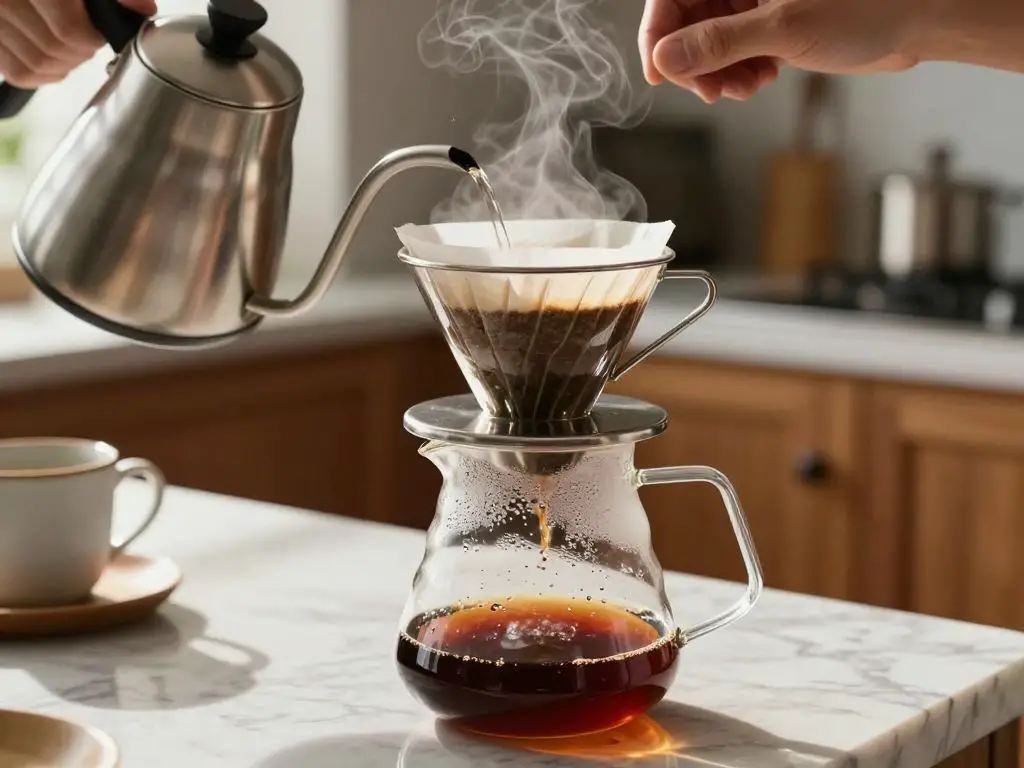
As someone who drinks coffee daily, switching to a reusable filter was a no-brainer. Metal mesh filters or cloth filters eliminate paper waste completely.
The taste is actually richer because the oils pass through instead of getting trapped in paper. You’ll save money on filters and reduce your morning waste to basically nothing. Just rinse after each use and give it a deeper clean once a week.
7. Setting the Table with Fabric Napkins
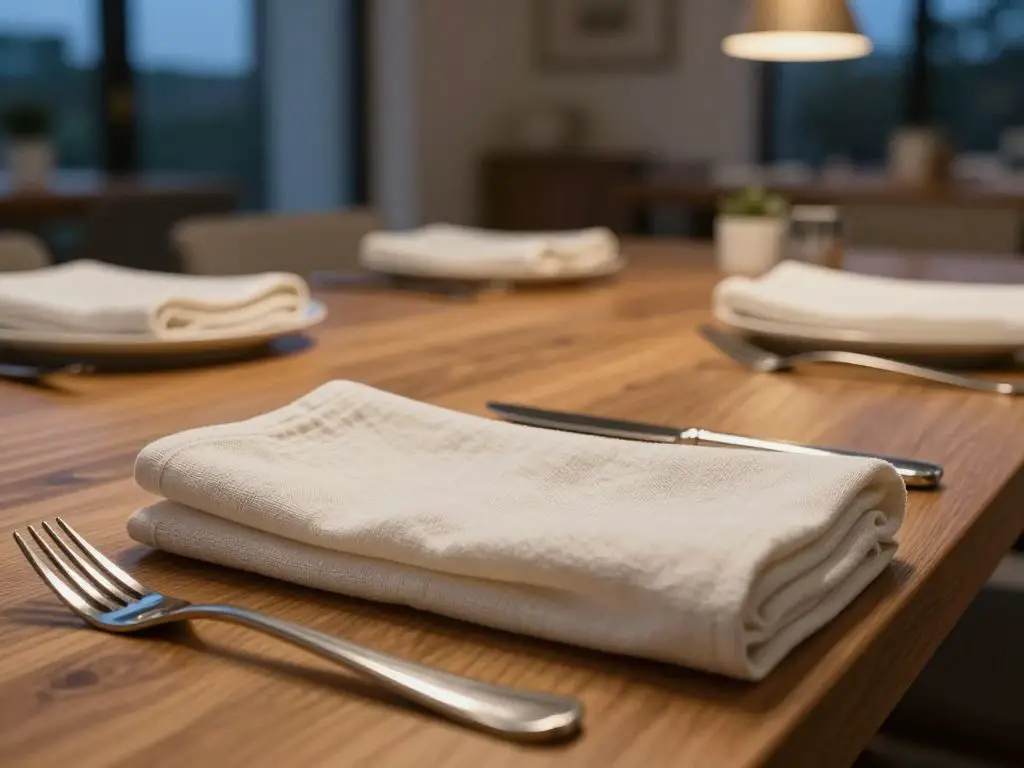
This swap felt fancy at first, but now I can’t imagine going back to paper. Cloth napkins elevate every meal and handle spills way better than their disposable cousins.
Toss them in with your regular laundry and you’re good to go. Even just having enough for your household cuts down hundreds of paper napkins per year. I found mine at a thrift store for next to nothing.
8. Taking Off Makeup with Washable Pads
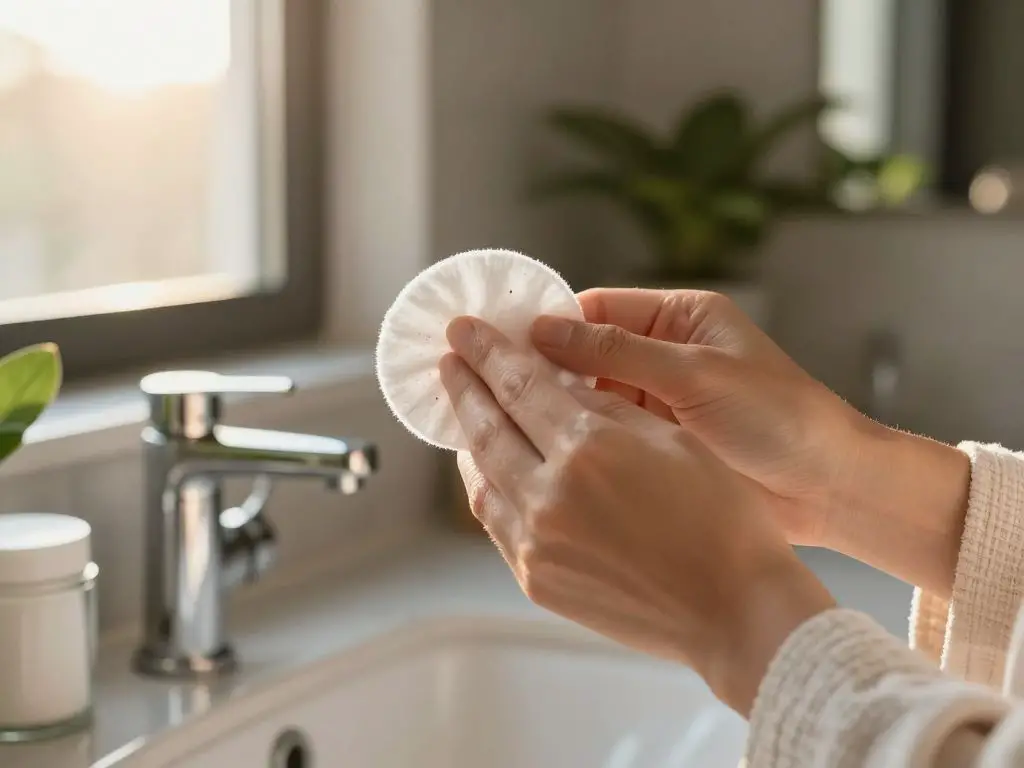
Reusable makeup rounds changed my skincare routine completely. They’re softer than disposable cotton pads and work better with cleansing oils and micellar water.
I keep mine in a small mesh bag and throw them in the wash with my towels. One set of 10-15 pads easily replaces hundreds of single-use cotton rounds annually. Your skin and the planet both win.
9. Shaving with a Durable Metal Razor
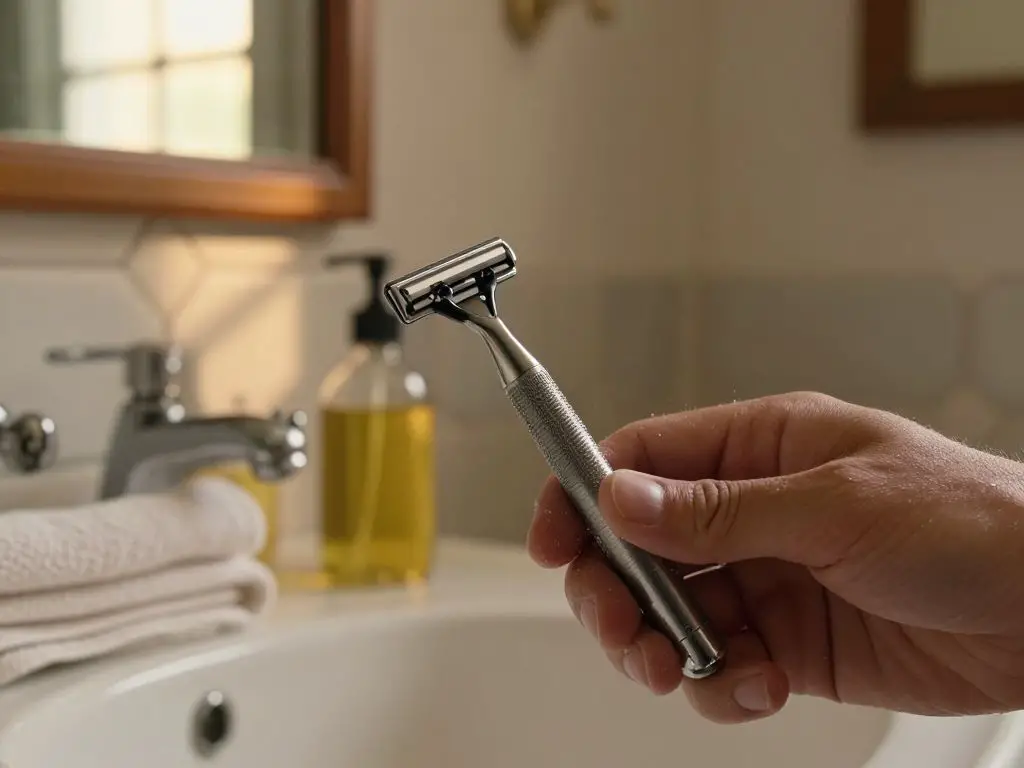
Safety razors intimidated me at first, but they’re actually easier to use than I expected. The initial investment is higher, but replacement blades cost pennies.
You get a closer shave with less irritation, and the razor itself lasts decades. One safety razor replaces countless disposable plastic razors and their wasteful packaging. Plus, they look way cooler sitting on your bathroom counter.
10. Brushing Teeth with a Biodegradable Brush
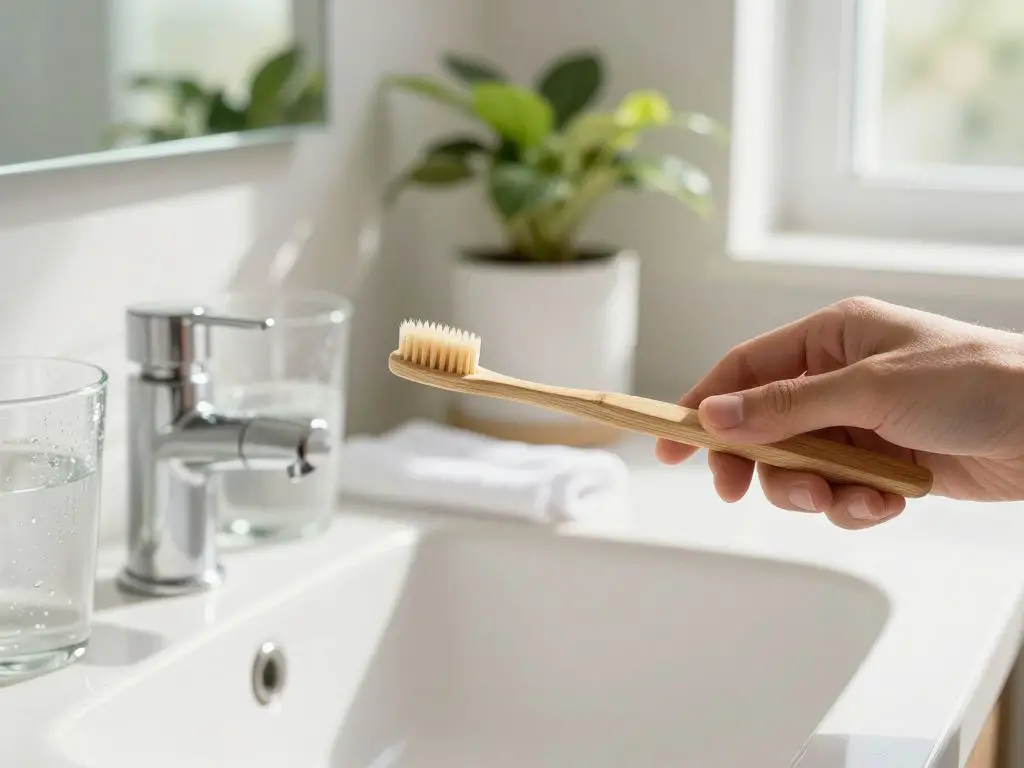
Bamboo toothbrushes feel identical to plastic ones but break down naturally when you’re done with them. The bristles still need proper disposal, but the handle composts easily.
They’re just as effective at cleaning your teeth and cost about the same as conventional brushes. Switching your whole family to bamboo prevents multiple plastic toothbrushes from hitting landfills every few months.
11. Collecting Rainwater with a Barrel
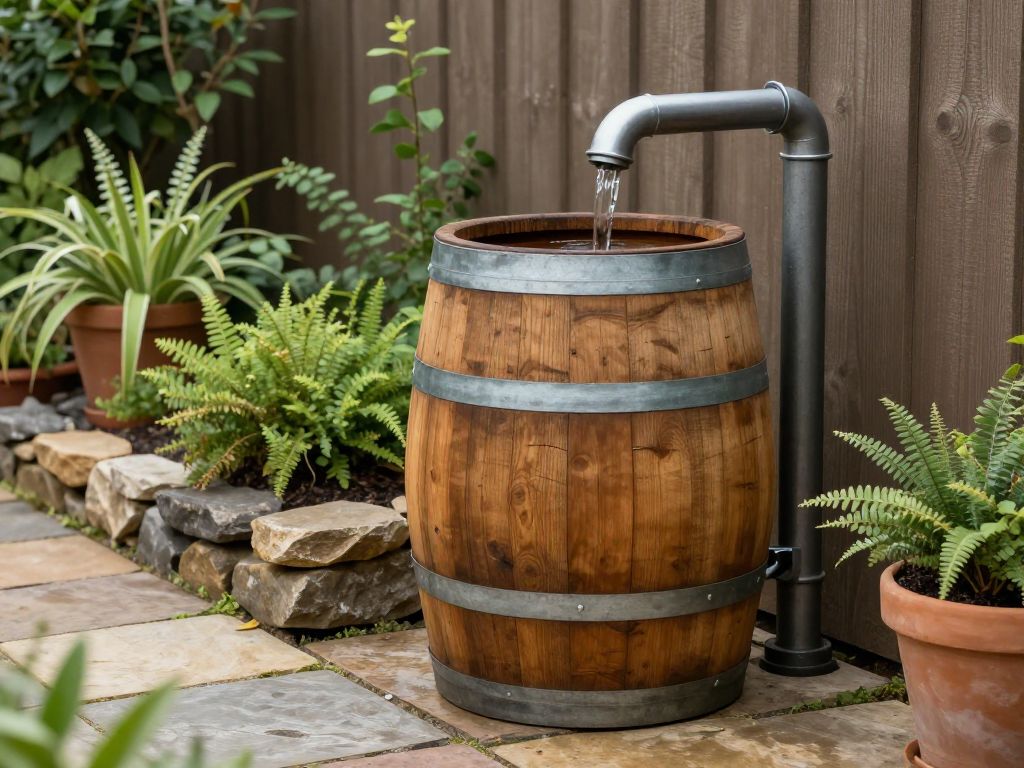
Rain barrels connect to your downspout and capture water you can use for gardens, lawns, or washing outdoor items. It’s free water that would otherwise just run off.
Even small barrels collect surprising amounts during rainy seasons. Harvesting rainwater reduces your water bill and makes your home more self-sufficient. Many municipalities offer rebates or discounts on rain barrel systems.
12. Using Washable Diapers for Little Ones
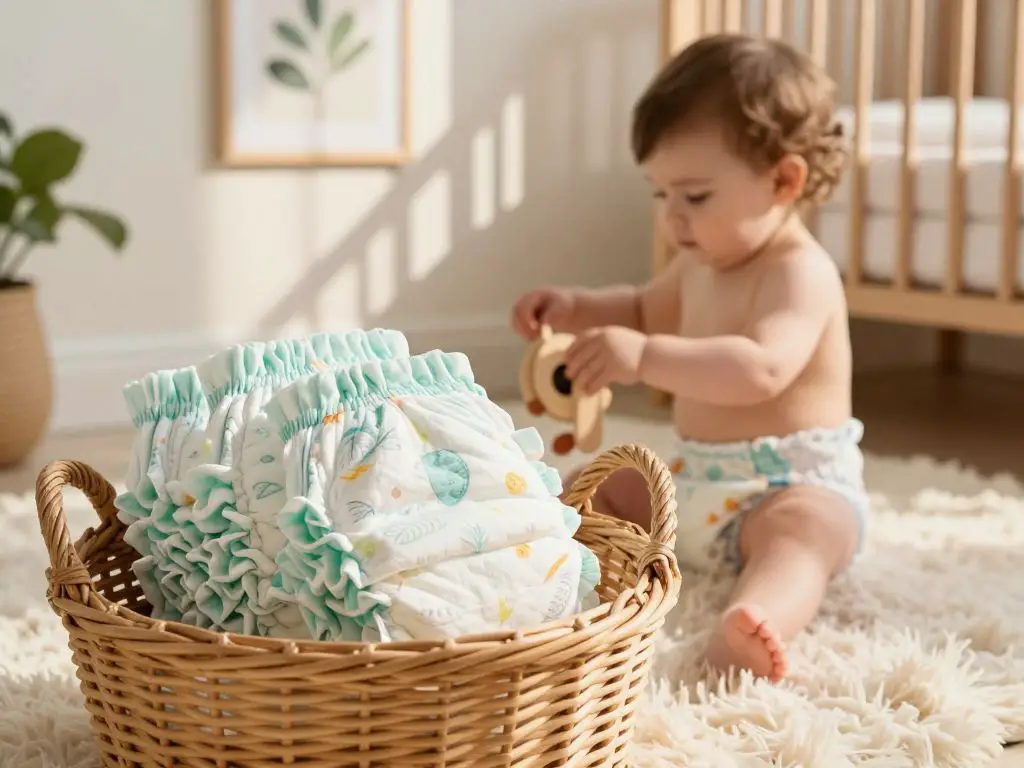
Modern cloth diapers aren’t the complicated safety-pin situations from decades ago. They’ve got snaps, Velcro, and absorbent inserts that make changes straightforward.
The upfront cost gets offset quickly since you’re not constantly buying disposables. Cloth diapers are gentler on sensitive skin and keep thousands of diapers out of landfills. Many families pass their stash down to younger siblings or resell them.
13. Cleaning Surfaces with Microfiber Cloths
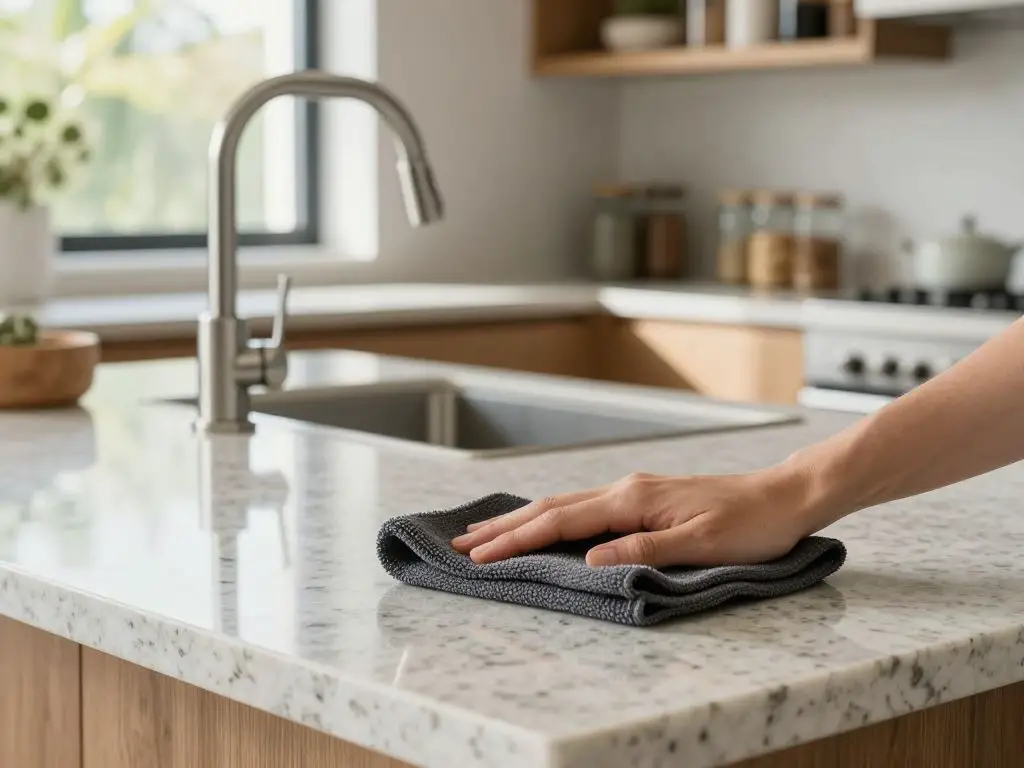
I used to go through paper towels like crazy until I discovered good microfiber cloths. They clean better, hold more liquid, and wash up perfectly.
Keep separate colors for different tasks—one for kitchen, one for bathroom, one for glass. A dozen quality cloths can replace your entire paper towel habit. They pay for themselves in just a few months.
14. Combing Hair with a Sustainable Brush
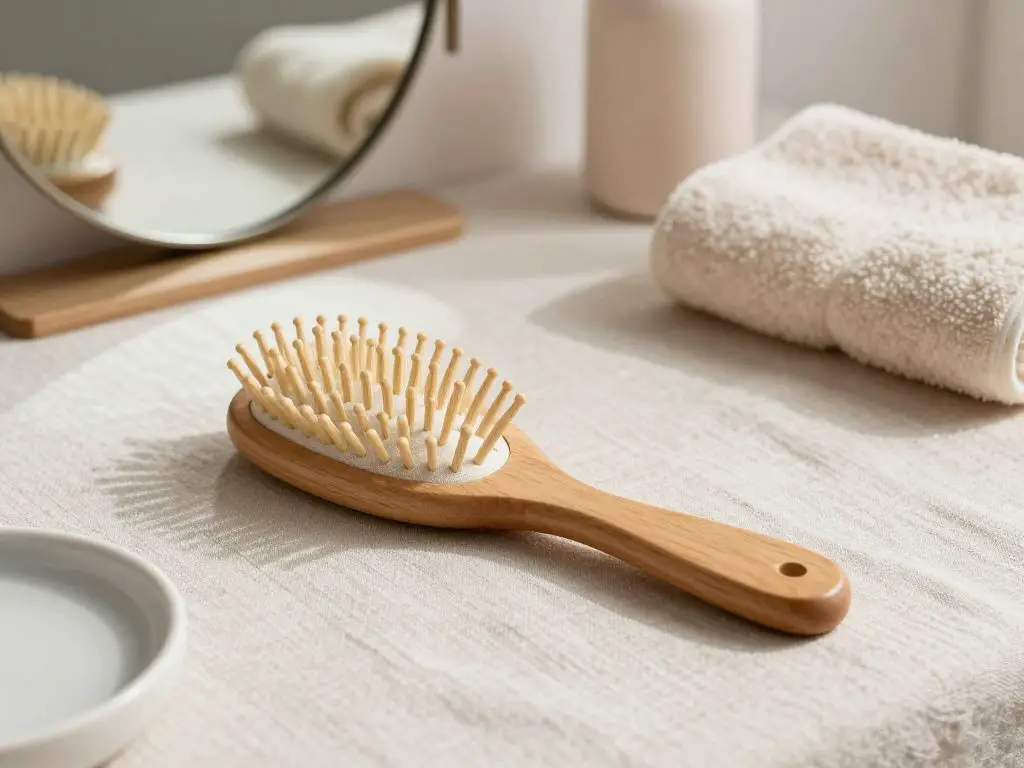
Wooden hairbrushes with natural bristles distribute oils better and reduce static compared to plastic versions. They’re gentler on your scalp and hair.
When they eventually wear out, they decompose instead of sitting in a landfill forever. Quality wood brushes last for years and make your hair care routine more eco friendly without any extra effort.
15. Speeding Up Laundry with Wool Dryer Balls
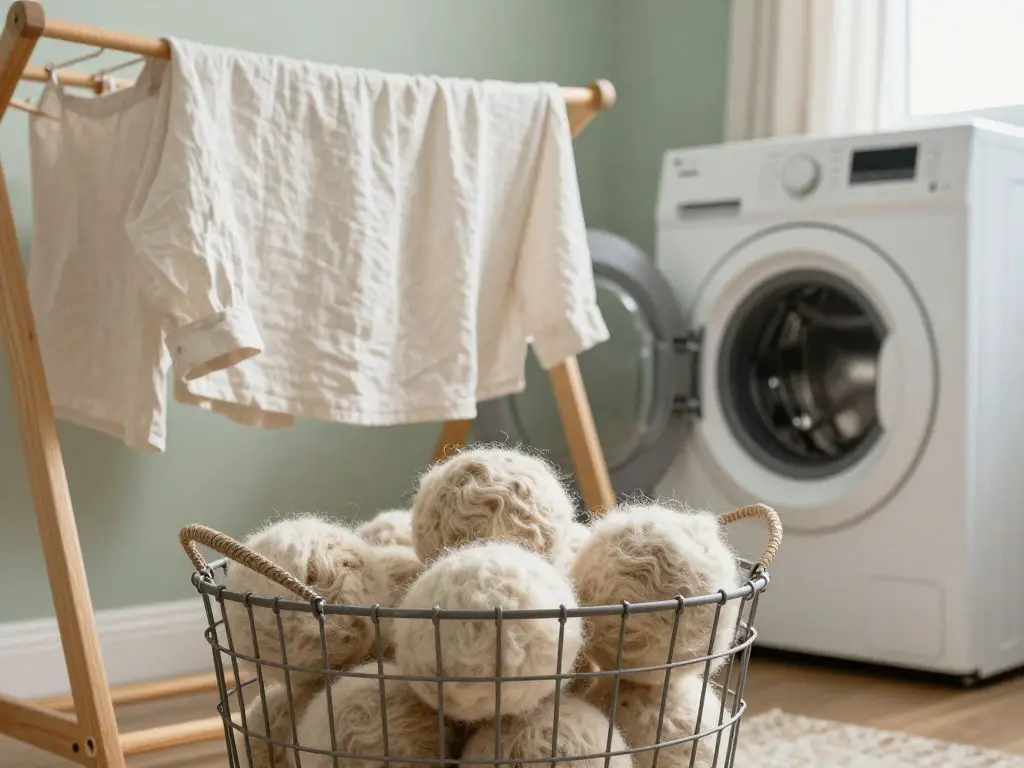
These fuzzy balls reduce drying time, soften clothes naturally, and eliminate the need for dryer sheets. Toss three or four in with each load.
Add a few drops of essential oil if you want a light scent. Wool dryer balls last for thousands of loads and cut down on both waste and energy costs. They’re one of those set-it-and-forget-it eco friendly products.
16. Refreshing Floors with Washable Mop Pads
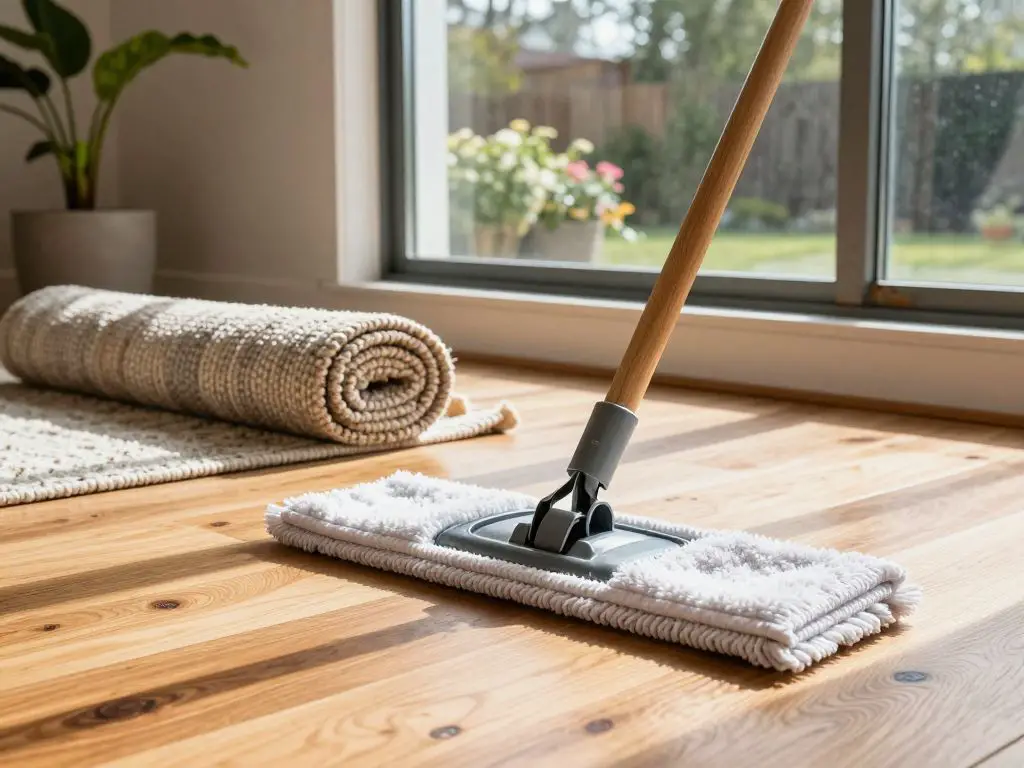
Disposable mop pads always felt wasteful to me. Washable microfiber pads snap onto most mop heads and clean just as effectively.
After mopping, throw the pad in the wash and attach a clean one for next time. You’ll save money and keep dozens of single-use pads out of the trash each year. They work on hardwood, tile, and laminate floors.
17. Starting a Compost Bin at Home
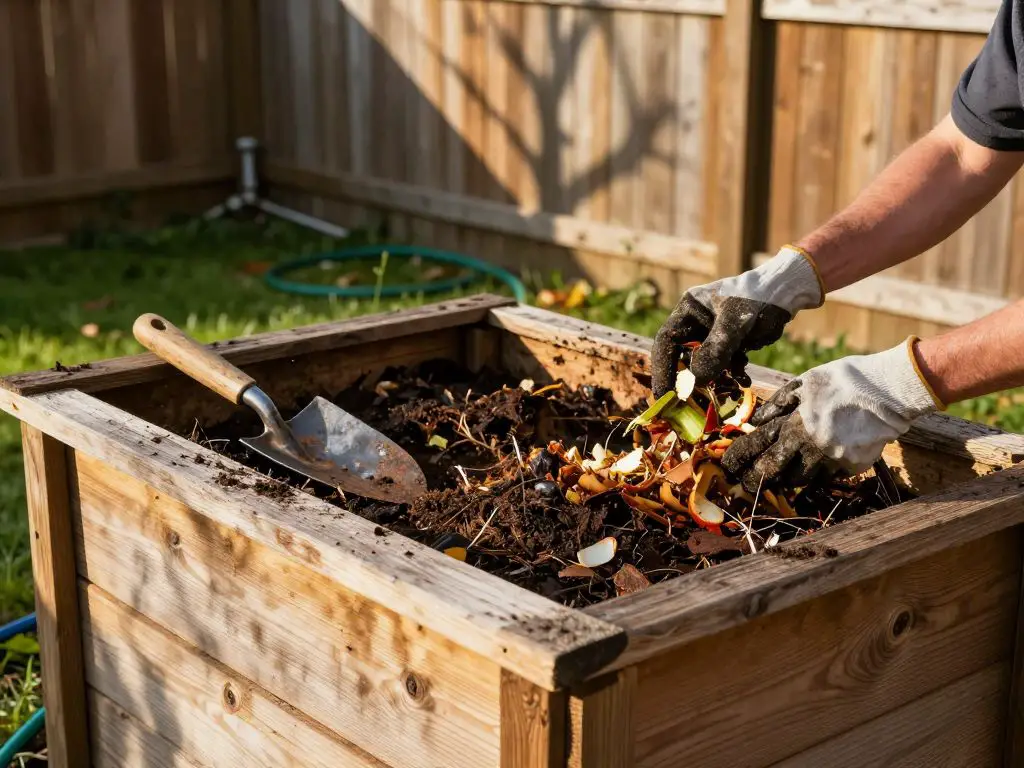
Composting sounds complicated, but it’s honestly pretty simple once you get started. Even a small countertop bin makes a huge difference in your household waste.
Food scraps turn into nutrient-rich soil for gardens or houseplants. Composting diverts a massive amount of waste from landfills and closes the loop on your kitchen scraps. Many cities now offer compost pickup if you don’t have yard space.
18. Using Compostable Bags for Pet Waste
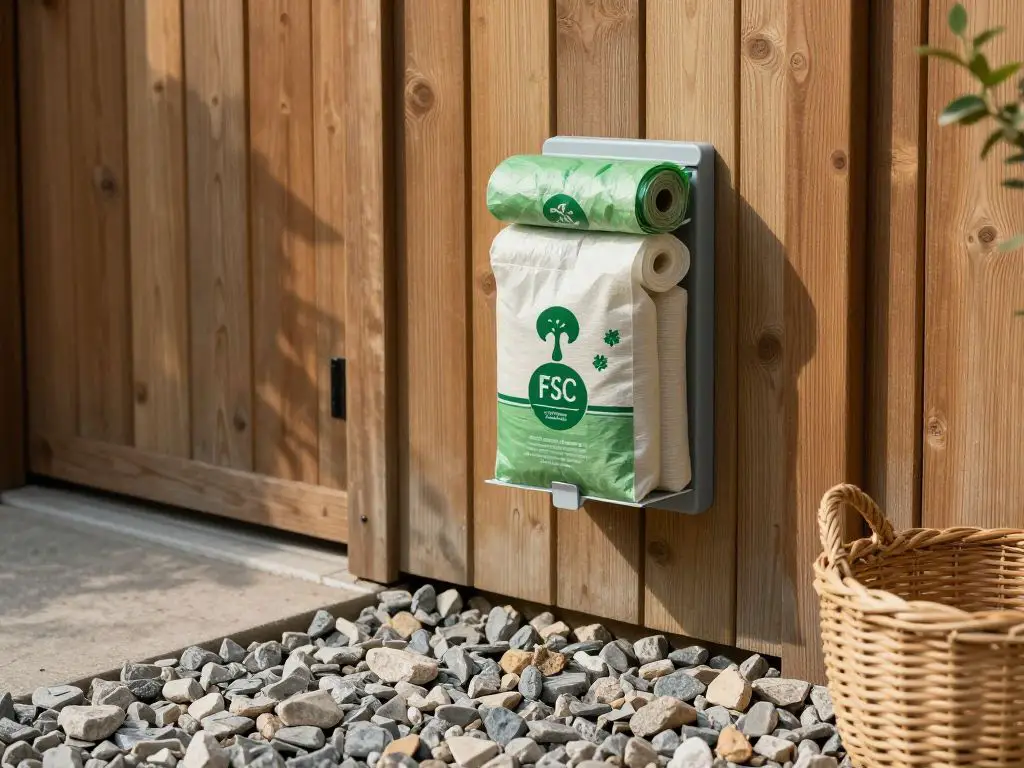
Pet waste bags are one area where reusable isn’t really an option, but compostable bags are the next best thing. They break down much faster than traditional plastic.
They’re just as sturdy and easy to use as regular poop bags. Switching to compostable options means your pet’s waste won’t sit in a landfill inside plastic for decades. It’s a small change that makes your eco lifestyle more complete.
19. Powering Devices with Rechargeable Batteries
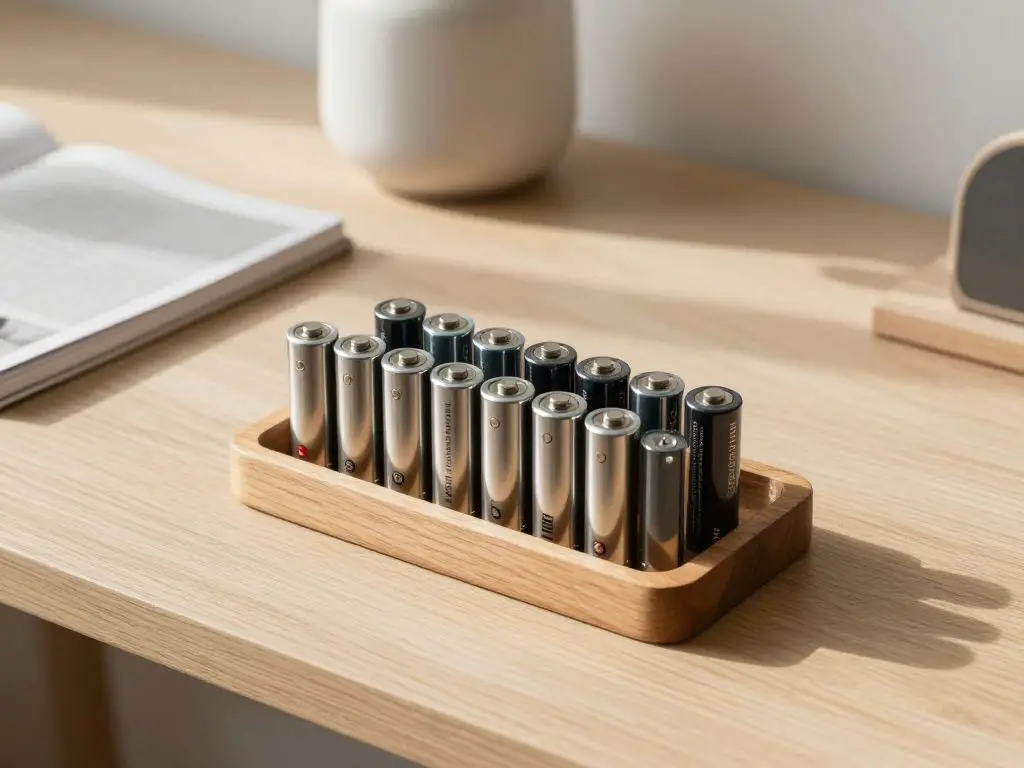
Rechargeable batteries have come a long way. They hold charges longer and perform better than the disposables I grew up with.
The charger and battery set pays for itself after just a few uses. You’ll eliminate the constant battery buying cycle and keep toxic materials out of landfills. Perfect for remotes, toys, flashlights, and all those random devices.
20. Carrying Reusable Shopping Bags
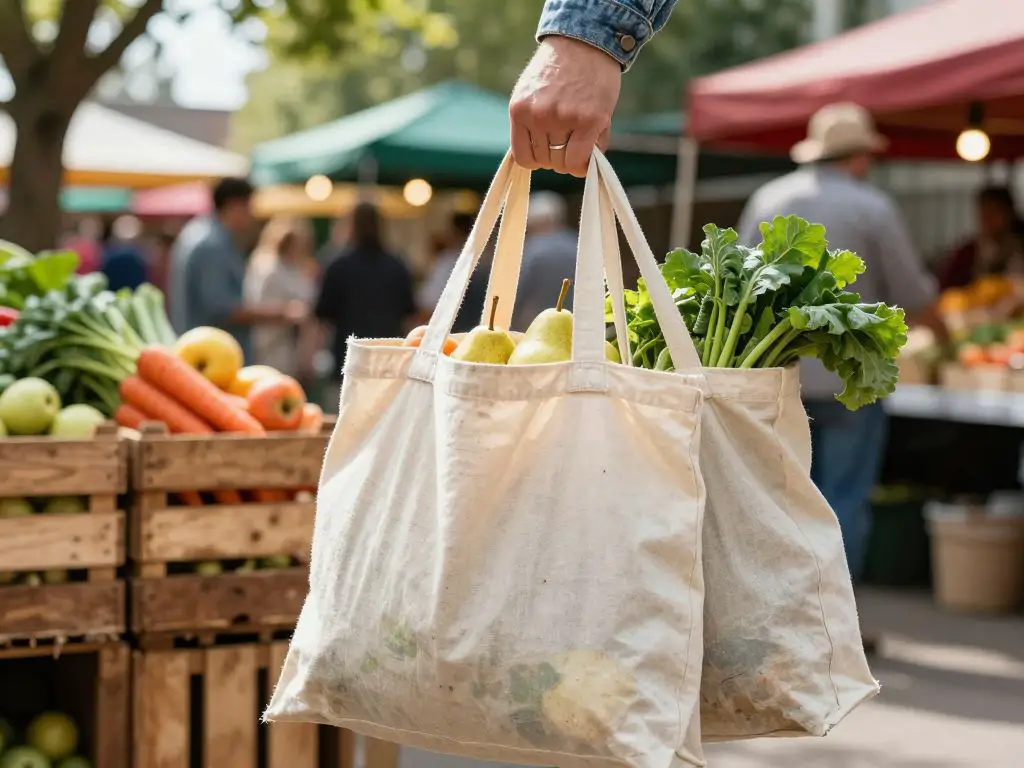
This classic swap is popular for good reason. Keep a few bags in your car, by the door, or folded in your purse so you always have them handy.
Modern reusable bags are stronger, hold more, and don’t rip like plastic ones. Using your own bags prevents hundreds of plastic or paper bags from entering the waste stream annually. Some stores even give you a small discount for bringing your own.
21. Packing Meals in Collapsible Containers
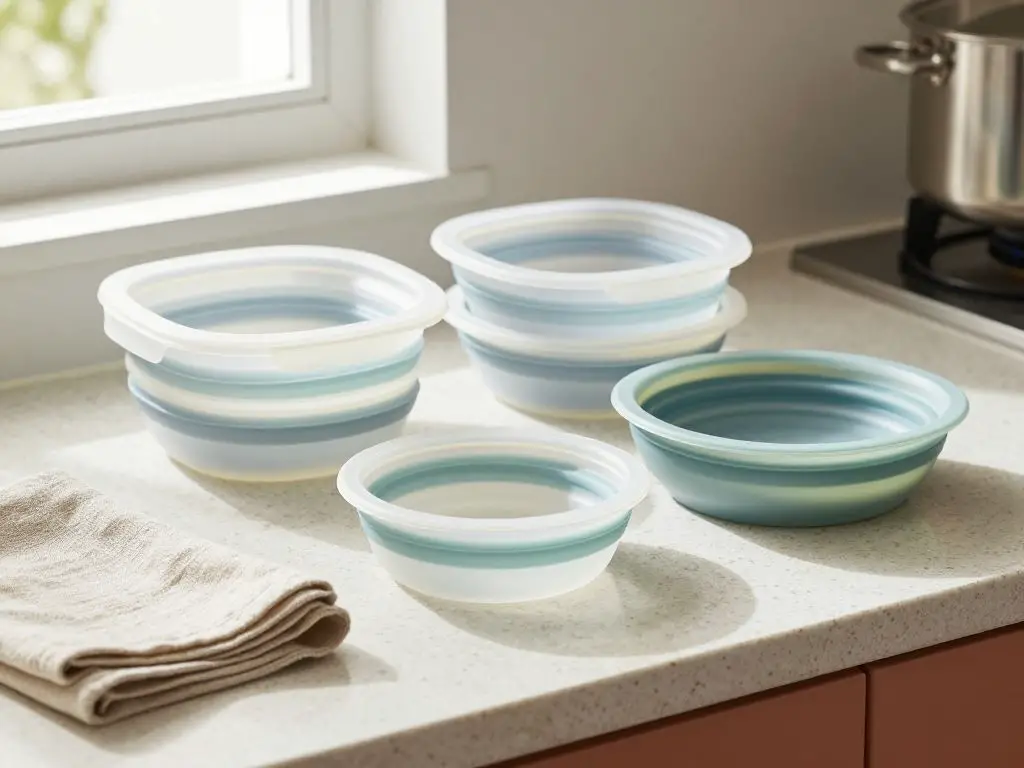
Collapsible silicone containers are perfect for people with limited storage space. They expand when you need them and flatten when you don’t.
They’re leakproof, microwave-safe, and dishwasher-friendly. These containers make packing lunch or taking home leftovers completely zero waste. I keep one in my bag at all times for unexpected takeout situations.
22. Bringing Your Own Travel Utensils
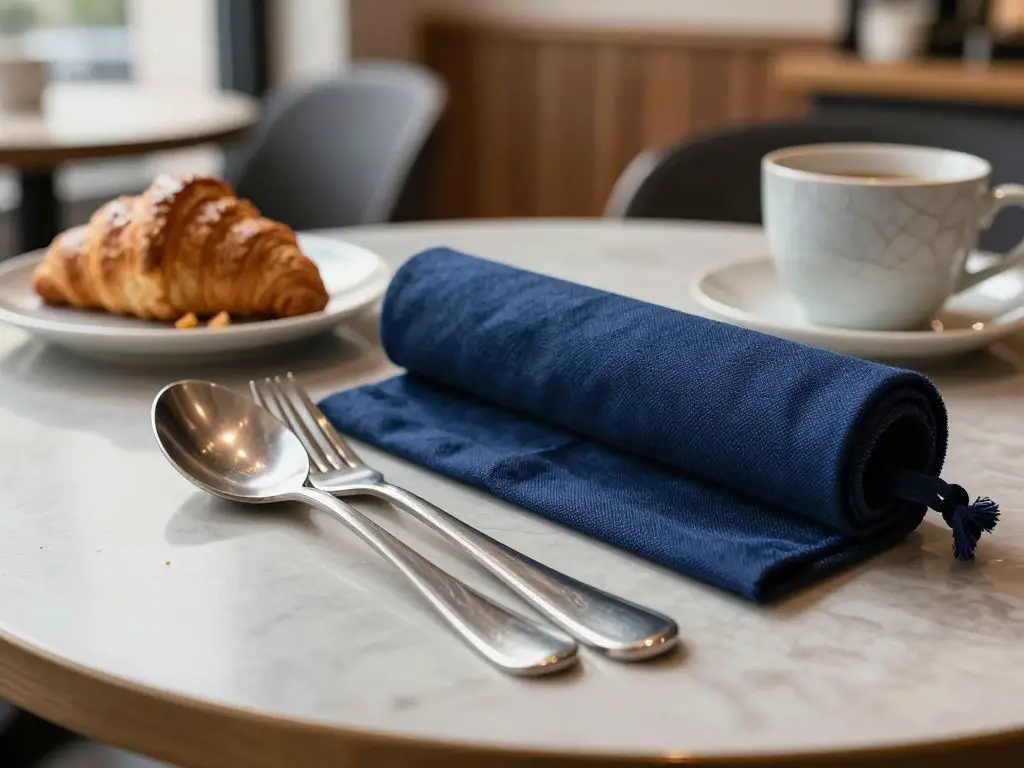
A compact set of reusable utensils lives in my bag permanently now. I’ve avoided so many plastic forks and spoons by having my own handy.
Most sets include a fork, spoon, knife, chopsticks, and a straw in a carrying case. They’re TSA-friendly and eliminate the need for disposable cutlery whether you’re at work or traveling. Bamboo and stainless steel options both work great.
23. Sipping from a Reusable Coffee Cup

If you’re a regular coffee shop visitor, a reusable cup is essential. Many places offer a discount when you bring your own, which adds up over time.
Insulated cups keep drinks at the right temperature longer than paper cups ever could. You’ll cut out disposable cups and lids from your routine while enjoying better-tasting coffee. Some fold or collapse for easy carrying.
Making the shift to eco friendly reusable products doesn’t have to be overwhelming or expensive. Start with a few items that fit naturally into your routine, and build from there. The beauty of these swaps is that they genuinely make life easier once you get used to them.
Your zero waste home won’t happen overnight, and that’s completely fine. Every reusable product you adopt is one less disposable item in the trash, and that adds up faster than you’d think. Pick your favorites from this list and watch how quickly sustainable choices become second nature.