
Look, I’m not here to guilt-trip you into becoming some zero-waste superhero who grows their own kombucha and hand-weaves reusable toilet paper. We both know that’s not realistic for most of us, right? But here’s the thing—making a genuine dent in your environmental footprint doesn’t require you to overhaul your entire existence. I’ve spent years tweaking my daily routine, and honestly? Some of the smallest changes packed the biggest punch. So let’s talk about the eco lifestyle habits that actually move the needle instead of just making you feel virtuous on Instagram.
1. Embracing Your Local Farmers Market (And Actually Going Weekly)
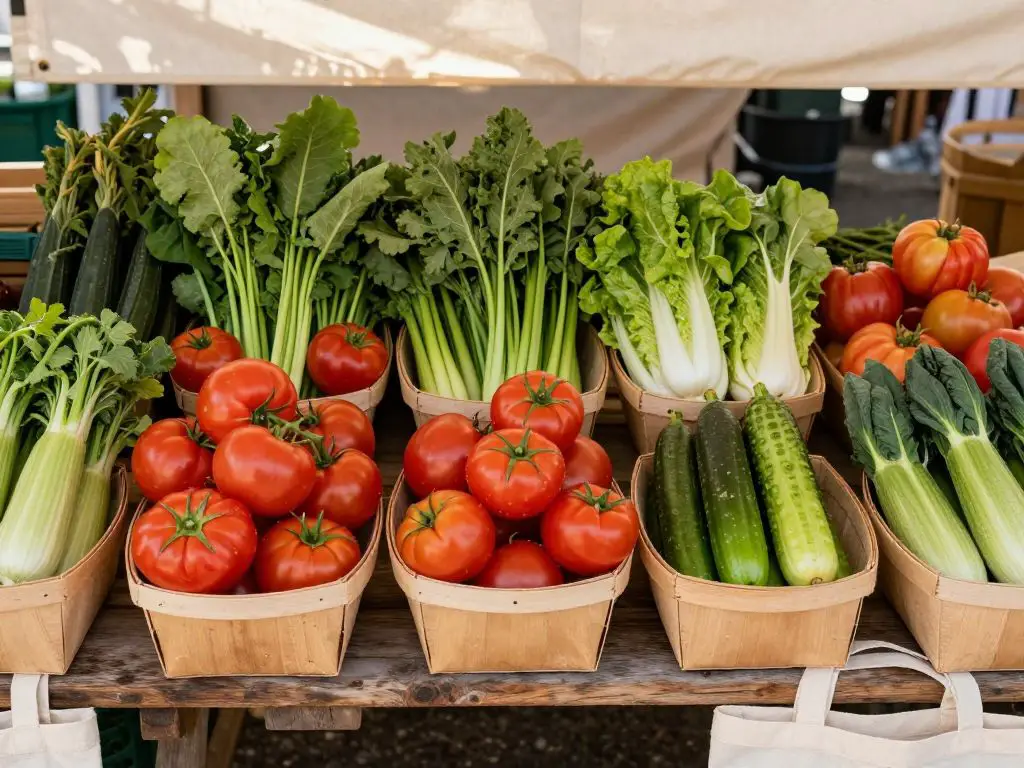
I’ll be straight with you—I used to think farmers markets were just expensive hipster hangouts. Then I actually started going regularly, and wow, was I wrong. Shopping at your local farmers market isn’t just about buying pretty heirloom tomatoes (though they are gorgeous). You’re cutting out massive transportation emissions, supporting local economies, and getting food that hasn’t been sitting in cold storage for weeks.
Here’s my system: I go every Saturday morning with my reusable bags and a rough meal plan in mind. The vendors know me now, and they’ll actually set aside the good stuff. Plus, you’d be surprised how much cheaper it is when you’re buying directly from growers. No middleman markup means more money in your pocket and theirs.
Pro tip? Bring cash and your own containers. Many vendors will fill your containers directly, saving on their packaging costs and your waste. It’s a win-win that makes you feel like a savvy eco-warrior without the pretentiousness 🙂
2. Rethinking Your Low Waste Kitchen Setup
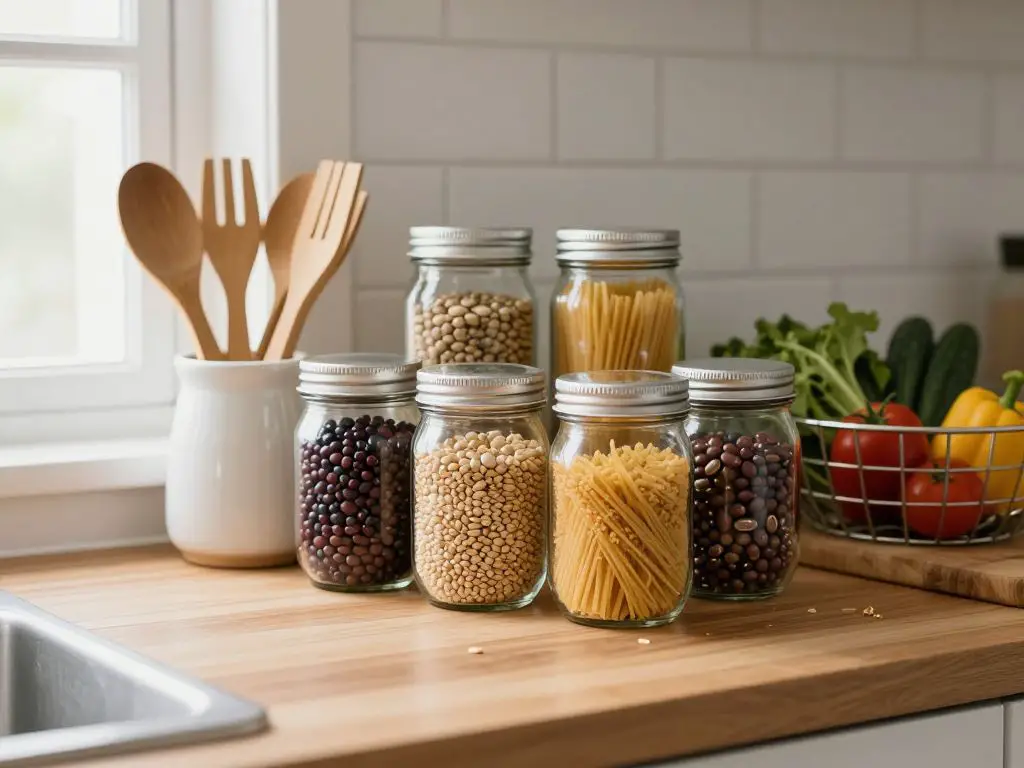
Your kitchen is probably the biggest waste generator in your home—trust me, mine was a disaster before I got serious about this. Creating a low waste kitchen doesn’t mean you need to buy a bunch of expensive bamboo everything (ironic, right?). It’s more about changing how you approach food storage and prep.
Start with these game-changers:
- Ditch plastic wrap for beeswax wraps or just use plates as lids (revolutionary, I know)
- Buy dried goods in bulk using your own containers
- Compost your food scraps—even apartment dwellers can do this with countertop composters
- Keep produce fresh longer with proper storage techniques instead of tossing wilted stuff
The biggest shift for me was meal planning to avoid food waste. When you actually use what you buy, you’re not just saving money—you’re preventing all the resources that went into producing that food from going to waste. Ever thought about how much water went into growing that cilantro you forgot in the back of your fridge?
3. Mastering Eco-Friendly Kitchen Organization
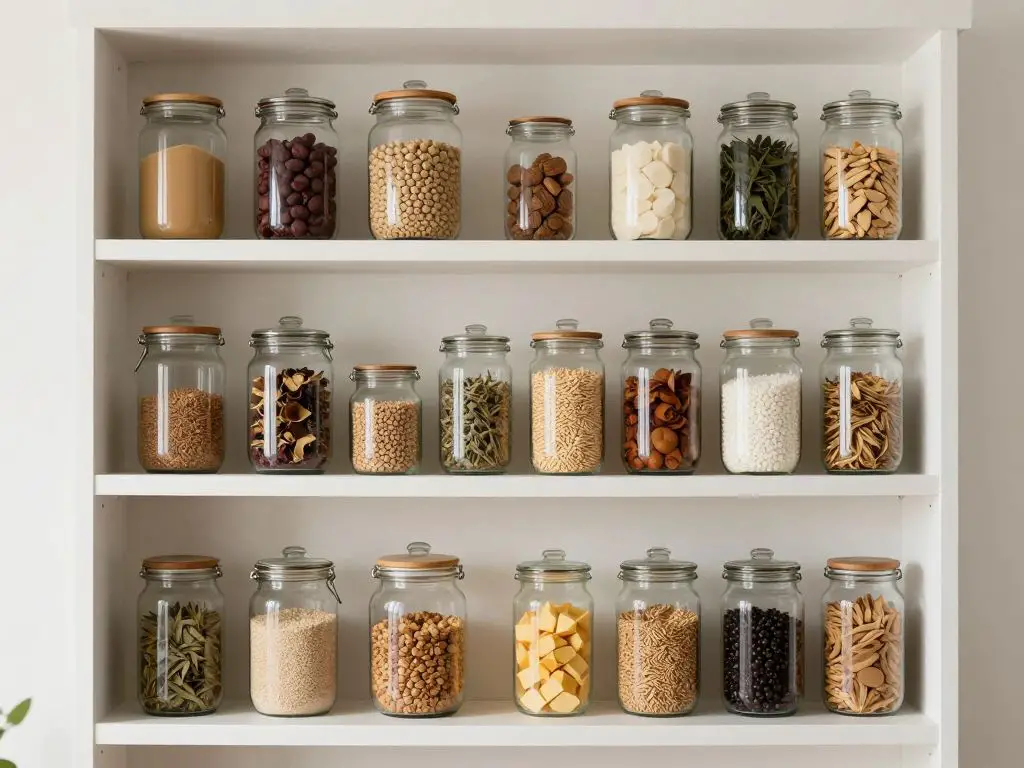
Here’s where things get fun. Eco-friendly kitchen organization is basically Marie Kondo meets sustainability, and I’m here for it. When you organize your kitchen with sustainability in mind, you naturally waste less because you can actually see what you have.
I switched to glass jars for everything—pasta, rice, beans, spices, you name it. Not only does it look amazing (Instagram-worthy without trying), but I can see exactly what I’m running low on. No more buying duplicate items because I couldn’t find something in the back of a cluttered cabinet.
Clear containers also keep food fresher longer, which means less waste and fewer grocery trips. FYI, you don’t need to buy fancy matching jars—save your pasta sauce and pickle jars. They work perfectly and cost nothing.
4. Switching to Reusables (The Ones That Actually Matter)
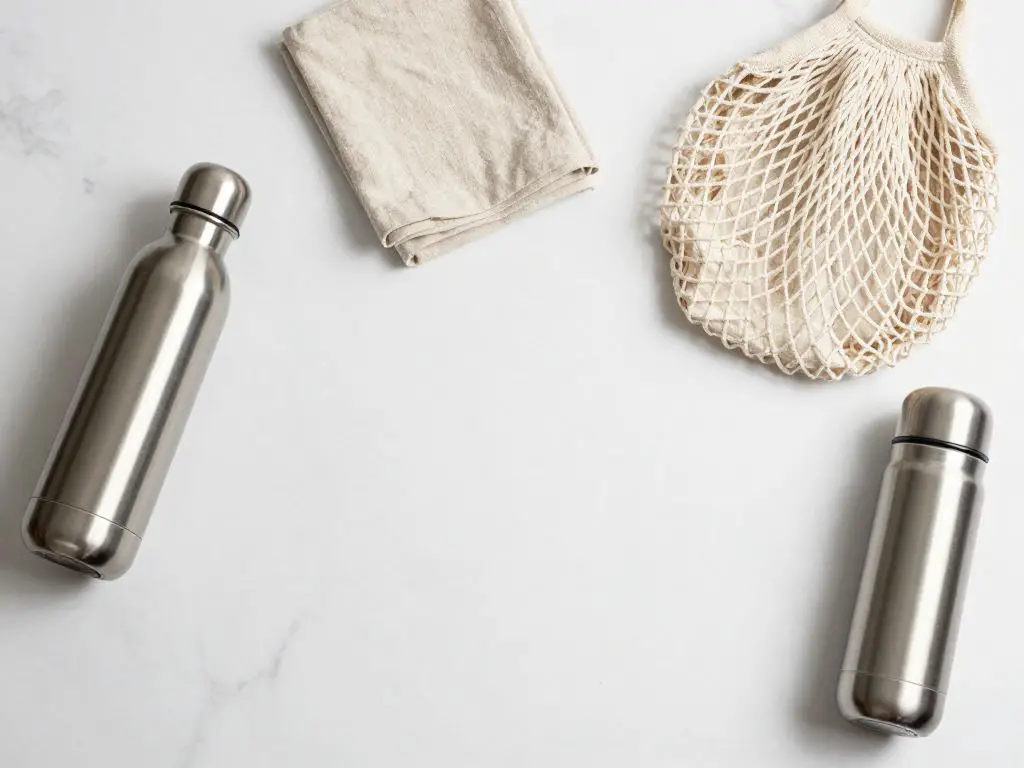
Okay, unpopular opinion time: not all reusables are created equal. Some are basically greenwashing in disguise. The key is choosing reusables that you’ll actually use consistently and that replace items you genuinely go through regularly.
For me, these winners include:
- A good water bottle that doesn’t leak in my bag (learned that lesson the hard way)
- Cloth napkins instead of paper towels for meals
- Reusable produce bags that actually fit in my pocket
- A quality coffee thermos for my daily caffeine fix
But here’s the thing—don’t buy reusable items you won’t use just to feel eco-friendly. That defeats the purpose entirely. I have a drawer of random reusable straws I never touch because I just… don’t use straws. Know yourself and your habits.
5. Adopting Smarter Energy Habits Throughout Your Eco-Friendly Home

Making your eco-friendly home more energy-efficient doesn’t require solar panels and a complete renovation. Some of my biggest energy savings came from stupidly simple changes that took approximately five minutes to implement.
Switching to LED bulbs was the no-brainer that should’ve been first on my list. They last forever, use way less energy, and the light quality is actually better than those old incandescents I was hoarding. I also started unplugging devices that weren’t in use—your phone charger draws power even when it’s not charging anything. Annoying, right?
The real game-changer was getting a programmable thermostat. My energy bill dropped by about 20% just from not heating or cooling an empty house all day. It’s one of those set-it-and-forget-it solutions that keeps giving.
6. Rethinking Your Transportation Choices
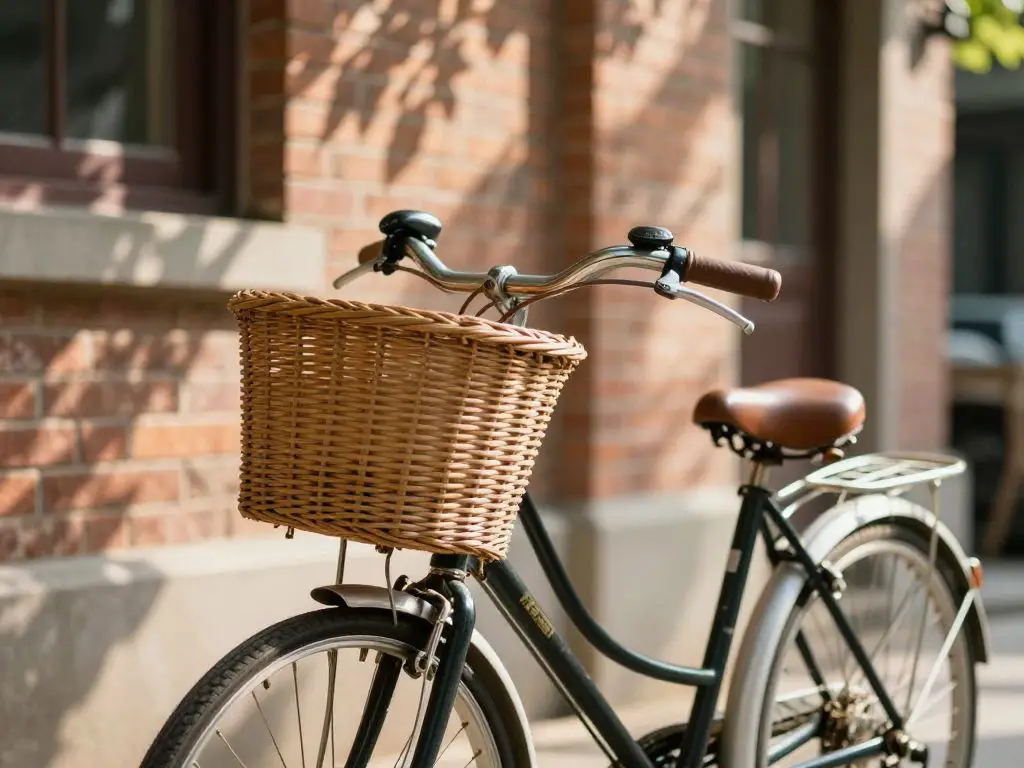
I know, I know—not everyone can bike to work or take public transit. But here’s what I figured out: even small shifts in how you get around make a difference. I started combining errands into single trips instead of making multiple drives throughout the week. Groundbreaking? No. Effective? Absolutely.
If you can swing it, try going car-free one day a week. Walk to nearby destinations, carpool with coworkers, or work from home if that’s an option. I started biking to my local coffee shop on weekends, and honestly? It’s become my favorite ritual. Fresh air, a little exercise, and I feel smug about my carbon savings—win-win-win.
For longer trips, I batch them. Grocery shopping, post office, dry cleaning—all in one efficient loop. Your car’s engine runs most efficiently when it’s warmed up anyway, so multiple short trips from a cold start are actually worse for emissions.
7. Buying Less (And Better) Stuff
This one stings a little because consumer culture has us convinced we need constant novelty. But the most sustainable product is the one you don’t buy. Before I purchase anything now, I ask myself: Do I actually need this, or am I just bored?
When I do buy something, I invest in quality over quantity. A well-made item that lasts ten years beats ten cheap items that last one year each. Plus, it’s actually cheaper in the long run—something my credit card statement finally reflects.
I’ve also gotten into the secondhand game. Thrift stores, Facebook Marketplace, and Buy Nothing groups are goldmines for finding perfectly good items that someone else is done with. IMO, there’s something satisfying about giving something a second life instead of contributing to more manufacturing demand.
8. Changing Your Cleaning Product Lineup
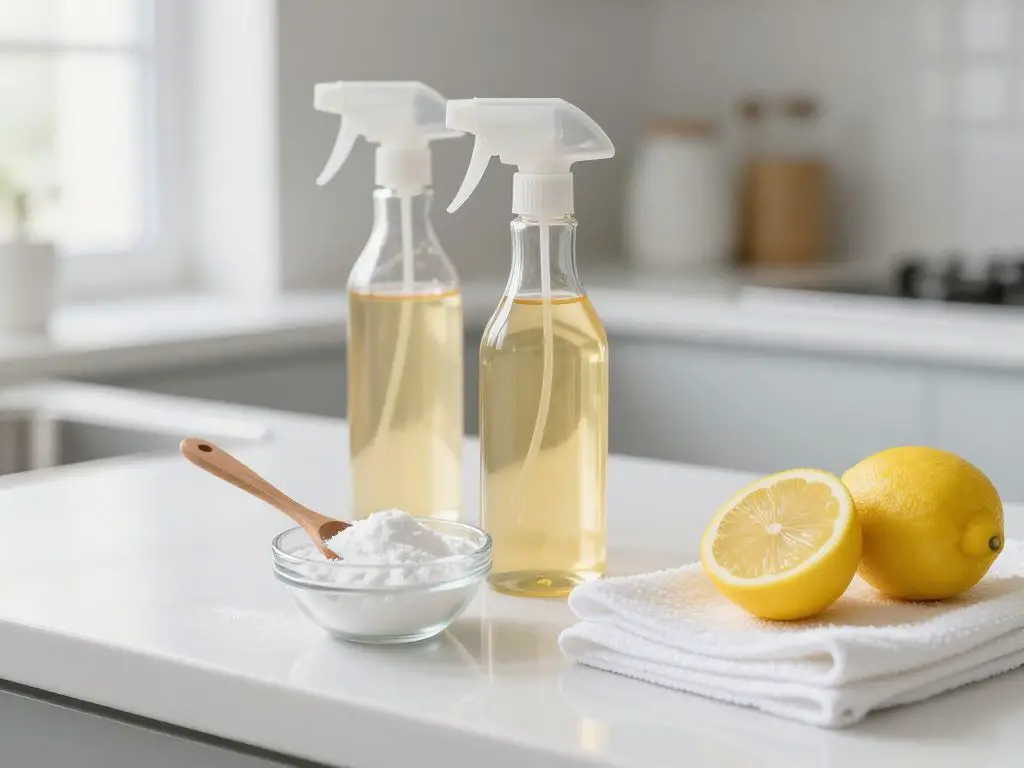
The cleaning products aisle is basically a chemical soup wrapped in plastic bottles. I switched to making simple cleaners from vinegar, baking soda, and castile soap, and my sustainable living activities took a major leap forward. Plus, my home doesn’t smell like a chemical factory anymore—bonus!
You don’t need seventeen specialized cleaners. A good all-purpose spray handles most jobs, and baking soda is a miracle worker for scrubbing. For tougher jobs, I keep a small arsenal of eco-friendly products that actually work (because let’s be real, sometimes you need the heavy hitters).
Switching to reusable cleaning cloths instead of paper towels was another easy win. I keep a stack of old t-shirts cut into rags, and they work better than disposables anyway. When they’re gross, I wash them and use them again. Revolutionary? Nah. Effective and waste-free? Absolutely.
9. Growing Something (Anything) Edible
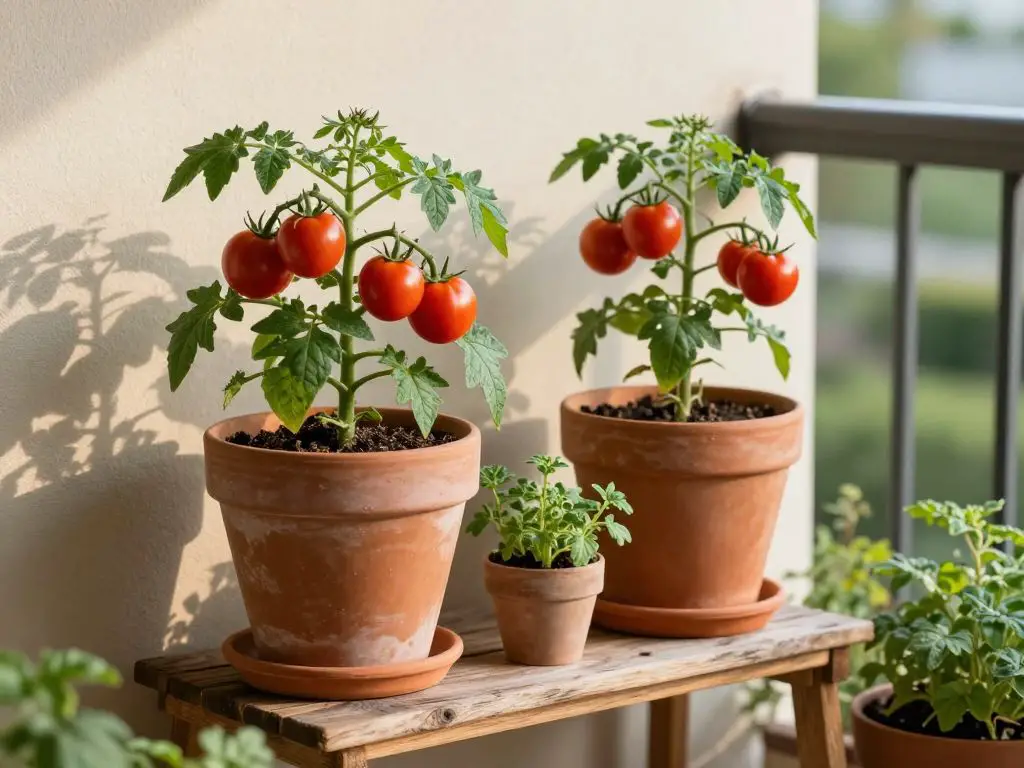
You don’t need a sprawling garden to grow some of your own food. I started with herbs on my windowsill because I was tired of buying fresh basil that wilted before I could use it all. Now I have a small balcony garden that produces tomatoes, peppers, and enough herbs to keep my cooking interesting.
The environmental benefits are obvious—zero food miles, no packaging, and you control what goes on your plants. But the real benefit? You appreciate food more when you’ve grown it yourself. I baby those tomato plants like they’re my children, and I use every single tomato that comes off them.
Even if you have a black thumb, try starting with something foolproof like green onions. You can literally regrow them from grocery store scraps in a jar of water. It’s basically gardening on easy mode.
10. Making Water Conservation Automatic
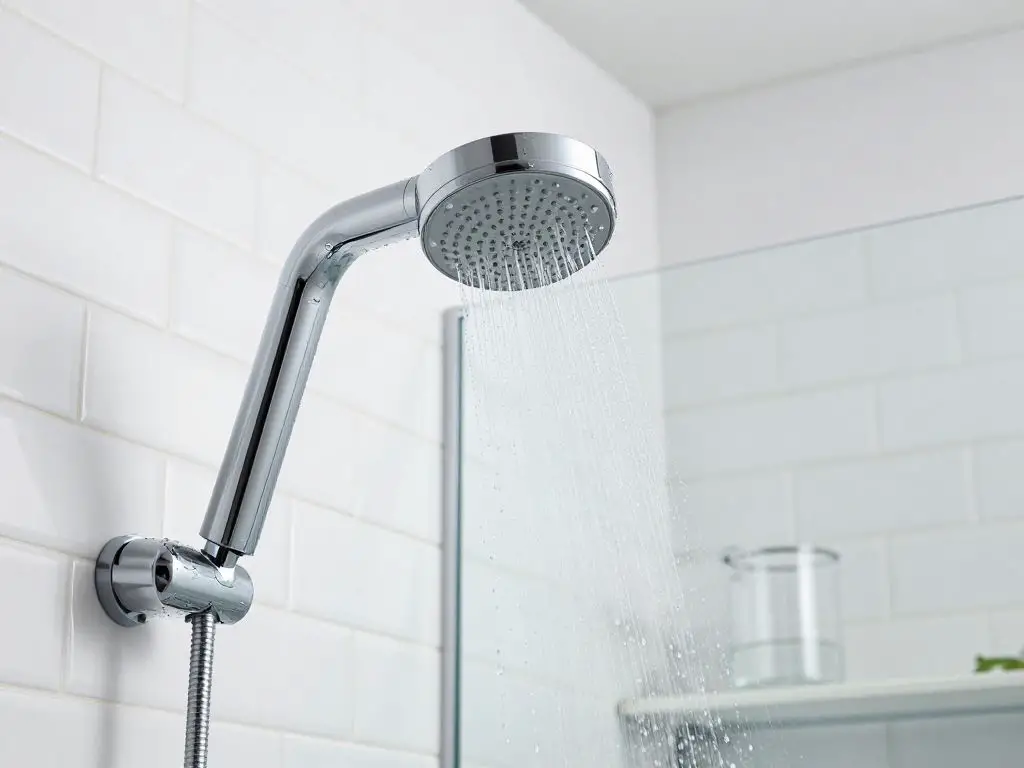
Water conservation used to feel like one of those things that’s important in theory but hard to actually do. Then I installed a low-flow showerhead and boom—instant 40% water savings with zero effort on my part. The water pressure is actually better too, which I wasn’t expecting.
I also started collecting the cold water that runs while I’m waiting for the shower to heat up. That water goes straight to my plants instead of down the drain. It’s such a simple shift that I can’t believe I wasted all that water for years without thinking about it :/
Other easy water-saving wins:
- Running the dishwasher only when it’s full (uses less water than hand-washing anyway)
- Fixing leaky faucets immediately instead of letting them drip indefinitely
- Watering plants early morning or evening to minimize evaporation
- Keeping a pitcher of water in the fridge instead of running the tap until it’s cold
These habits become second nature faster than you’d think, and your water bill will thank you.
Here’s the truth nobody wants to admit: perfection isn’t the goal, and honestly, it’s not even possible. I still mess up, buy packaged snacks when I’m rushed, and sometimes forget my reusable bags in the car. But consistently doing most of these things most of the time? That’s where the real impact lives.
You don’t need to be perfect to make a difference—you just need to be intentional and consistent. Start with one or two habits that feel manageable, let them become routine, and then layer on more. Before you know it, these sustainable living activities won’t feel like sacrifices—they’ll just be how you live. And that’s when you know you’ve actually made a change that sticks.