
You know that feeling when you walk into a room and instantly feel calmer? That’s exactly what a Japandi minimalist dining space can do for you. This beautiful fusion of Japanese simplicity and Scandinavian coziness creates dining areas that are equal parts functional and zen. I’ve spent way too much time scrolling through interior design boards, and honestly, the dining room aesthetic minimalist trend has completely changed how I think about mealtime spaces.
If you’re tired of cluttered dining rooms that stress you out instead of inviting you in, you’re in the right place. These nine Japandi minimalist dining inspiration ideas will help you create a peaceful home where every meal feels like a moment of calm. Let’s explore how to bring this serene style into your dining space without sacrificing warmth or personality.
1. The Low Wooden Dining Table Foundation
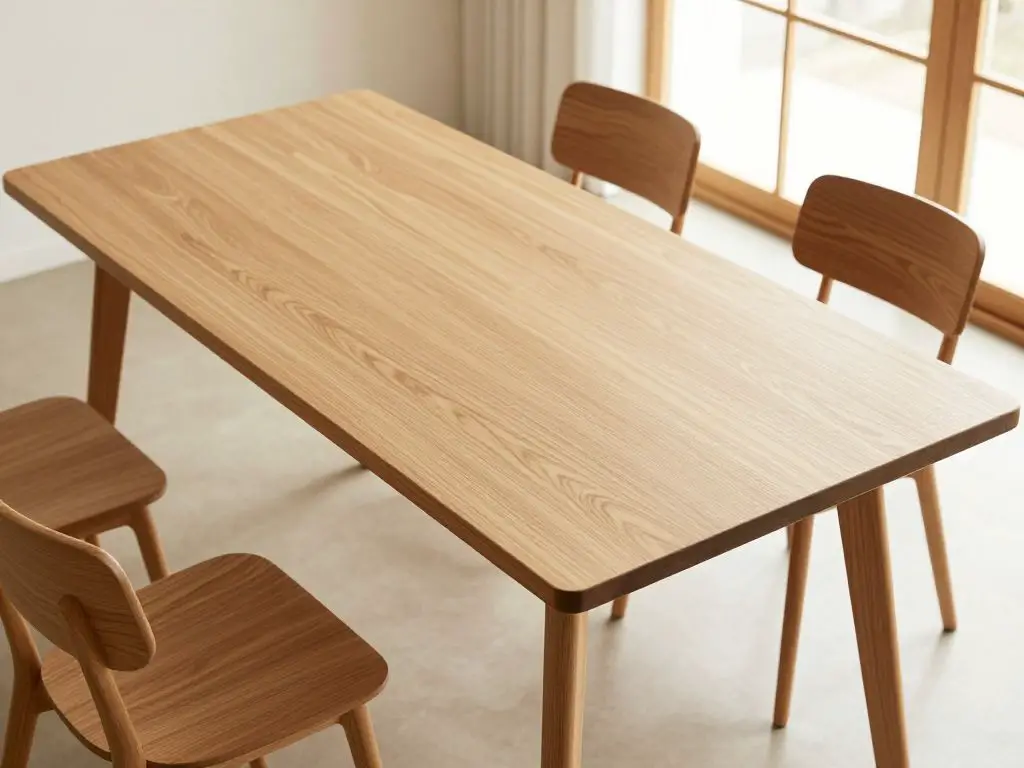
A low-profile wooden dining table is the cornerstone of any Japandi minimalist dining room. I love how these tables ground the entire space while maintaining that airy, uncluttered vibe. Look for tables in light oak, walnut, or ash with clean lines and minimal ornamentation.
The beauty here is in the grain and simplicity. You don’t need fancy table legs or decorative edges. A simple rectangular or round table with tapered legs creates that perfect balance between Japanese floor-level dining culture and Scandinavian furniture design.
Pair your table with low-backed chairs or even floor cushions if you’re feeling adventurous. This creates visual openness that makes even small dining spaces feel larger and more breathable.
2. Neutral Color Palette with Warm Undertones
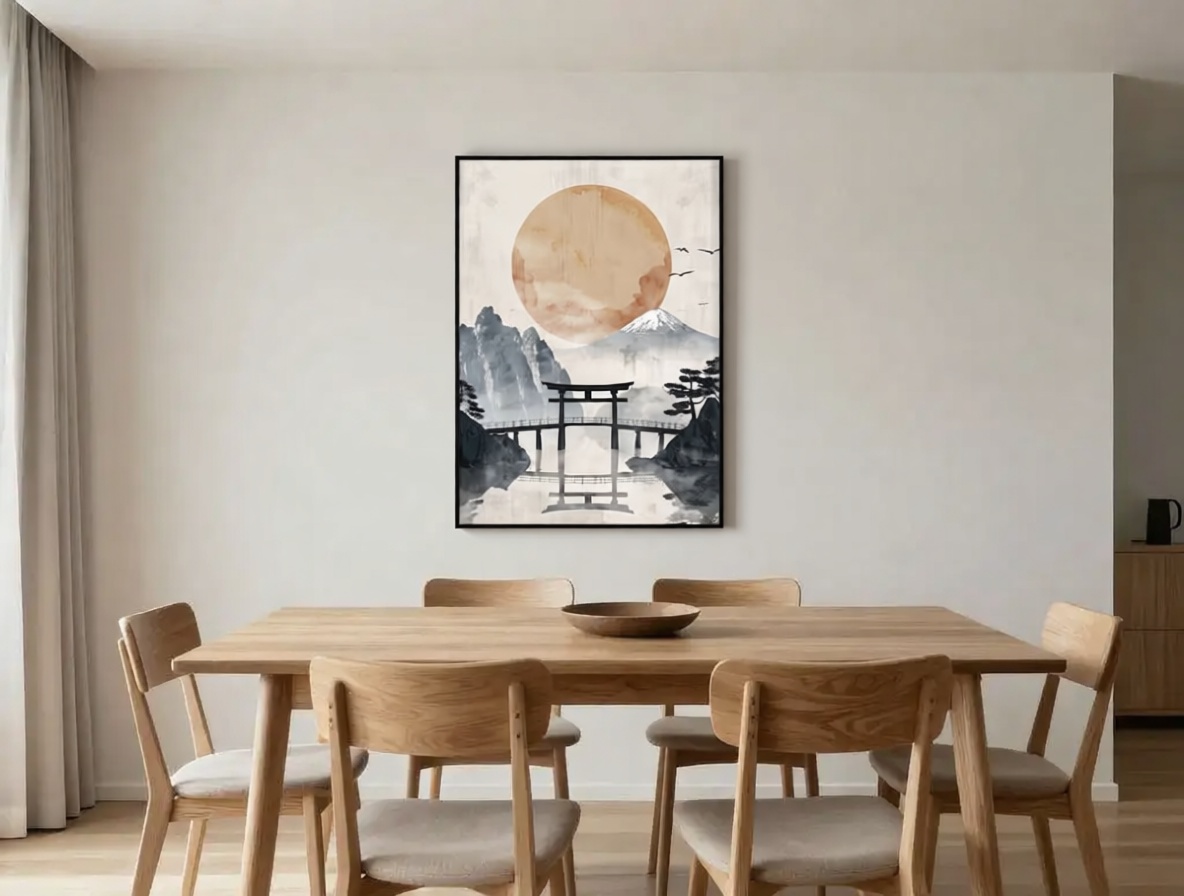
The color scheme in a dining room minimalist setup should feel like a warm hug, not a sterile hospital. Think creamy whites, soft beiges, warm grays, and natural wood tones that create depth without overwhelming the senses.
I’ve learned that the key is layering different shades of neutrals rather than sticking to just one color. This adds visual interest while maintaining that peaceful atmosphere. Avoid stark white walls and instead opt for off-whites or light greige that feel inviting under both natural and artificial light.
You can introduce subtle contrast through darker wood furniture or charcoal-toned textiles, but keep everything within the same warm, earthy family. This restraint is what makes the Japandi aesthetic so timelessly elegant.
3. Handcrafted Ceramic Tableware Display
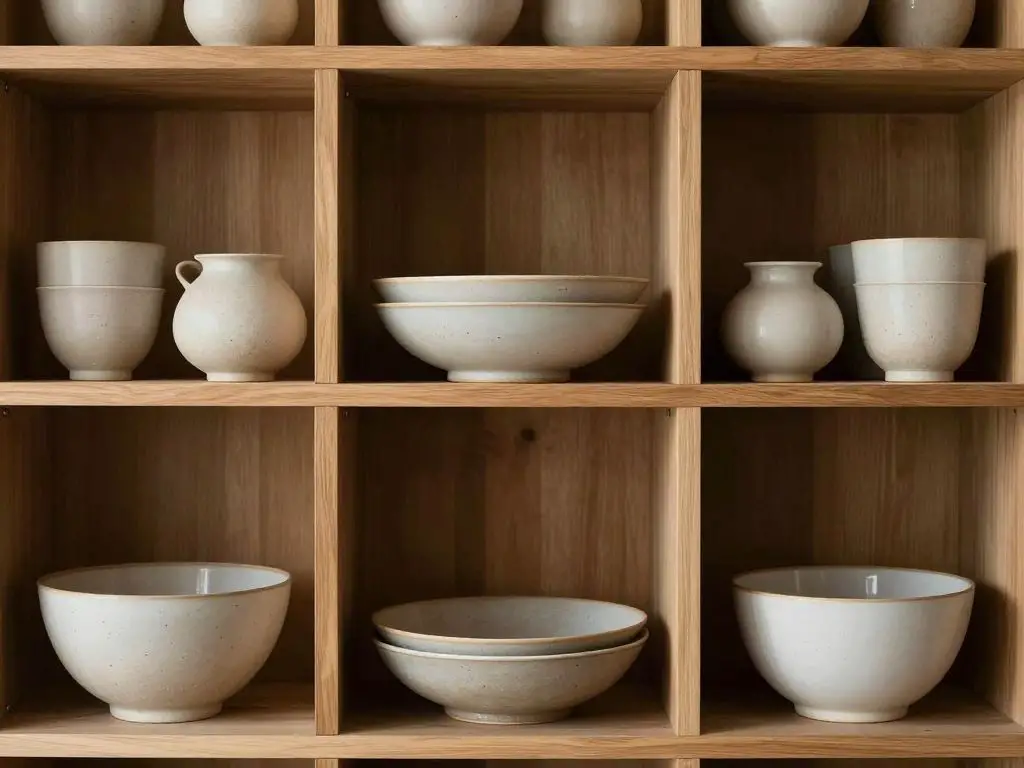
Nothing says Japandi quite like beautifully imperfect handcrafted ceramics. Instead of hiding your dishes in cabinets, display a curated collection of pottery on open shelving. This serves both functional and decorative purposes.
Choose pieces with organic shapes, matte finishes, and subtle color variations. Wabi-sabi philosophy celebrates imperfection, so those slightly asymmetrical bowls or plates with natural glaze variations are actually perfect for this style.
Keep your display intentionally sparse. A few well-chosen pieces make more impact than a crowded shelf. I rotate my favorites seasonally, which keeps the space feeling fresh without requiring a complete redesign.
4. Statement Pendant Lighting with Natural Materials
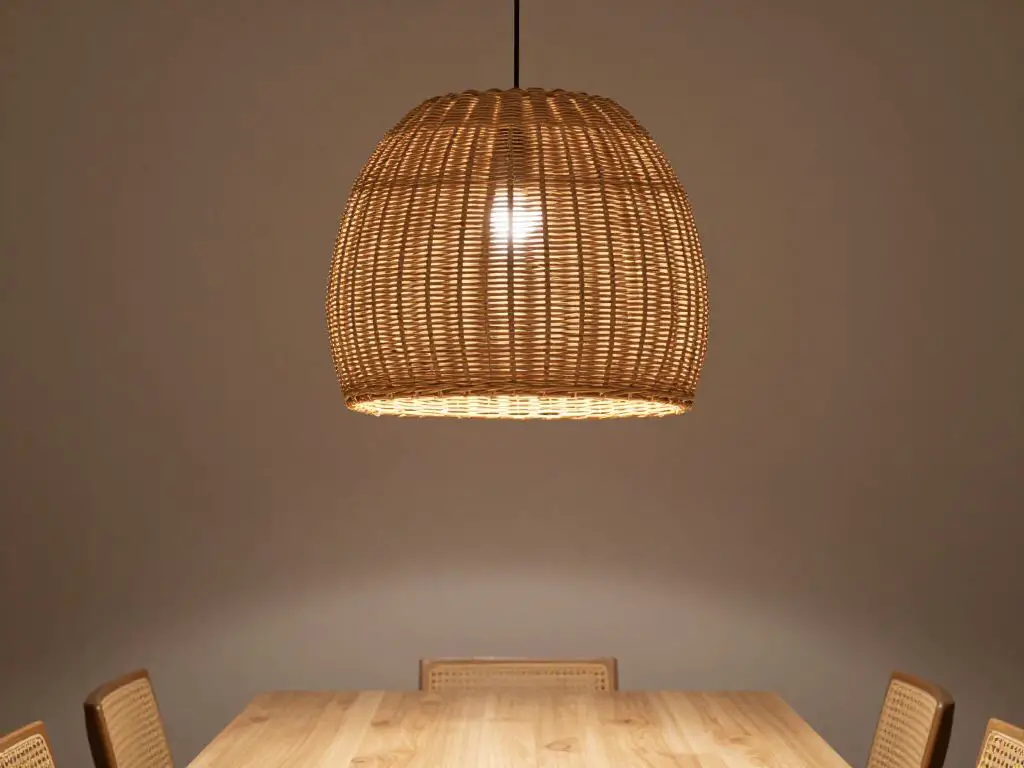
Lighting can make or break your minimalist dining style, and a single statement pendant light does wonders. Look for fixtures made from rattan, bamboo, woven paper, or natural linen that diffuse light softly across your dining table.
The sculptural quality of these lights adds visual interest to an otherwise simple space. I’m particularly drawn to spherical or cylindrical shapes that echo the organic forms found throughout Japandi design.
Hang your pendant low enough to create intimacy but high enough that it doesn’t obstruct conversation across the table. This creates a focal point that draws people together during meals.
5. Minimalist Open Shelving in Natural Wood
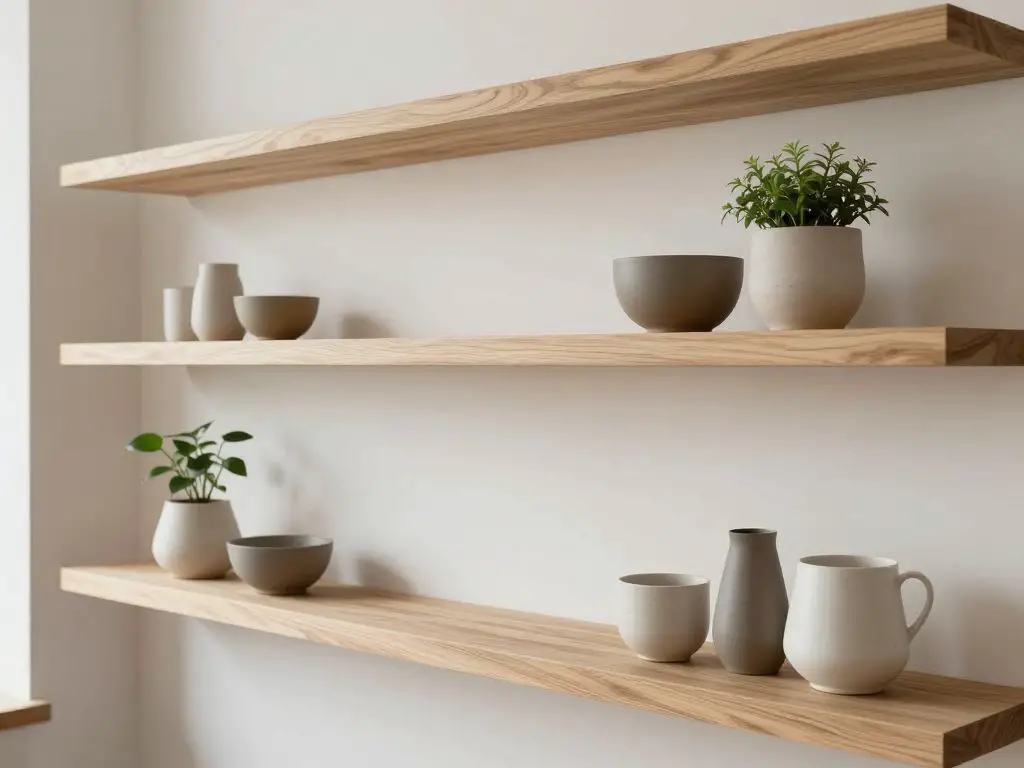
Open shelving embraces the Japandi principle of displaying only what you love and use regularly. Install simple floating shelves in the same wood tone as your dining table to create cohesion throughout the space.
Use these shelves to showcase your favorite serving pieces, a small plant, or a single piece of pottery. The key is negative space. Leave plenty of breathing room between objects so each item can be appreciated individually.
This approach forces you to be intentional about what you keep in your dining area, which naturally reduces clutter and visual noise. It’s surprisingly freeing to own less but display it beautifully.
6. Incorporate Living Greenery Thoughtfully
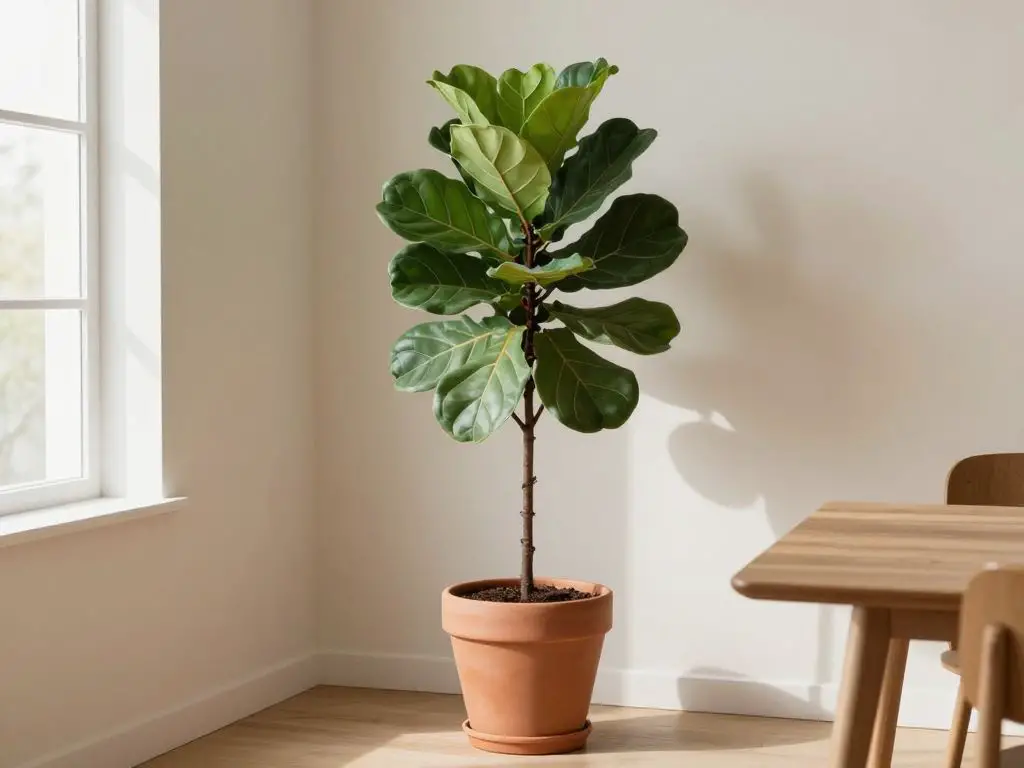
Plants bring life to a Japandi minimalist dining space without adding clutter. A single statement plant like a fiddle leaf fig or a simple bonsai tree can completely transform the energy of your dining room.
I prefer keeping plants in simple ceramic or terracotta pots that complement the neutral palette. Place them on the table as a centerpiece, on open shelving, or in a corner where they add height and visual interest.
Quality over quantity applies here too. One healthy, well-placed plant creates more impact than several struggling specimens scattered around. Choose low-maintenance varieties if you’re like me and sometimes forget to water.
7. Natural Fiber Textiles for Warmth
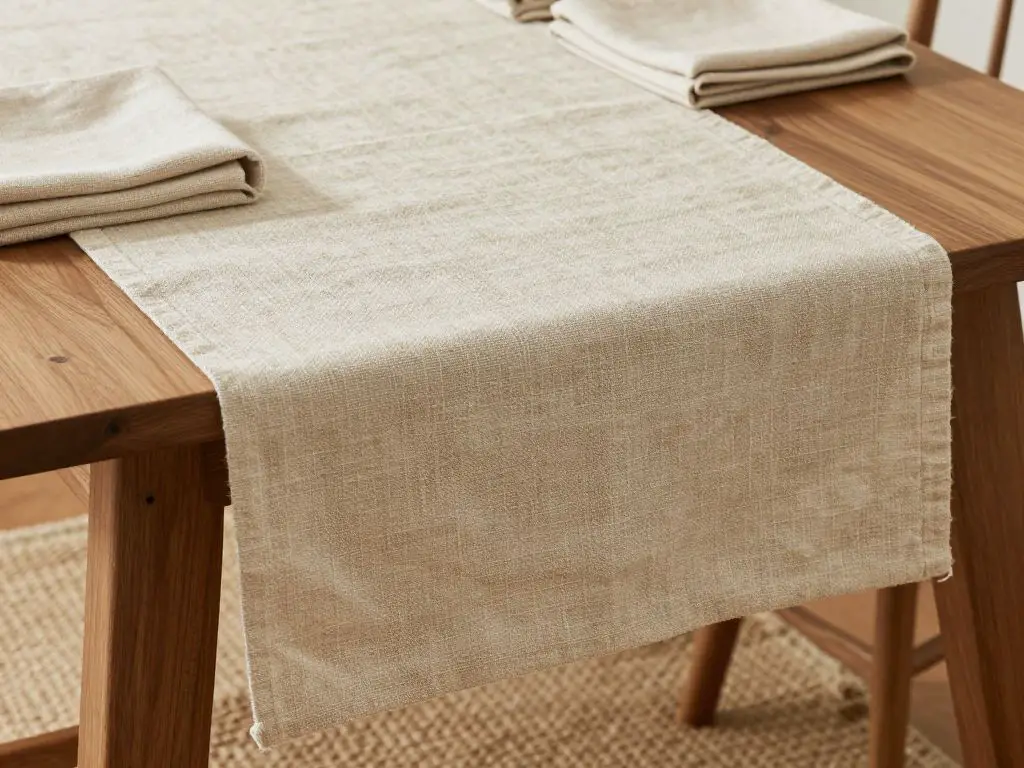
Texture is what prevents a dining room aesthetic minimalist from feeling cold or sterile. Layer in natural fiber textiles through linen table runners, cotton napkins, or a jute rug under your dining table.
These materials add warmth and tactile interest while staying true to the natural, organic aesthetic. I love how a simple linen runner in oatmeal or stone gray can soften a wooden table without covering its beautiful grain.
Keep patterns minimal or nonexistent. Solid colors or subtle textures work best in this style. The goal is to add coziness through material choice rather than busy prints or bold colors.
8. Streamlined Storage Solutions
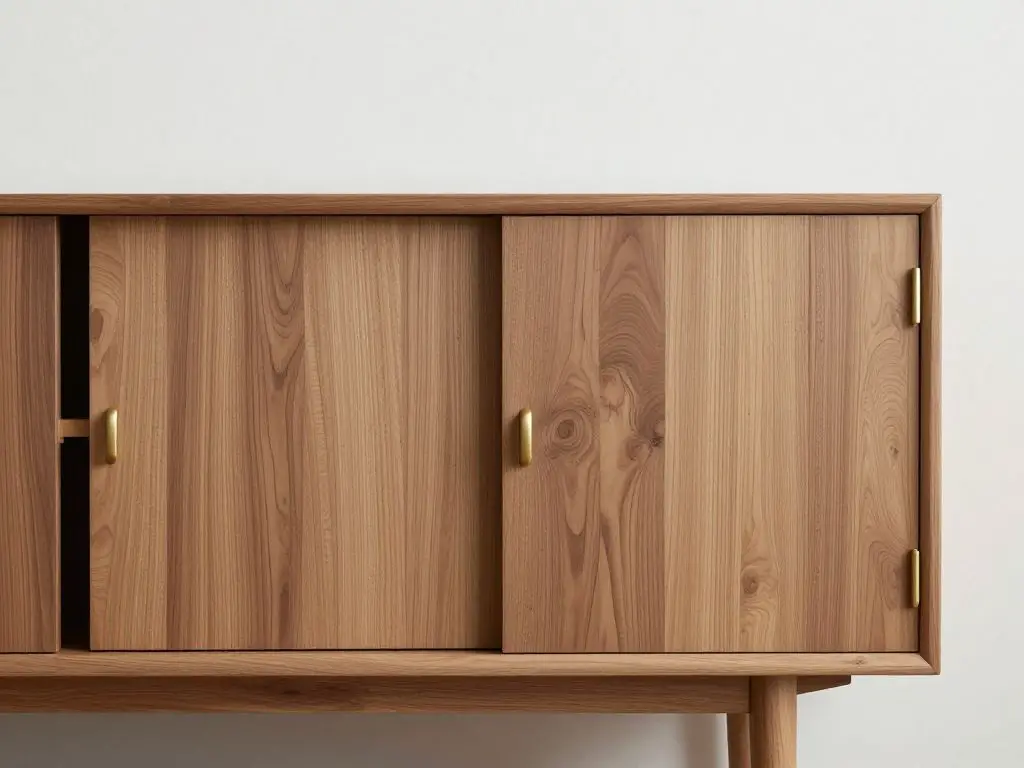
A peaceful dining space requires hidden storage for all the stuff that doesn’t deserve display status. Invest in a simple sideboard or credenza with clean lines and plenty of closed storage.
Choose pieces in natural wood with minimal hardware. Those sleek push-to-open cabinets maintain the uncluttered aesthetic while hiding table linens, extra dishes, and serving pieces you don’t use daily.
This is honestly a game-changer for maintaining that serene vibe. When everything has a designated home behind closed doors, keeping your dining area tidy becomes effortless rather than exhausting.
9. Embrace Negative Space and Simplicity
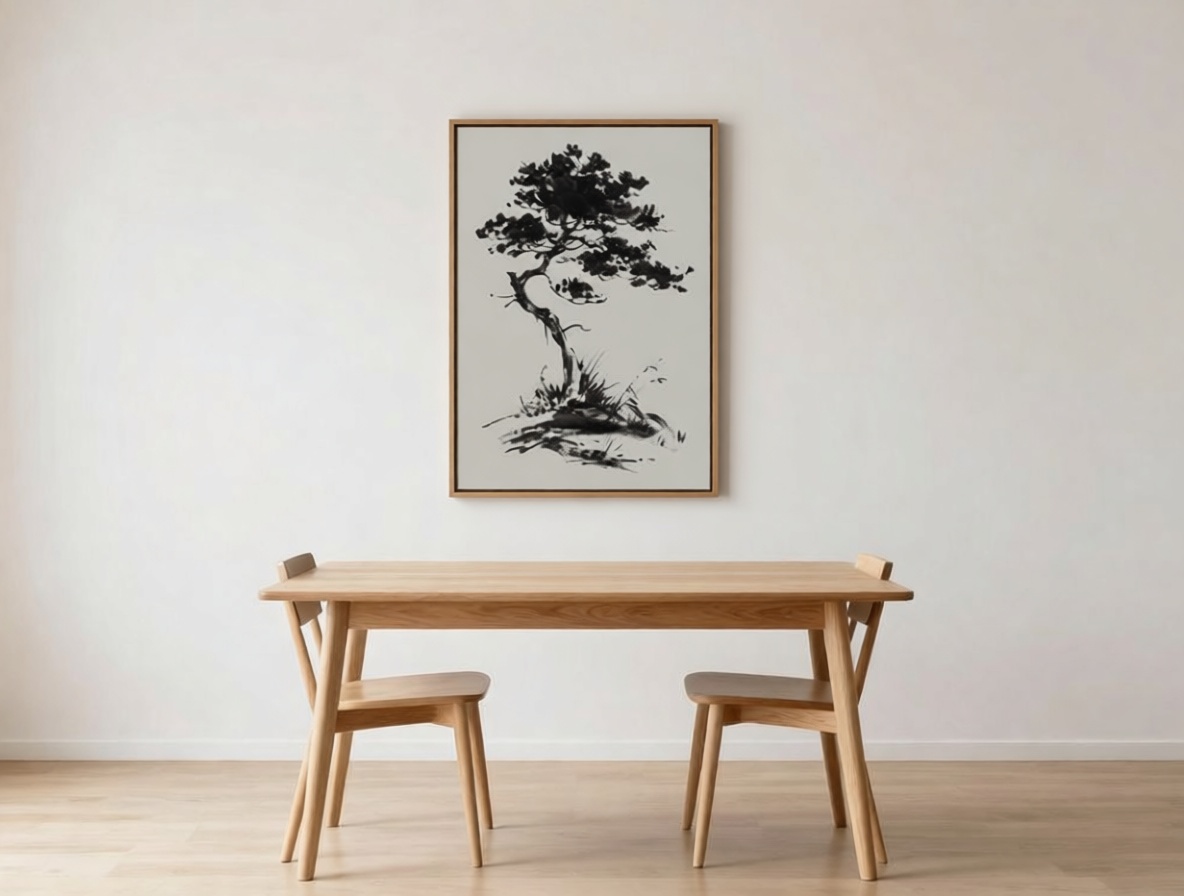
The most important element in any Japandi minimalist dining room is what’s NOT there. Negative space allows your eyes and mind to rest, creating that peaceful atmosphere you’re after.
Resist the urge to fill every corner or wall. Empty space is a design element, not a problem to solve. A simple dining setup with a table, chairs, and maybe one or two thoughtful accessories creates more tranquility than a fully decorated room ever could.
I’ve learned that editing is harder than adding. Regularly assess your dining space and remove anything that doesn’t serve a clear purpose or bring you genuine joy. This ongoing practice keeps the space feeling fresh and intentional.
Creating a Japandi minimalist dining space is about more than following design trends. It’s about crafting an environment that supports mindful living and peaceful mealtimes. These nine inspiration ideas give you a solid foundation, but the real magic happens when you adapt them to fit your unique lifestyle and preferences. Start with one or two elements that resonate most with you, and build from there. Your peaceful dining sanctuary is waiting.