
Ever look around your home and think, “Why do I own so much stuff?”
I’ve had that exact moment more times than I can count. One day you open a drawer, and suddenly you realize half the things inside don’t even matter to you anymore. That’s when the idea of a minimalist lifestyle starts to feel really appealing.
Here’s the good news: you don’t need to throw away everything you own or move into a tiny house tomorrow. Minimalism starts with small, realistic steps.
So if you want a simpler life with less clutter and more clarity, these 12 realistic ways to start living a minimalist lifestyle today will help you begin.
1. Start With One Small Space
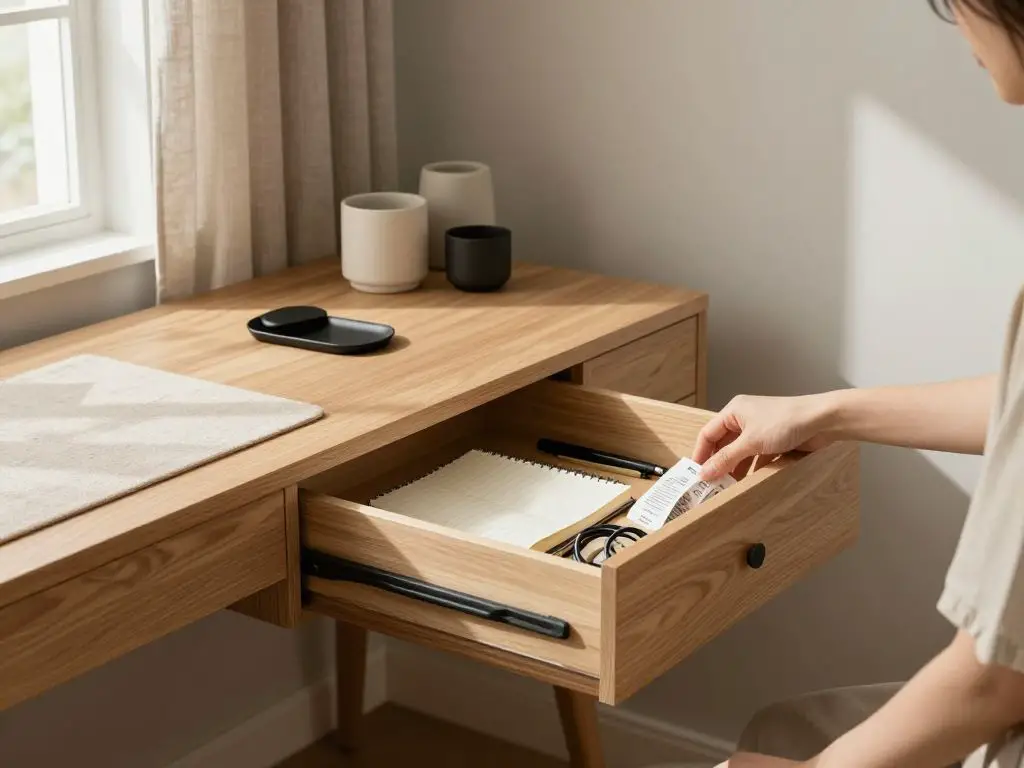
A lot of people try to declutter their entire house in one weekend. Trust me—that almost never works.
Instead, pick one small space like:
-
A single drawer
-
Your nightstand
-
One shelf
-
Your backpack or handbag
When I first tried minimalism, I started with my desk drawer. I found old receipts, broken pens, and cables for devices I didn’t even own anymore :/.
Small wins build momentum. Once you see how good a clean space feels, you naturally want to keep going.
2. Use the “Do I Actually Use This?” Rule
Minimalism doesn’t mean owning nothing. It means owning things that truly matter or serve a purpose.
Whenever you pick up an item, ask yourself one simple question:
“Do I actually use this?”
If the answer is no, consider letting it go.
Here’s a simple rule you can follow:
-
Used it in the last 6–12 months → keep it
-
Haven’t used it at all → donate or sell it
Sounds obvious, right? But when you apply this rule honestly, your home starts to feel lighter almost instantly.
3. Stop Buying “Just in Case” Items
Let’s be honest. Many of us buy things “just in case.”
Just in case we need it someday.
Just in case we might use it.
Just in case we regret not having it.
But guess what usually happens? The item sits in a drawer for years.
Minimalists flip this mindset. They ask:
“Can I buy this later if I really need it?”
In most situations, the answer is yes.
So next time you feel tempted to buy something unnecessary, pause for a second. Waiting 24 hours before purchasing often saves money and reduces clutter.
4. Create a Simple Capsule Wardrobe
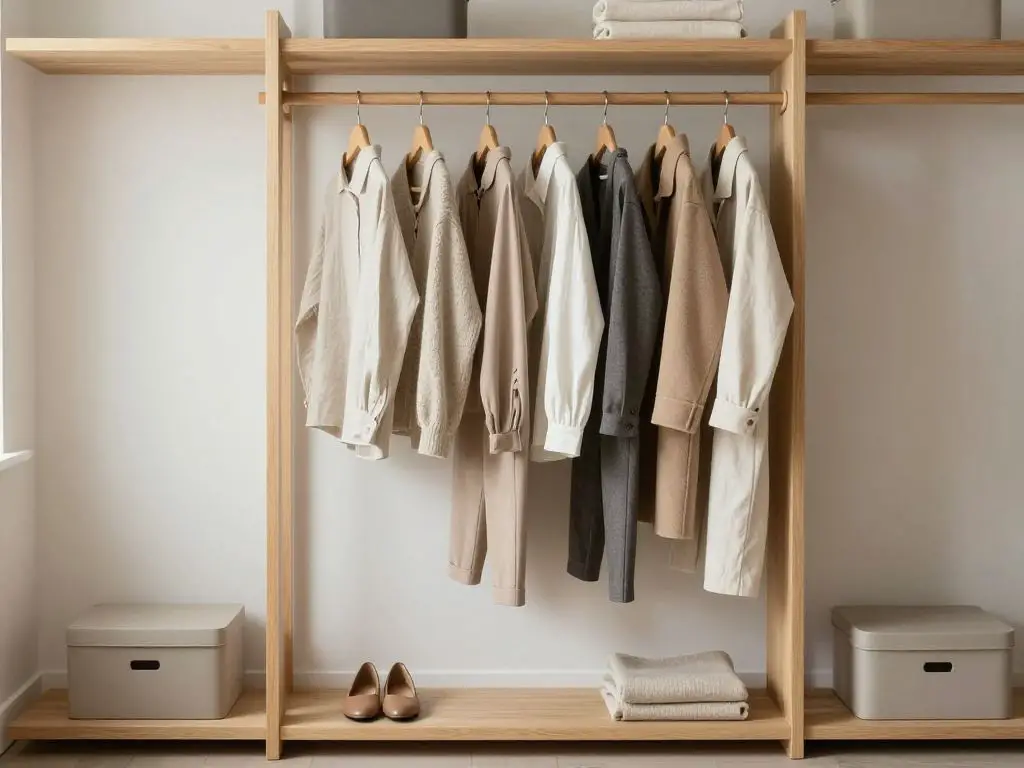
Your closet often holds one of the biggest sources of clutter.
Ever notice how people wear the same few outfits over and over? I definitely do. My wardrobe used to overflow, yet I rotated maybe 20% of it.
A capsule wardrobe solves that problem.
Basic capsule wardrobe example
You might keep:
-
5–7 everyday shirts
-
2–3 jackets
-
3 pairs of pants or jeans
-
1–2 dress outfits
-
Comfortable shoes for daily wear
The goal isn’t strict numbers. The goal is owning clothes you actually enjoy wearing.
FYI: Getting dressed becomes ridiculously easy when your wardrobe stays simple.
5. Declutter Digital Clutter Too
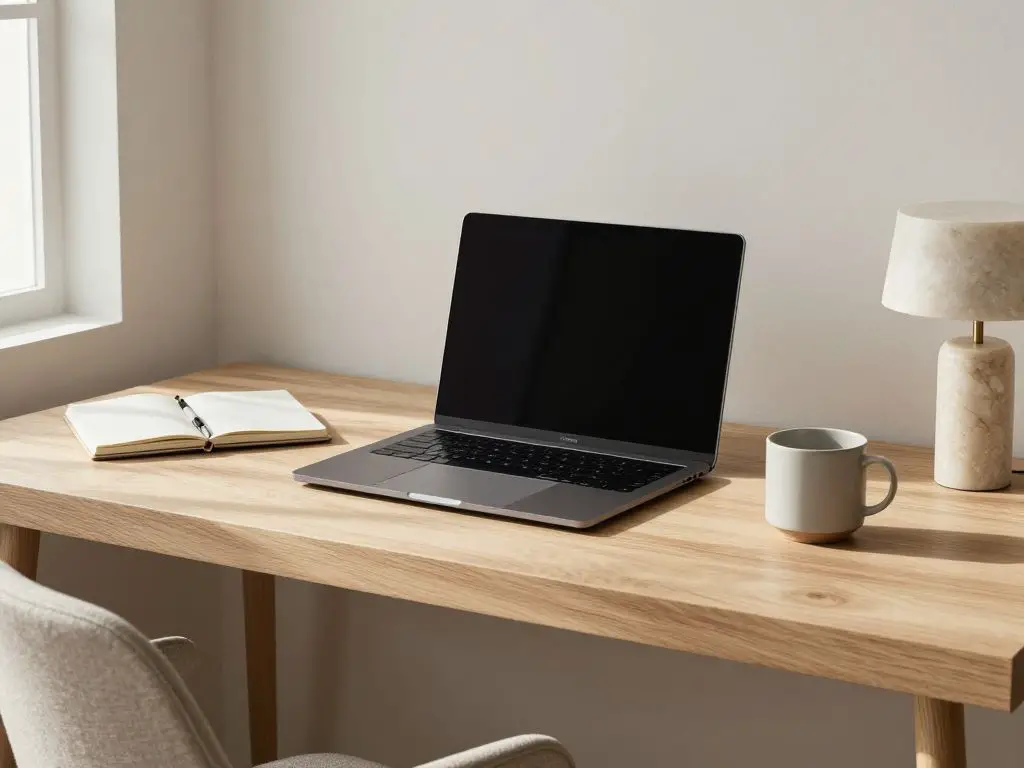
Minimalism doesn’t stop at physical stuff.
Think about how much digital clutter we accumulate:
-
Thousands of photos
-
Unread emails
-
Apps you never open
-
Random files on your computer
Ever open your phone and feel overwhelmed? Yeah, me too.
Try these quick digital decluttering steps:
-
Delete unused apps
-
Unsubscribe from useless emails
-
Organize files into folders
-
Remove duplicate photos
A cleaner digital space creates a surprisingly calm mental state.
6. Focus on Quality Instead of Quantity
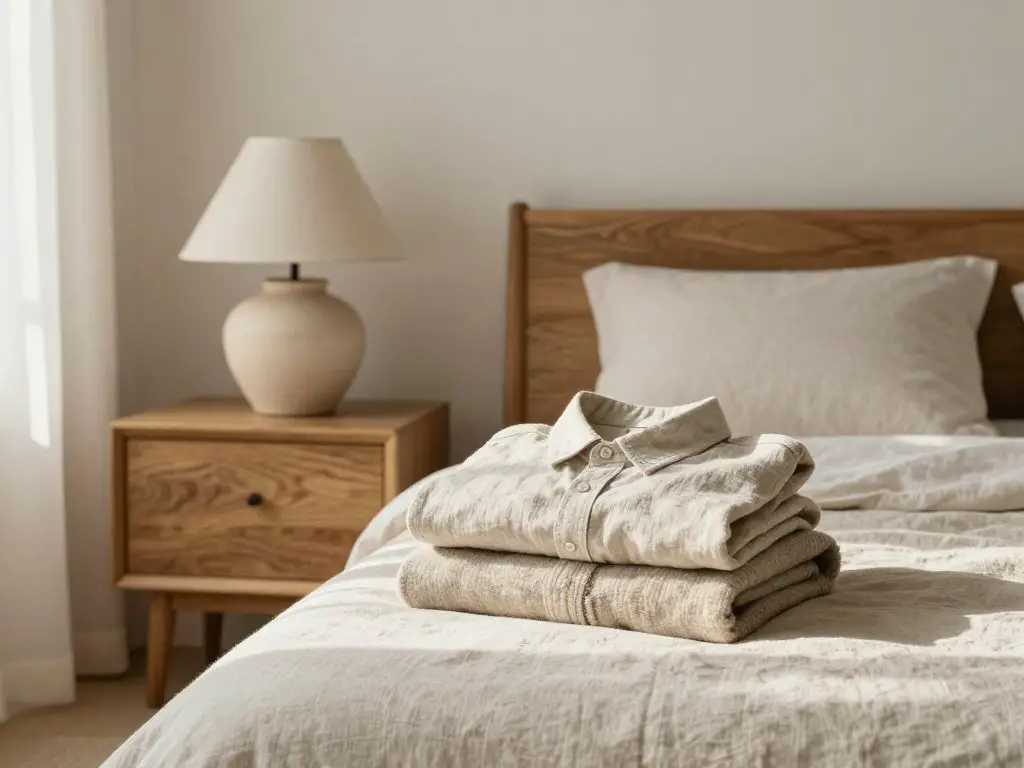
Minimalism doesn’t mean buying cheap things. In fact, it often means buying fewer but better items.
For example, instead of owning:
-
10 low-quality shirts
You might own:
-
3 high-quality shirts you love wearing
IMO, this shift changes everything.
When you focus on quality, you start to appreciate your possessions more. You also reduce waste and unnecessary spending.
7. Follow the One-In, One-Out Rule
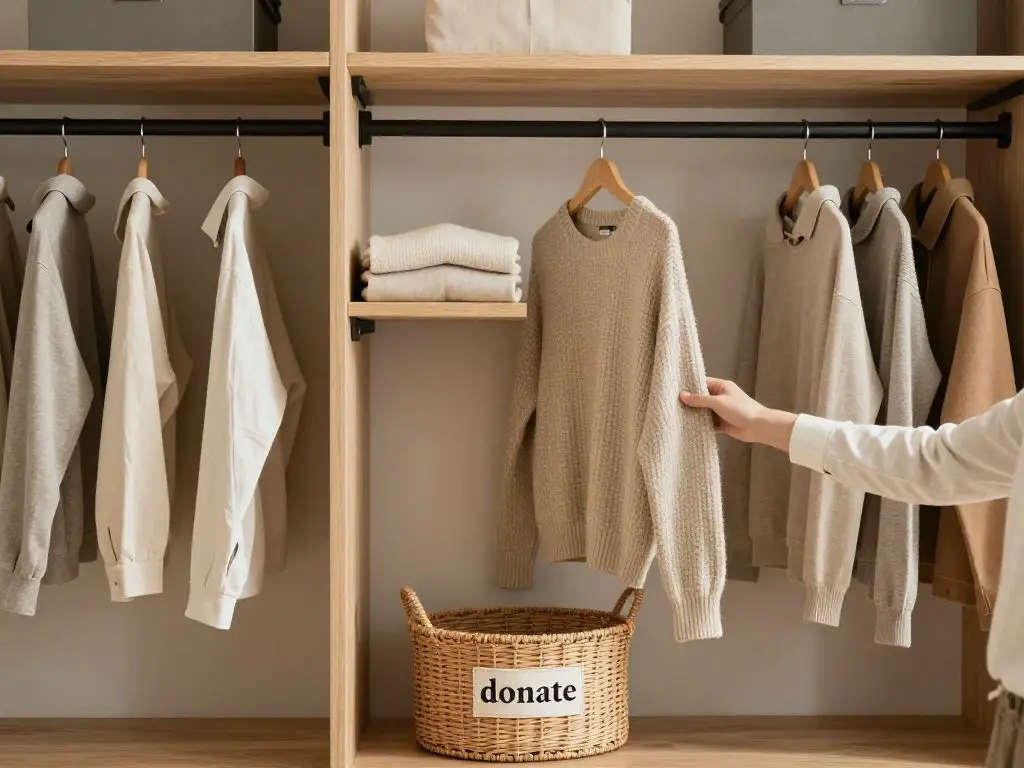
Here’s one of the simplest minimalist habits you can adopt today.
Whenever you bring something new into your home, remove something old.
Example:
-
Buy a new shirt → donate one shirt
-
Buy a kitchen gadget → remove an unused one
This rule prevents clutter from building again.
Think of it as a maintenance system for minimalism.
8. Reduce Visual Clutter in Your Home
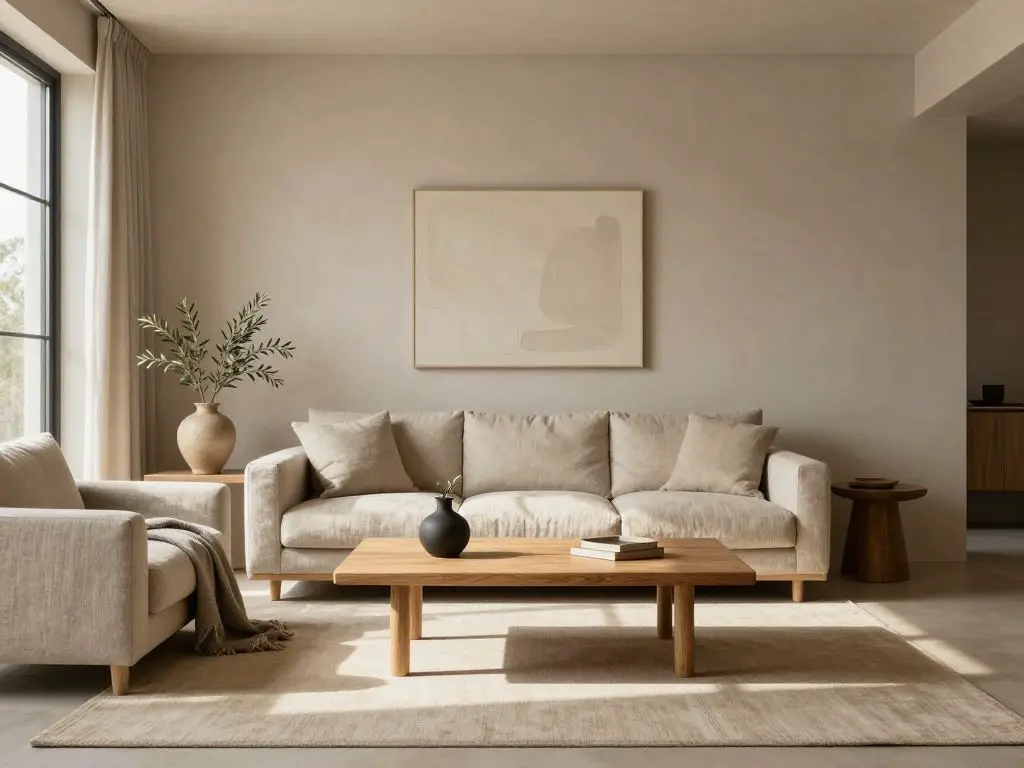
Even when a room technically stays organized, too many objects can still feel overwhelming.
Minimalist homes often focus on visual simplicity.
Try these small changes:
-
Clear countertops
-
Keep surfaces mostly empty
-
Limit decorative objects
-
Choose neutral colors and simple designs
You don’t need a magazine-perfect home. Just aim for calm and breathable spaces.
Ever notice how relaxing hotel rooms feel? That’s the power of minimal design.
9. Practice Intentional Shopping
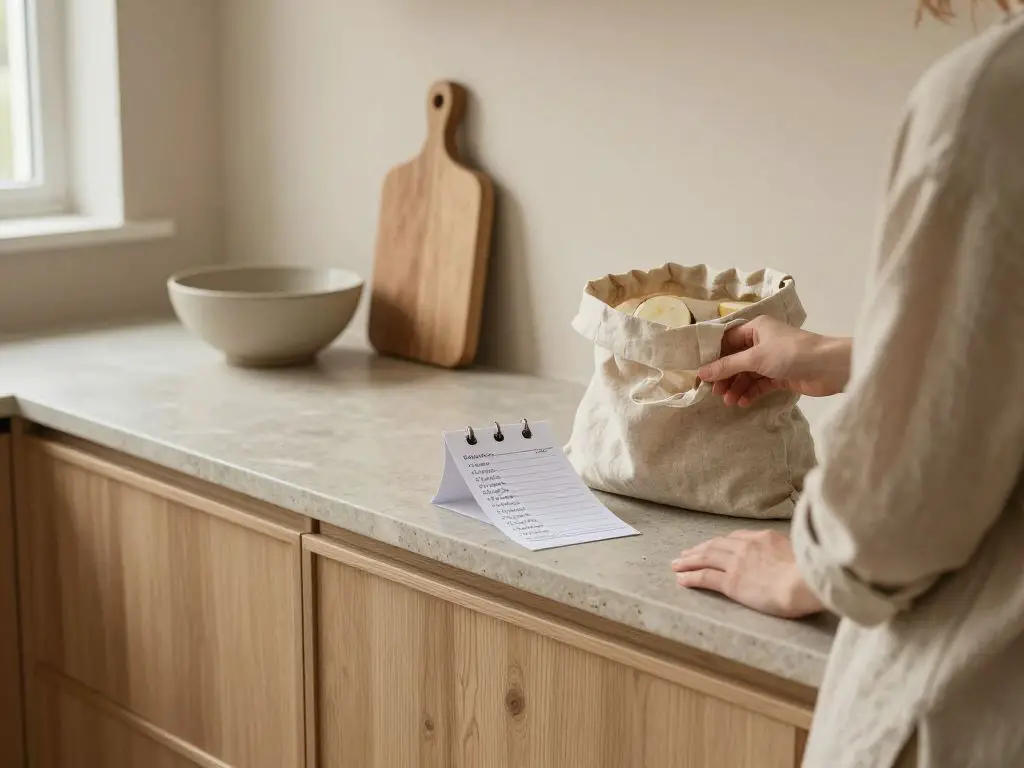
Minimalists don’t avoid shopping completely. They simply shop with intention.
Before buying something, ask yourself:
-
Do I truly need this?
-
Will I use it regularly?
-
Does it replace something I already own?
If the answer stays unclear, wait a few days.
Most impulse purchases disappear once the excitement fades.
Intentional shopping protects both your space and your wallet.
10. Let Go of Sentimental Clutter Carefully
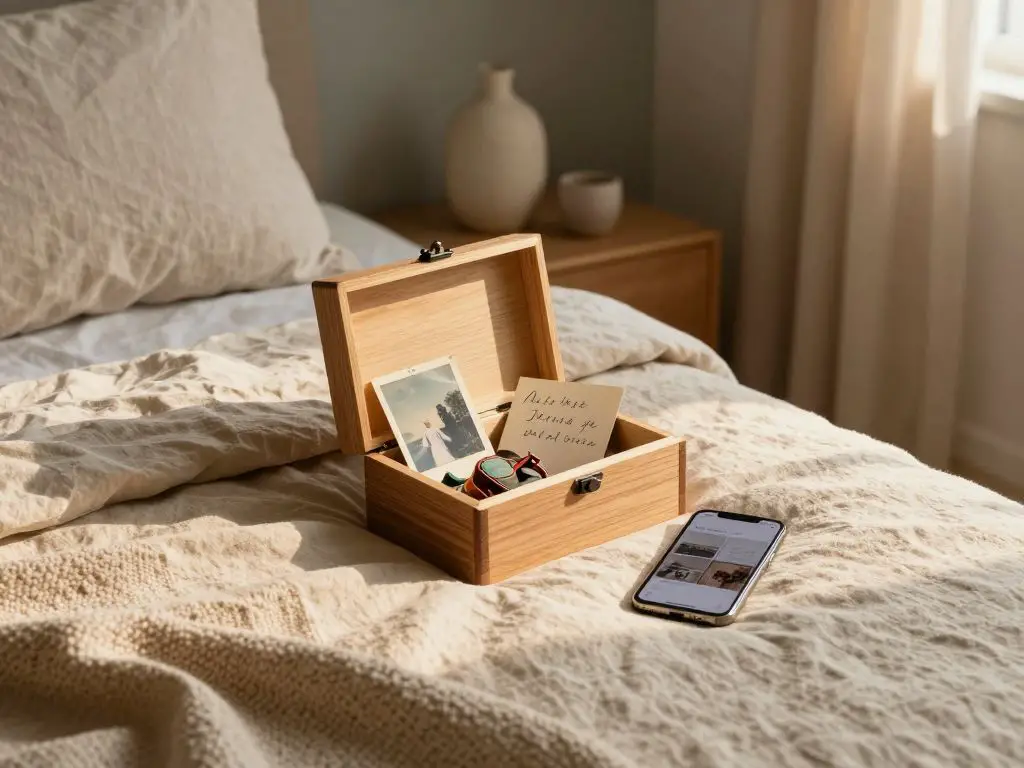
Sentimental items often cause the biggest struggle.
Old gifts. Childhood items. Travel souvenirs.
These objects carry memories, but they also take up space.
Instead of keeping everything, try this approach:
-
Keep a few meaningful items
-
Photograph the rest before letting them go
-
Create a small memory box
The memories stay with you even when the objects disappear.
Minimalism never asks you to erase your past—it simply asks you to keep what truly matters.
11. Replace Stuff With Experiences

One of my favorite minimalist shifts involves spending money on experiences instead of objects.
Think about it.
Which memories last longer?
-
Buying another gadget
-
Traveling somewhere new
-
Spending time with family
-
Trying a new hobby
Experiences create stories, not clutter.
Minimalism often leads people toward a more intentional and meaningful lifestyle.
12. Focus on What You Gain, Not What You Lose
A lot of people fear minimalism because they think it means giving things up.
But in reality, minimalism gives you more.
You gain:
-
More space
-
More clarity
-
More time
-
Less stress
-
Less cleaning
When I started decluttering, I noticed something surprising.
I didn’t miss the stuff I removed. Instead, I enjoyed the freedom and simplicity that replaced it.
Final Thoughts
Starting a minimalist lifestyle doesn’t require a dramatic life overhaul. You don’t need to sell everything you own or follow strict rules.
Just begin with small, realistic steps.
Clear one drawer.
Donate a few items.
Pause before buying something new.
Over time, those small actions create a home—and a life—that feels lighter and more intentional.
And honestly? Once you experience that calm simplicity, you might wonder why you didn’t start sooner 🙂