
Ever felt overwhelmed by plastic in your trash? I did, and it changed my habits. Finding a sustainable path is rewarding but not easy.
Seeing less waste at home is motivating. I’m here to guide you on this journey with confidence.
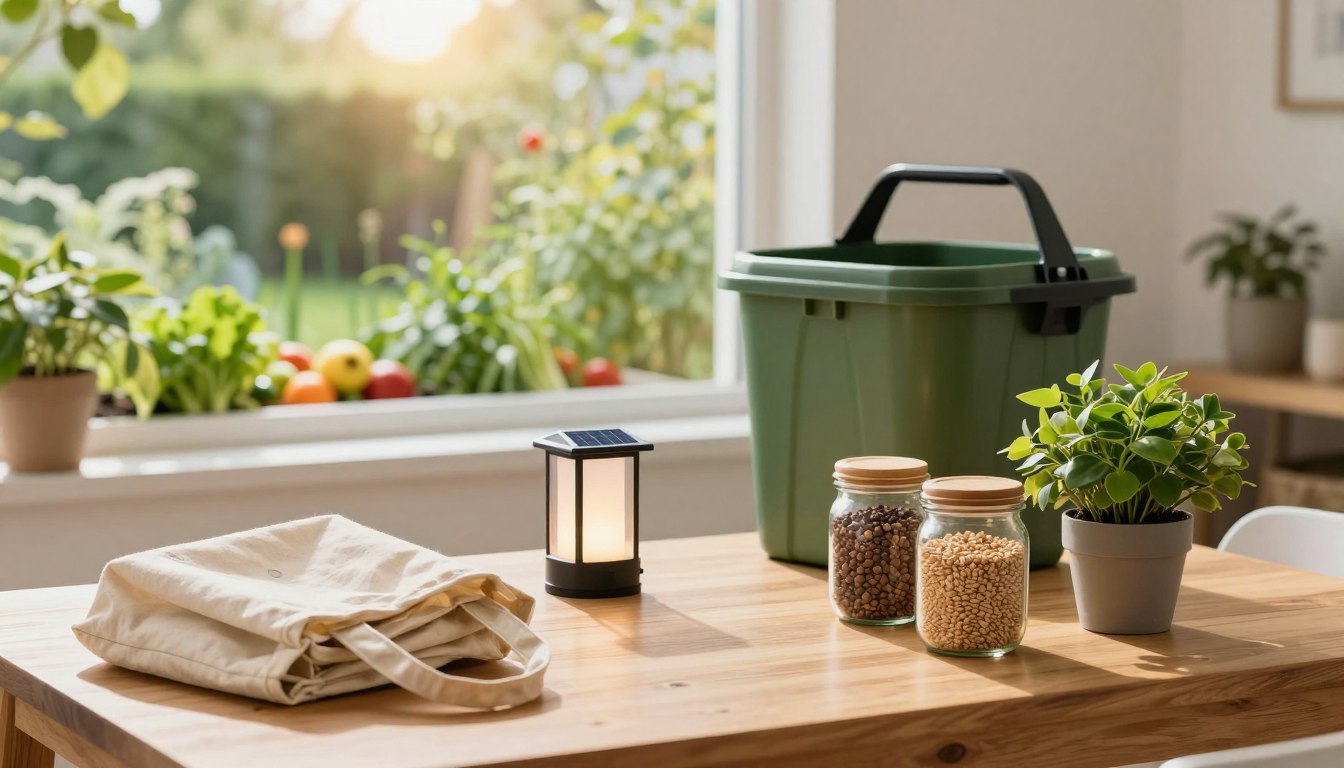
In this guide, I’ll share my top sustainable living tips. These tips will help you reduce waste and make a big difference over time.
Using glass containers and avoiding single-use items are key. These small changes lead to big wins in low-waste living.
You don’t need to be perfect to make a difference. Let’s look at how these ten steps can help our planet today.
Why I Believe Low-Waste Living Matters More Than Ever
Low-waste living is more important than ever today. Our planet is being polluted fast, showing we need eco-friendly practices now. Making smart choices every day can really reduce our carbon footprint.
The waste problem is huge. Landfills are full, and oceans are filled with plastic, harming sea life and our food. By choosing low-waste living, we can help fix this. Simple steps like using less plastic, composting, and recycling can make a big difference.
For me, low-waste living has cut down my environmental harm and brought me closer to others. Sharing tips and stories with others is very rewarding. We can all inspire each other to live more sustainably and help our planet.
By focusing on low-waste living, we can secure a better future for all. It’s a journey that needs dedication and creativity. But the rewards are worth it. Every small change we make adds up, and together, we can make a big reduction in carbon footprint.
1. Start with a Waste Audit to Understand Your Impact
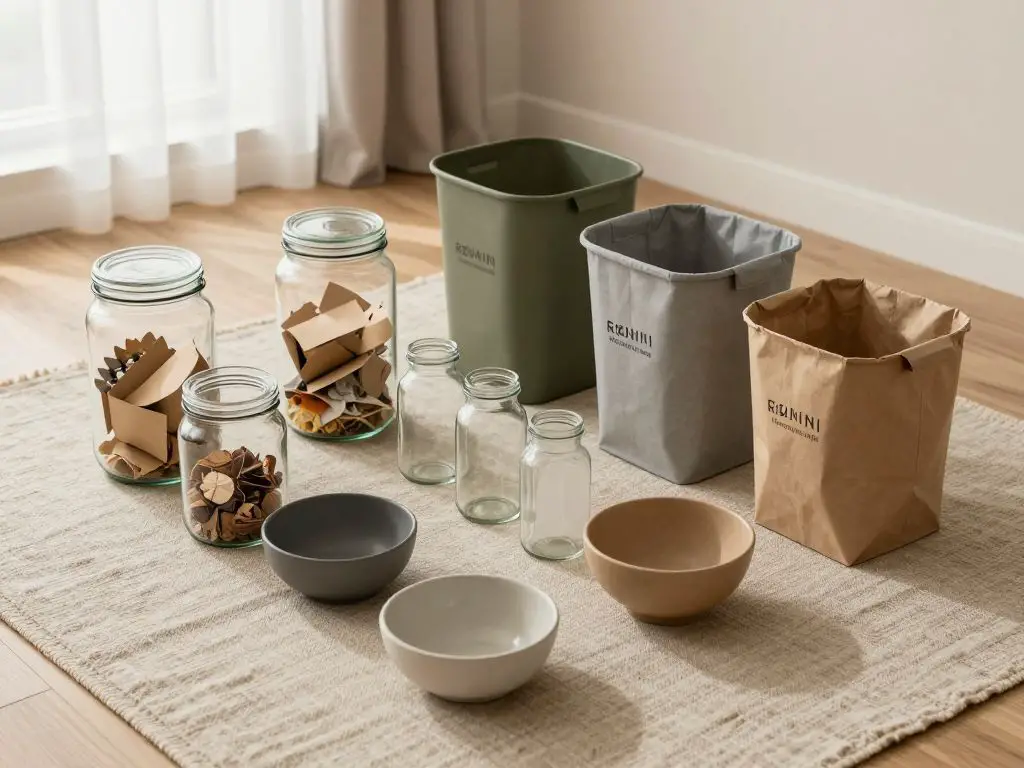
The path to a zero waste lifestyle begins with a waste audit. This simple step reveals what you throw away. It helps you find ways to reduce waste.
To start, collect all your trash and recyclables for a week. Sort them into categories like paper, plastic, glass, and food waste. This step can be eye-opening, showing you how much waste you generate and where you can make changes.
After sorting, note the types and amounts of waste. Think about products or packaging you use often. Look for alternatives that reduce waste, like reusable bags and containers.
Understanding where your waste comes from is also key. Is it from your kitchen, bathroom, or office? Knowing this helps you focus your efforts. For example, if food packaging is a big problem, buy in bulk or choose products with less packaging.
By doing a detailed waste audit, you can make real changes in your life. This process helps you see your impact and makes you ready to make sustainable choices.
2. Embrace Reusable Alternatives in Your Daily Routine
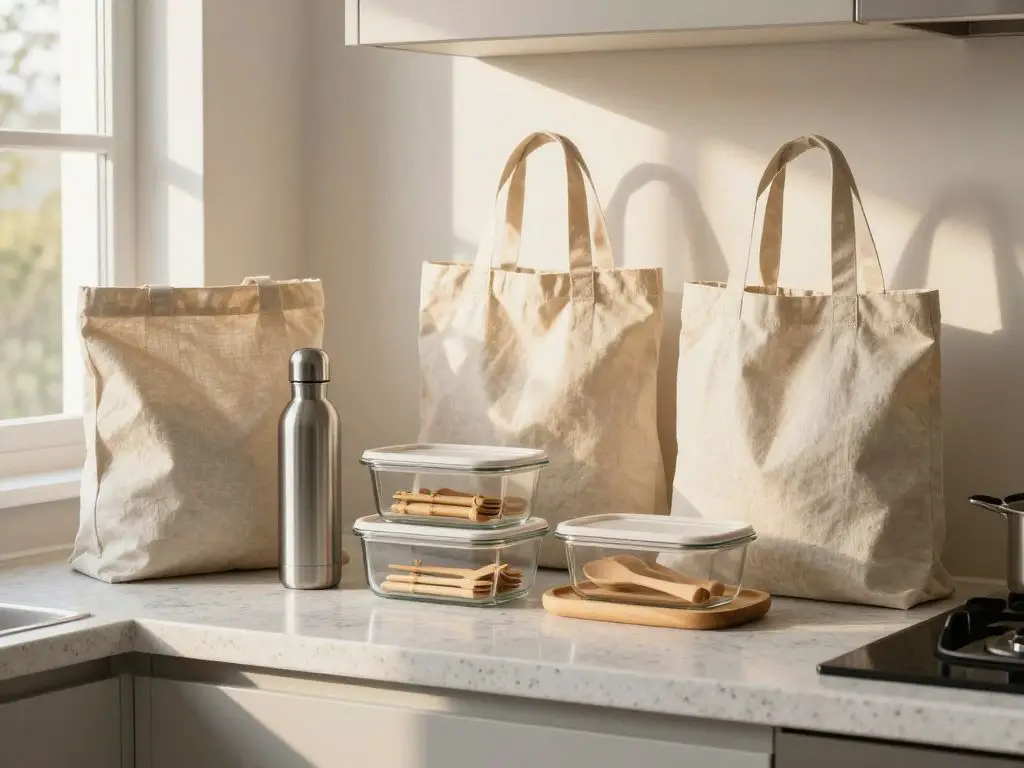
Switching to reusable products was a big step for me towards a greener lifestyle. It has cut down my waste and inspired others to follow suit.
Start with simple items like bags, water bottles, and straws. Reusable bags are great for shopping and carrying other things. I always have a few in my car and purse.
Choosing a reusable water bottle has been a big help. It saves money and cuts down on plastic waste. There are many stylish options out there.
Using metal or bamboo straws is another easy change. It makes a big difference, whether you’re out or at home. Many places offer alternatives, but it’s smart to bring your own.
Adopting reusable items is more than just reducing waste. It’s about being more mindful of what we buy. By choosing durable products, we help reduce the need for single-use plastics and live more sustainably.
- Start with small changes, like switching to reusable bags or water bottles.
- Explore different products and find what works best for you.
- Make it a habit to carry your reusable items with you.
By adding these sustainable home solutions to our daily lives, we can greatly reduce our impact on the environment. This helps us move towards a more sustainable future.
3. Master the Art of Mindful Shopping
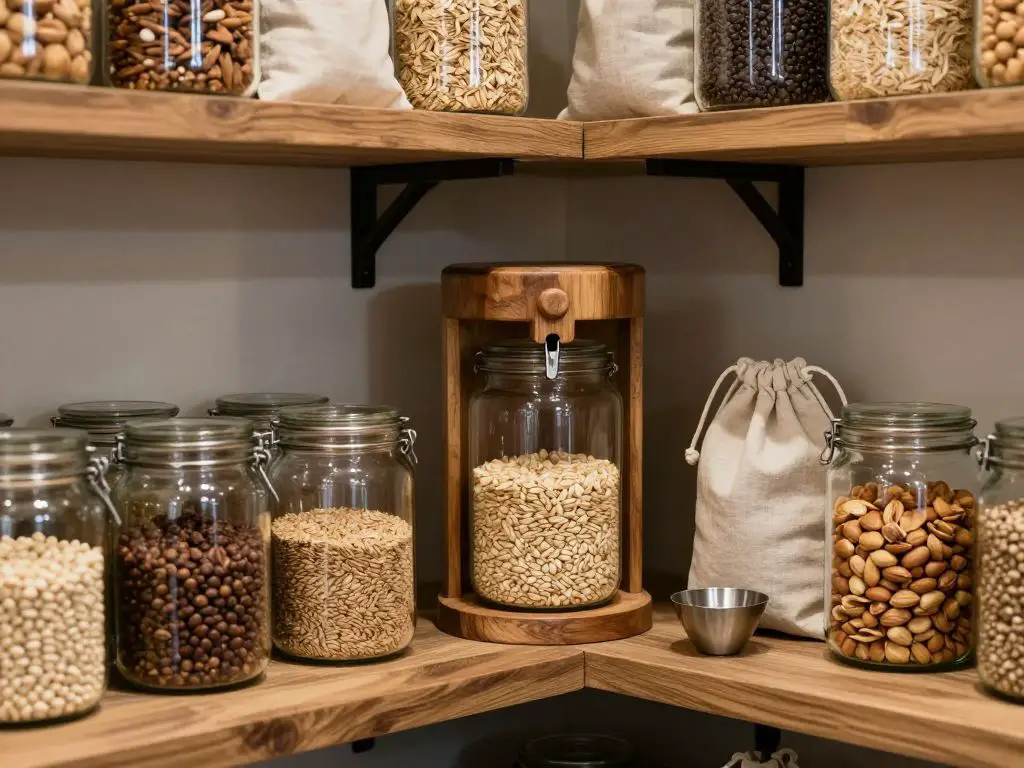
Reducing waste starts with being mindful of our shopping habits. As I exploreminimalism practicesandsustainable living tips, I’ve learned that what we buy matters a lot. It can greatly affect our environmental impact.
Mindful shopping is more than just buying less. It’s about choosing wisely, based on our values and what we really need. Start by making a shopping list before you go. This helps you avoid buying things on impulse and stay focused on what you need.
Buying in bulk is another smart move. Getting items like nuts, grains, and cleaning supplies in bigger amounts cuts down on packaging waste. As a famous environmentalist once said, “The biggest adventure you can take is to live the life of your dreams.” For me, that means reducing waste, just like many others believe.
“The earth has enough for everyone’s need, but not enough for everyone’s greed.” Buying in bulk helps us meet our needs without being greedy.
It’s also important to choose products with little or biodegradable packaging. When shopping, I look for items in recyclable or reusable containers. This not only cuts down on waste but also supports companies that care about the planet.
Practical Tips for Mindful Shopping
- Plan your shopping trips and make lists to avoid impulse buys.
- Buy in bulk to reduce packaging waste.
- Choose products with minimal or biodegradable packaging.
- Support local and sustainable brands.
By following thesesustainable living tips, we can make a big difference. Mindful shopping is a journey, and every small step we take helps.
4. Transform Your Kitchen into a Zero-Waste Zone
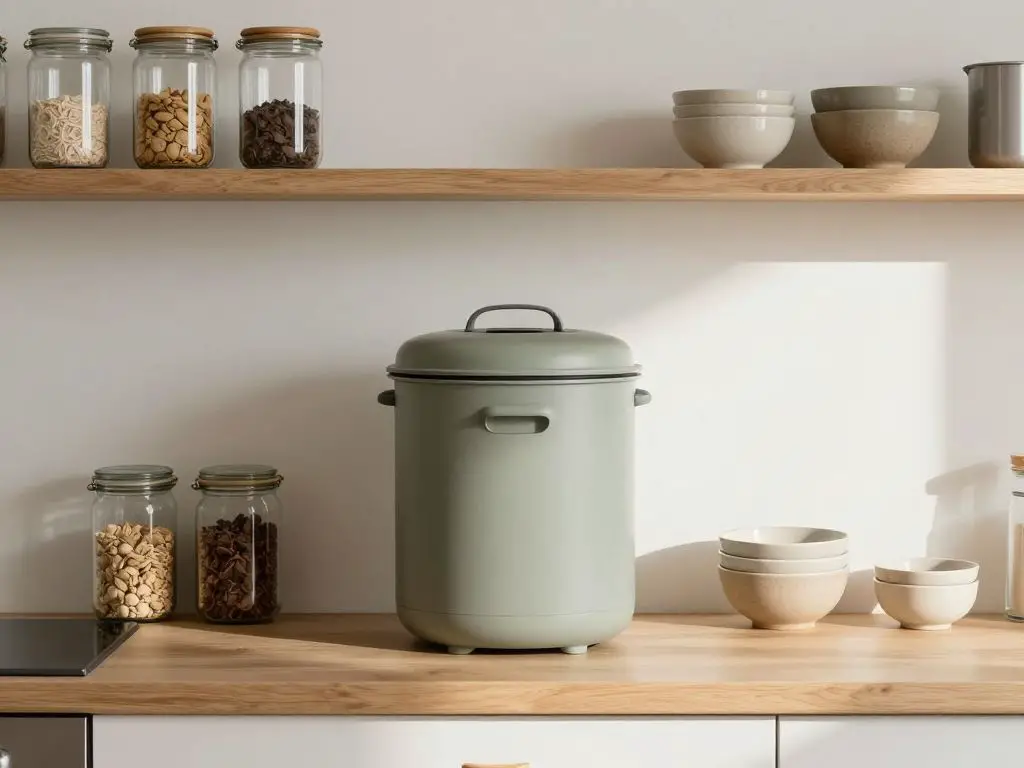
Starting my zero-waste journey, I saw the kitchen as a key area for change.
The kitchen is often a big source of waste. This includes food packaging, disposable utensils, and food itself. But, with a few simple steps, you can lessen your kitchen’s impact on the environment.
Meal Planning: The First Step
Meal planning is a great way to cut down on kitchen waste. It helps you avoid buying too much food that might spoil. I plan my meals for the week, making a list of what I need and sticking to it at the store.
Using reusable containers and bags for food is also key. This move can greatly reduce plastic waste from single-use packaging.
Composting: Turning Waste into Resource
Composting turns food waste into something good for your garden. It reduces landfill waste and makes soil rich for plants.
To compost, you need a bin and a mix of “green” and “brown” materials. Green materials are food scraps and grass clippings. Brown materials are dried leaves and shredded paper. The right mix is essential for good composting.
By adopting these kitchen changes, you can help the environment. It’s about making small changes that make a big difference.
5. Adopt Low-Waste Living Through Secondhand Shopping
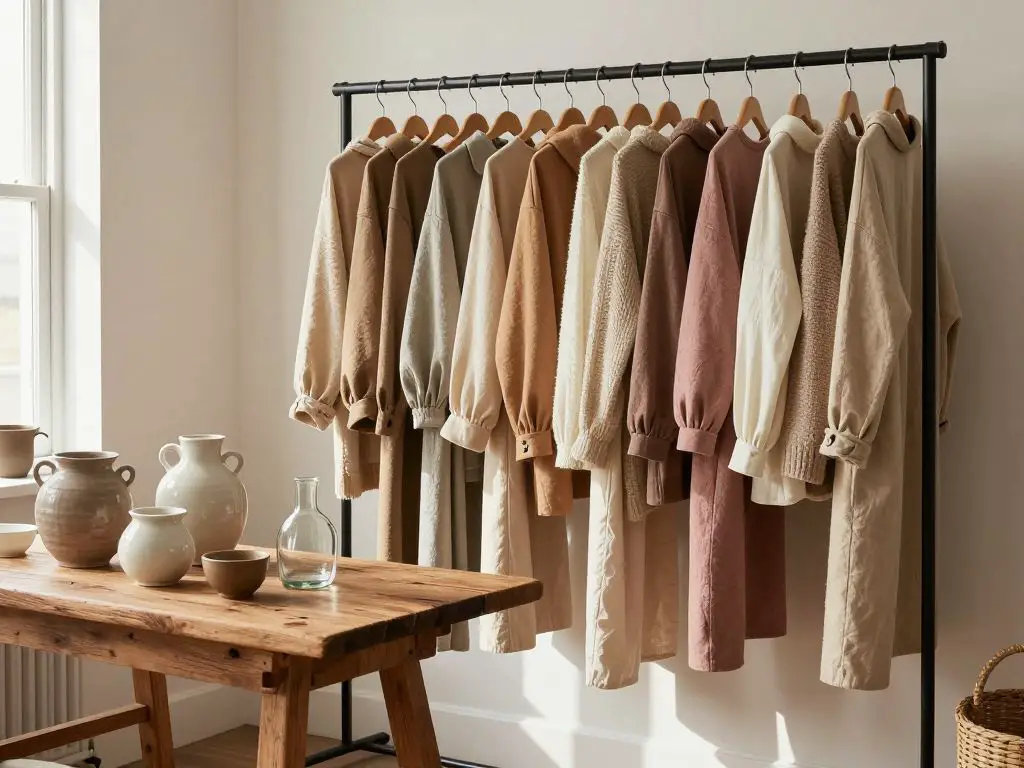
Exploring low-waste living, I found secondhand shopping to be incredibly beneficial. It’s a simple way to cut down on waste by giving old items a new life. Secondhand shopping reduces the need for new, resource-heavy products. It also lets you refresh your home and wardrobe in a unique and exciting way.
Secondhand shopping greatly reduces waste. By opting for secondhand, you help cut down landfill waste. It also saves resources needed for making new items. This shopping method is key to sustainable home solutions.
Where can you find quality secondhand items? Look online and offline. Local thrift stores, charity shops, and sites like eBay and Craigslist are good starts. You can also check out specialized stores for furniture or clothes. Often, you’ll find high-quality, gently used items that just need a little care.
Making secondhand shopping a part of your life is easier than you think. Begin by finding areas where you can buy less new. Look for secondhand clothes, furniture, or home items. Regularly visiting thrift stores or online marketplaces can make it a natural part of your low-waste journey.
Here are some tips for better secondhand shopping:
- Check items well before buying to make sure they’re in good shape.
- Don’t hesitate to negotiate prices, even at local stores or garage sales.
- Think about how you can repurpose or upcycle items.
Using these tips can improve your secondhand shopping and help you live more sustainably.
Embracing secondhand shopping is a journey that’s good for the planet and your personal style. It’s about making choices that reflect your values and help create a greener future.
6. Create Your Own Natural Cleaning and Personal Care Products
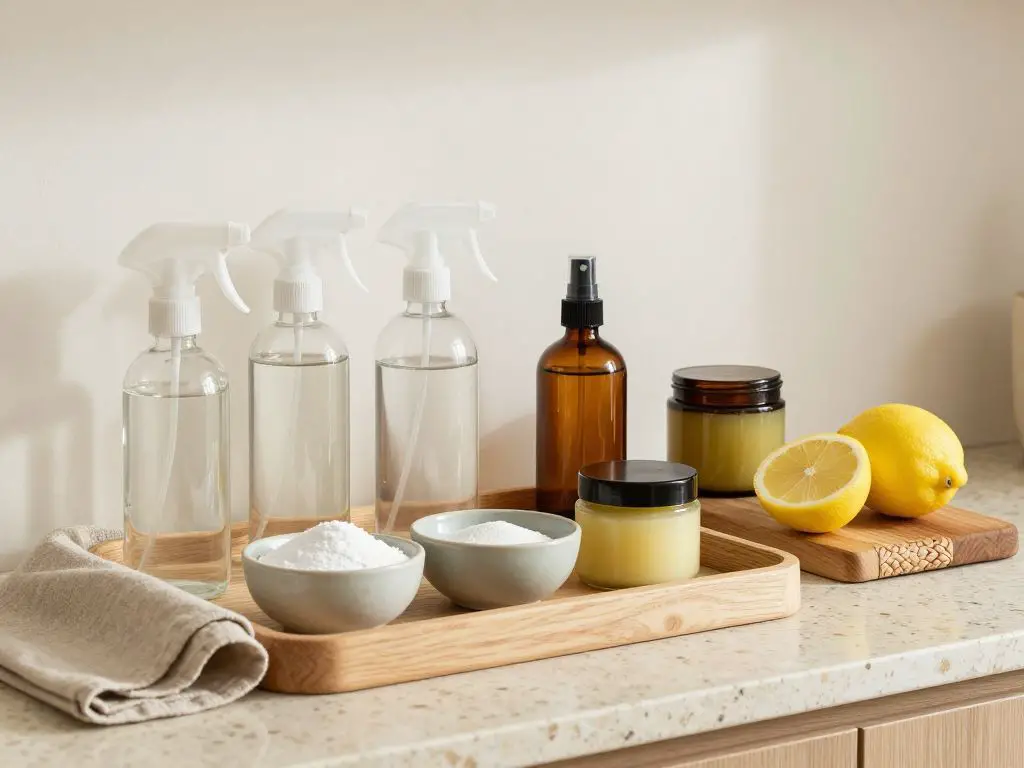
By making my own natural cleaning and personal care products, I’ve cut down on single-use packaging and harsh chemicals. Many commercial products harm the environment and our health. Making the switch to natural alternatives has been a crucial step in my journey towards sustainable living.
One easy way to start is by making your own cleaning products. Household items like baking soda, vinegar, and lemon juice work well. For example, baking soda and water can clean tough stains. Vinegar and water make a great all-purpose cleaner. These ingredients are not only eco-friendly but also budget-friendly.
You can also make your own personal care products. Use coconut oil, shea butter, and essential oils for nourishing skincare. For instance, a simple face moisturizer is made by mixing coconut oil with shea butter and a few drops of your favorite essential oil. This not only reduces packaging waste but also ensures that you’re using products that are free from harsh chemicals.
Here are a few simple recipes to get you started:
- All-purpose cleaner: Mix 1 cup water, 1 cup vinegar, and 1 tablespoon baking soda.
- Face moisturizer: Mix 2 tablespoons coconut oil, 1 tablespoon shea butter, and 5 drops lavender essential oil.
- Toothpaste: Mix 2 tablespoons baking soda, 2 tablespoons coconut oil, and 10 drops peppermint essential oil.
By making your own natural cleaning and personal care products, you’re not only reducing your carbon footprint but also taking control of what you’re putting into and onto your body. It’s a simple yet effective way to live more sustainably and promote green living tips in your daily life.
7. Refuse What You Don’t Need

Learning to say no to things you don’t need is a key waste reduction strategy. It has become a big part of my daily life. By being more careful about what I accept, I’ve cut down a lot of unnecessary waste.
Shopping has become more thoughtful for me. I avoid buying things on impulse and steer clear of sales that lead to clutter. I’m also pickier about freebies and promotional items that I won’t use.
“The greatest wealth is to live content with little.” This saying really speaks to me as I work towards a more sustainable lifestyle. By adopting minimalism practices, I’ve not only reduced waste but also live more on purpose.
To make this work, try these tips:
- Keep an eye on your subscriptions and cancel any you don’t use often.
- Don’t take free items if you don’t need them when shopping or at events.
- Stay away from buying things just because they’re on sale or in a promotion.
By adding these waste reduction strategies to my daily life, I’ve made a big difference. It’s an ongoing effort, but it’s worth it for a greener lifestyle.
8. Repair and Maintain Instead of Replace
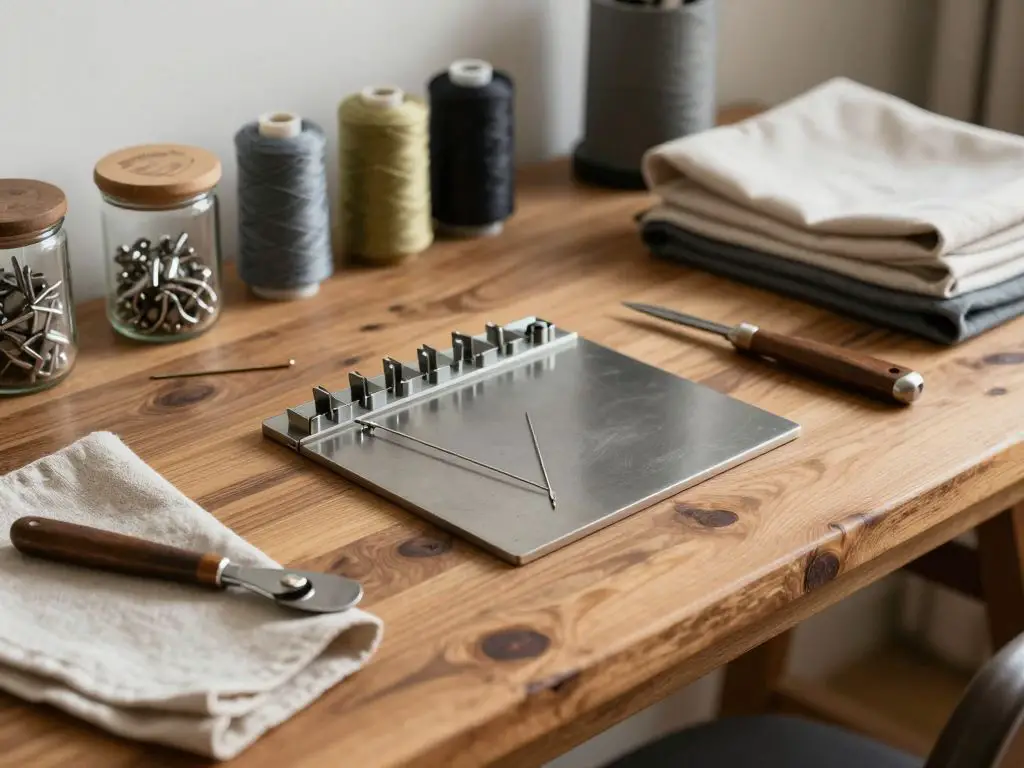
Learning to repair and maintain our belongings is key to a sustainable lifestyle. It reduces waste, saves money, and conserves resources. By fixing things instead of throwing them away, we can greatly reduce our environmental impact.
Start by checking the items you own. Look for things that are broken or worn but can still be fixed. For example, a torn seam on a favorite shirt can be mended with a needle and thread. Many household appliances can also be fixed with simple DIY skills or by following online tutorials.
Here are some practical tips for repairing and maintaining common household items:
- Learn basic sewing skills to mend clothes and fabric items.
- Use online resources or manuals to troubleshoot and fix appliances.
- Regularly maintain your belongings to prevent them from breaking down.
- Repurpose items that are beyond repair into something new and useful.
By embracing repair and maintenance, we help the environment and develop a more mindful relationship with our stuff. This change is a big step towards living more eco-friendly.
9. Build a Minimalist Wardrobe with Sustainable Choices
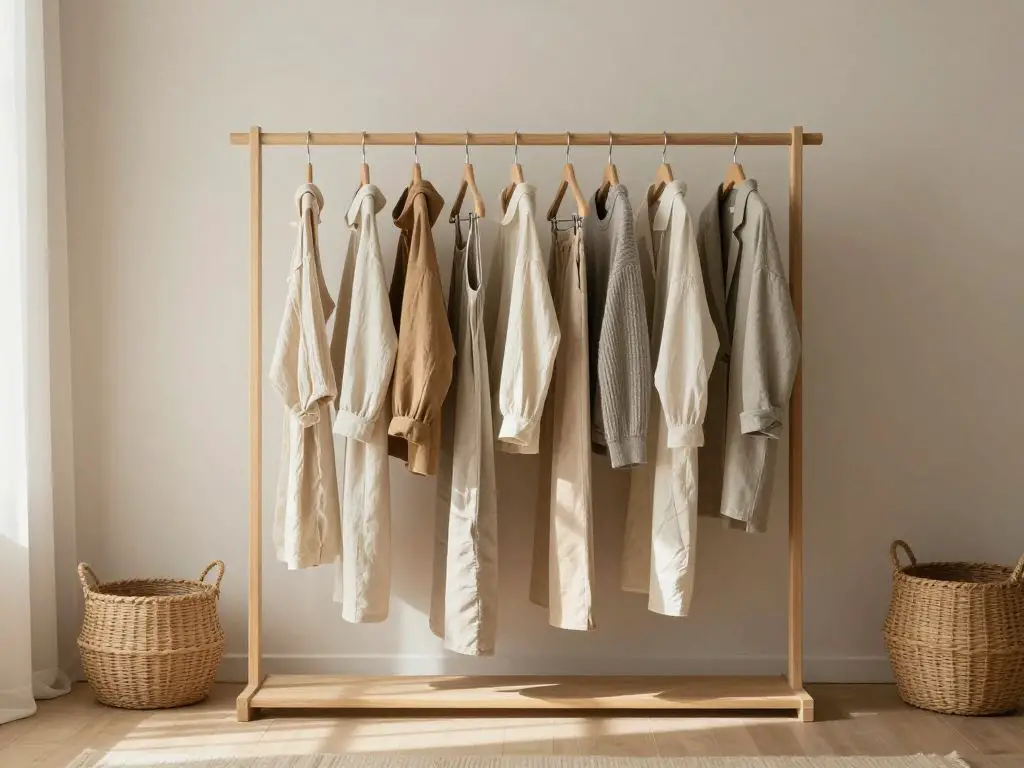
Creating a minimalist wardrobe is more than cutting down on waste. It’s about being more mindful with our fashion choices. I found that a clean closet makes my day easier and helps the planet too.
One big plus of a minimalist wardrobe is less fast fashion. Fast fashion harms our environment a lot. In the US, people throw away 82 pounds of clothes each year. By choosing quality over quantity, we can make a big difference.
So, how do you start with a minimalist wardrobe? Here are some tips:
- Begin by checking out your current clothes. Pick the ones you love and wear often.
- Use the 30-wear rule: think if you’ll wear a new item at least 30 times before buying it.
- Look for timeless, eco-friendly clothes that won’t go out of style fast.
- Try shopping second-hand instead of buying new.
Choosing sustainable fashion is key too. Look for brands that care about the planet and fair work. Some brands use organic cotton, recycled materials, and Tencor.
By following these tips, you help the fashion world be greener. You also learn to think more about what you wear.
10. Get Your Community Involved in Waste Reduction
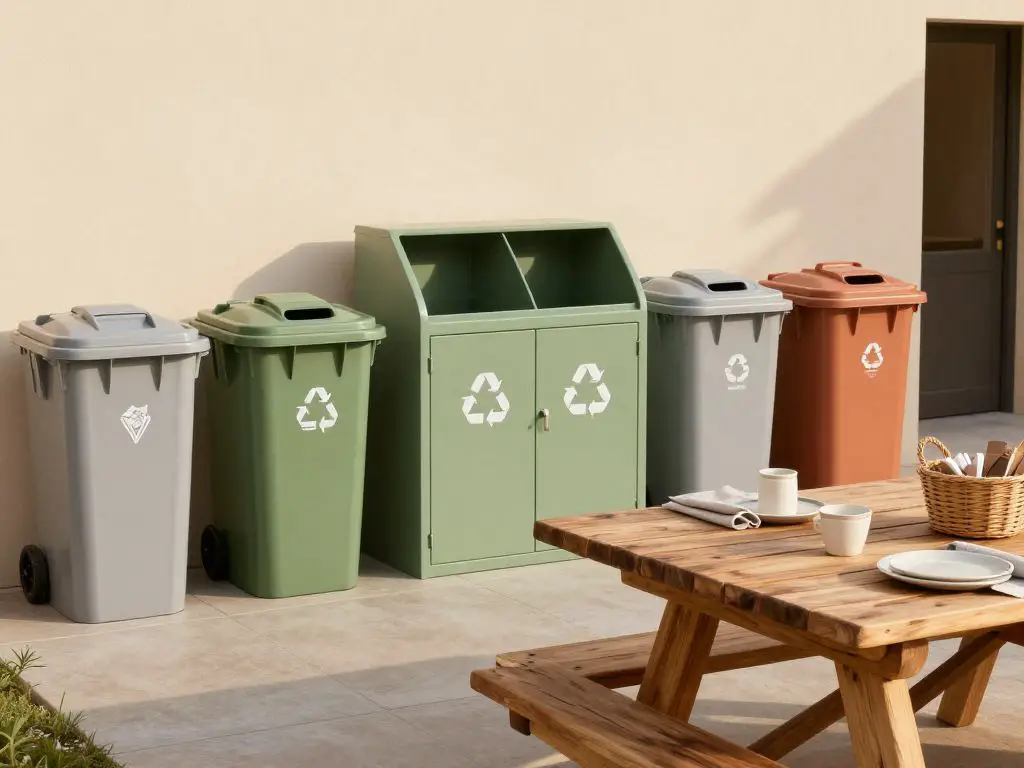
Getting my community involved in waste reduction has made a big difference. We can all work together to make our environment better. This is thanks to waste reduction strategies that we all support.
Starting local initiatives is a great way to begin. Events like community clean-ups or workshops on living green are helpful. They teach us how to reduce waste and inspire others to live greener.
Here are some ideas to get your community involved:
- Host a neighborhood clean-up day
- Organize a workshop on zero-waste living
- Create a community garden using recycled materials
- Start a local recycling program
By getting my community involved, we’ve seen a big change. It’s a way to connect and work towards a greener future together.
Sharing eco-friendly tips with friends and family is also helpful. Hosting zero-waste themed dinners or encouraging sustainable practices are great ways to spread the word.
My Journey Toward Sustainable Living Continues
My journey toward sustainable living has been a continuous learning process. I’ve taken steps like conducting a waste audit and using reusable alternatives. These small changes add up and help reduce our carbon footprint.
Living low-waste is a long-term commitment, not just a one-time effort. It takes patience, persistence, and a willingness to keep learning. Along the way, I’ve seen how important it is to involve our community in making a difference.
Sharing what we know and inspiring others to act is key to a sustainable future. I urge you to keep looking for ways to live more sustainably and reduce your carbon footprint. Together, we can make a big impact.