
Ready to stop taking the trash out every other day? These low waste swaps cut clutter, save money, and make your routines feel smoother. We’re talking easy wins you’ll use daily, not Pinterest-only fantasies. Pick a few today, and watch your bin stay weirdly empty.
1. Refillable Cleaning Concentrates Beat Bulky Plastic Bottles
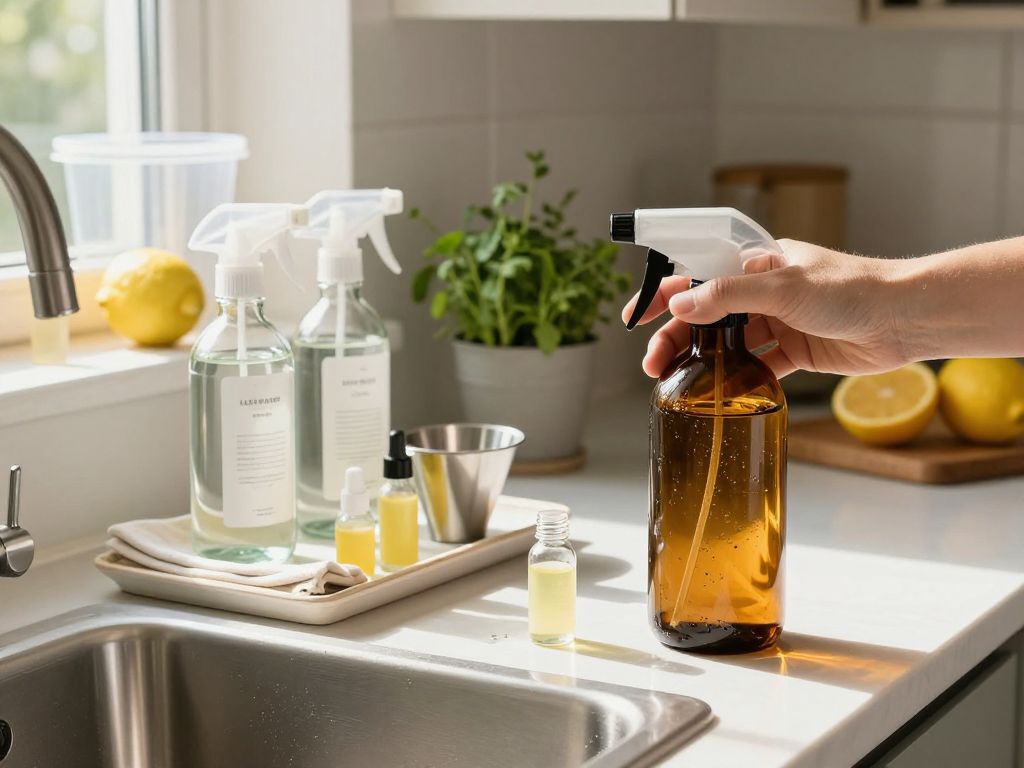
Those giant plastic jugs? They mostly hold water. Refillable concentrates let you top up the same spray bottle again and again with a quick mix-and-go ritual.
You’ll slash plastic, clear cabinet space, and still get sparkling counters. Plus, the math works—concentrates often cost less per ounce than premixed cleaners.
How To Start
- Grab a sturdy glass or recycled-plastic spray bottle.
- Choose a multipurpose concentrate you like the scent of (citrus if you crave fresh).
- Label bottles clearly so no one mists the plants with degreaser—ask me how I know.
FYI: One set of concentrates usually covers kitchen, bathroom, glass, and floors. You’ll notice fewer empties and fewer “Oops, we’re out” moments.
2. Reusable Paper Towels And Cloths For Every Mess
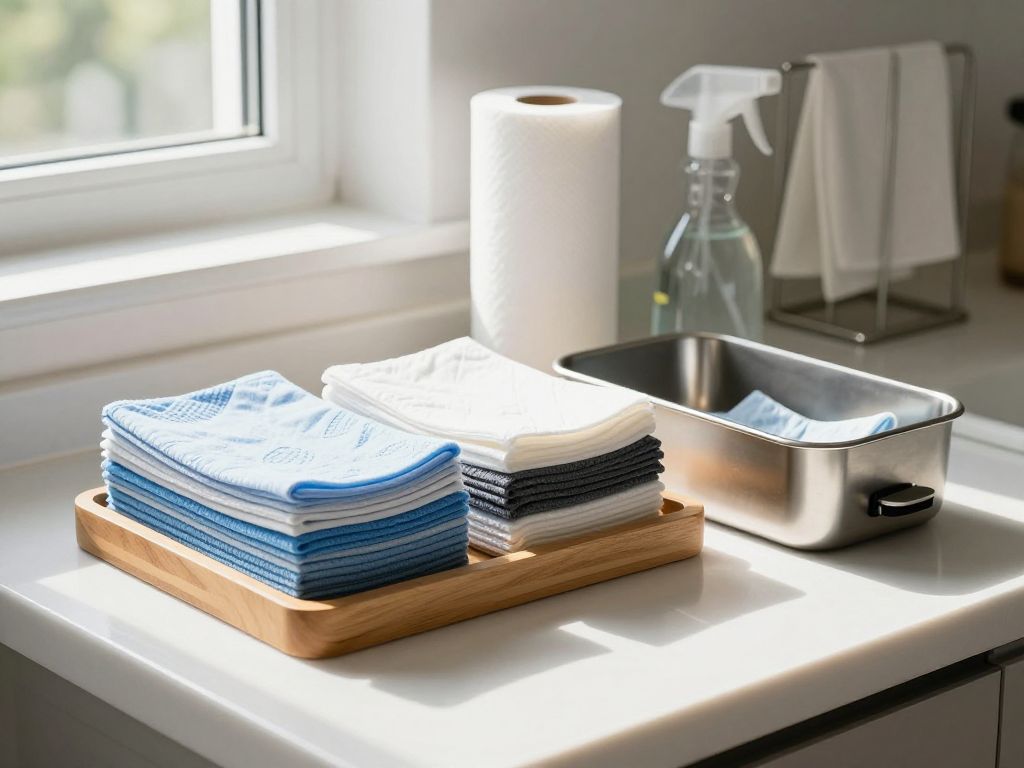
Paper towels fly out of the roll faster than popcorn at movie night. Swap to reusable cloths and you’ll never panic-buy a 12-pack again.
Microfiber, cotton flannel, or retired T-shirts all work. Keep stacks in key spots to make grab-and-wipe automatic.
Smart Setup Tips
- Color-code: blue for glass, white for kitchen, dark for grimy jobs.
- Use a small countertop bin for used cloths—wash on hot when full.
- Keep a “guest” roll of paper towels for truly gnarly messes. No shame.
Result: Your trash shrinks, your surfaces shine, and your budget stops hemorrhaging over single-use stuff.
3. Silicone Baking Mats And Lids Replace Foil And Plastic Wrap
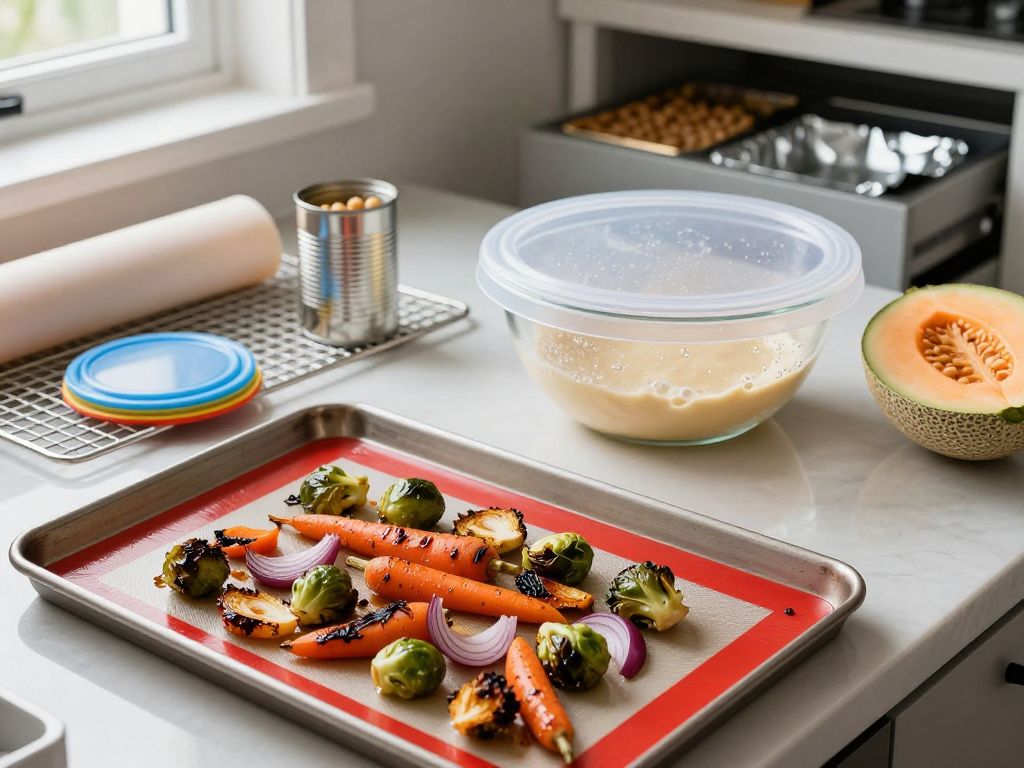
Baking mats turn crusty pans into nonstick magic without a single sheet of parchment. Silicone lids and stretchy covers snap onto bowls, cans, and cut fruit.
You bake more, toss less, and your drawers stop hoarding crumpled aluminum. Win-win-win.
Where They Shine
- Roasting veggies (no stuck-on caramelized bits to scrub)
- Covering leftovers, rising dough, and half a melon
- Freezing portions flat on a mat, then bagging them
Bonus: Good silicone holds up for years with gentle washing. Your future self will thank you every time you skip the foil struggle.
4. Bulk Bin Staples In Jars You Already Own
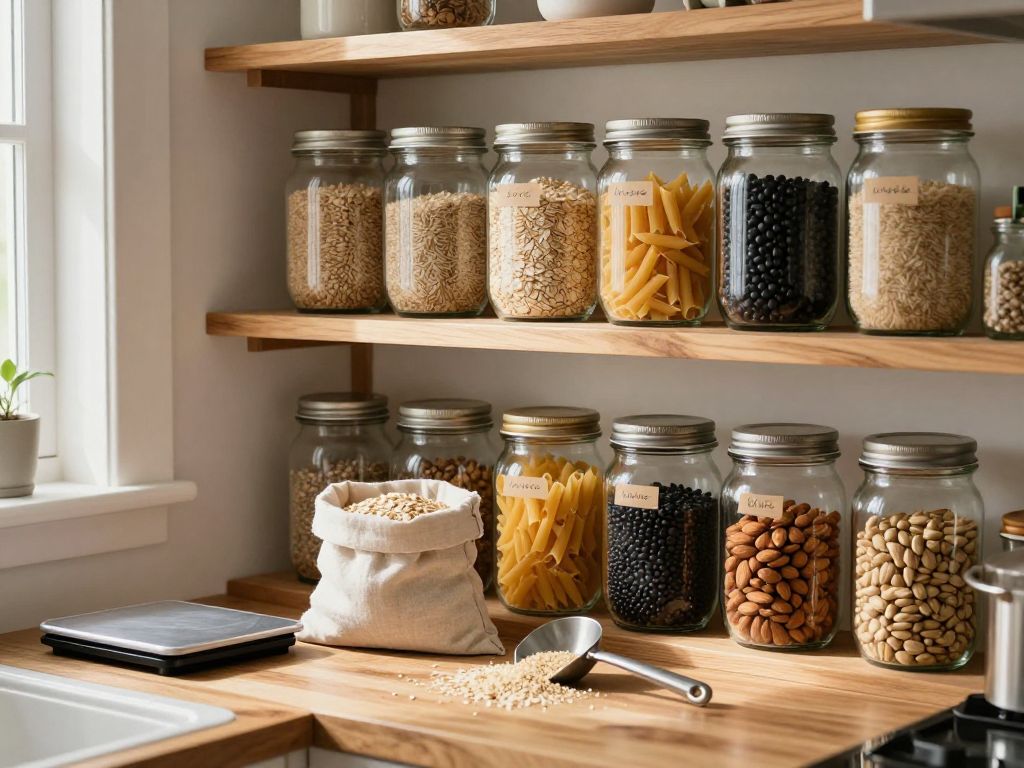
Bulk bins are the ultimate “less trash, more control” move. Bring jars or cloth bags, fill what you need, and skip the branded packaging circus.
You reduce food waste by buying the exact amount. And, IMO, a row of labeled jars gives your pantry that quiet, competent vibe.
Pro Move
- Weigh each jar at home and write the tare weight on masking tape.
- Stock foundational items: rice, oats, pasta, beans, nuts, spices.
- Rotate older contents to the front so nothing goes stale.
Endgame: Lower grocery bills, prettier shelves, and way fewer crinkly plastic bags lurking in drawers.
5. Reusable Coffee And Tea Gear For Daily Caffeine Rituals
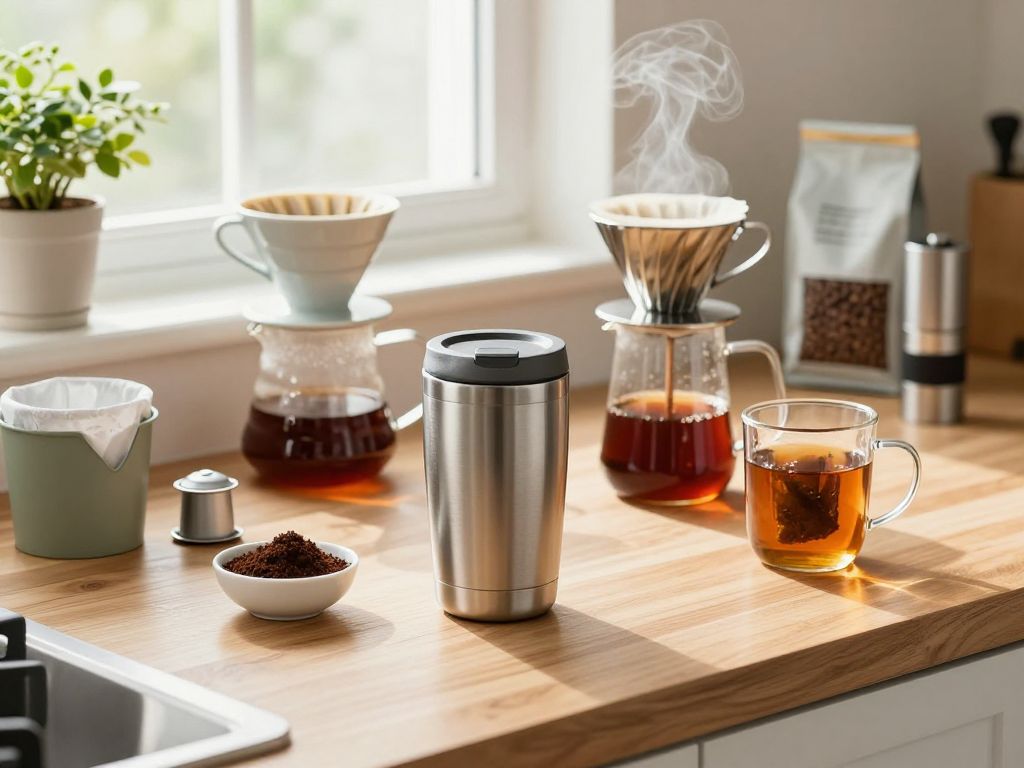
Coffee cups and pods create sneaky daily waste. Go for a French press, pour-over, or reusable capsule, and bring your own insulated mug.
Your brew tastes better, you keep drinks hot longer, and baristas often give small discounts for BYO cups. Yes, that adds up.
Essentials Checklist
- Reusable mug or tumbler with a leakproof lid
- French press or pour-over plus a metal or cloth filter
- Loose-leaf tea infuser for zero microplastics and fuller flavor
Compost coffee grounds or use them in the garden. Your mornings feel upgraded, not restricted—seriously.
6. Solid Bars: Shampoo, Conditioner, And Dish Soap That Don’t Ship Water
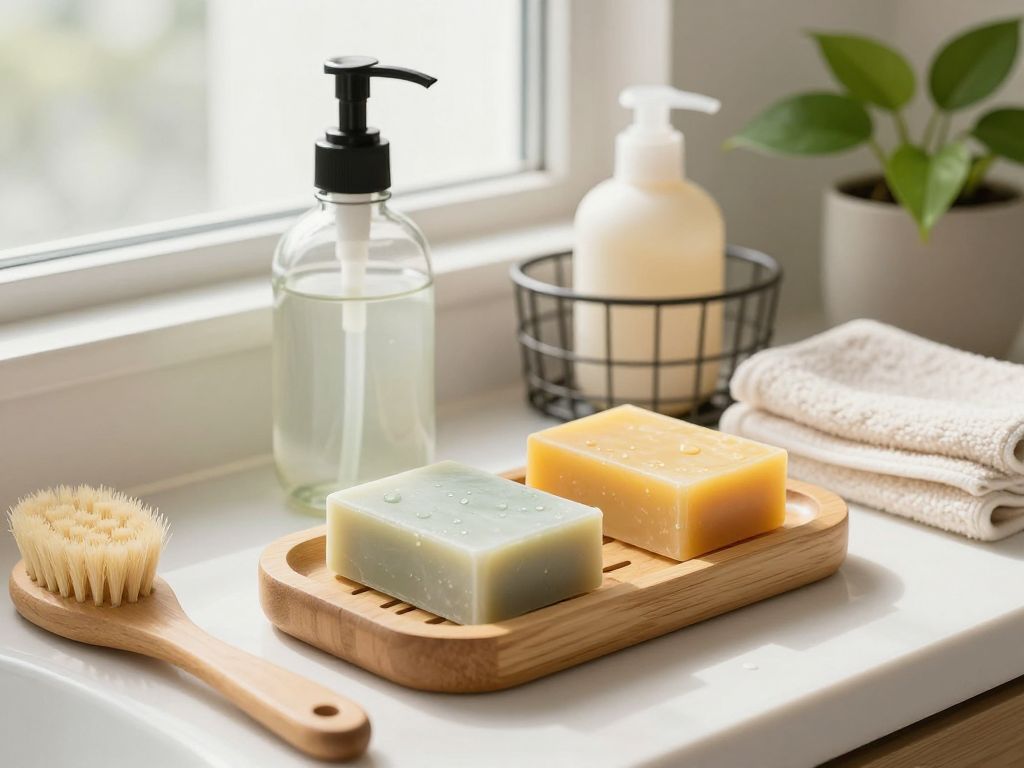
Bottled liquids travel heavy and leave empties. Solid bars pack active ingredients without water, so they last longer with less packaging.
They also look nicer sitting on a dish than a half-squeezed bottle doing yoga in your shower caddy.
How To Get It Right
- Pick bars based on hair type or skin needs—formulas vary a lot.
- Keep bars dry between uses on a draining soap lift to extend life.
- Travel easy: no spills, no TSA drama.
Swap one product at a time so your routine stays simple. Before long, your bathroom bin will wonder where everything went.
7. Refillable Toiletries And Reusable Razors That Feel Luxe
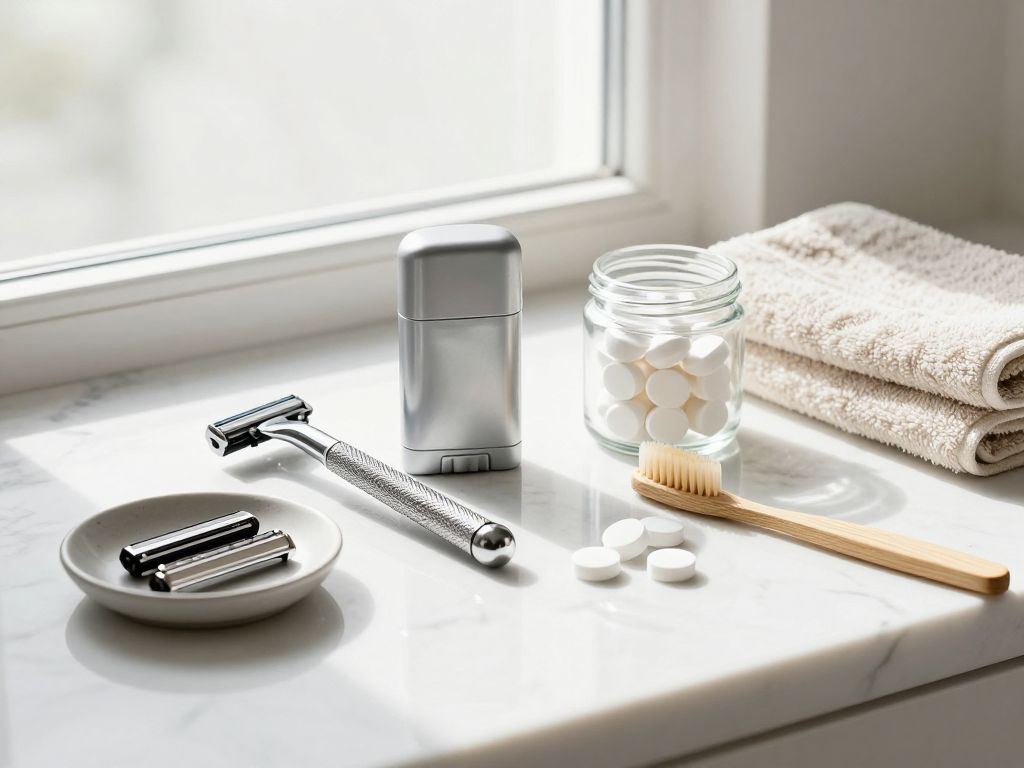
Refillable deodorant, toothpaste tablets, and metal safety razors cut serious plastic waste. They also feel like tiny daily upgrades.
Reusable systems simplify your shopping list to refills only. That’s fewer emergency drugstore runs and fewer annoying clamshell packages.
Starter Pack
- Safety razor with recyclable steel blades
- Deodorant case with compostable or recyclable refills
- Toothpaste tabs or powders in glass or aluminum
Tip: Practice the safety razor technique—short strokes, no pressure. Smooth shaves, minimal waste, slightly smug feeling included.
8. Reusables On The Go: Cutlery, Straw, And Snack Containers
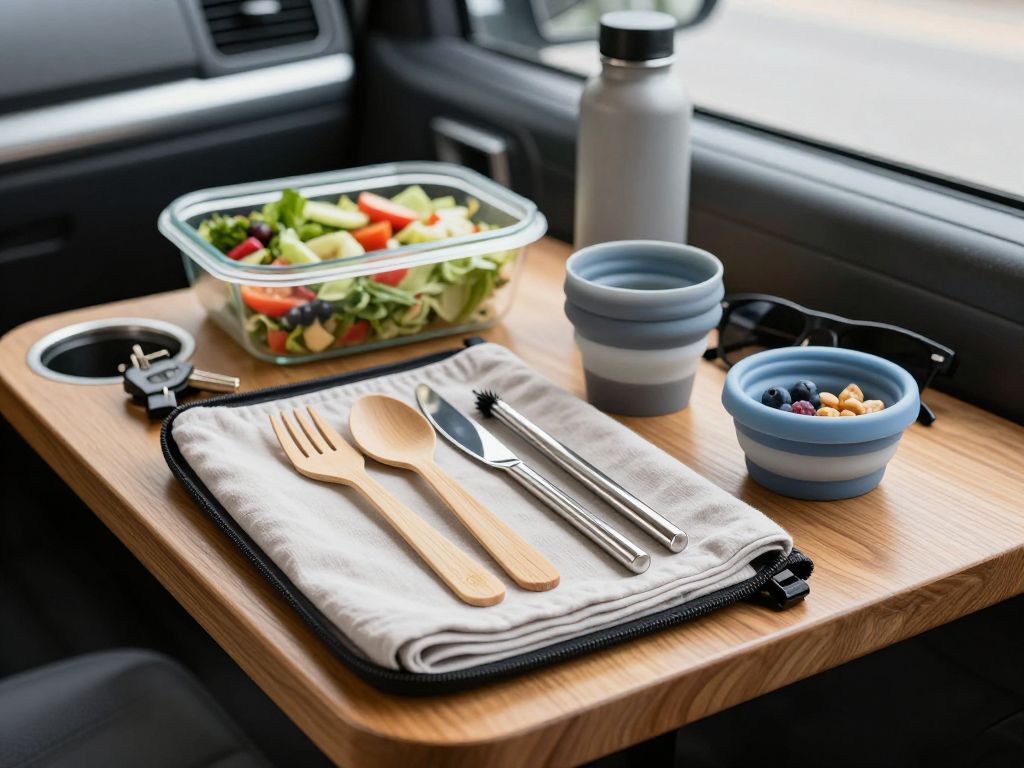
Takeout lunches and road trips don’t need to end in a trash avalanche. A compact kit in your bag keeps you covered for spontaneous meals.
You’ll still enjoy convenience, just without the guilt pile of forks, lids, and napkins breeding in your cup holder.
Build Your Everyday Kit
- Lightweight cutlery (bamboo or metal) in a small pouch
- Collapsible cup or container for leftovers or snacks
- Cloth napkin that doubles as a placemat
- Reusable straw if you actually use straws—no need to cosplay sustainability
Stash spares in your car or backpack. You’ll adapt quickly and start turning down single-use stuff without thinking twice.
9. Composting: The Secret Weapon For Food Scraps
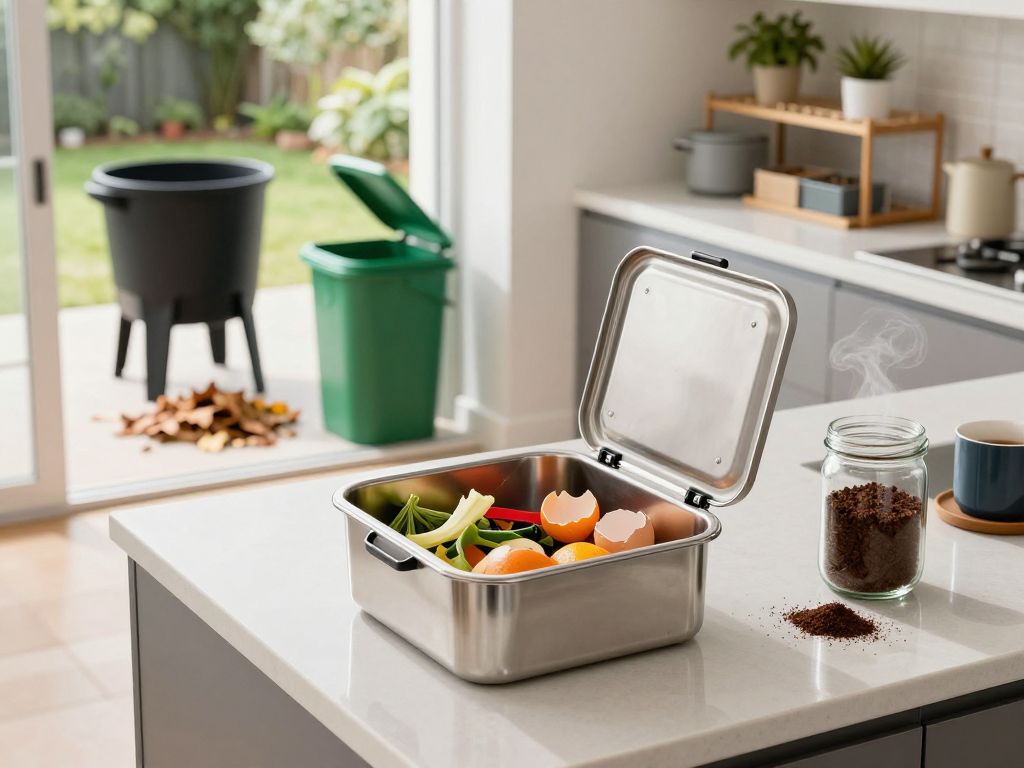
Food scraps don’t belong in landfills where they create methane. Composting turns them into nutrient-rich soil that feeds plants and cuts your trash by a shocking amount.
Apartment or house, you’ve got options. Once you start, your trash can stops smelling like it wants to start a fight.
Choose Your Method
- Curbside program: Use a kitchen caddy and toss into the green bin.
- Backyard bin or tumbler: Balance browns (leaves, paper) and greens (scraps).
- Bokashi or worm bin: Great for small spaces and faster breakdown.
Compost accepts fruit and veg scraps, coffee grounds, tea leaves, eggshells, and uncoated paper. Check local rules for meat and dairy. Result: lighter trash, happier plants.
10. Secondhand First: Thrift, Repair, And Borrow Instead Of Buying New
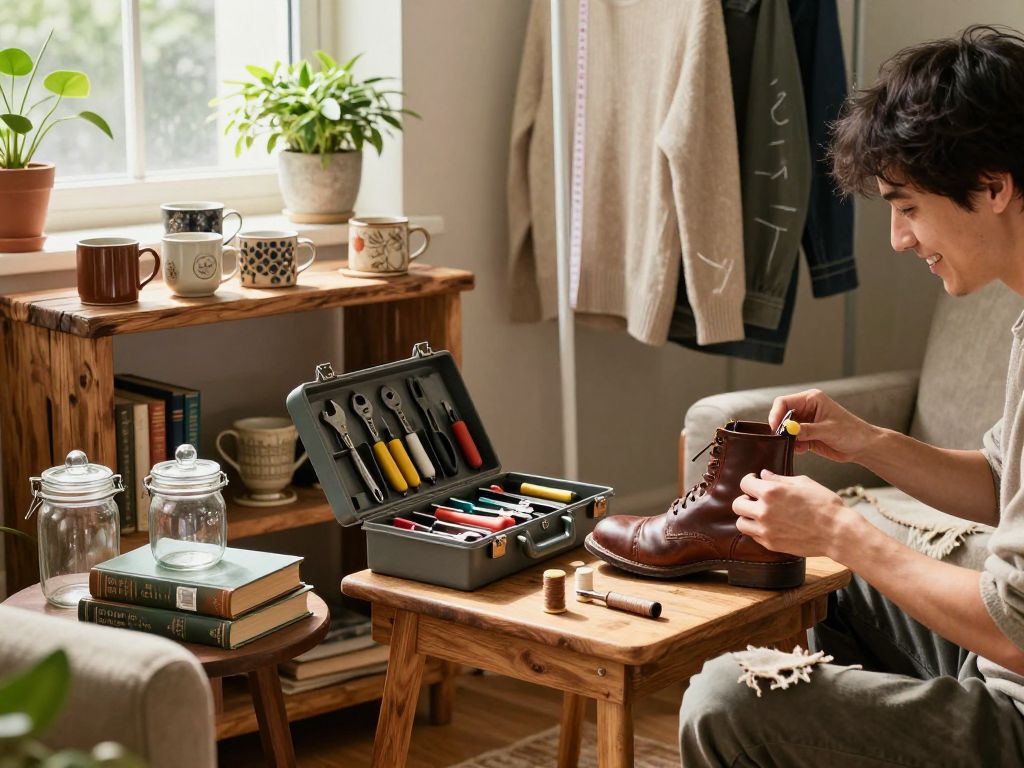
The greenest item is the one that already exists. Shop secondhand, use your library, borrow tools, and repair before replacing.
You save cash, skip packaging waste, and avoid the rapid-fire shipping cycle. Also, vintage mugs have better personality, don’t @ me.
Go-To Sources
- Thrift and consignment for clothes, glass jars, and home goods
- Buy-nothing groups for freebies and local swaps
- Tool libraries for that one-time project you’re definitely doing “this weekend”
- Shoe repair and tailors to extend the life of favorites
Adopt a 30-day list for non-urgent buys. If you still want it later, find it secondhand first. Your wallet and your planet will share a happy high-five.
Ready to try a few swaps? Start with the ones you’ll use daily—cleaning concentrates, cloth towels, and a reusable mug deliver instant wins. Keep it light, keep it doable, and watch your trash shrink while your routine gets easier, cheaper, and a lot more satisfying. Trust me, you’ve got this.