
You know that feeling when you stumble across a cabin tucked away in the woods and think, “I could totally live there”? That’s the magic of a well-designed off-grid living space. It’s not just about ditching modern conveniences—it’s about creating a self sustaining home that feels like a warm hug after a long day chopping wood.
Whether you’re planning your first off grid homestead or dreaming about upgrading your current setup, the right cabin design makes all the difference. I’ve gathered seven cabin ideas that prove you don’t have to sacrifice comfort for sustainability. These spaces are equal parts practical and inviting, designed for people who value independence without giving up those cozy vibes we all crave.
1. The Solar-Powered Studio Cabin
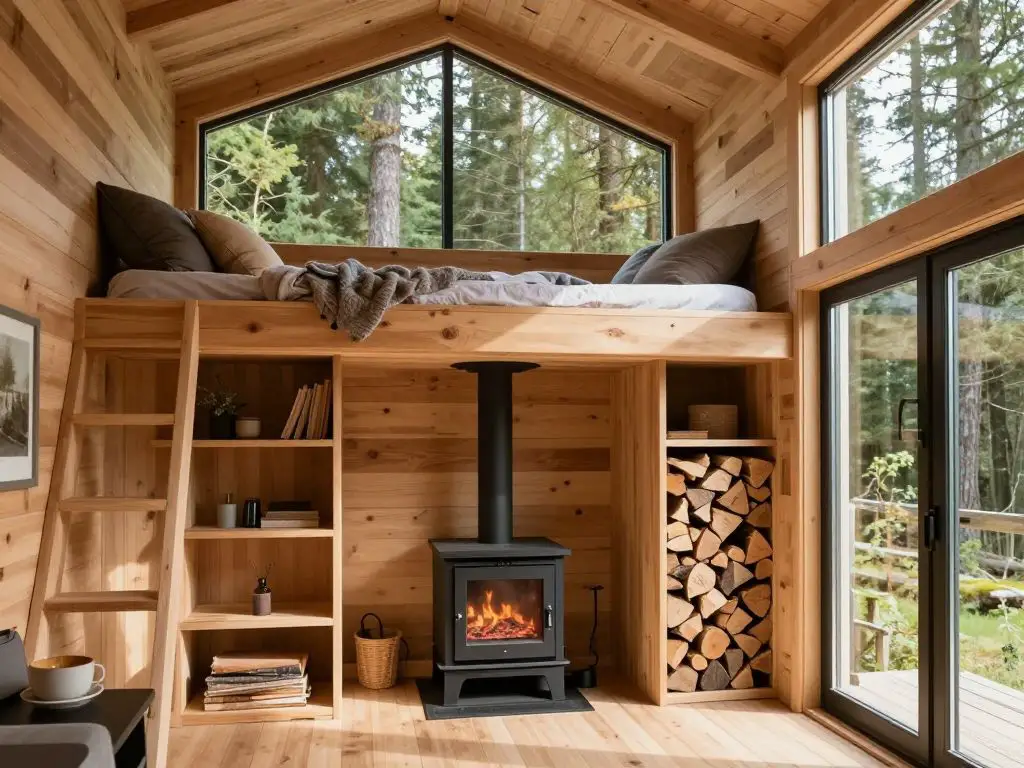
This compact powerhouse shows that small spaces can handle big dreams. A studio-style cabin with a full solar array keeps your essentials running without the electric bill. The trick is designing everything around energy efficiency from day one.
I love how these cabins maximize vertical space with lofted sleeping areas and built-in storage. You’ll want south-facing windows to capture passive solar heat during winter months. The result is a self sufficient living setup that stays comfortable year-round.
- Rooftop solar panels with battery backup system
- Energy-efficient appliances and LED lighting throughout
- Insulated walls and triple-pane windows
- Wood stove as secondary heat source
2. The Rainwater Harvesting Haven
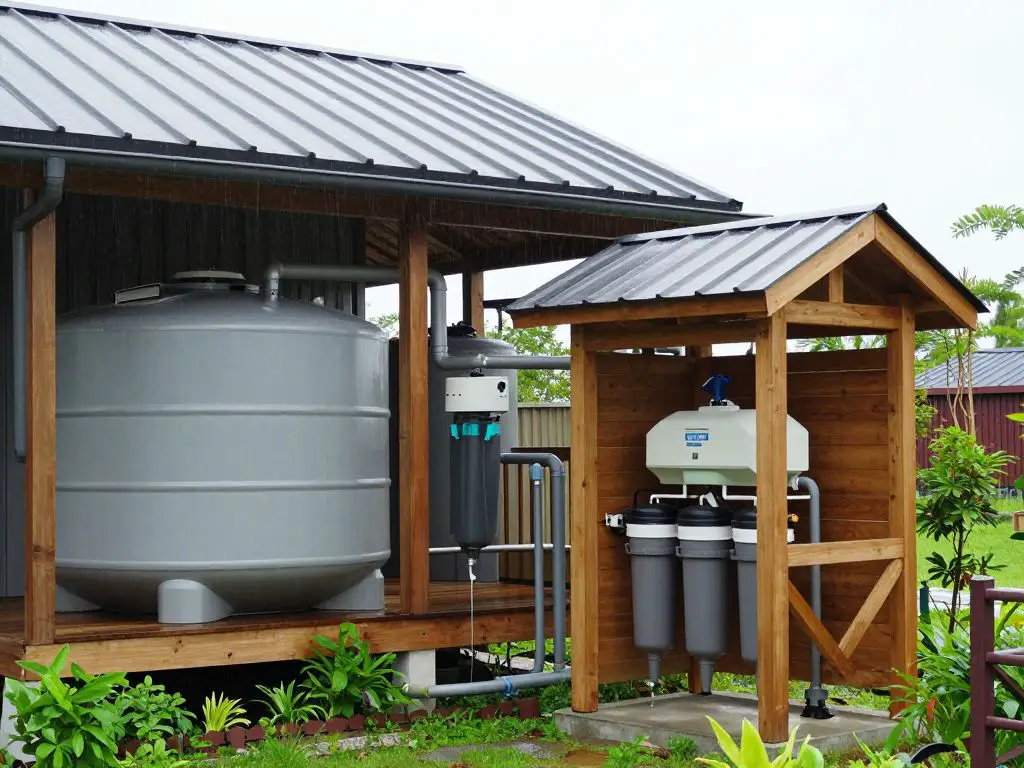
Water independence changes everything about off-grid living. This cabin design centers around a sophisticated rainwater collection system that feeds into filtration tanks. The setup provides clean water for drinking, cooking, and bathing without relying on municipal sources.
Smart cabin builders integrate the water storage into the foundation or use gravity-fed systems from hillside tanks. You’ll need adequate roof surface area and proper guttering, but the payoff is huge. No more worrying about well drilling costs or drought restrictions.
- Metal roof optimized for water collection
- Multi-stage filtration system
- Separate grey water recycling for gardens
- Backup storage for dry seasons
3. The Timber Frame Retreat
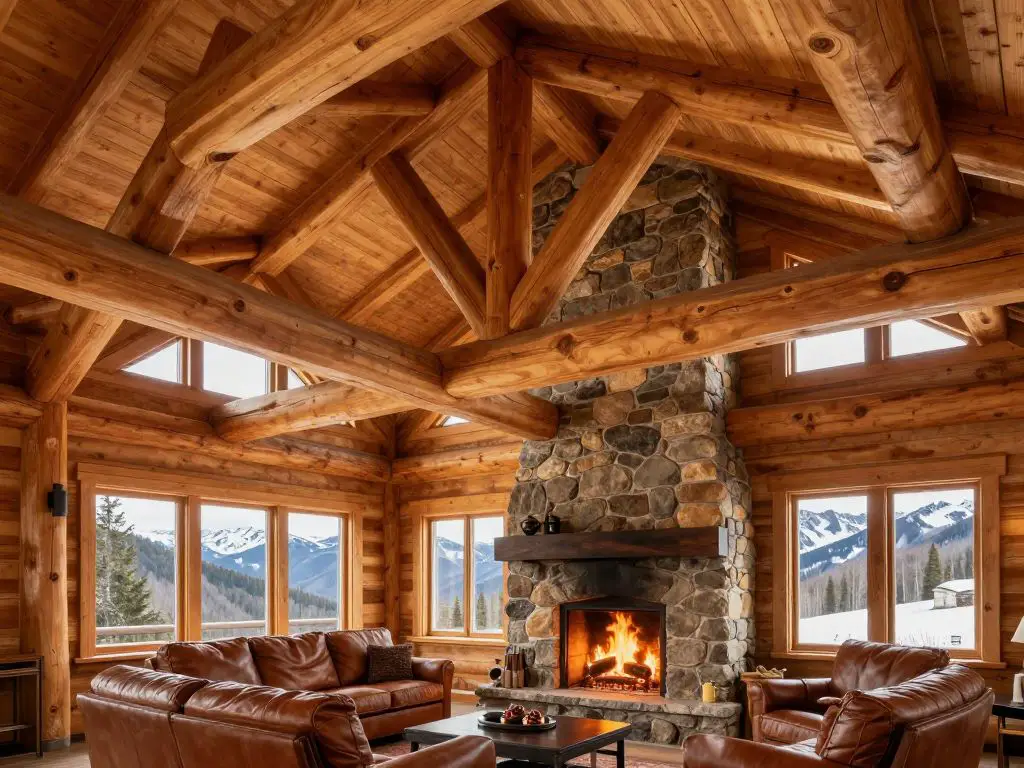
There’s something deeply satisfying about exposed wooden beams and hand-hewn logs. Timber frame cabins bring natural beauty indoors while providing excellent insulation and structural integrity. This style works perfectly for off grid cabin interior designs that feel both rustic and refined.
The thermal mass of heavy timbers helps regulate indoor temperatures naturally. Plus, you can often source materials locally or mill your own lumber if you’ve got wooded property. These cabins age beautifully and develop character that modern construction simply can’t match.
- Locally sourced or reclaimed timber
- Natural thermal regulation
- Cathedral ceilings for spacious feel
- Minimal need for artificial materials
4. The Earth-Sheltered Smart Cabin
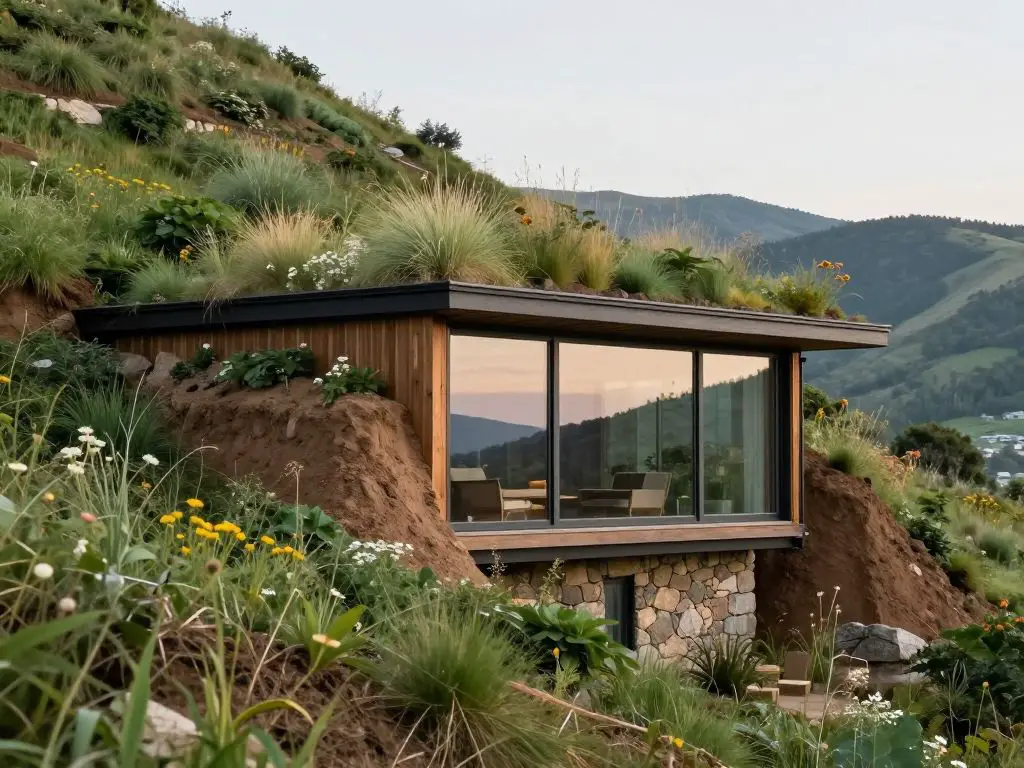
Building into a hillside might sound extreme, but earth-sheltered cabins offer unbeatable temperature stability. The ground acts as natural insulation, keeping you cool in summer and warm in winter with minimal energy input. This design screams smart efficiency.
You’ll sacrifice some window space on certain walls, but strategic placement on the exposed side brings in plenty of natural light. The energy savings are ridiculous—some owners report cutting heating costs by 80% or more. That’s serious money saved for other homestead projects.
- Three walls protected by earth berms
- Front facade with large windows for light
- Green roof option for extra insulation
- Naturally stable indoor climate
5. The Modular Expandable Design
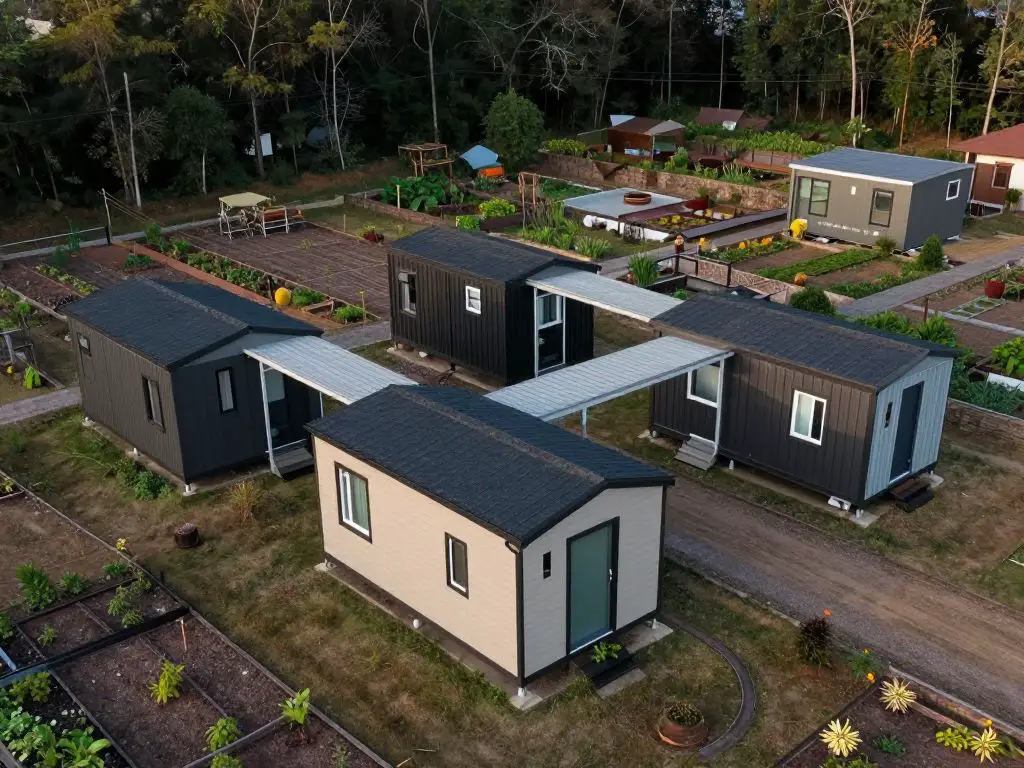
Starting small and building as you go makes financial sense for most people pursuing homestead life. Modular cabins let you create a core living space first, then add sections as your budget and needs grow. It’s like leveling up your off-grid game.
The beauty of this approach is that each module can serve a specific purpose—sleeping quarters, workshop, greenhouse, or guest space. You maintain flexibility while keeping each phase manageable. Connect them with covered walkways or breezeways for weather protection.
- Start with essential living module
- Add specialized spaces over time
- Each section can have dedicated systems
- Easier to heat and cool smaller zones
6. The Greenhouse-Integrated Homestead
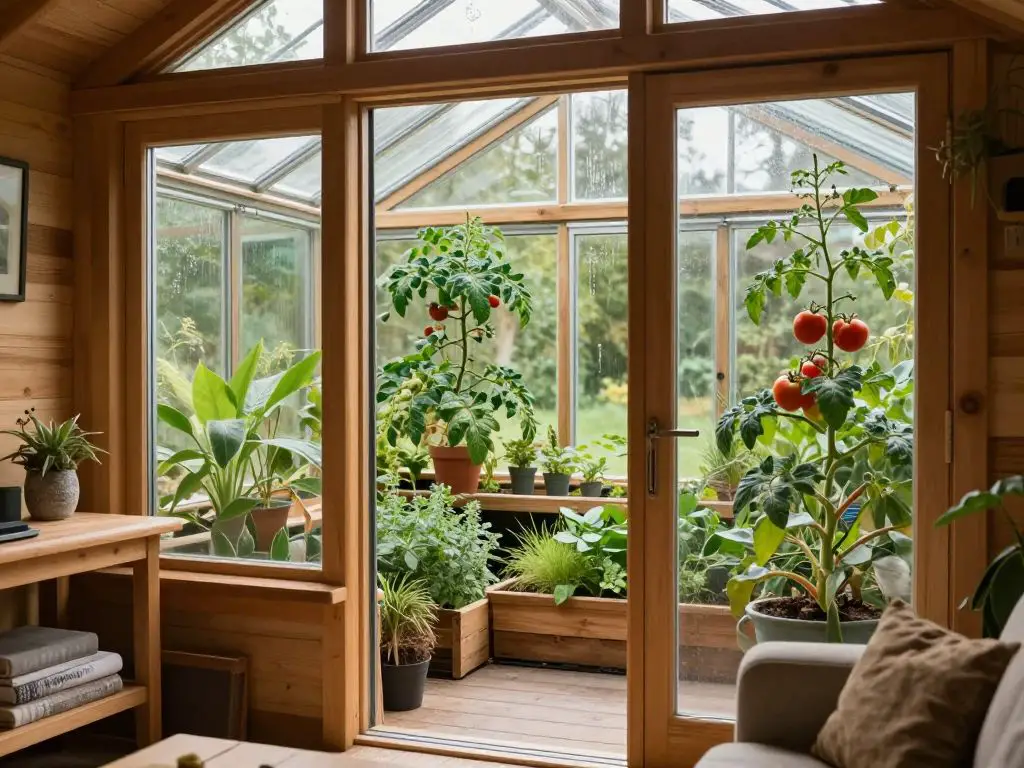
Combining your living space with a greenhouse creates a brilliant symbiotic relationship. The greenhouse extends your growing season while providing passive solar heating for the cabin. Meanwhile, your cabin’s warmth protects tender plants during cold snaps.
This off grid homestead design lets you grow food year-round and maintain a beautiful green space that improves air quality. Position the greenhouse on the south side for maximum sun exposure. The humid environment from plants even helps with dry winter air inside your cabin.
- Shared wall between cabin and greenhouse
- Passive solar heat collection
- Year-round food production
- Natural humidity regulation
7. The Shipping Container Conversion
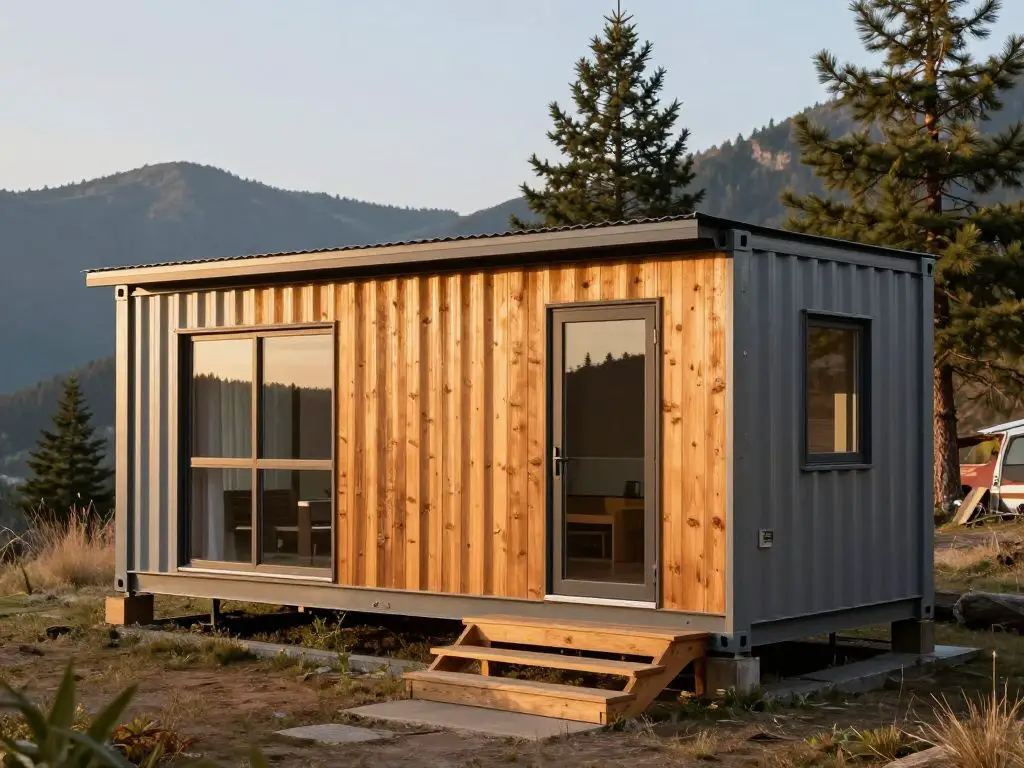
Repurposed shipping containers have become incredibly popular for good reason. They’re affordable, structurally sound, and available almost everywhere. With proper insulation and creative design, they transform into surprisingly cozy off-grid cabins.
The steel construction handles extreme weather beautifully. You can stack them for two-story designs or arrange multiple containers for more space. The industrial aesthetic isn’t for everyone, but you can soften it with wood cladding and thoughtful interior finishes. Plus, you’re recycling a massive piece of steel that might otherwise sit in a yard somewhere.
- Budget-friendly starting point
- Extremely durable structure
- Easy to transport to remote locations
- Flexible configuration options
Creating a cozy and smart off-grid cabin comes down to honest assessment of your needs and climate. The best design for someone in Arizona looks totally different from what works in Maine. But all these ideas share common threads—they embrace simplicity, work with nature instead of against it, and prove that self sufficient living doesn’t mean roughing it.
Start with one aspect that excites you most, whether that’s solar power, water independence, or innovative building materials. Your off-grid cabin should reflect your priorities and make daily life easier, not harder. The goal is freedom and comfort combined, and these seven ideas offer solid starting points for making that dream real.