
So you’re ready to embrace off-grid living and leave the chaos of modern utilities behind. Maybe you’ve been dreaming about waking up to birdsong instead of traffic, or you just want to stop getting those ridiculous electric bills. Either way, going off-grid is one of the most rewarding decisions you’ll ever make—but only if you’re properly prepared.
Here’s the thing: moving to a self-sustaining home isn’t just about picking a pretty spot in the woods and pitching a tent. You need the right essentials to make your off-grid homestead actually livable. I’ve seen too many enthusiastic folks rush into homestead life only to realize they forgot something critical. Let’s make sure that doesn’t happen to you.
These nine off-grid living essentials will set you up for success from day one. Trust me, your future self will thank you.
1. Reliable Water Source and Filtration System
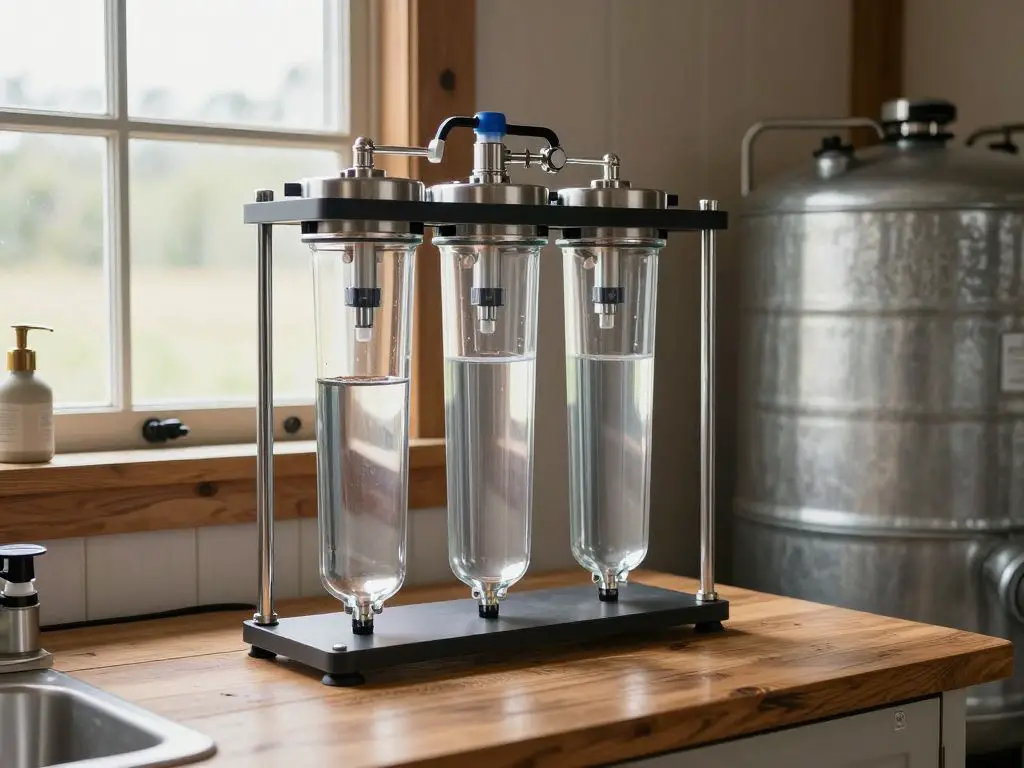
Water is literally life, and it’s the first thing you need to nail down. You can survive weeks without food, but only days without water. Your off-grid homestead needs a dependable water source—whether that’s a well, spring, creek, or rainwater catchment system.
But here’s what many people overlook: having water isn’t enough. You need a solid filtration and purification system. Even the clearest mountain spring can harbor bacteria or parasites that’ll have you seriously regretting your life choices.
Invest in these water essentials:
- Quality hand pump or solar-powered well pump
- Multi-stage filtration system
- Water testing kit
- Backup purification method (UV filter or tablets)
- Adequate storage tanks
2. Solar Power System with Battery Backup
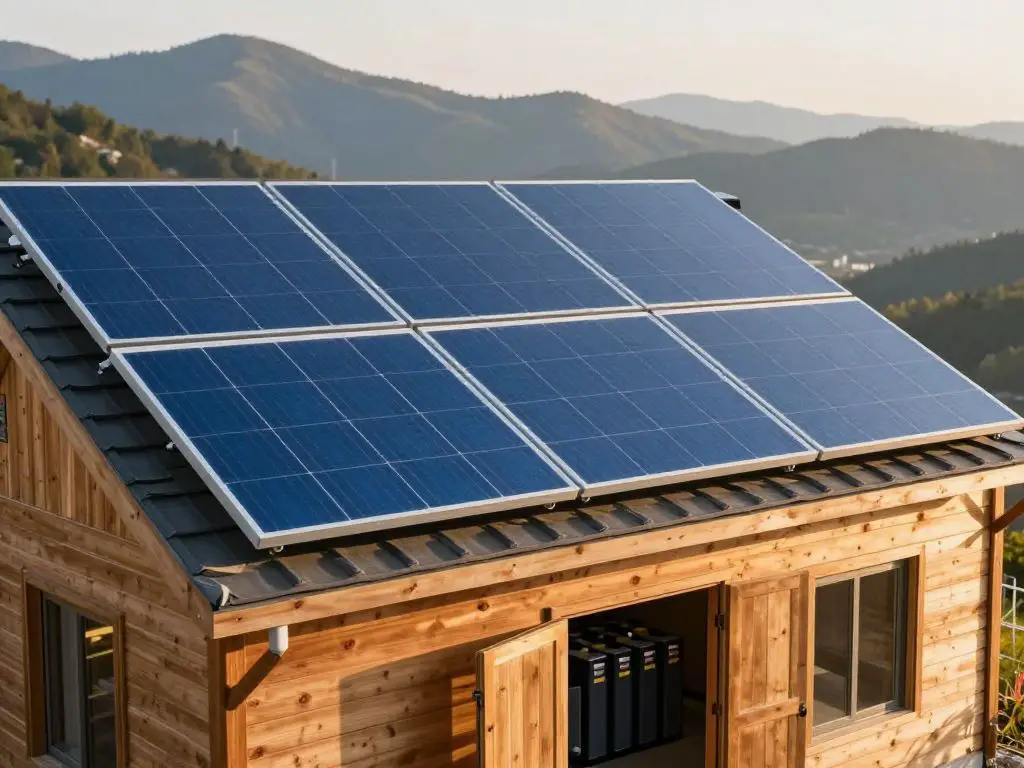
Unless you plan on living like it’s 1850, you’ll want electricity. Solar panels have become incredibly efficient and affordable, making them the go-to choice for self-sufficient living.
The key is sizing your system correctly. Calculate your actual power needs before buying panels. I can’t stress this enough—going too small means constant battery anxiety, while oversizing wastes money you could spend elsewhere.
Your solar setup should include:
- Solar panels (sized for your energy needs)
- Charge controller
- Deep-cycle battery bank
- Pure sine wave inverter
- Monitoring system
And please, don’t cheap out on the charge controller. A good one protects your entire investment and extends battery life significantly.
3. Alternative Heating Source
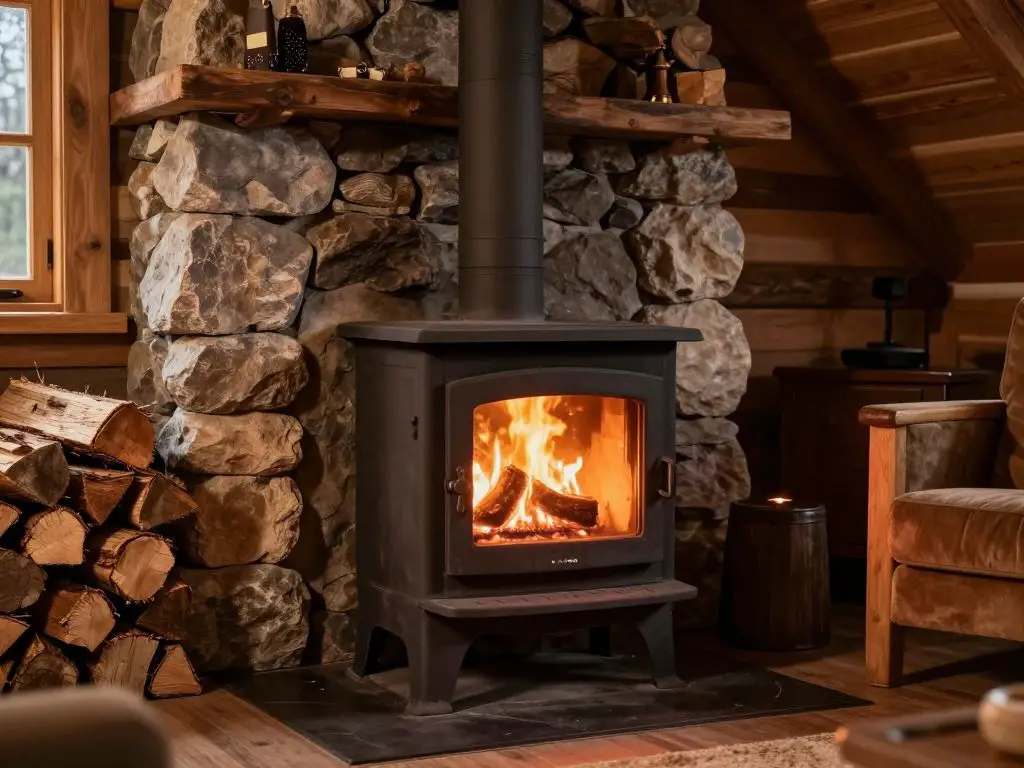
Electricity for heating is expensive and inefficient, even off-grid. You need a heating solution that’s independent, reliable, and ideally uses renewable resources.
Wood stoves are the classic choice for good reason. They provide consistent heat, work during power outages, and give you a way to cook if needed. Plus, there’s something deeply satisfying about heating your home with wood you gathered yourself.
Consider these heating options:
- High-efficiency wood stove or fireplace insert
- Pellet stove (if you have reliable pellet access)
- Propane heater as backup
- Adequate firewood storage shed
- Chimney cleaning equipment
Pro tip: store at least two years’ worth of firewood. The first year’s wood continues drying while you burn the second year’s supply.
4. Food Preservation Equipment
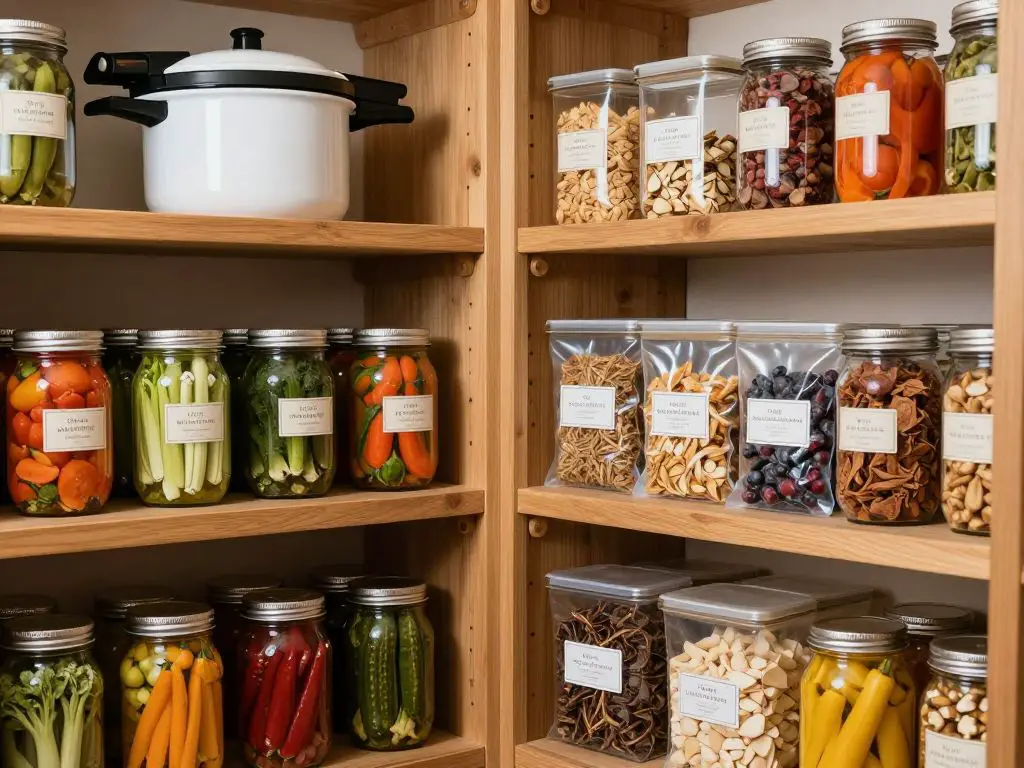
Growing your own food is amazing, but it’s useless if half of it rots before you can eat it. Food preservation equipment transforms your garden’s summer bounty into winter sustenance.
You’ll want multiple preservation methods because different foods require different approaches. Canning works great for vegetables and fruits, while dehydrating is perfect for herbs and jerky.
Essential food preservation tools:
- Pressure canner for low-acid foods
- Water bath canner for high-acid foods
- Food dehydrator (solar or electric)
- Vacuum sealer
- Root cellar or cool storage area
A chest freezer is worth considering too, especially if you raise livestock. Just make sure your solar system can handle the load.
5. Hand Tools and Manual Alternatives
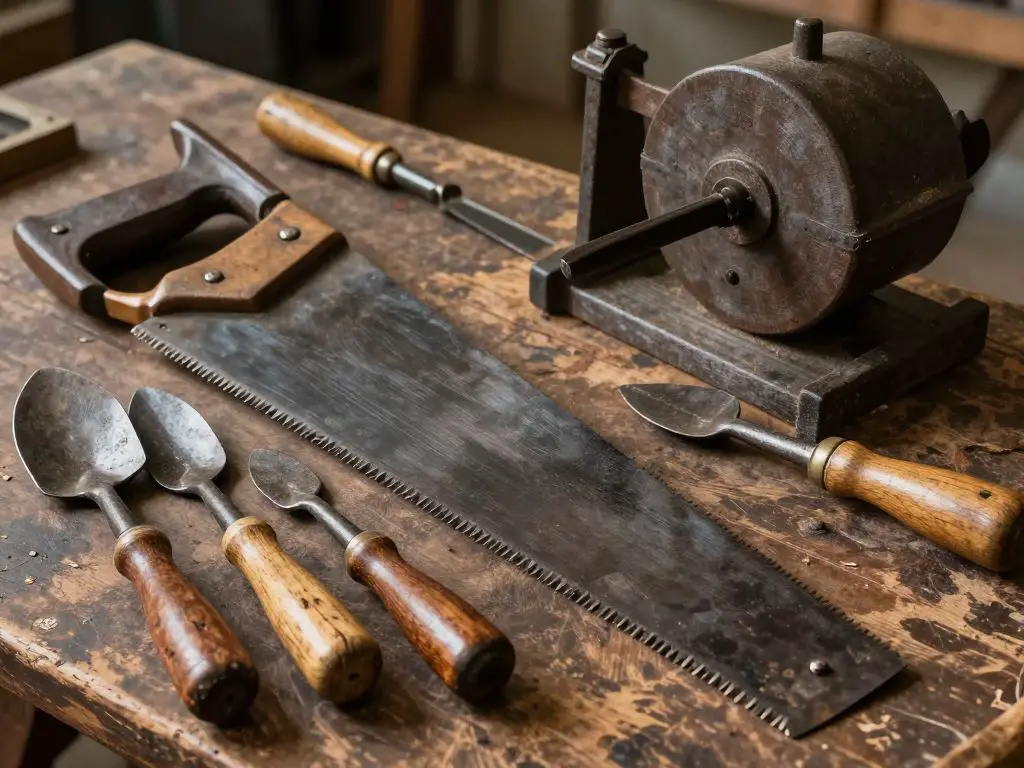
Power tools are convenient, but batteries die and motors fail. Hand tools never need charging, rarely break, and give you independence from the grid even when systems go down.
I’m not saying ditch the power tools entirely—I’m not a masochist. But having manual alternatives means you’re never stuck waiting for sunny weather to charge batteries.
Stock your tool shed with:
- Quality hand saw and bow saw
- Manual post hole digger
- Hand-crank grain mill
- Non-electric kitchen tools (can opener, coffee grinder, etc.)
- Traditional gardening tools (hoe, rake, broadfork)
Quality matters here. Cheap tools break when you need them most, and replacing them off-grid is a pain.
6. Comprehensive First Aid and Medical Supplies
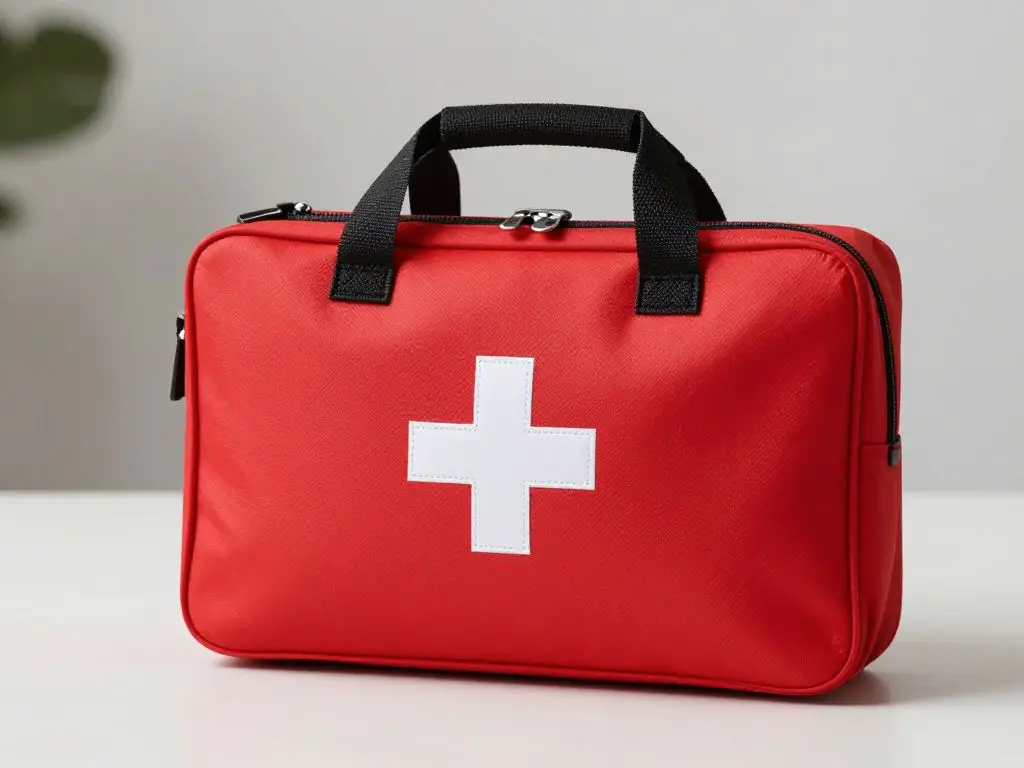
When the nearest hospital is 45 minutes away and you’re dealing with a deep cut or broken bone, you’ll want more than a box of Band-Aids.
Your off-grid first aid kit needs to handle everything from minor scrapes to major emergencies. Take a wilderness first aid course too—knowledge weighs nothing and could save a life.
Build your medical stockpile:
- Trauma supplies (tourniquets, Israeli bandages, chest seals)
- Suture kit and wound closure strips
- Comprehensive medication supply
- Splinting materials
- Emergency dental kit
- Snake bite kit (if applicable to your region)
Keep prescription medications well-stocked, and talk to your doctor about having extra supplies on hand.
7. Communication Devices
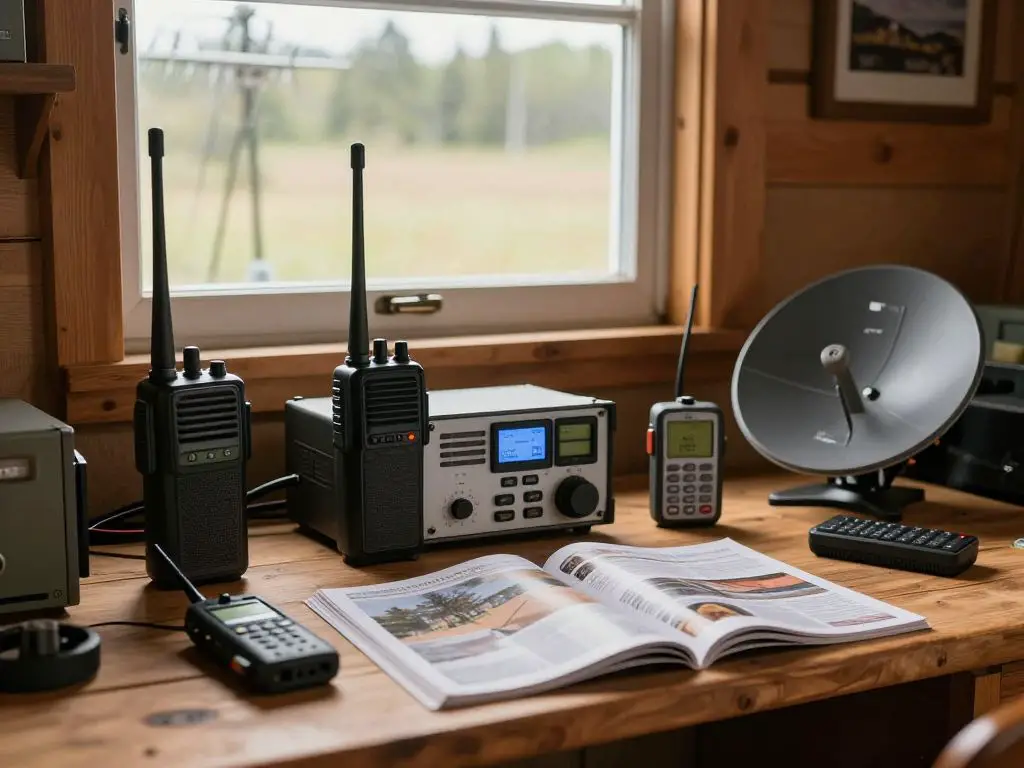
Off-grid doesn’t mean off-communication. You need reliable ways to reach the outside world for emergencies, weather updates, and staying connected with loved ones.
Cell service might be spotty or nonexistent at your homestead. That’s why redundancy matters—have multiple communication methods available.
Communication essentials include:
- Satellite phone or two-way radio system
- Weather radio (hand-crank or solar)
- Cell phone signal booster
- CB or ham radio setup
- Emergency beacon (PLB or satellite messenger)
If you’re going the ham radio route, get your license before you need it. Operating illegally in an emergency might slide, but knowing how to actually use the equipment takes practice.
8. Proper Waste Management System
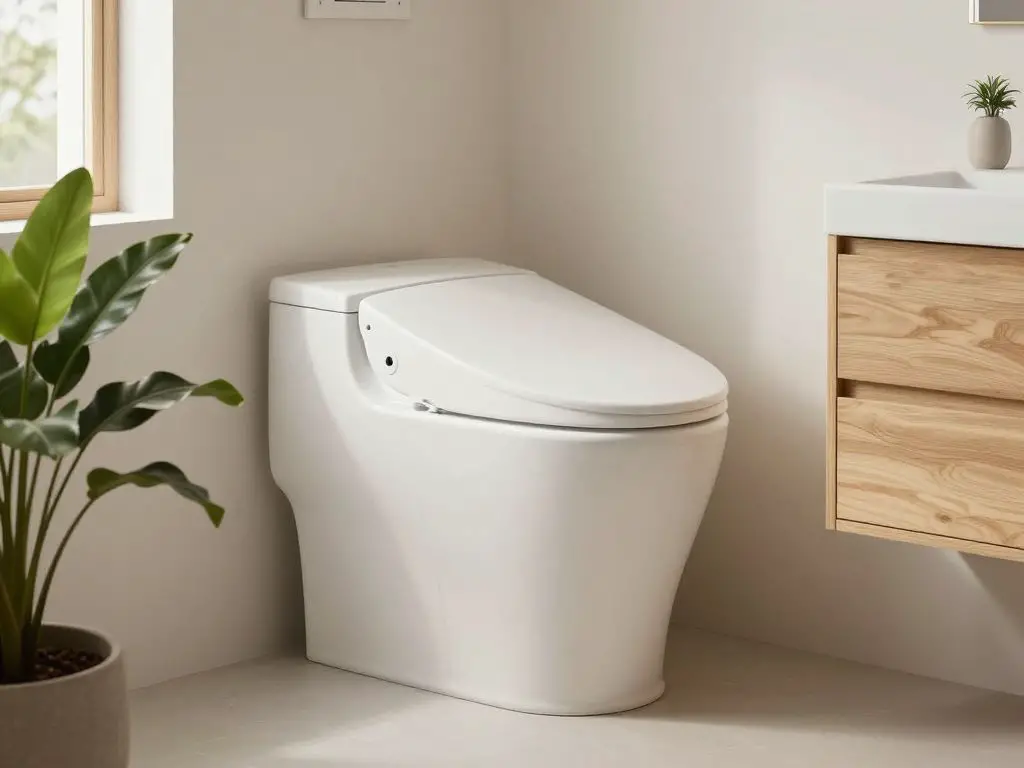
Nobody likes talking about this one, but waste management is crucial for health and environmental reasons. Your off-grid waste system needs to handle sewage, greywater, and garbage responsibly.
Composting toilets have come a long way and are way less gross than you’re imagining. Modern systems are odorless, efficient, and produce usable compost for ornamental plants.
Your waste management plan should include:
- Septic system or composting toilet
- Greywater filtration and distribution system
- Composting setup for organic waste
- Recycling and trash sorting system
- Burn barrel or trash hauling plan
Check local regulations before installing anything. Some areas have specific requirements for off-grid waste systems.
9. Food and Fuel Storage
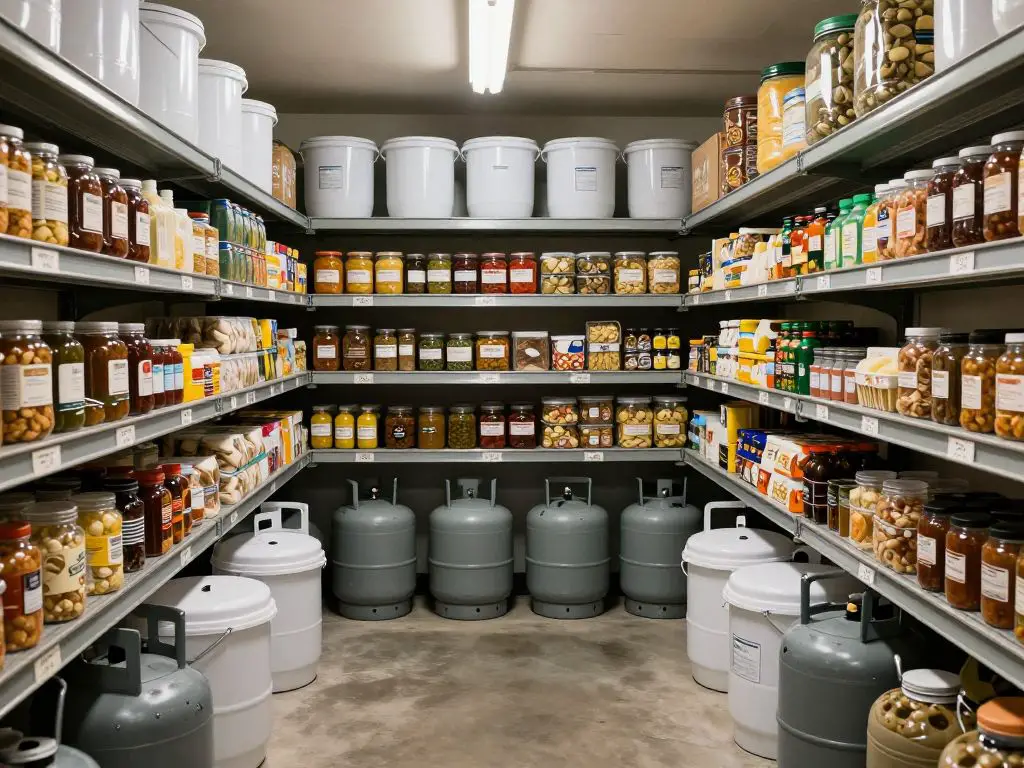
Self-sufficient living means being prepared for when things don’t go as planned. Bad growing seasons happen. Supply chain disruptions are real. Having substantial food and fuel reserves gives you peace of mind and actual security.
Aim for at least six months of food storage, though a year is better. Focus on shelf-stable items you actually eat—there’s no point storing 50 pounds of beans if your family hates them.
Build your storage reserves:
- Bulk grains, beans, and rice
- Canned goods and preserved foods
- Cooking oil and fats
- Propane tanks (multiple, filled)
- Gasoline or diesel (with stabilizer)
- Firewood (two years’ worth minimum)
Rotate your stocks regularly. Use the oldest items first and replace them with fresh supplies. This keeps everything usable and prevents waste.
Going off-grid is an adventure that’ll challenge and reward you in ways you can’t imagine yet. These nine essentials form the foundation of a successful off-grid homestead, but they’re just the beginning. You’ll discover what works for your specific situation as you go.
The beautiful thing about homestead life is that it’s deeply personal. Your off-grid setup will look different from mine, and that’s exactly how it should be. Start with these essentials, stay flexible, and don’t be afraid to adapt as you learn what your land and lifestyle truly need.