
So you want to live off grid and actually make it work long-term? Not just survive—but feel confident, prepared, and maybe even a little proud of your setup?
I’ve been down this rabbit hole myself, and one thing became clear fast: self-sufficient living is all about systems that support each other. You don’t need perfection—you need smart setups.
Let’s walk through 18 off grid living self-sufficient tips using real, practical ideas you can start applying right away.
1. Upgrade Your Solar Setup for Maximum Efficiency
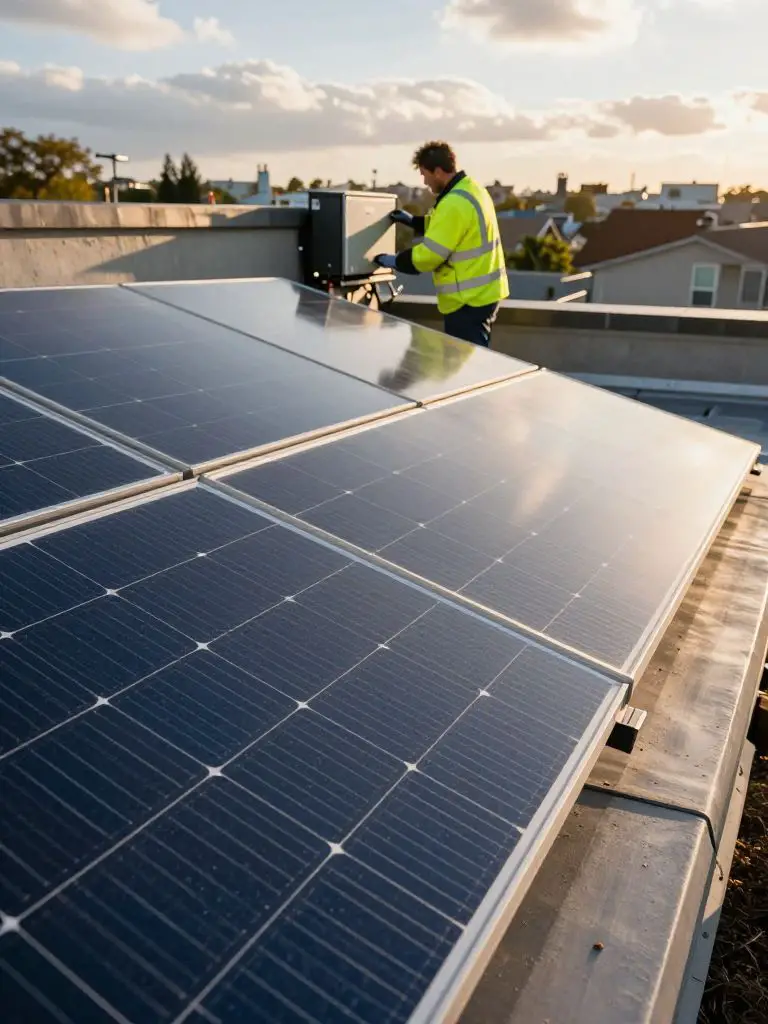
Your solar system isn’t “set it and forget it.”
You can always improve it. Ever noticed how small tweaks can boost performance?
Ways to upgrade your solar setup:
- Adjust panel angles based on season
- Clean panels regularly
- Upgrade to higher-efficiency panels
I once ignored panel cleaning for months… big mistake. Output dropped more than I expected.
2. Collect and Store Rainwater for Everyday Use
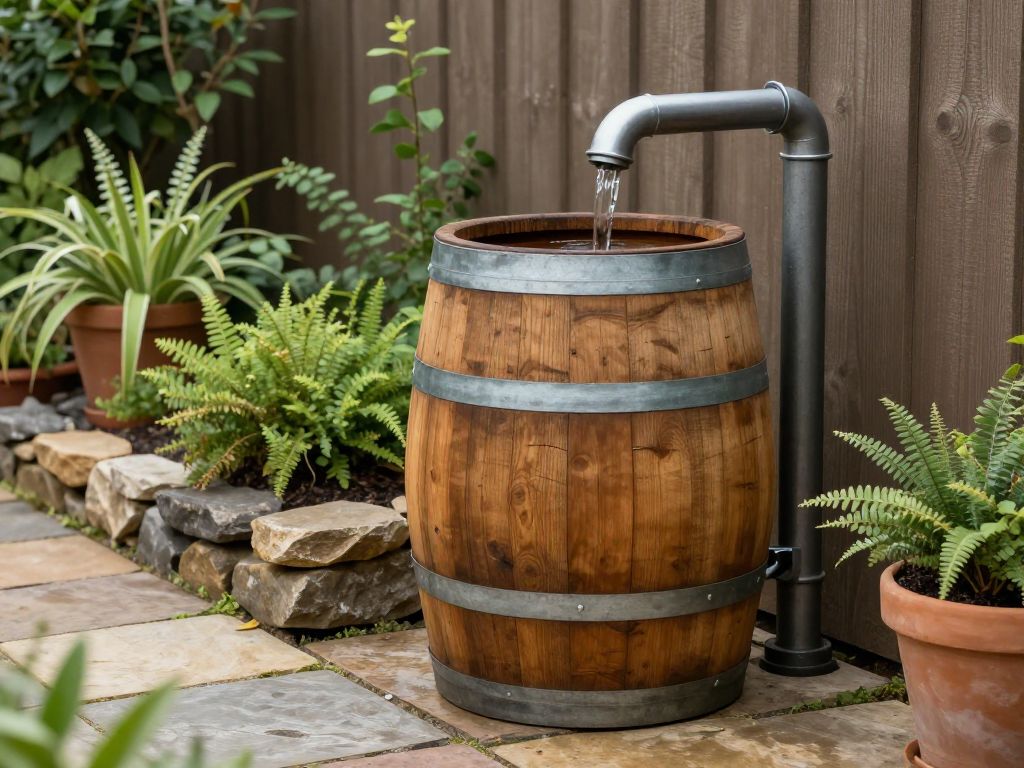
Rainwater is basically free gold.
Why rely only on one source when rain falls right on your roof?
Smart setup tips:
- Install gutters and downspouts
- Use food-grade storage tanks
- Add basic filtration
Always store more than you think you need. Dry periods happen.
3. Set Up a Dependable Backup Power Source
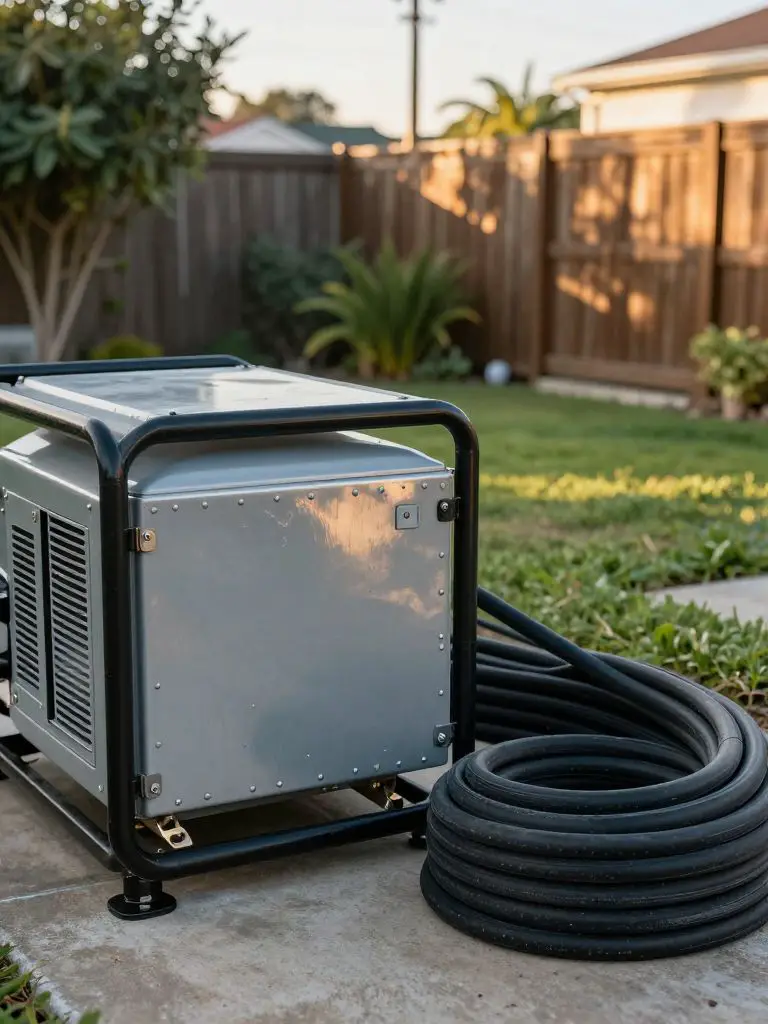
Solar is great… until it’s not.
Cloudy days, system issues—things happen. That’s why you need backup.
Reliable options:
- Generator (gas or propane)
- Backup battery bank
- Small wind turbine
Ask yourself: What happens if my main system fails for 3 days?
4. Invest in Effective Energy Storage Solutions
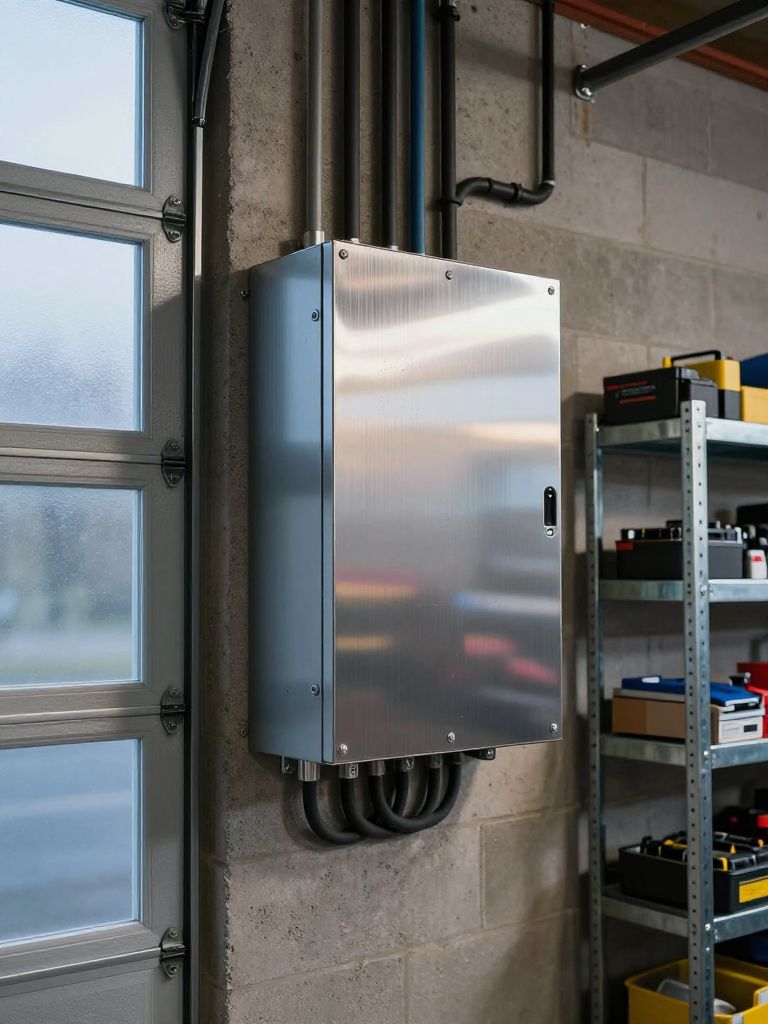
Energy storage is where the magic happens.
Without good batteries, your solar setup feels incomplete.
Popular battery options:
- Lithium-ion (efficient, long-lasting)
- Lead-acid (cheaper but shorter lifespan)
IMO, investing in better batteries early saves you money long-term.
5. Add a Composting Toilet for Eco-Friendly Waste Management
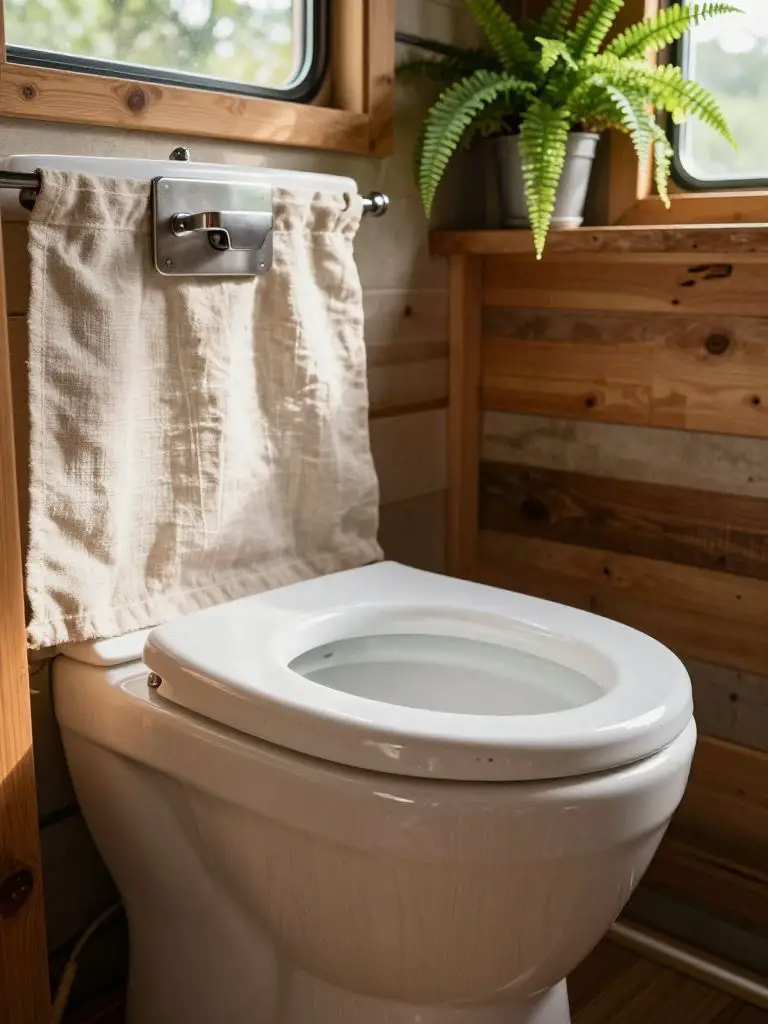
This one sounds weird at first… but it makes total sense.
A composting toilet helps you:
- Save water
- Reduce waste
- Create compost (when managed properly)
And honestly? It’s way cleaner than people expect.
6. Start a Garden with Perennial Fruits and Vegetables
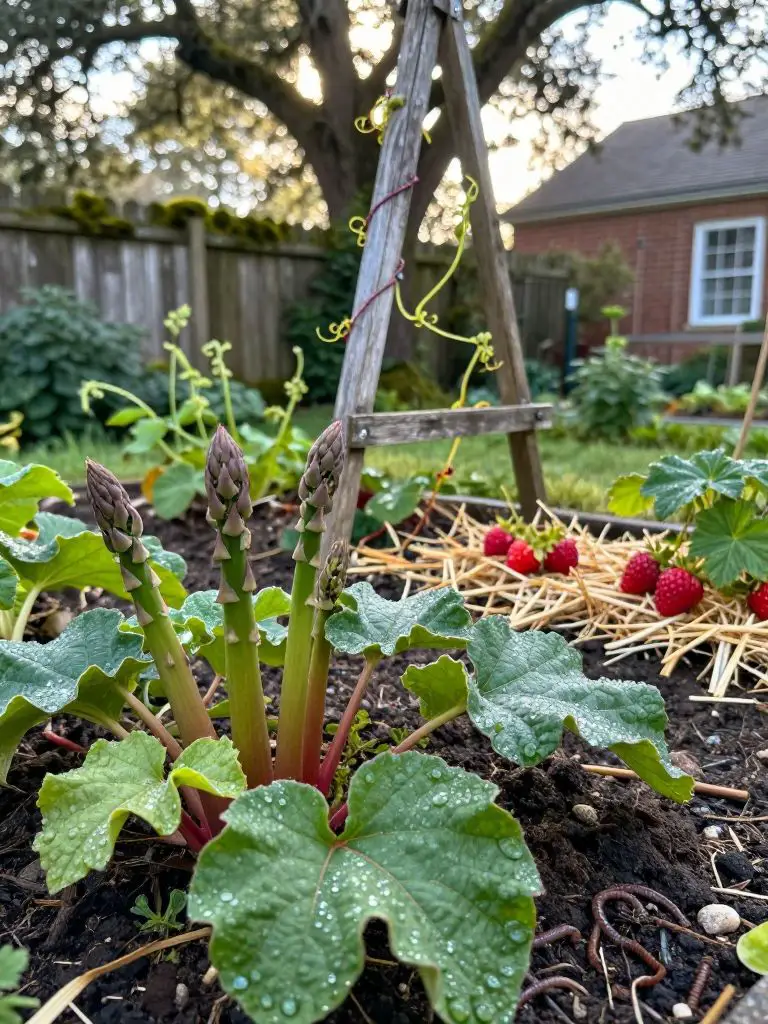
Perennials = less work over time.
You plant once and enjoy for years.
Great perennial options:
- Fruit trees
- Berry bushes
- Herbs
Why keep replanting every season if you don’t have to?
7. Rotate Crops and Pair Plants for Better Growth
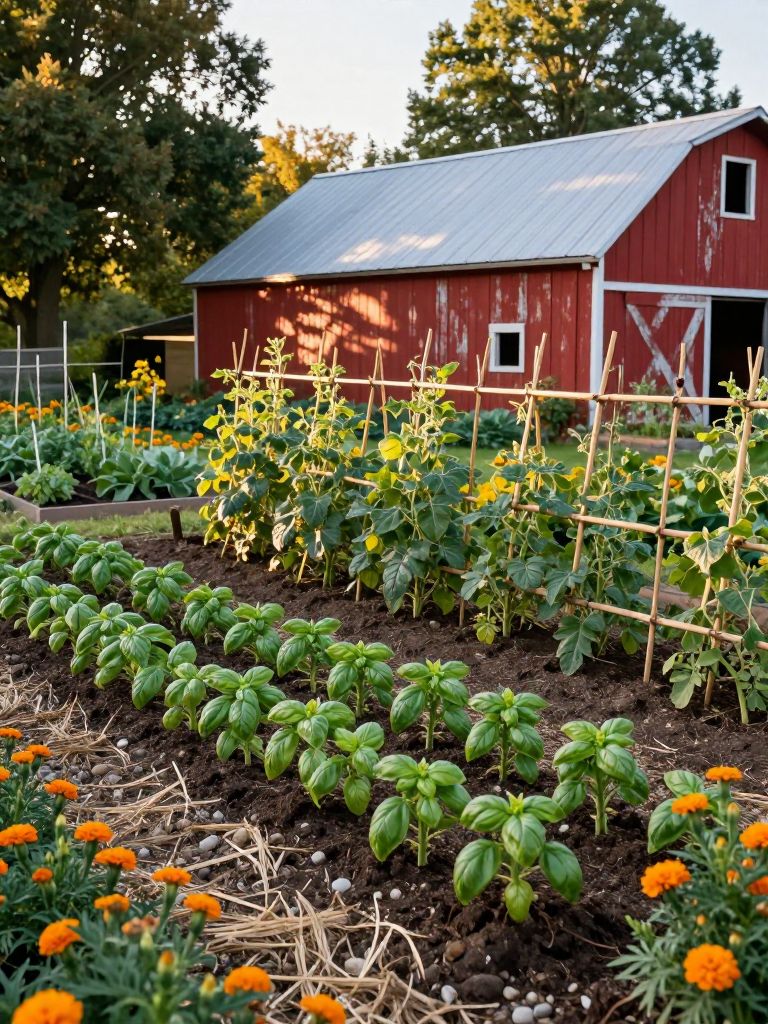
Your soil needs care too.
If you grow the same thing in the same spot, nutrients get depleted.
Simple strategies:
- Rotate crops each season
- Pair plants that support each other (like tomatoes + basil)
This one small habit can dramatically improve your harvest.
8. Extend Your Growing Season with a Greenhouse or Hoop House
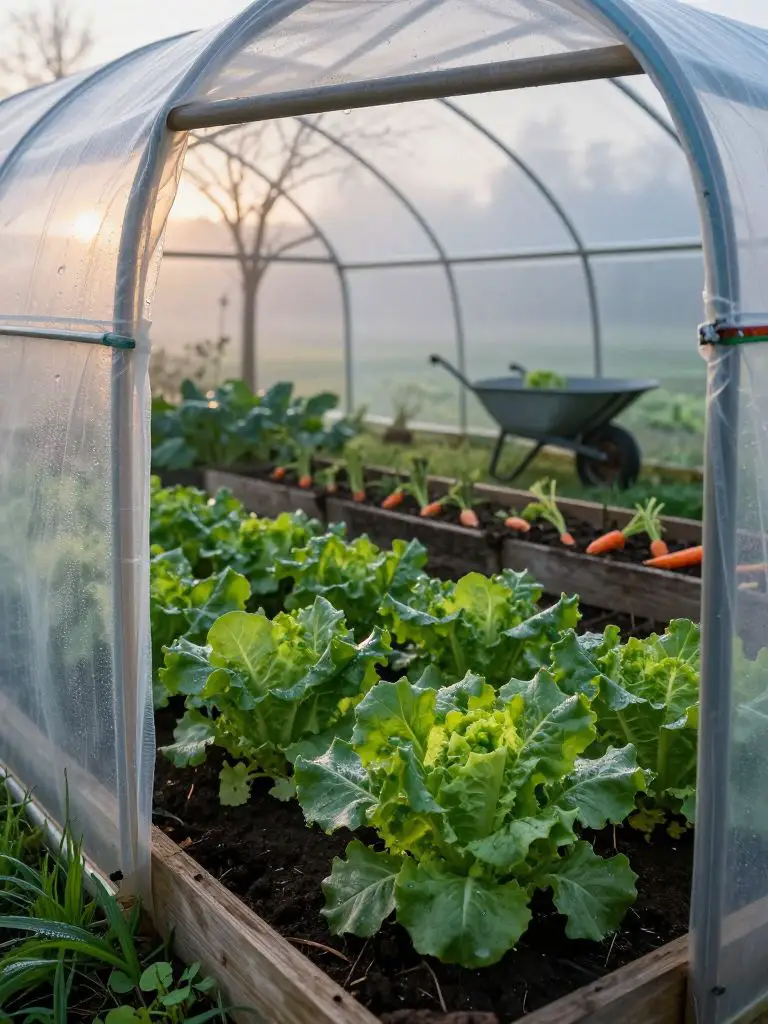
Want more food? Extend your season.
A greenhouse lets you grow when others can’t.
Benefits:
- Protection from weather
- Longer growing periods
- More control over conditions
I started small with a basic hoop house—it made a huge difference.
9. Design Your Space Using Permaculture Principles
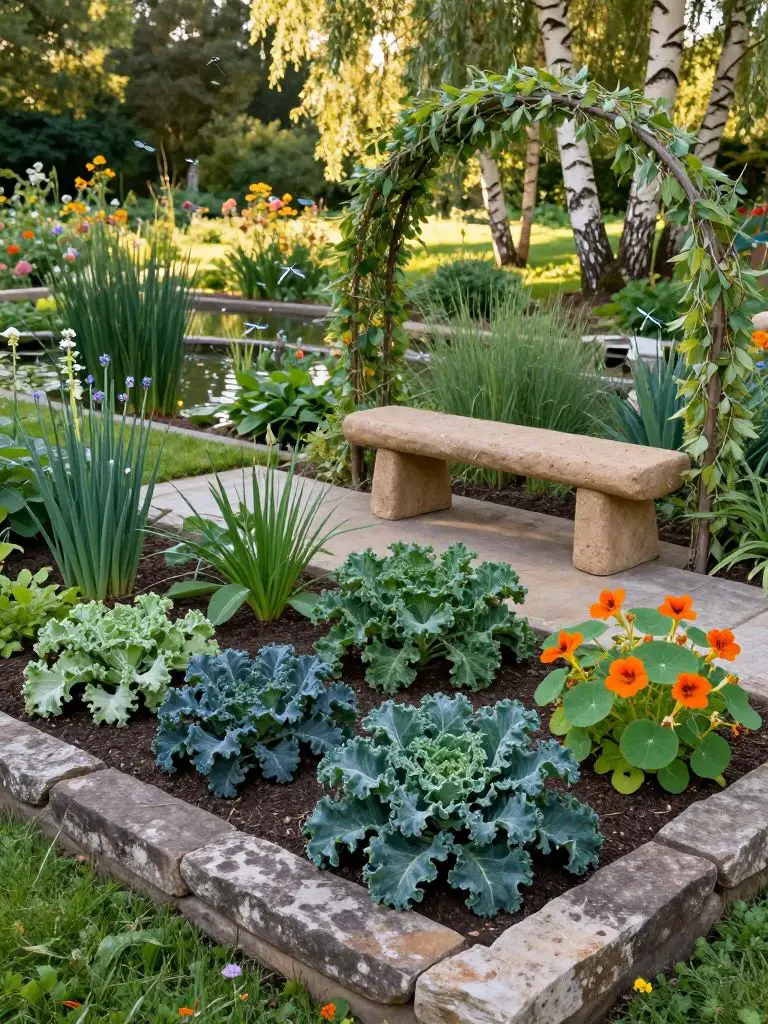
Permaculture sounds complex, but it’s really about working with nature, not against it.
Think smart layout.
Key ideas:
- Place elements where they naturally work best
- Reduce waste
- Create self-sustaining systems
Ever noticed how nature organizes itself perfectly? Copy that.
10. Raise Animals for Food and Natural Fertilizer
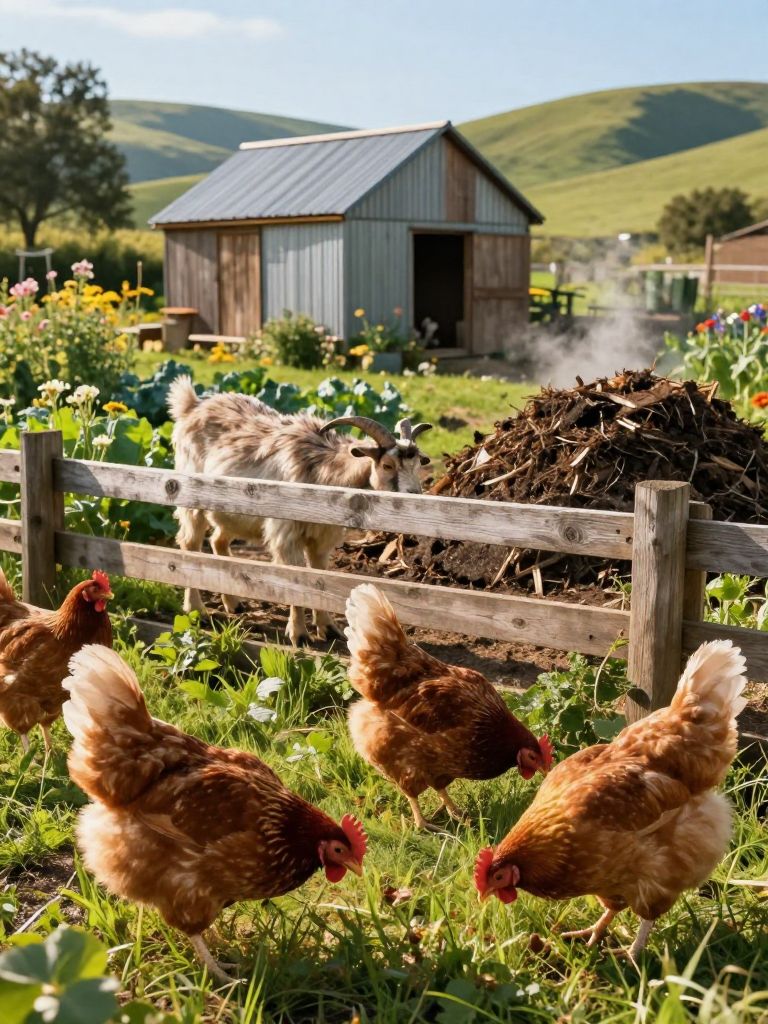
Animals add another layer to your system.
They provide food and improve your land.
Common choices:
- Chickens (eggs + fertilizer)
- Goats (milk)
- Rabbits (low space, efficient)
Start small—animals need consistent care.
11. Use Simple Methods to Preserve Your Harvest

Growing food feels great… until it spoils.
That’s why preservation matters.
Go-to methods:
- Canning
- Drying
- Freezing (if you have power)
Nothing beats opening your own preserved food months later.
12. Take Advantage of Passive Solar Heating and Cooling
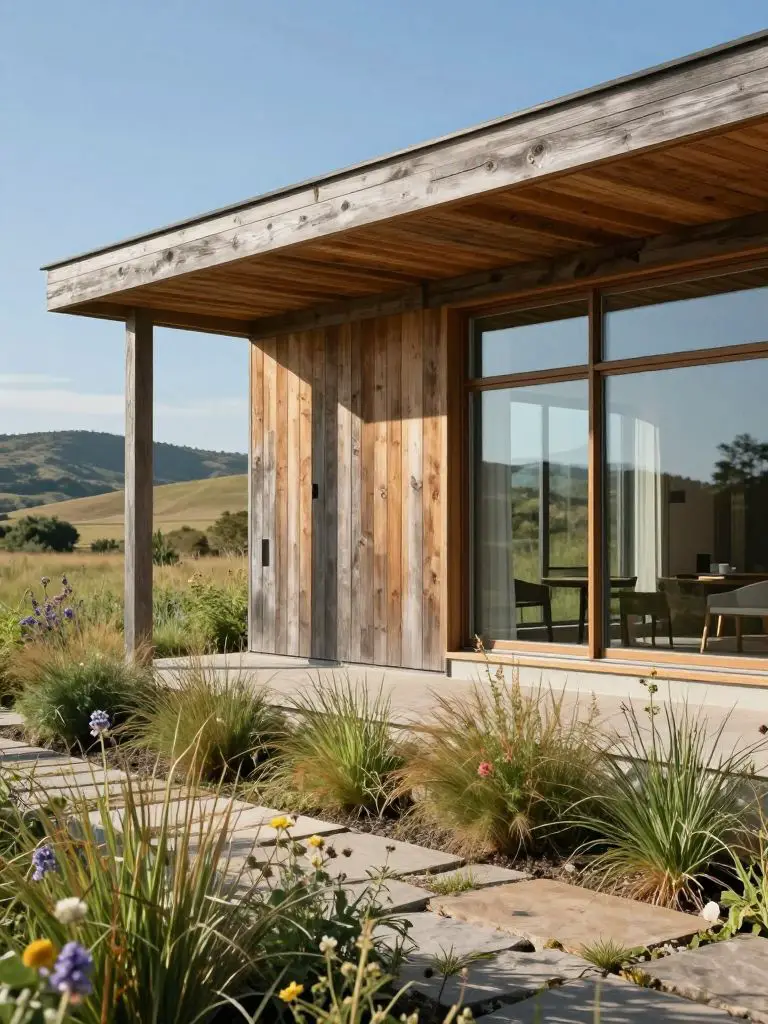
You don’t always need machines.
Design your home to naturally regulate temperature.
Ideas to try:
- South-facing windows
- Proper insulation
- Natural airflow design
Ever walked into a house that feels cool without AC? That’s smart design.
13. Build Up a Supply of Firewood for Fuel
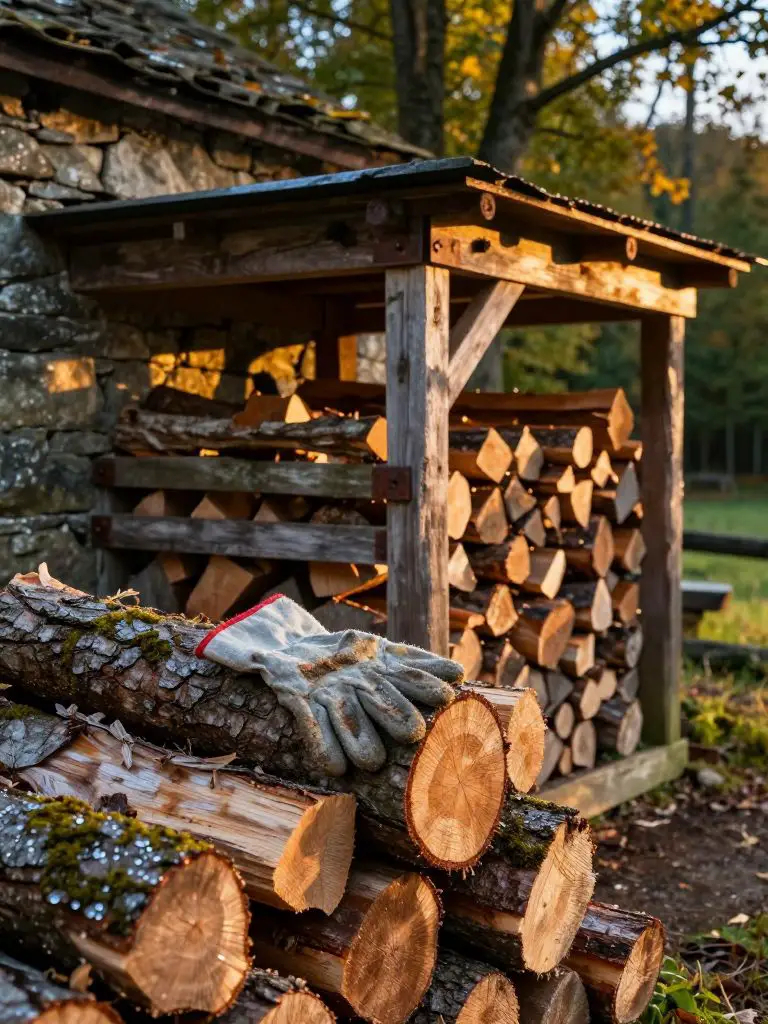
If you rely on wood, don’t wait until you need it.
Firewood takes time to dry.
Best practice:
- Cut and store at least 6–12 months ahead
- Keep wood dry and covered
Running out of firewood in the cold… yeah, not fun :/
14. Set Up Systems to Reuse Water Safely
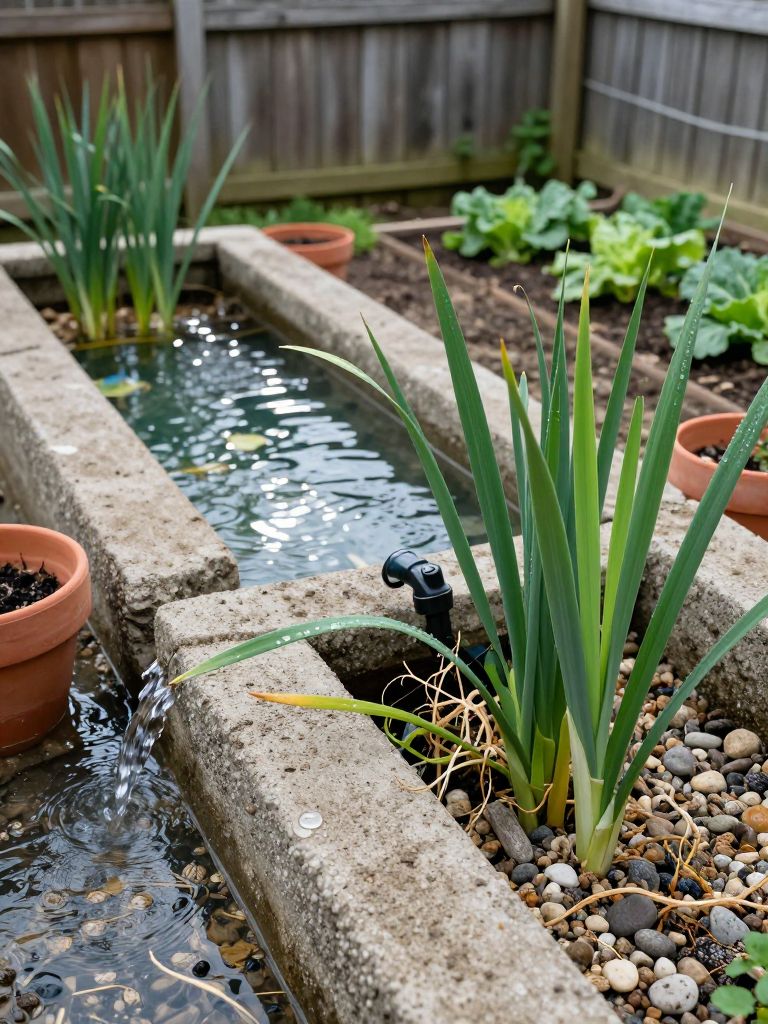
Water reuse stretches your supply.
You don’t always need fresh water for everything.
Examples:
- Greywater for irrigation
- Reusing wash water for plants
Just make sure you filter and use safely.
15. Keep Reliable Communication Channels Off the Grid
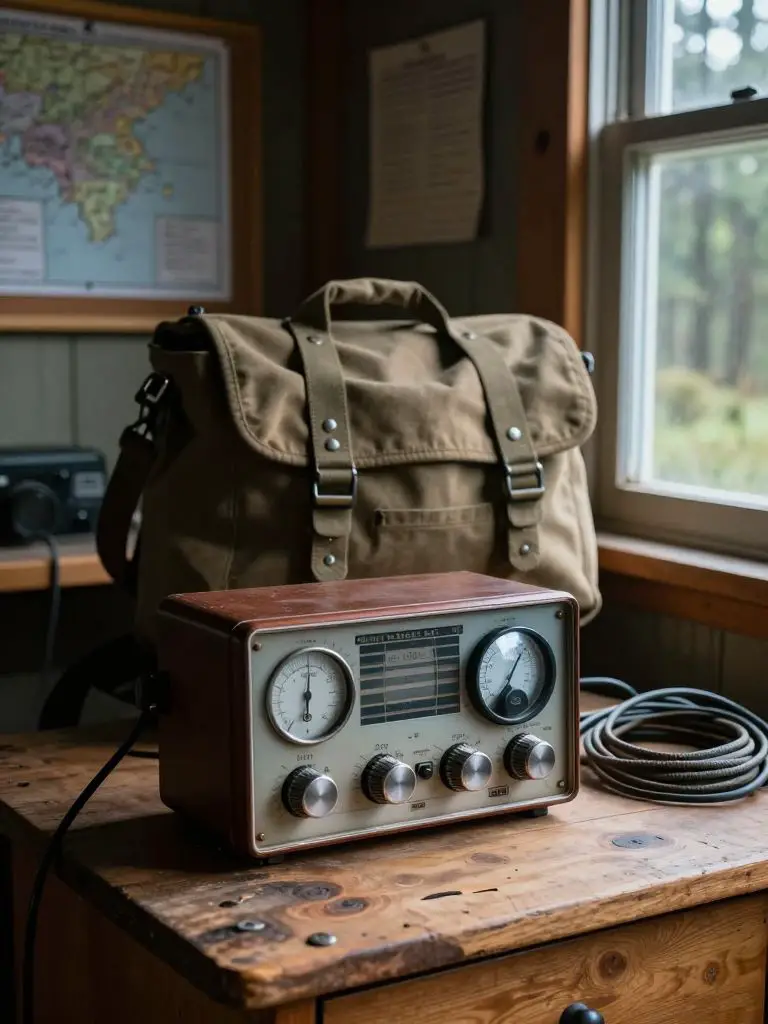
Living off grid doesn’t mean disappearing.
You still need communication.
Options:
- Satellite phone
- Radio systems
- Offline messaging devices
What if something goes wrong and you can’t reach anyone?
16. Learn Basic Repair and Maintenance Skills
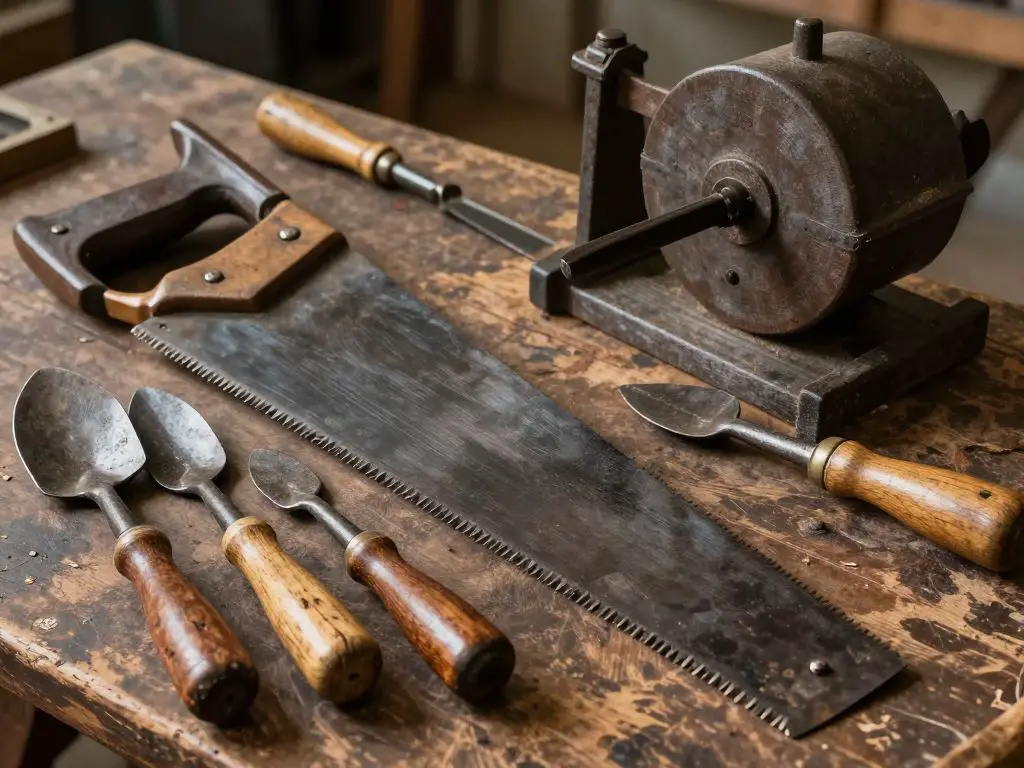
Things break. Always.
And when you live off grid, you fix them.
Essential skills:
- Basic electrical fixes
- Plumbing repairs
- Tool handling
I used to depend on others. Now I actually enjoy solving problems myself.
17. Create Plans for Emergencies and Unexpected Events
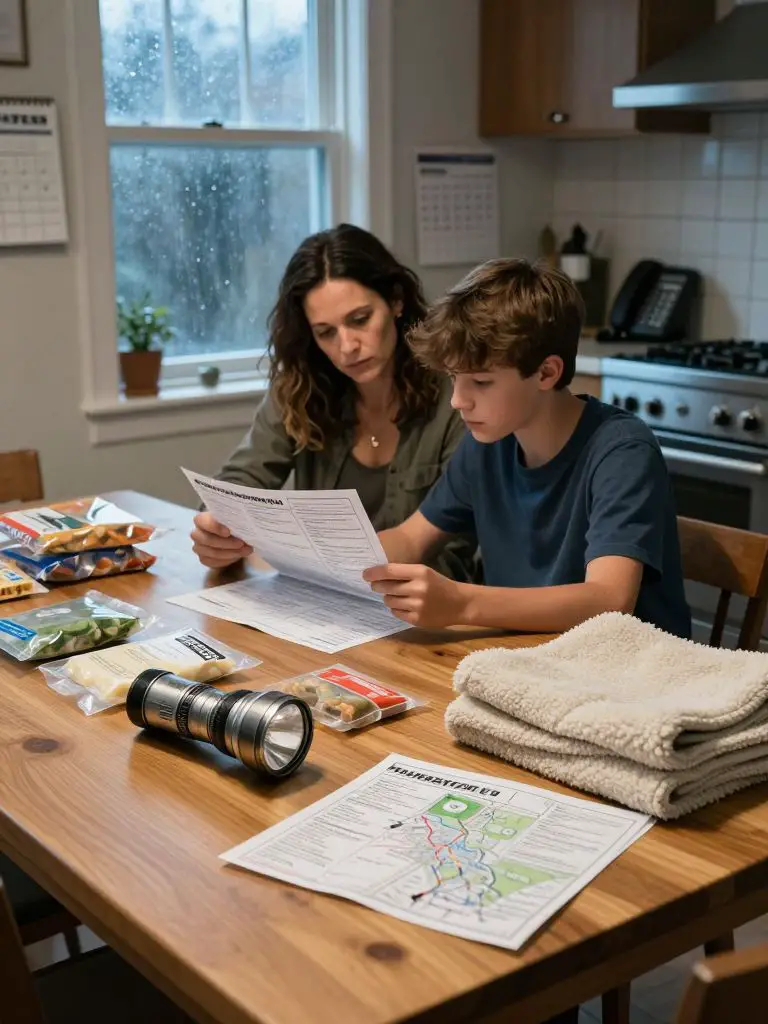
Preparation gives peace of mind.
You don’t want to figure things out during a crisis.
Have plans for:
- Power failure
- Medical emergencies
- Extreme weather
Write it down. Practice it. Don’t just think about it.
18. Connect with Others for Support and Shared Knowledge

You don’t have to do this alone.
Even off grid, community matters.
Why it helps:
- Share knowledge
- Trade resources
- Support each other
Ever learned a shortcut from someone experienced? Saves tons of time.