
Living off-grid doesn’t mean sacrificing comfort or modern conveniences. I’ve spent years exploring sustainable tiny homes, and I can tell you that the right combination of smart design and eco-friendly systems creates a living space that’s both cozy and kind to the planet. Whether you’re planning to build your own self-sufficient tiny home or just daydreaming about a simpler life, these ideas will show you how achievable it really is.
The beauty of off-grid tiny homes lies in their ability to reduce your environmental footprint while giving you more freedom. You’re not tied to utility companies, you control your resources, and you live according to your values. Let’s explore fourteen practical ways to make your off-grid tiny house both sustainable and comfortable.
1. Solar Energy for Everyday Living
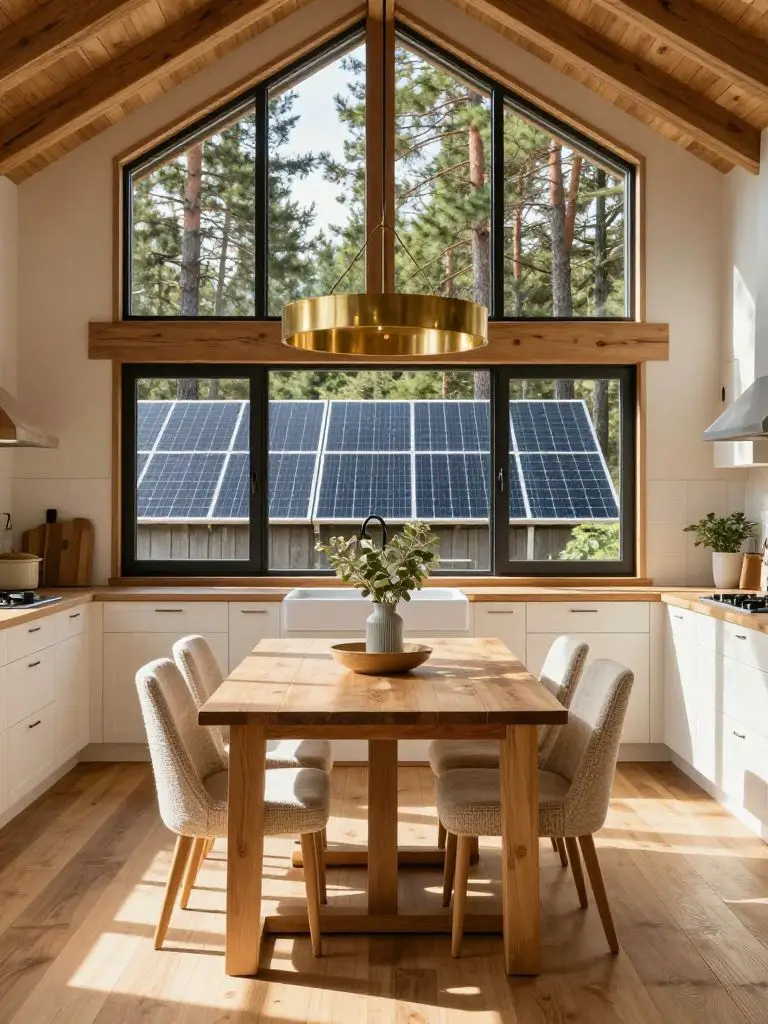
Solar panels are the backbone of most off-grid living ideas. I’ve seen setups ranging from basic 400-watt systems to elaborate arrays that power everything from laptops to washing machines. The key is calculating your actual energy needs before investing in panels.
Start with a quality charge controller and deep-cycle batteries to store power for cloudy days and nighttime use. Lithium batteries cost more upfront but last significantly longer than lead-acid alternatives. Position your panels to capture maximum sunlight throughout the day, and you’ll have reliable electricity without monthly bills.
Most off-grid tiny homes need between 1,000 and 3,000 watts of solar capacity depending on lifestyle and appliance choices. Track your energy usage for a few weeks to determine your sweet spot.
2. Collecting and Using Rainwater
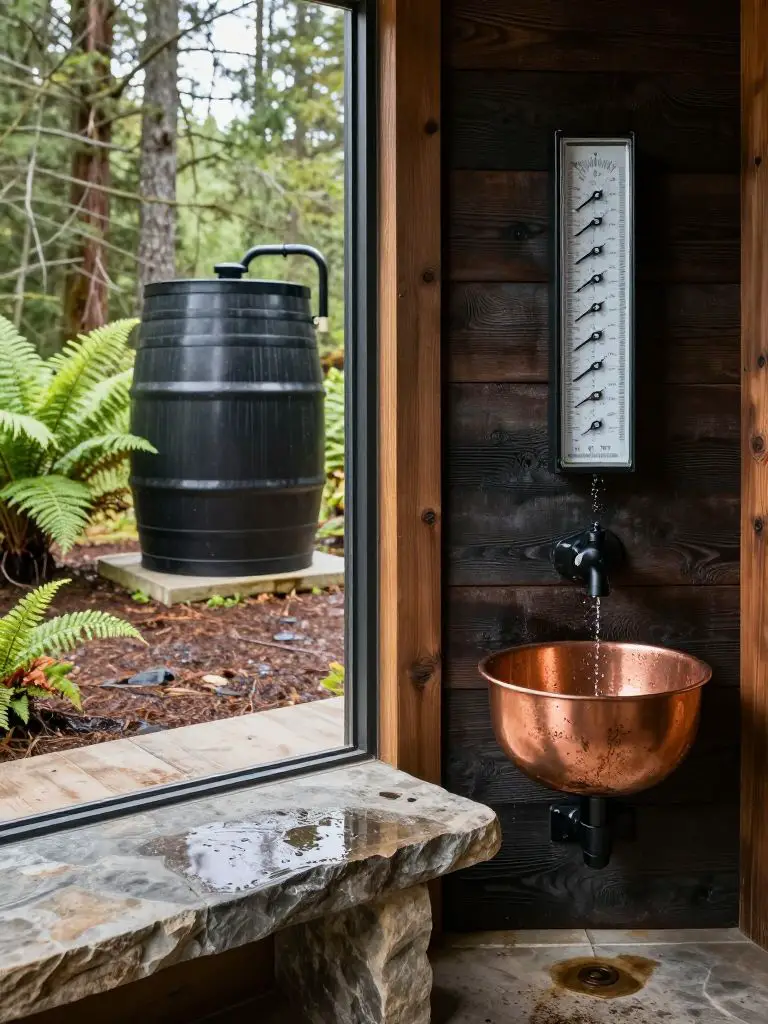
Rainwater harvesting transforms your roof into a water source. I love how this system makes you appreciate every drop while cutting dependence on municipal water supplies. A 500-square-foot roof can collect thousands of gallons annually in most climates.
Install gutters that feed into food-grade storage tanks, and add a first-flush diverter to keep debris out. Use a simple filtration system for washing and cleaning, and upgrade to a multi-stage purification setup if you want to drink it. Some people I know have lived comfortably for years on rainwater alone.
Regular maintenance matters here. Clean your gutters seasonally and sanitize tanks annually to keep water fresh and safe.
3. Green Toilet Alternatives
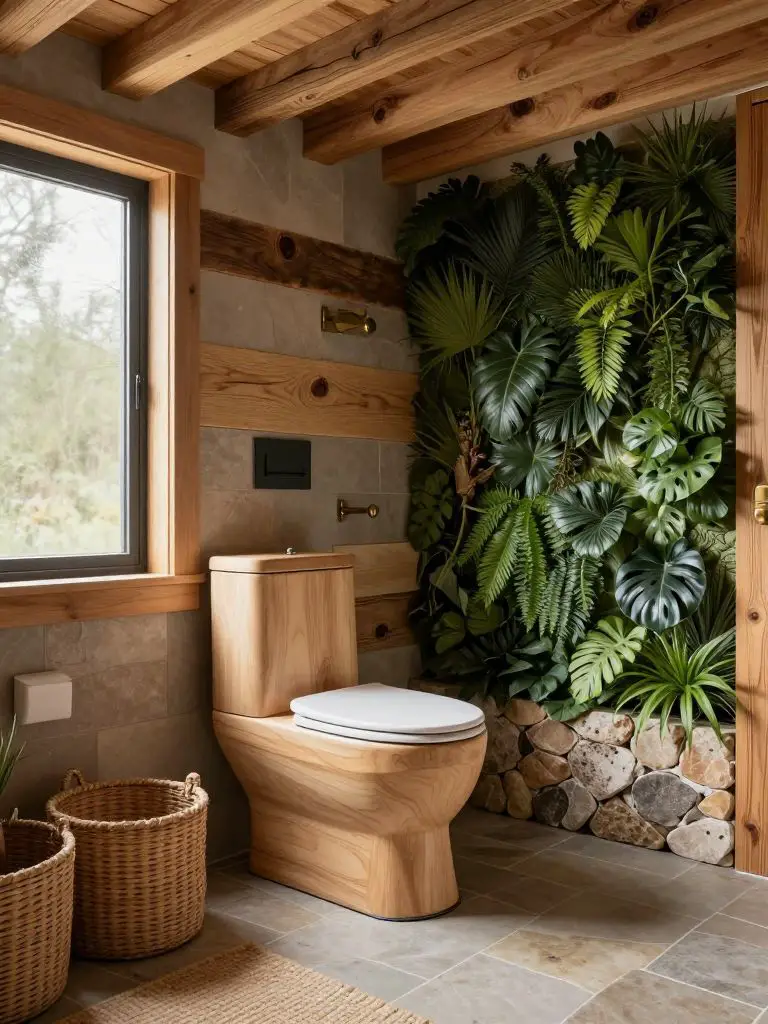
Composting toilets revolutionize off-grid bathroom solutions without the need for septic systems or water connections. Modern versions don’t smell when maintained properly, and they turn waste into usable compost for gardens.
You’ve got options ranging from simple bucket systems to sophisticated self-contained units with ventilation fans. The Nature’s Head and Separett models are popular among sustainable tiny homes because they’re compact and efficient. Some separate liquids from solids to reduce odor and speed decomposition.
Expect to empty a composting toilet every 4-6 weeks for two people, depending on the model. It’s less gross than you’d think, and way better for the environment than conventional toilets.
4. Heating with Wood Stoves
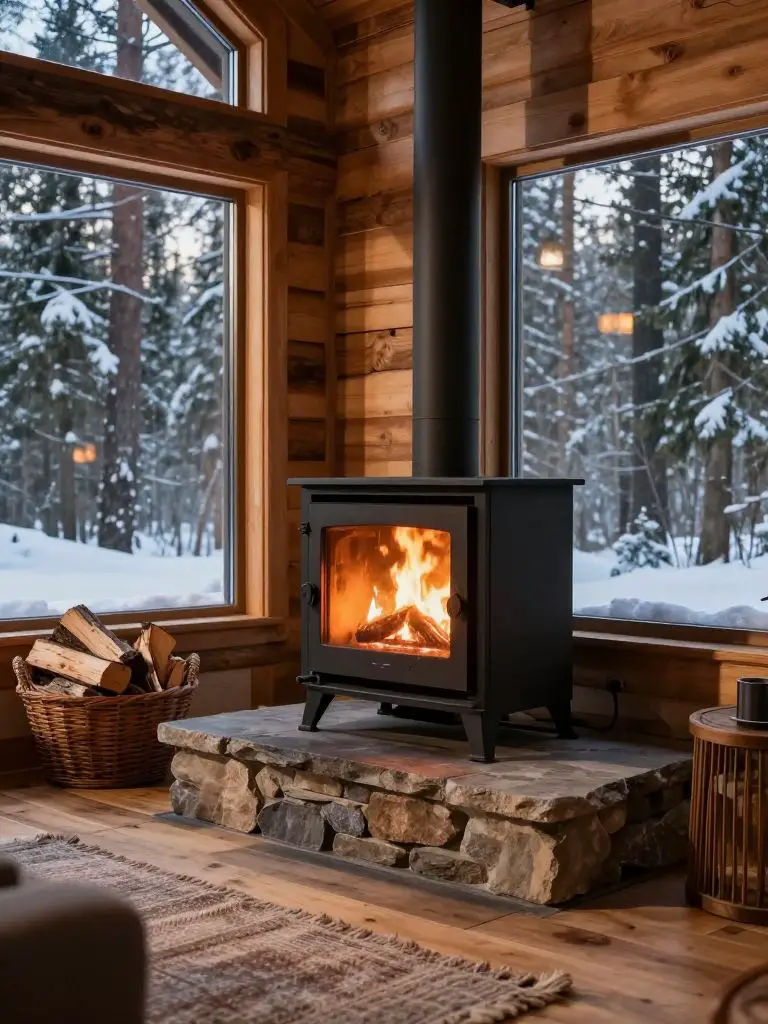
A quality wood stove creates amazing ambiance while keeping your space toasty through winter months. I’m partial to small models designed specifically for tiny homes, which heat efficiently without taking up too much floor space.
Look for stoves with high-efficiency ratings and clean-burn technology. The Dwarf and Hobbit models work beautifully in compact spaces. Position your stove centrally for even heat distribution, and install proper ventilation to meet safety codes.
Sourcing firewood sustainably matters. Collect fallen wood from your property, buy from local suppliers, or arrange deals with tree services. Store wood in a dry location for at least six months before burning for optimal efficiency.
5. Insulation with the Environment in Mind
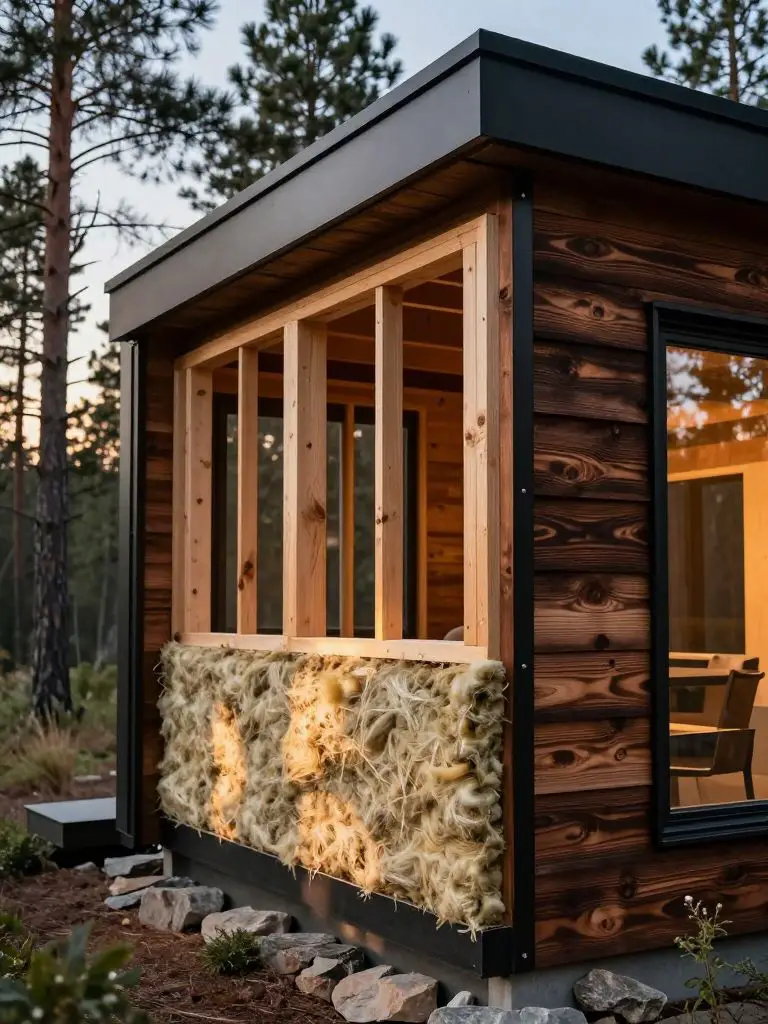
Proper insulation dramatically reduces your heating and cooling needs, making other systems work less hard. Eco-friendly options like sheep’s wool, cork, and recycled denim perform excellently while avoiding the chemicals found in conventional insulation.
I’ve seen tiny homes insulated with natural materials that stay comfortable year-round with minimal energy input. Sheep’s wool naturally regulates moisture and resists mold. Cork provides excellent thermal and sound insulation. Both options cost more initially but pay dividends in comfort and sustainability.
Aim for R-values of at least R-19 in walls and R-30 in ceilings for most climates. Don’t forget to seal air leaks around windows and doors, which matter just as much as insulation thickness.
6. Growing Food Vertically Indoors
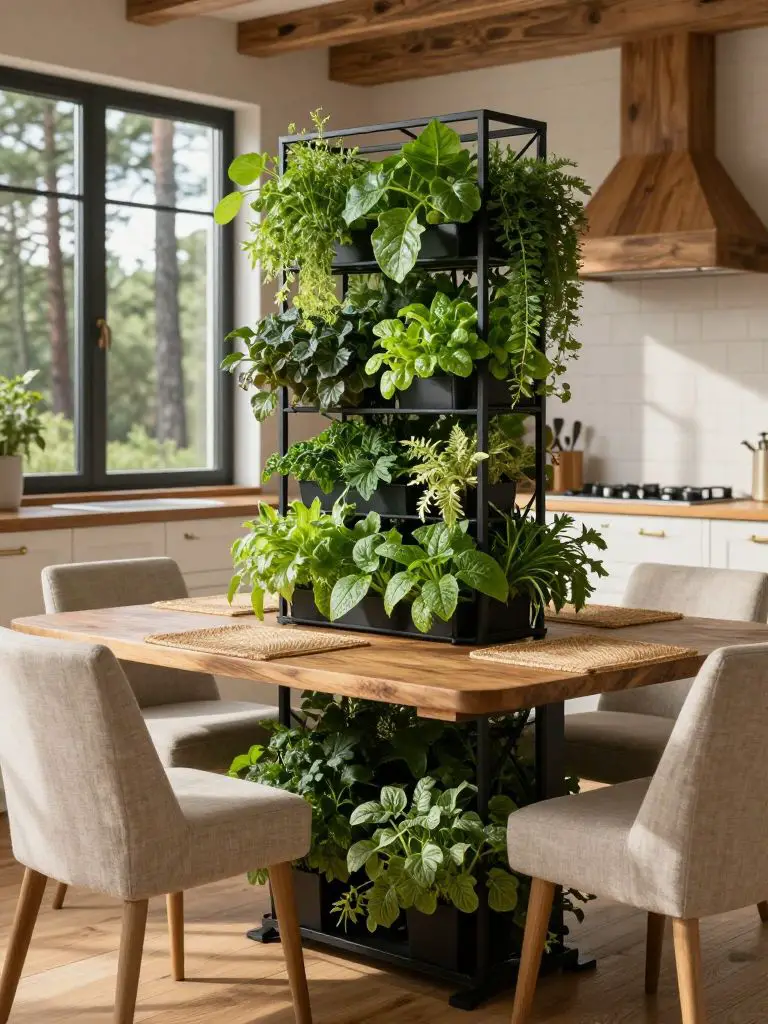
Vertical gardens maximize limited space while providing fresh herbs and vegetables year-round. Wall-mounted planters, hanging systems, and tiered shelving turn unused vertical space into productive growing areas.
Grow lights powered by your solar system enable year-round gardening regardless of season or climate. Leafy greens, herbs, cherry tomatoes, and peppers thrive in indoor vertical setups. I know people who grow enough salad greens to never buy them at stores.
Start small with herbs like basil, cilantro, and parsley. These grow quickly, need minimal space, and save money while adding flavor to meals. Expand to larger crops as you gain confidence.
7. Choosing Earth-Friendly Building Supplies
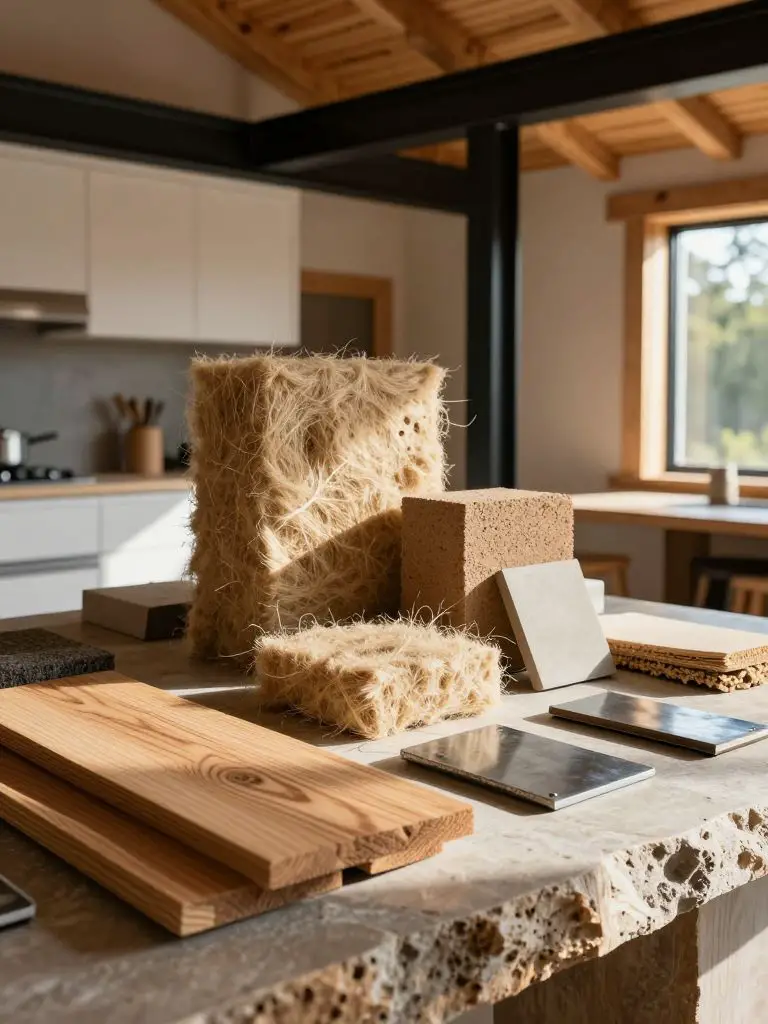
Building materials make a huge difference in your home’s environmental impact. Reclaimed wood, recycled metal roofing, and natural plasters reduce waste while creating unique character that new materials can’t match.
Salvage yards and deconstruction sites offer incredible deals on quality materials. I’ve found gorgeous hardwood flooring, vintage windows, and solid doors for a fraction of retail prices. These materials often outlast modern alternatives and tell a story.
When buying new, choose FSC-certified lumber, low-VOC paints, and locally-sourced materials when possible. Your choices affect both the planet and your indoor air quality.
8. Designs Tailored for Off-Grid Living
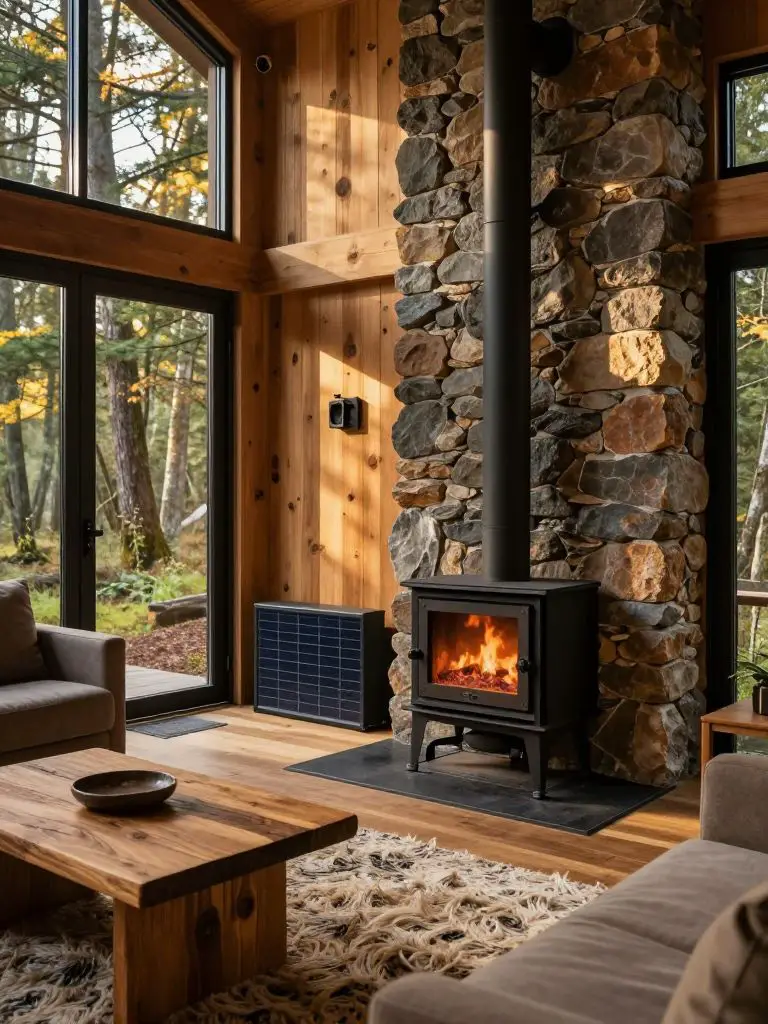
Off-grid tiny homes require thoughtful design that balances efficiency with livability. South-facing windows maximize passive solar heating. High ceilings and lofts create spaciousness without increasing your footprint. Strategic window placement enables cross-ventilation for natural cooling.
Multi-functional furniture transforms spaces throughout the day. Fold-down tables, murphy beds, and storage stairs make every square foot work harder. I’m always impressed by designs that feel spacious despite minimal square footage.
Plan for storage when you design. Even minimalist living requires places for tools, seasonal items, and supplies. Built-in storage solutions maintain clean lines while keeping necessities accessible.
9. Solar-Powered Hot Water Solutions
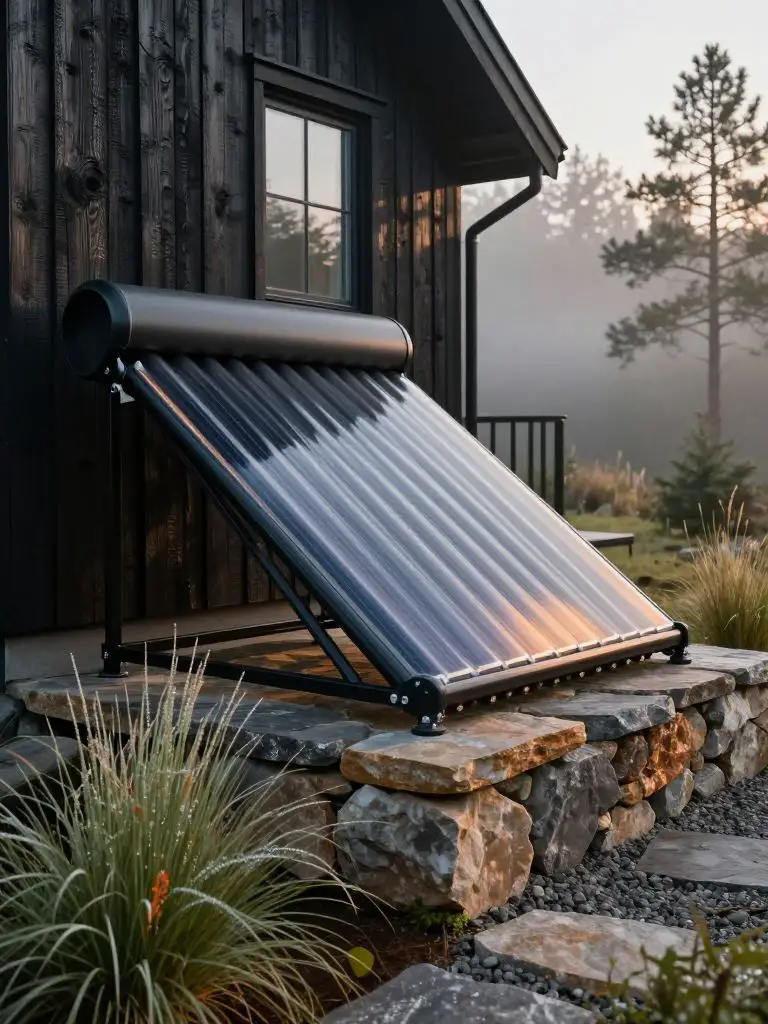
Hot showers feel amazing, especially when powered by the sun. Solar water heaters range from simple batch systems to sophisticated evacuated tube collectors. Most off-grid setups use on-demand propane heaters as backup for cloudy periods.
Batch systems work beautifully in sunny climates. Paint a tank black, place it in an insulated box with a glass cover, and let the sun do its work. For year-round reliability, evacuated tube systems perform well even in cold or cloudy conditions.
On-demand propane heaters provide endless hot water using minimal fuel. Models designed for RVs work perfectly in eco-friendly tiny houses. Some run on solar-charged batteries for ignition, creating a hybrid system that rarely needs grid power.
10. Staying Connected Off the Grid
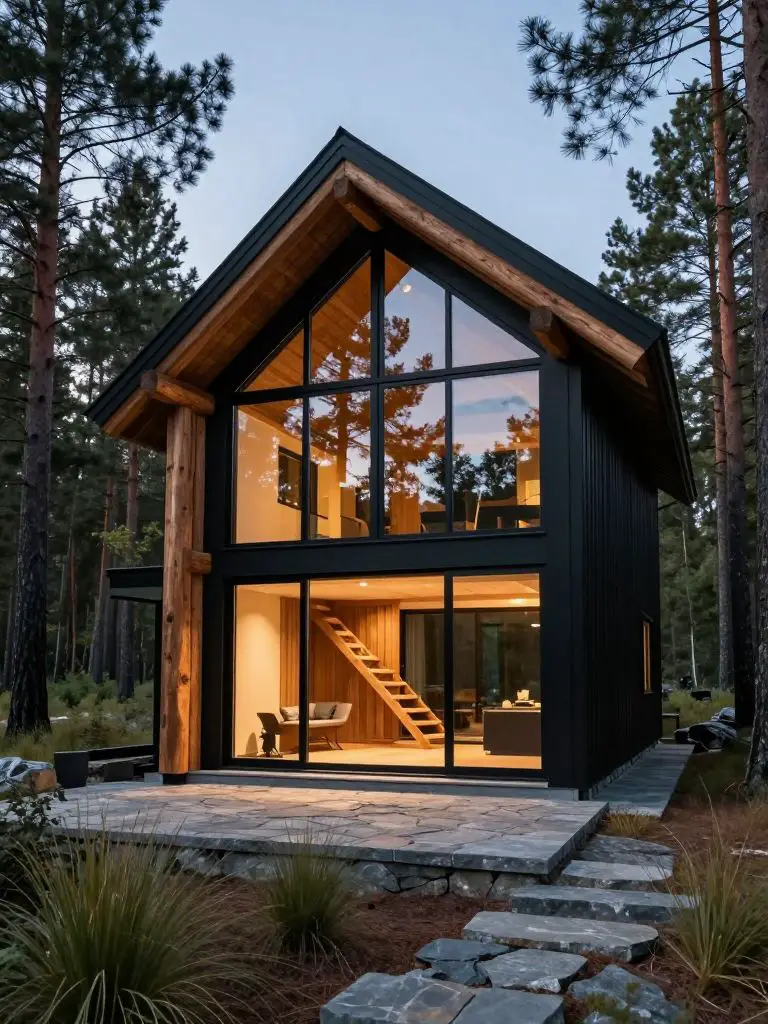
Living off-grid doesn’t mean disconnecting from the world unless you want to. Cellular boosters extend signal range for phone and internet access. Satellite internet has improved dramatically, with Starlink offering high-speed connections even in remote locations.
Power your devices efficiently with USB charging stations connected to your solar system. Laptops, phones, and tablets use relatively little energy compared to appliances. Many people work remotely from self-sufficient tiny homes without compromising connectivity.
Consider your communication needs before choosing a location. Some spots get decent cellular coverage while others require satellite solutions. Test signals before committing to property if staying connected matters to you.
11. Low-Energy Appliances for Tiny Homes
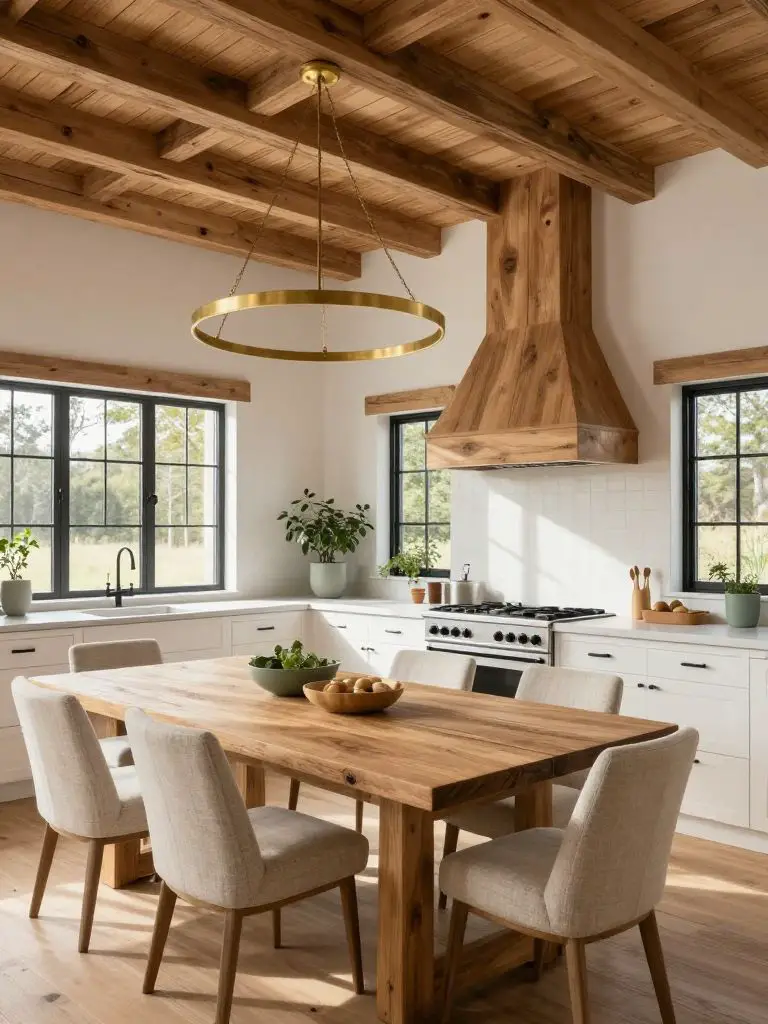
Energy-efficient appliances stretch your solar capacity further. Look for 12-volt DC refrigerators designed for RVs and boats, which use a fraction of the power conventional fridges consume. Induction cooktops heat quickly while drawing less power than electric coils.
Skip energy hogs like electric dryers and dishwashers. Clotheslines work perfectly, and washing dishes by hand in a tiny home takes minutes. Prioritize the appliances that truly improve your quality of life and skip the rest.
Calculate wattage before purchasing any appliance. Those watts add up quickly, and oversizing your solar system costs serious money. Sometimes the old-fashioned manual approach works better than electrical solutions.
12. Creating Outdoor Living Rooms
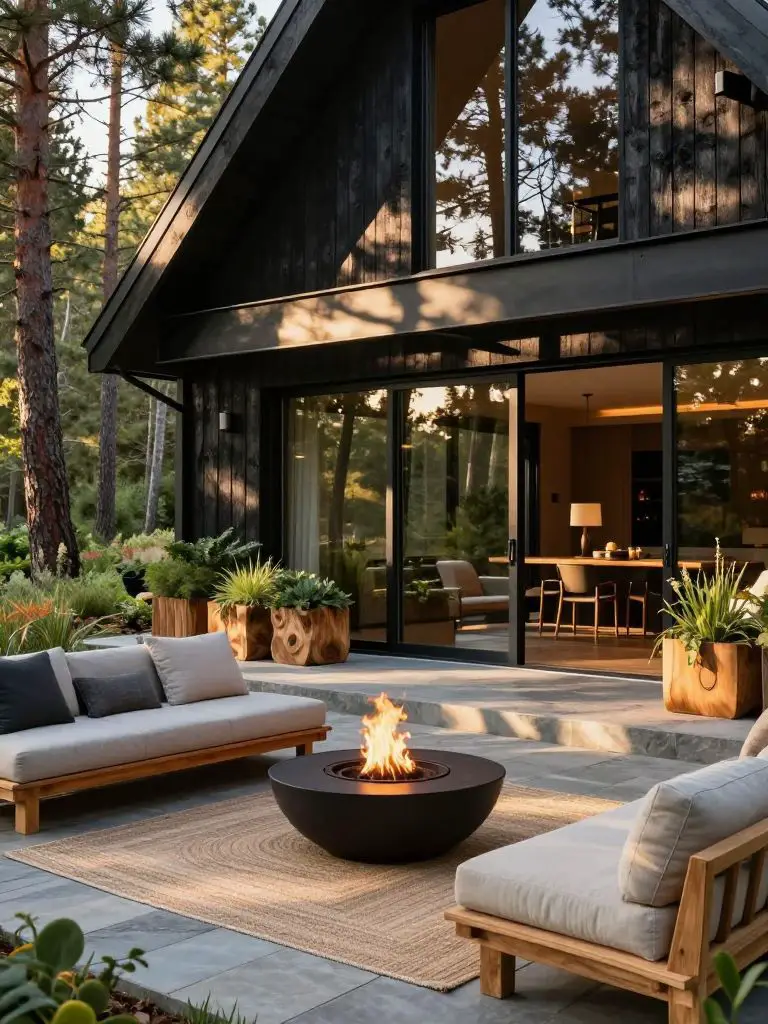
Outdoor spaces effectively double your living area during pleasant weather. Covered porches, decks, and patios become extensions of your home for dining, working, or relaxing. I’ve seen gorgeous outdoor kitchens and living areas that rival indoor spaces.
Use weather-resistant furniture and materials that handle the elements. String solar-powered lights for evening ambiance without tapping your battery bank. Plant shade trees and climbing vines to create natural cooling and privacy.
Fire pits and outdoor seating areas become gathering spots for friends and family. Living small doesn’t mean entertaining small when you embrace outdoor spaces as part of your home.
13. Living Off-Grid in a Community
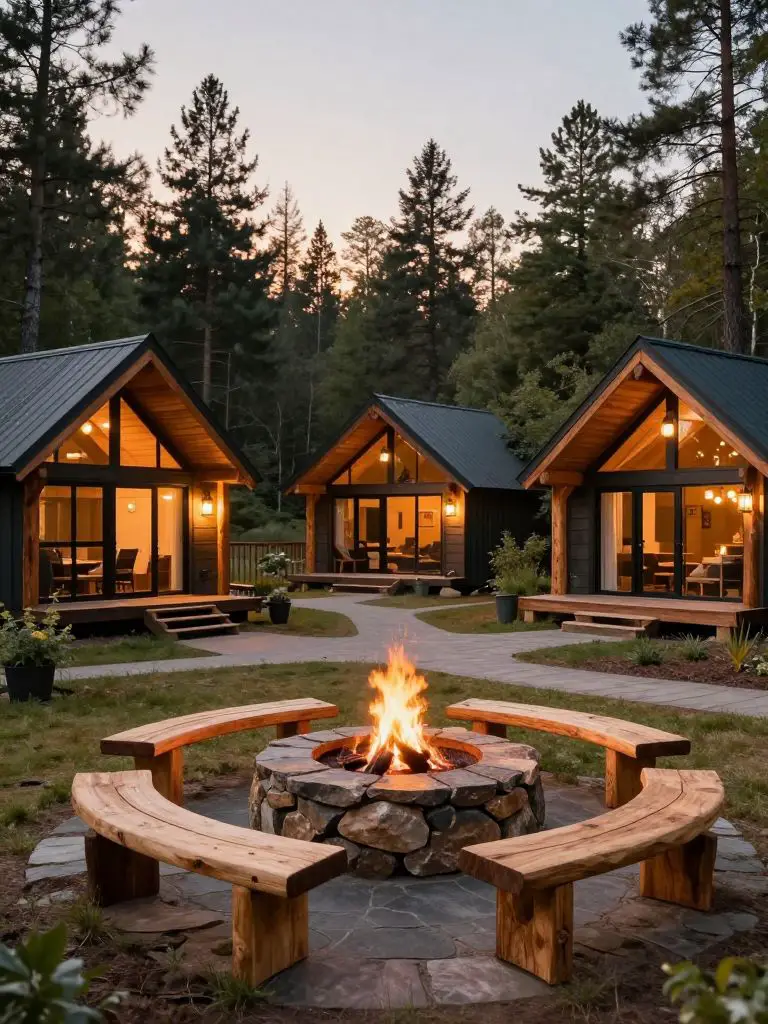
Off-grid communities offer the best of both worlds—independence plus neighbors who share your values. Members often share knowledge, tools, and resources while maintaining private homes. Some communities organize around shared values like permaculture or renewable energy.
These communities solve challenges like road maintenance, bulk material purchases, and emergency assistance. You’re never truly alone when something breaks or you need an extra hand with a project.
Research communities carefully before joining. Visit multiple times, talk to residents, and understand the agreements and expectations. The right community enhances off-grid living while the wrong fit creates frustration.
14. Embracing a Minimalist Lifestyle
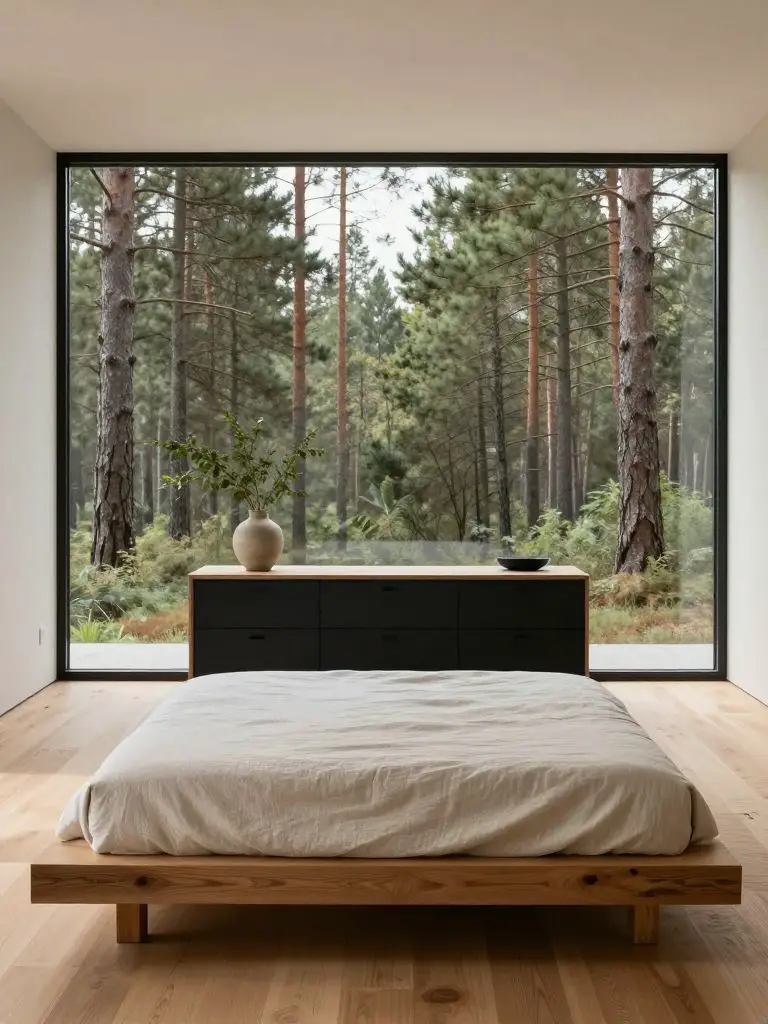
Minimalism naturally accompanies sustainable tiny homes. Limited space forces you to keep only what you actually use and value. I’ve found this surprisingly freeing rather than restrictive.
Quality beats quantity when choosing possessions. Buy durable items that serve multiple purposes. A good knife, versatile cookware, and well-made clothes outlast cheap alternatives while taking less space. Digital books and media eliminate physical storage needs for entertainment.
The minimalist mindset extends beyond possessions to energy and resource use. You become mindful of every watt and gallon, which naturally reduces waste. This awareness creates a deeper connection to your consumption patterns and environmental impact.
These fourteen ideas show how off-grid tiny homes successfully combine sustainability with genuine comfort. You don’t sacrifice modern conveniences—you simply power and supply them differently. Start with the systems that match your priorities and budget, then expand as you learn what works for your lifestyle. The journey toward self-sufficient living rewards you with freedom, lower costs, and the satisfaction of treading lighter on the earth. Your perfect off-grid tiny home is more achievable than you might think.