
There’s something deeply appealing about the idea of stepping away from the grid and building a life that’s simpler, quieter, and more connected to the land. Off-grid cabin living isn’t just about disconnecting from utilities—it’s about designing a space that works smarter, wastes less, and gives you real freedom.
Whether you’re planning a weekend retreat or a full-time tiny house off the grid, the right ideas can make all the difference. From energy systems to clever storage hacks, these 17 off-grid tiny house cabin ideas will help you create a self-sufficient tiny house that’s as functional as it is cozy.
1. Solar Panels and Battery Storage
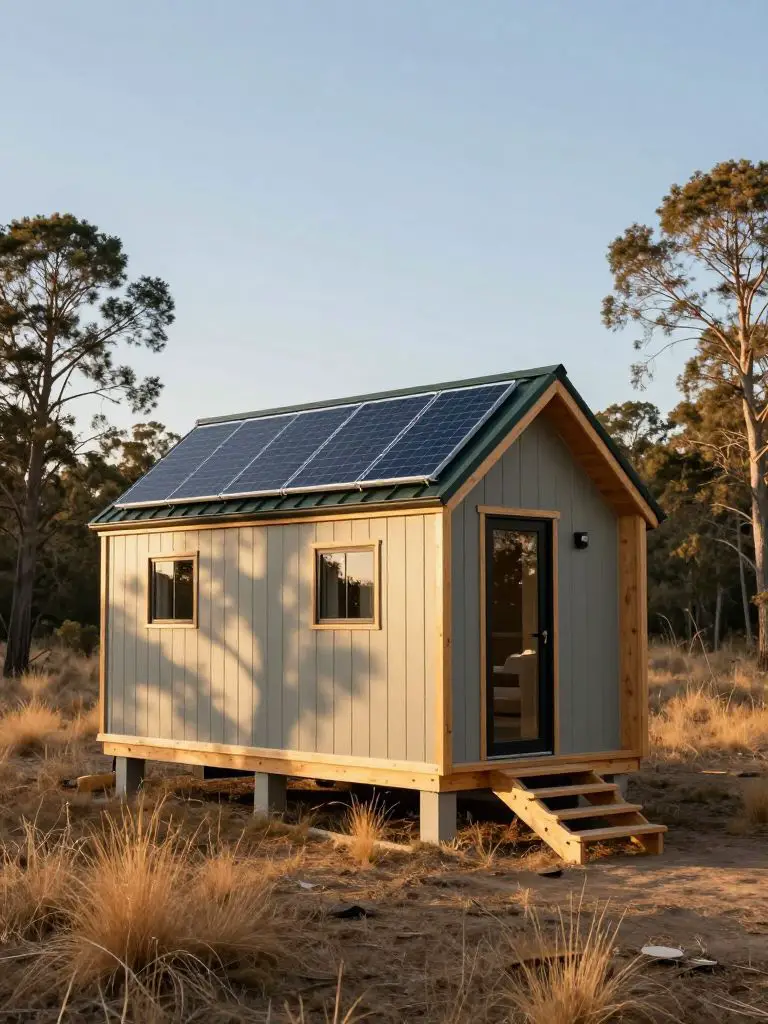
If you’re serious about off-grid living, solar power is your best friend. A well-designed solar setup can run your lights, charge your devices, and even power small appliances without a single utility bill.
The key is pairing your panels with a solid battery storage system. Lithium batteries are pricier upfront but last longer and handle deep discharges better than lead-acid options. Size your system based on your actual usage—not what you think you might need someday.
Position your panels where they’ll catch the most sun throughout the day. South-facing roofs work best in the Northern Hemisphere, and keeping them clear of shade is non-negotiable.
2. Collecting and Storing Rainwater
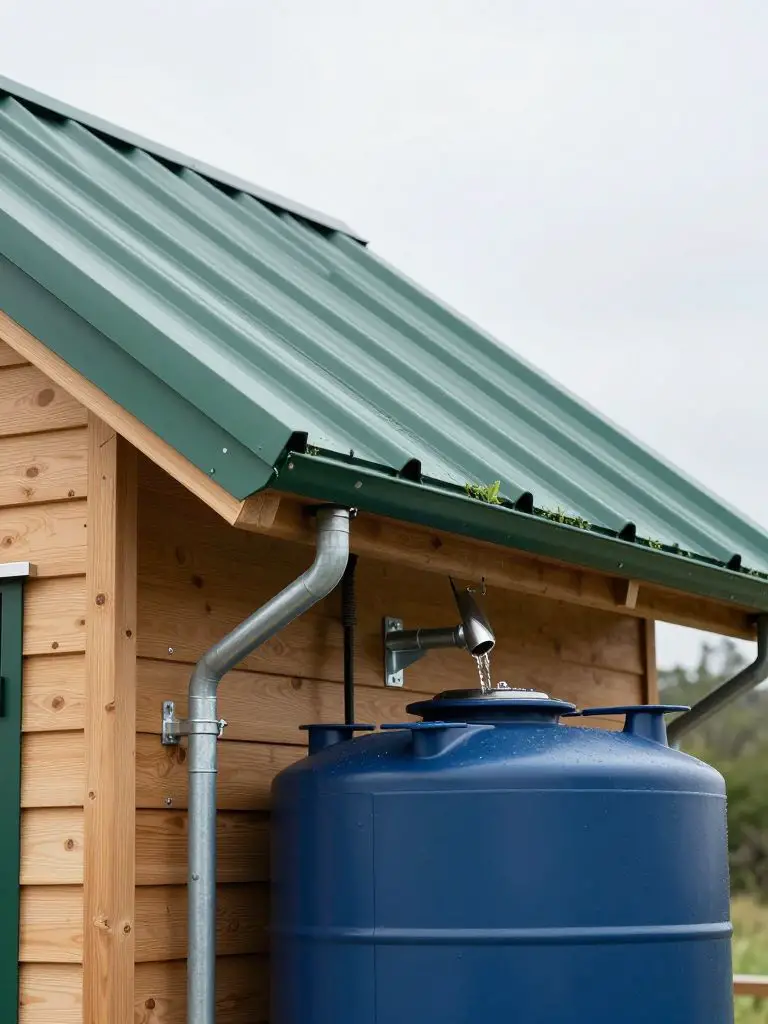
Rainwater collection is one of the most practical solutions for an off-grid cabin. With a few gutters, downspouts, and a storage tank, you can gather thousands of gallons each year depending on your roof size and local rainfall.
Use food-grade tanks if you plan to filter and drink the water. A first-flush diverter helps keep debris and contaminants out of your main storage. Add a simple filtration system, and you’ve got clean water for cooking, bathing, and washing.
Don’t forget a backup plan. Even in wet climates, dry spells happen. Having a secondary source or extra storage gives you peace of mind.
3. Eco-Friendly Waste Solutions
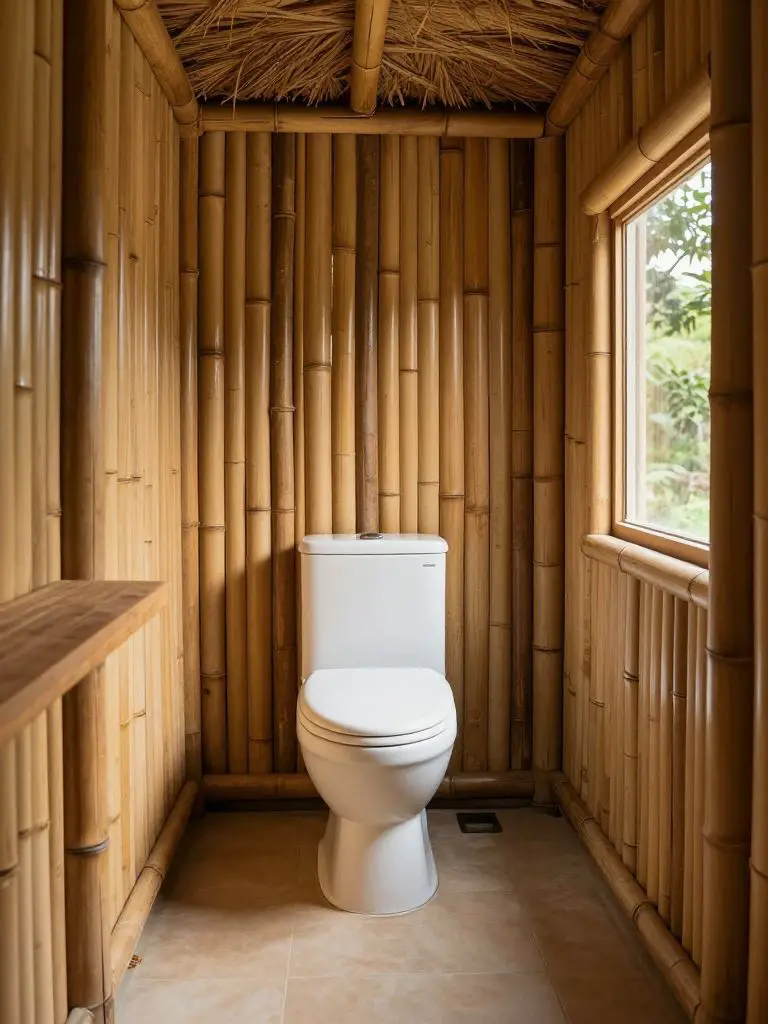
Let’s talk about the less glamorous side of off-grid cabin design: dealing with waste. Composting toilets are the gold standard here. They’re odor-free when maintained properly, use zero water, and turn waste into usable compost over time.
Brands like Nature’s Head and Separett are popular for a reason—they’re compact, reliable, and designed for tiny spaces. Greywater from sinks and showers can be filtered and reused for irrigation if you’re using biodegradable soaps.
It’s a mindset shift, but once you see how little you actually need to flush away, it’s hard to go back to conventional systems.
4. Space-Saving Wood Heating
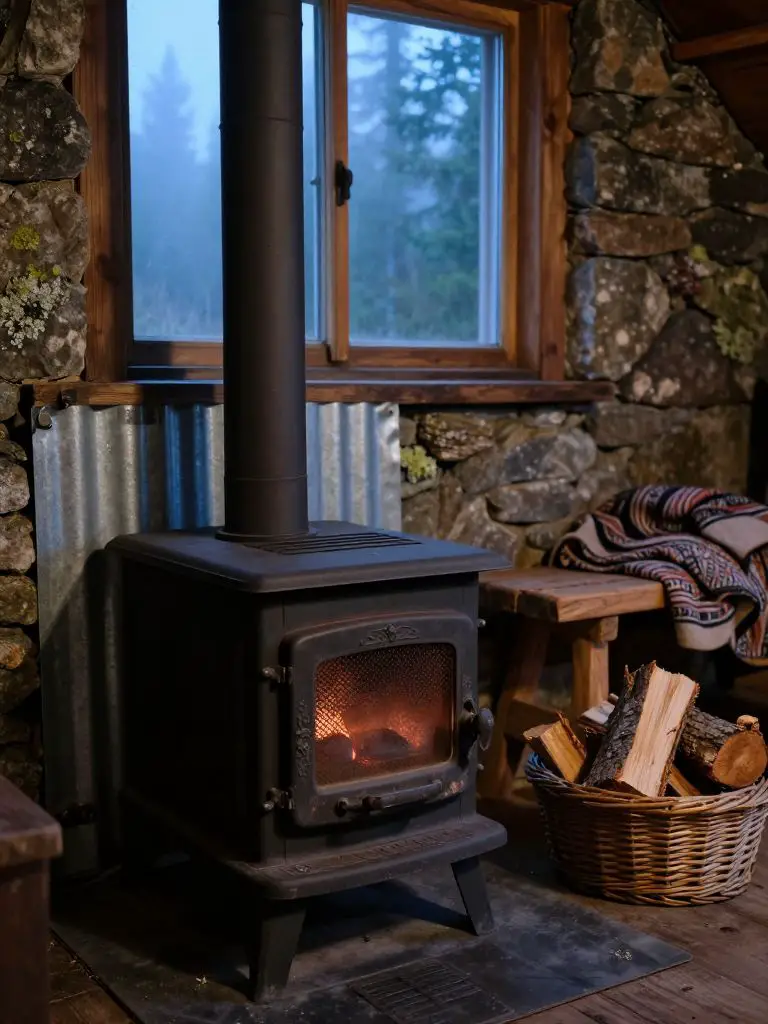
A wood stove isn’t just functional—it’s the heart of your cabin. Small, efficient models like the Cubic Mini or Dwarf stoves are perfect for tiny spaces and can heat up to 200 square feet without taking over the room.
Look for stoves with built-in cooktops if you want dual functionality. Heat shields and proper clearances are critical for safety, especially in tight quarters. Store your firewood outside under cover to keep it dry and ready to burn.
There’s nothing quite like the warmth and crackle of a real fire when you’re miles from the nearest power line.
5. Sleeping Lofts and Elevated Beds
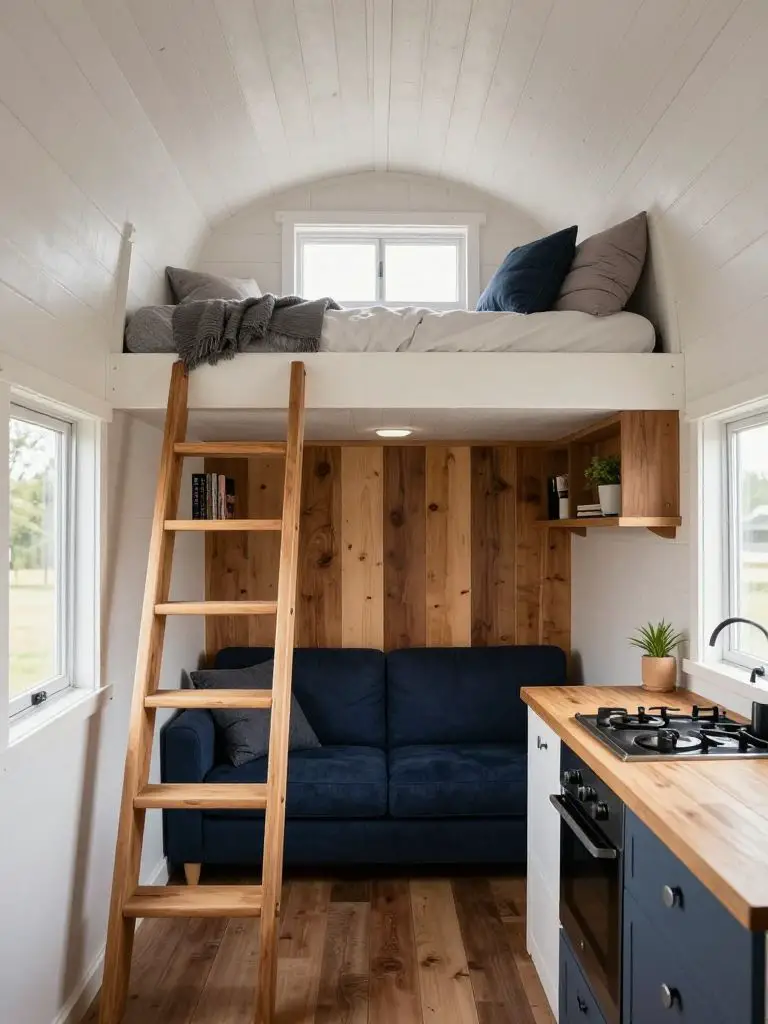
Sleeping lofts are a classic tiny house move, and for good reason. They free up your main floor for living space and give your cabin a sense of openness you wouldn’t get otherwise.
Keep ceiling height in mind—you want at least 3 to 4 feet of headroom above the mattress. Add a small window or skylight up there, and you’ve got a cozy nook with a view of the stars.
If climbing a ladder every night isn’t your thing, consider a platform bed with storage drawers underneath. You still gain vertical space without the acrobatics.
6. Convertible and Dual-Purpose Furniture
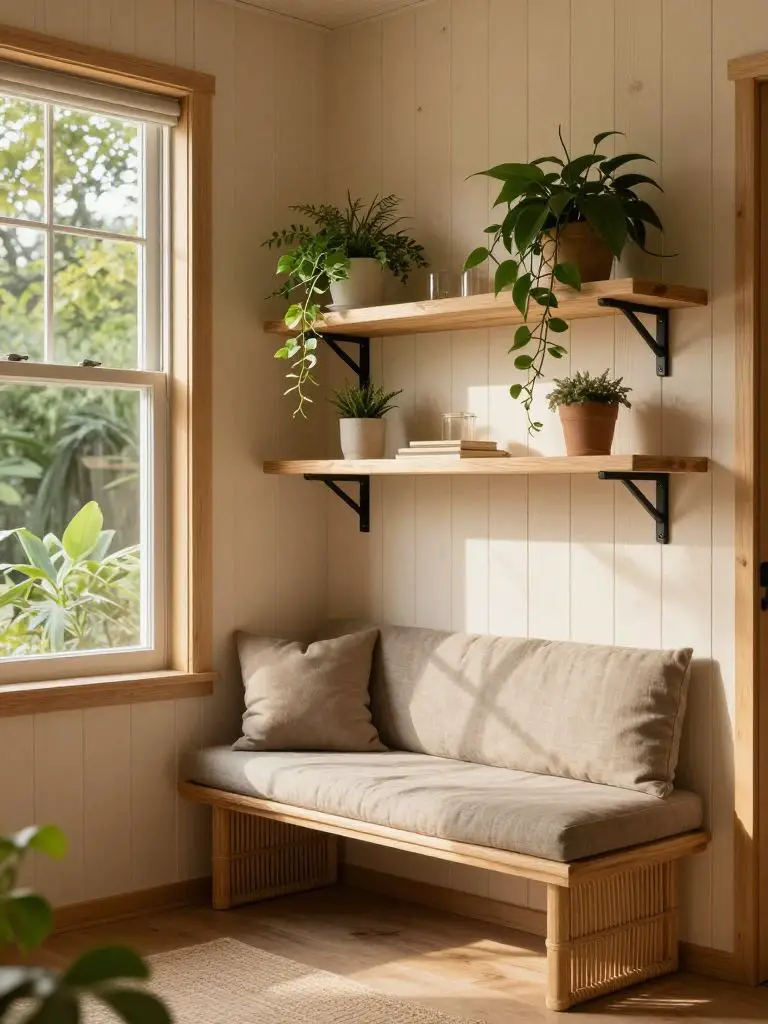
Every piece of furniture in an off-grid tiny home should earn its keep. Think fold-down tables, benches with hidden storage, and sofa beds that transform your living room into a guest suite.
Wall-mounted desks can flip up when not in use. Murphy beds are another smart option if you want to reclaim floor space during the day. I’ve seen ottomans that open to reveal blankets, tools, or pantry staples—small touches that add up fast.
The goal is flexibility. Your cabin should adapt to how you live, not the other way around.
7. Insulating with Natural Materials
Good insulation is what separates a cozy cabin from a freezing box. Natural materials like sheep’s wool, cork, and cellulose offer excellent thermal performance without the off-gassing of synthetic options.
Sheep’s wool is naturally moisture-wicking and fire-resistant, making it ideal for humid or coastal climates. Cork is lightweight, mold-resistant, and works beautifully in walls and floors. Cellulose is affordable and easy to install if you’re doing the work yourself.
Don’t skip the vapor barriers and air sealing. Even the best insulation won’t perform if drafts are sneaking through gaps.
8. Efficient Compact Kitchen Ideas
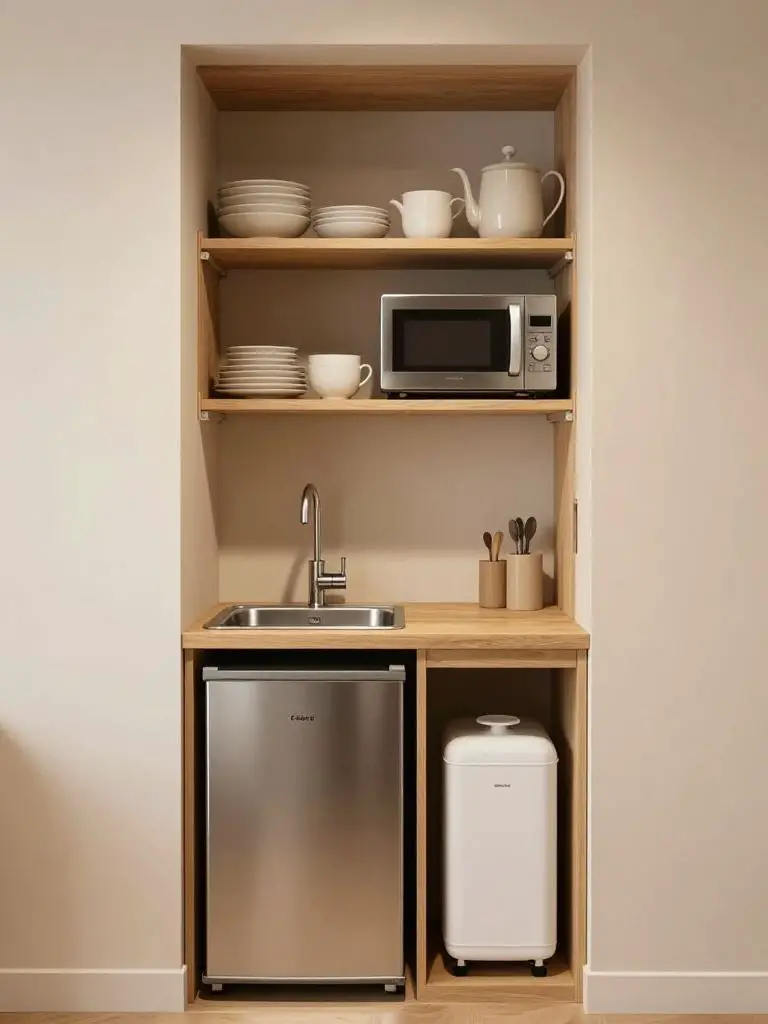
Your off-grid cabin kitchen doesn’t need to be huge to be functional. A two-burner propane stove, a small sink, and a few well-organized shelves can handle most cooking tasks.
Use vertical space with magnetic knife strips, hanging pot racks, and wall-mounted spice holders. A countertop convection oven or portable induction cooktop can replace a full-size range if you have the power. Open shelving keeps things accessible and makes the space feel larger.
Keep it simple and stock only what you actually use. You’ll be surprised how little you need once you cut the clutter.
9. Decks and Outdoor Seating Areas
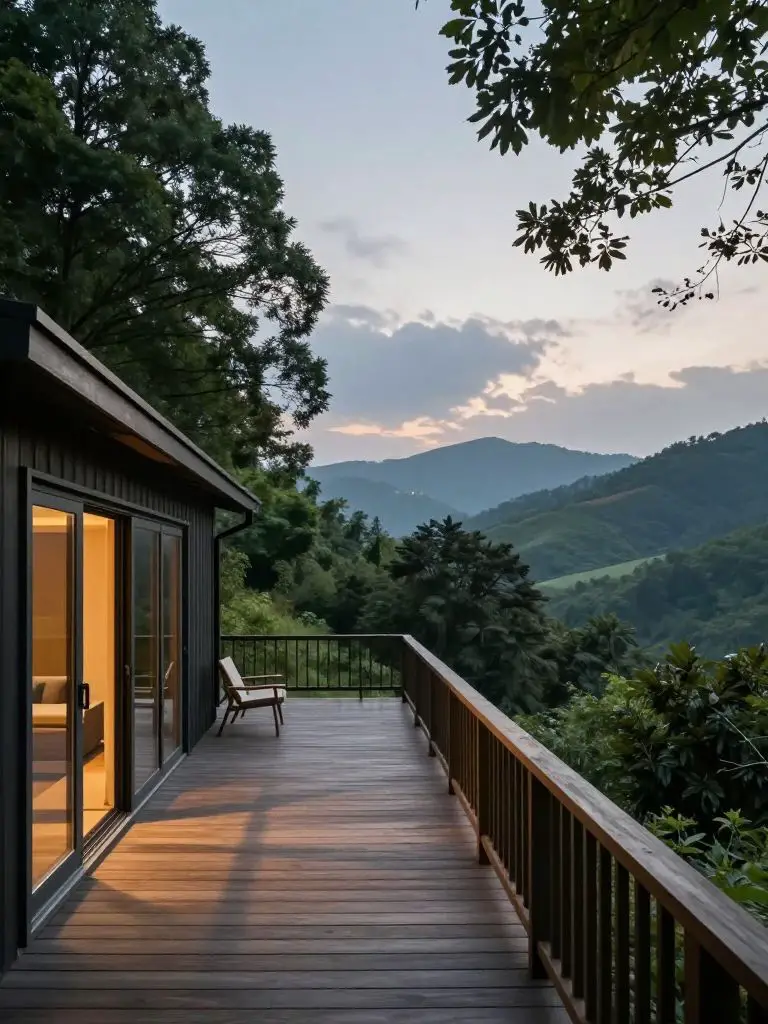
Your cabin might be small, but your living space doesn’t have to be. A deck extends your footprint and gives you a place to sip coffee, read, or watch the sunset.
Use weather-resistant materials like cedar or composite decking that won’t warp or rot over time. Add a simple railing, a couple of chairs, and maybe a small fire pit, and you’ve got an outdoor room that feels like part of the home.
In warmer months, you’ll probably spend more time out here than inside.
10. Living Roofs and Cabin Gardens
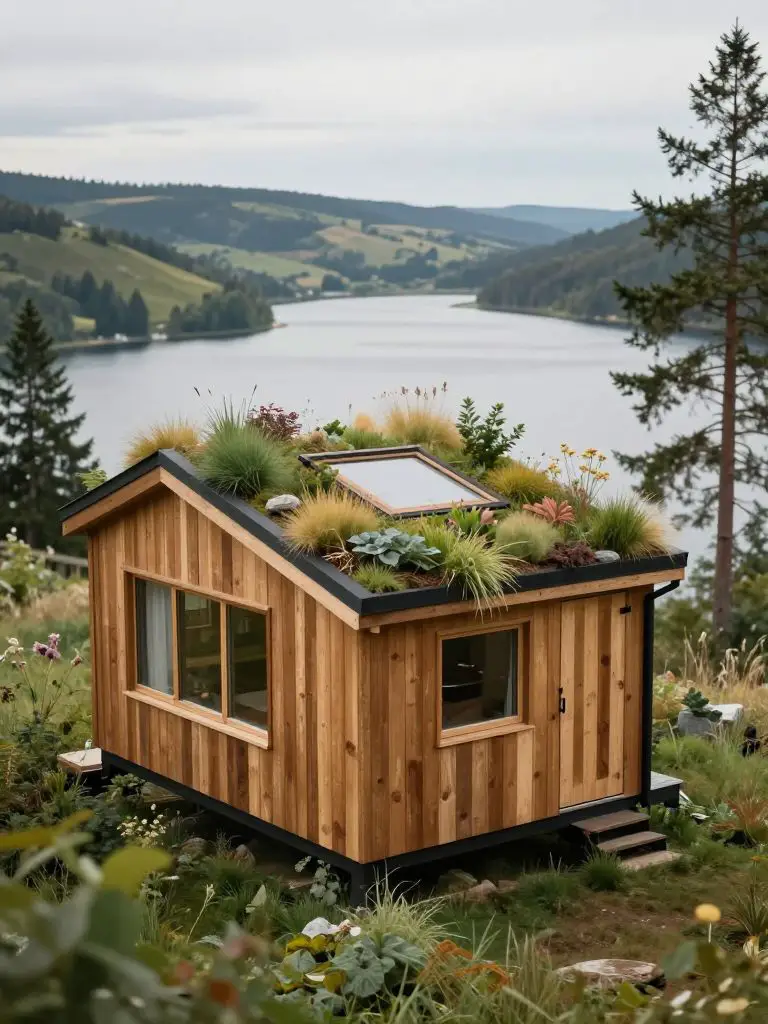
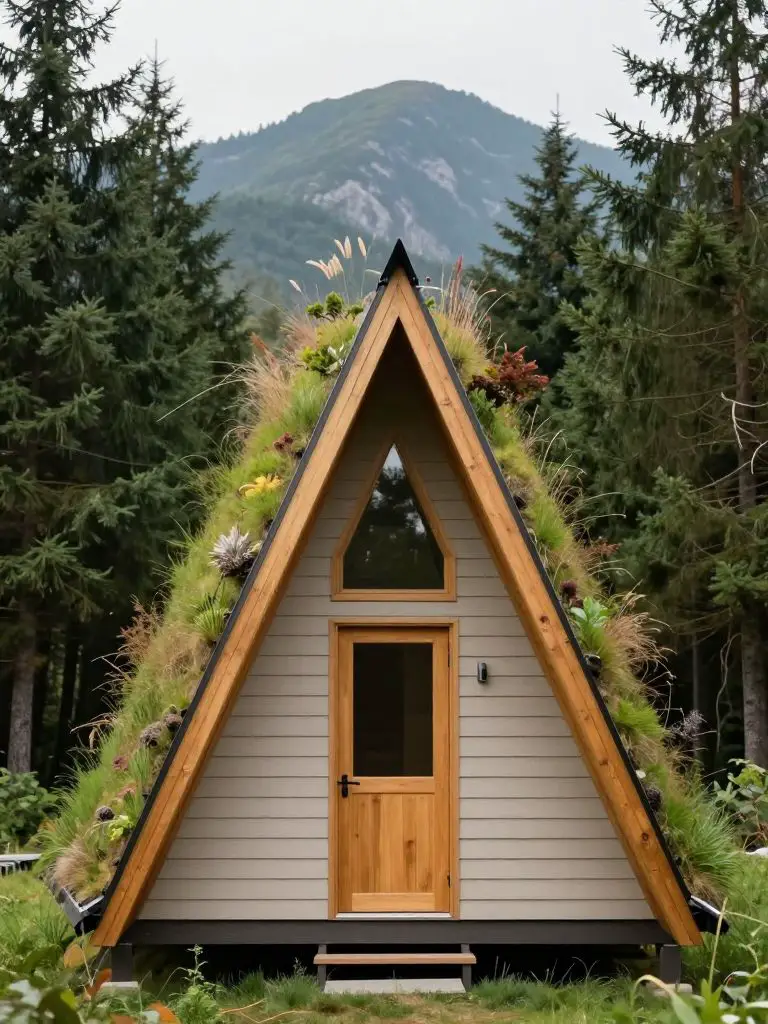
A living roof does more than look cool—it insulates your cabin, manages rainwater runoff, and blends your structure into the landscape. Sedums and native grasses are low-maintenance and drought-tolerant once established.
Make sure your roof structure can handle the extra weight, especially when the soil is saturated. A proper waterproof membrane and root barrier are essential to avoid leaks down the line.
Even a small garden bed near your cabin can provide fresh herbs, greens, and a little bit of self-sufficiency.
11. Low-Energy Lighting Options
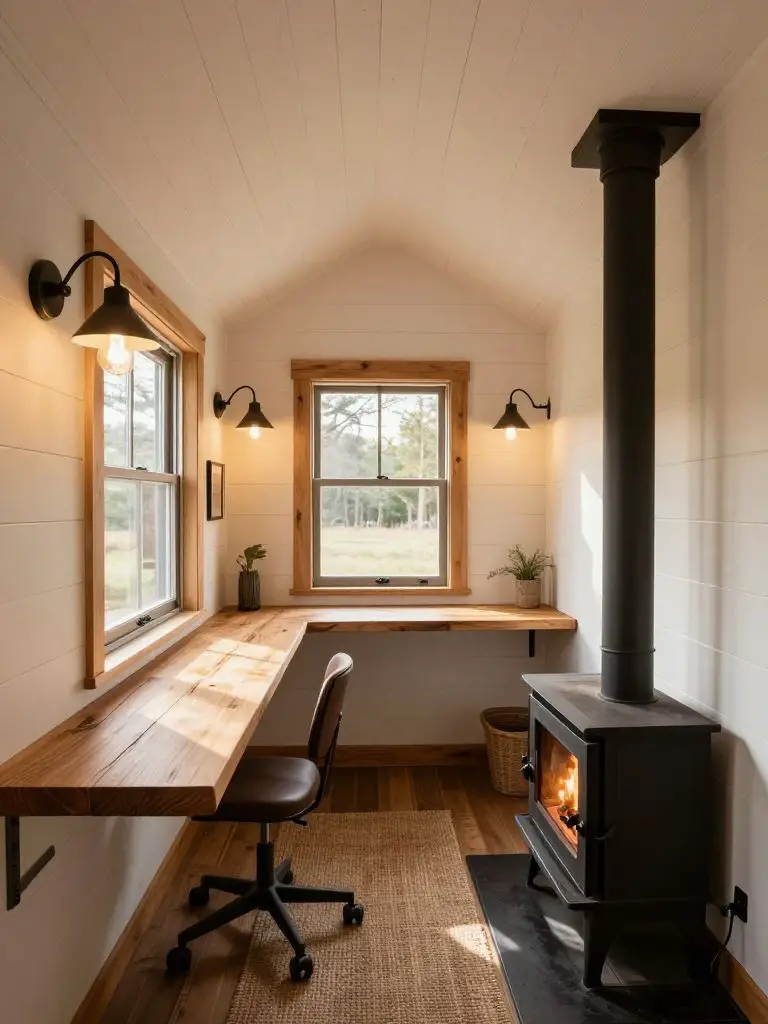
Lighting is one of the easiest places to save energy. LED bulbs use a fraction of the power that incandescents do and last for years.
Consider 12-volt DC lighting if you’re running off solar—it skips the inverter and reduces energy loss. Motion-sensor lights work great for entryways and closets. String lights and lanterns add ambiance without draining your battery bank.
Dimmer switches let you control brightness and mood, which is especially nice when you’re trying to wind down at night.
12. Compact Water Heating Systems
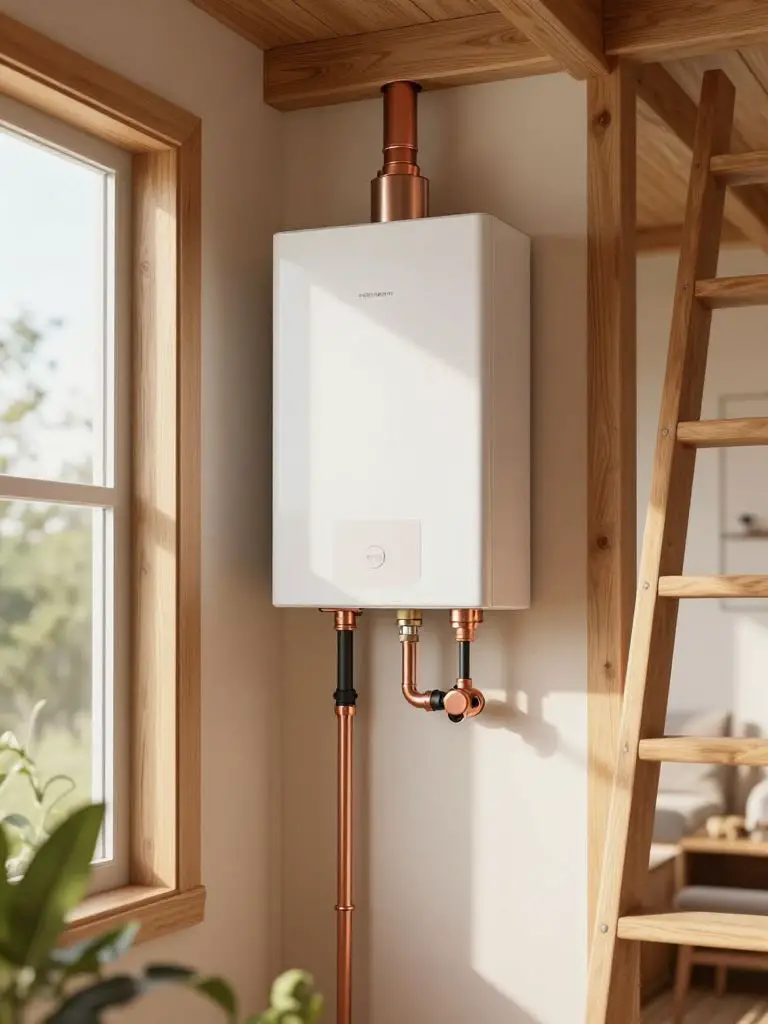
Hot water is a luxury, but it doesn’t have to be complicated. Tankless propane water heaters are compact, efficient, and provide endless hot water on demand.
Solar water heaters are another option if you have the roof space and get consistent sun. For ultra-minimal setups, a simple stovetop kettle can handle dishwashing and sponge baths.
Think about your real needs. If you’re showering outdoors half the year, a full water heating system might be overkill.
13. Functional Entryway Storage
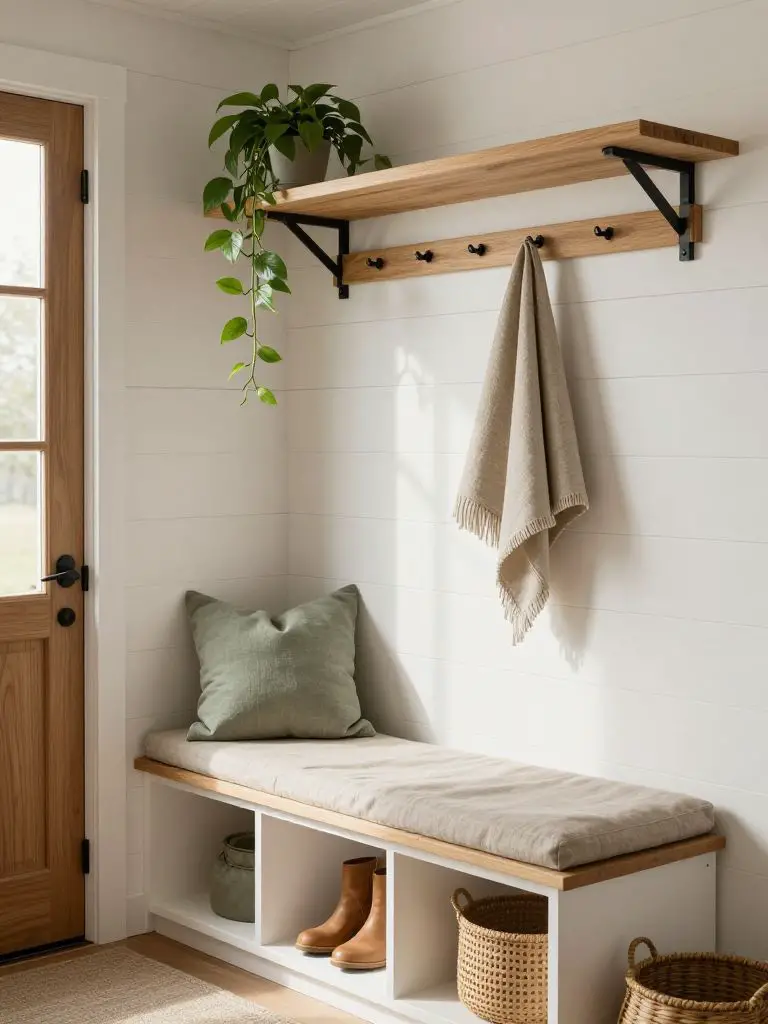
Your entryway is where dirt, wet gear, and clutter love to pile up. A few hooks, a boot tray, and a small bench can keep things under control.
Add cubbies or baskets for hats, gloves, and dog leashes. A shoe rack or mat right inside the door protects your floors and keeps the mess contained. If you’ve got the space, a coat closet or mudroom nook is worth every square inch.
It’s a small detail, but it makes coming and going so much smoother.
14. Maximizing Daylight Indoors
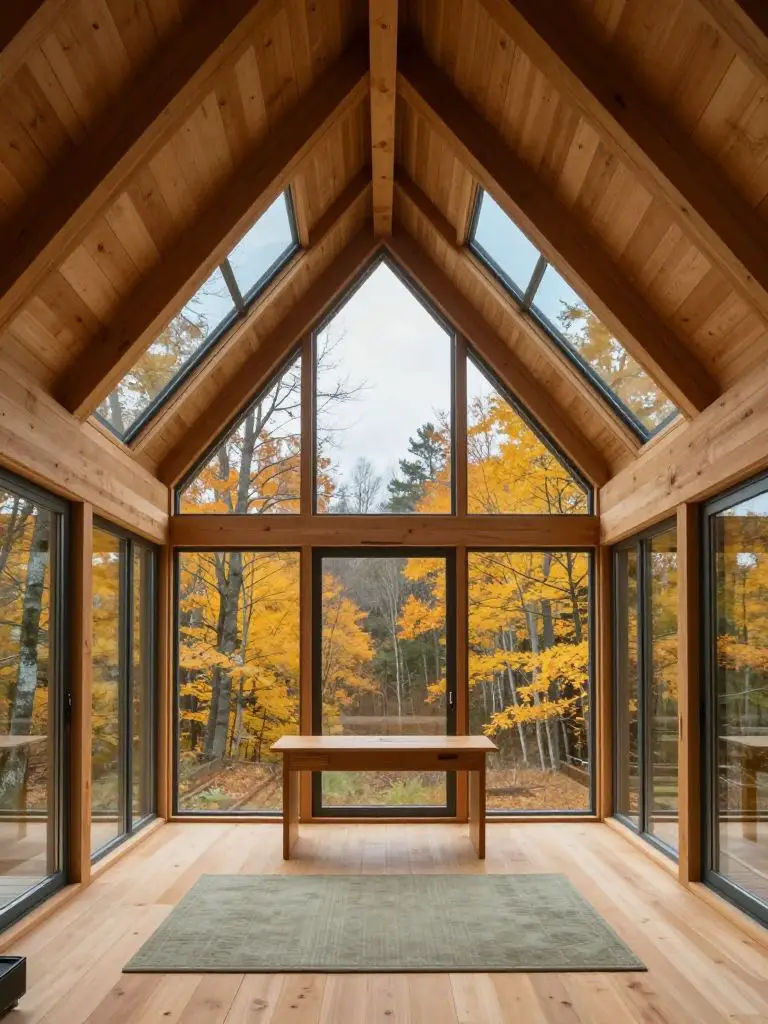
Natural light makes any space feel bigger and more inviting. Large windows, glass doors, and skylights bring the outdoors in and reduce your need for artificial lighting during the day.
South-facing windows capture the most light and passive solar heat in winter. Light-colored walls and reflective surfaces help bounce that light around the room. Avoid heavy curtains unless you need them for privacy or insulation.
Waking up to sunlight streaming through your cabin windows is one of those simple pleasures that never gets old.
15. Outdoor Bathing and Shower Setups
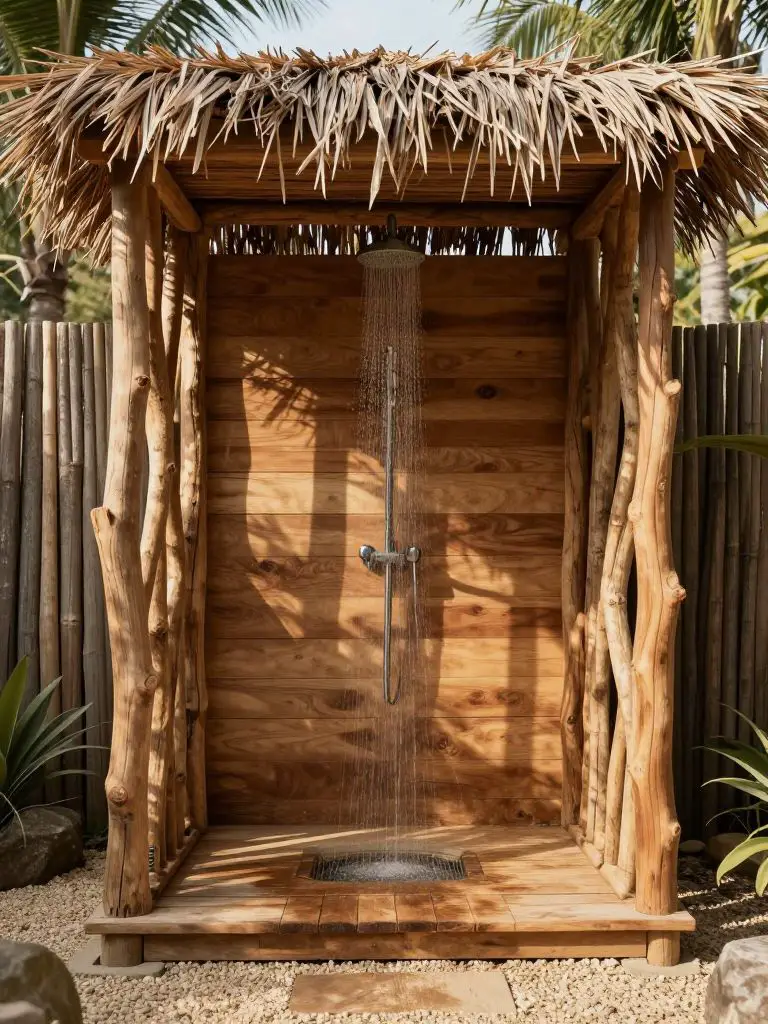
An outdoor shower is one of the best upgrades you can add to an off-grid cabin. It saves water, keeps moisture out of your tiny interior, and connects you to the environment in a way indoor plumbing never will.
A simple gravity-fed bag works for summer, while a propane-heated setup extends the season. Add a privacy screen or natural plantings, and you’ve got a spa-like experience for a fraction of the cost.
Bonus: outdoor showers are way easier to clean than cramped indoor stalls.
16. Staircase Storage Solutions
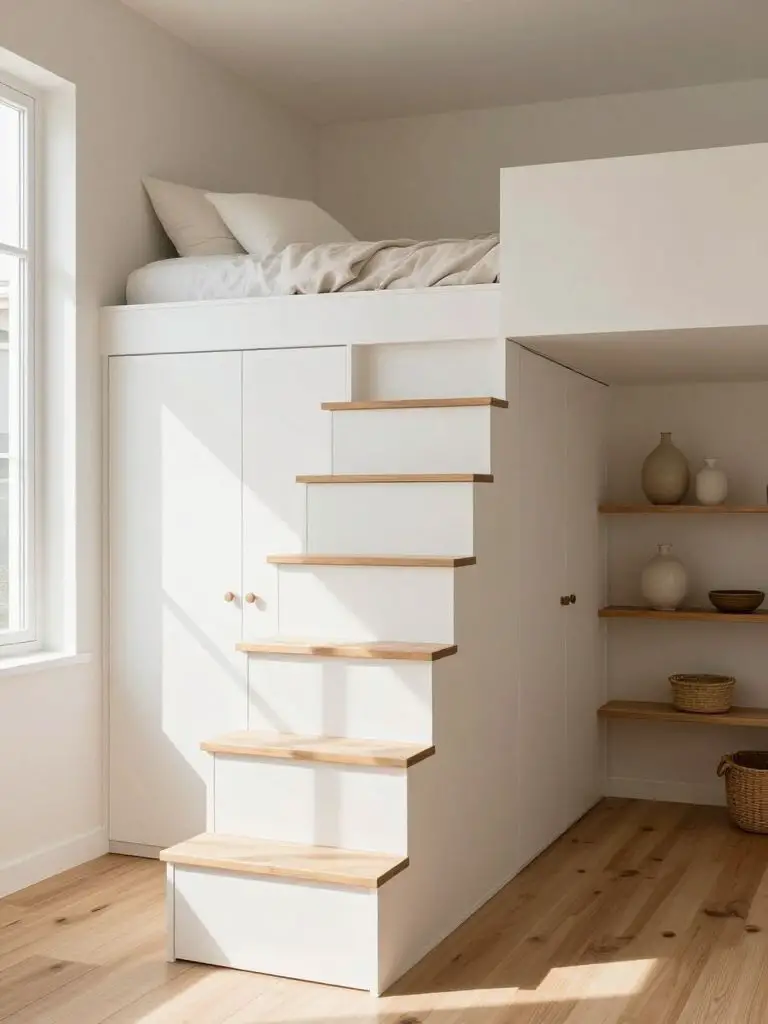
If your cabin has stairs leading to a loft, don’t let that space go to waste. Each step can be a drawer or a cubby for shoes, books, tools, or pantry goods.
Staircase storage is one of the smartest uses of vertical space in a self-sufficient tiny house. It’s functional, accessible, and keeps clutter off your main living areas. Just make sure the drawers are easy to open and don’t interfere with climbing.
It’s a design detail that impresses every visitor and makes daily life easier.
17. Flexible Modular Cabin Layouts
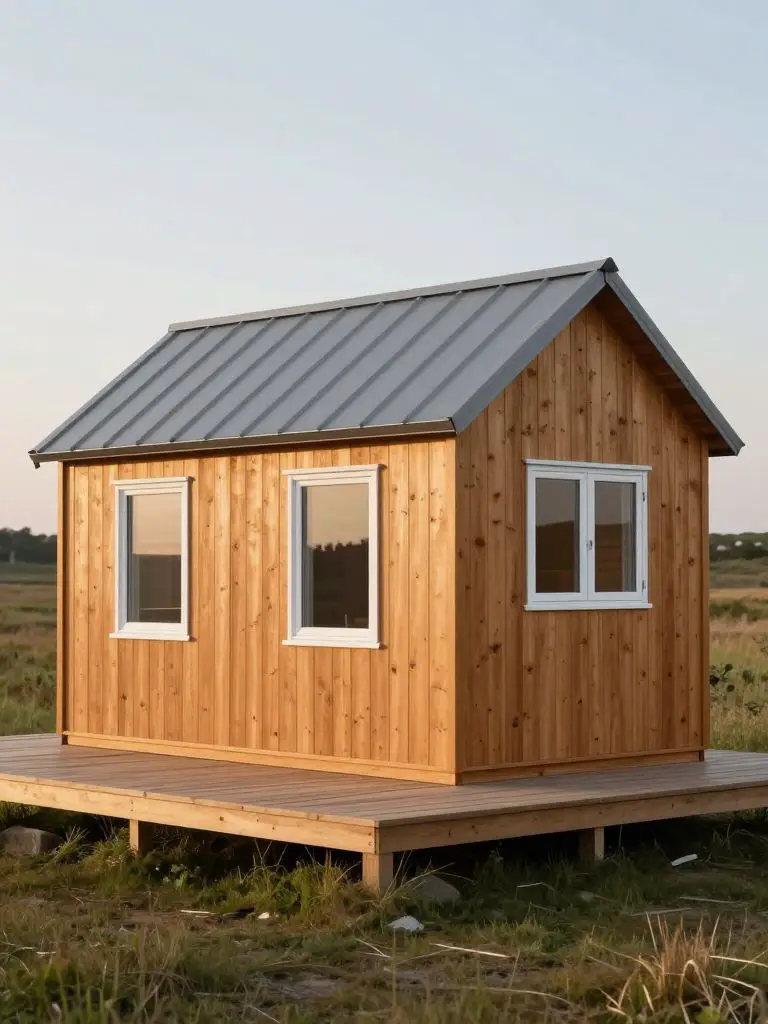
Modular layouts let you rearrange your cabin as your needs change. Movable walls, sliding partitions, and freestanding furniture give you the flexibility to shift from an open studio to a private bedroom in minutes.
This approach is especially useful if your cabin serves multiple purposes—workspace, guest room, art studio, or retreat. It keeps your design from feeling locked in and gives you room to grow.
Off-grid living is all about adapting to your environment. Your cabin layout should do the same.
Building or outfitting an off-grid tiny house cabin is a chance to rethink how you use space, energy, and resources. These 17 ideas cover the essentials—from power and water to comfort and clever design—so you can create a cabin that’s truly yours. Start small, stay intentional, and enjoy the process of building something that works off the grid and on your terms.