
Your monthly energy bill doesn’t have to feel like a punch to the gut every single month. I remember opening mine last year and thinking there had to be a better way to power my home without constantly draining my wallet or the planet’s resources.
Creating a self sustaining home isn’t just some far-off dream anymore. Modern homesteading has evolved beyond chickens and vegetable gardens (though those are great too). Today’s eco home sustainable living solutions are accessible, practical, and surprisingly affordable once you get past the initial investment. Whether you’re running a small homestead or just want to cut ties with sky-high utility costs, these energy ideas will get you started on the right path.
Let’s look at eight realistic ways you can make your home more energy independent without needing a degree in engineering or a lottery win.
1. Solar Panels: The Gateway to Energy Independence
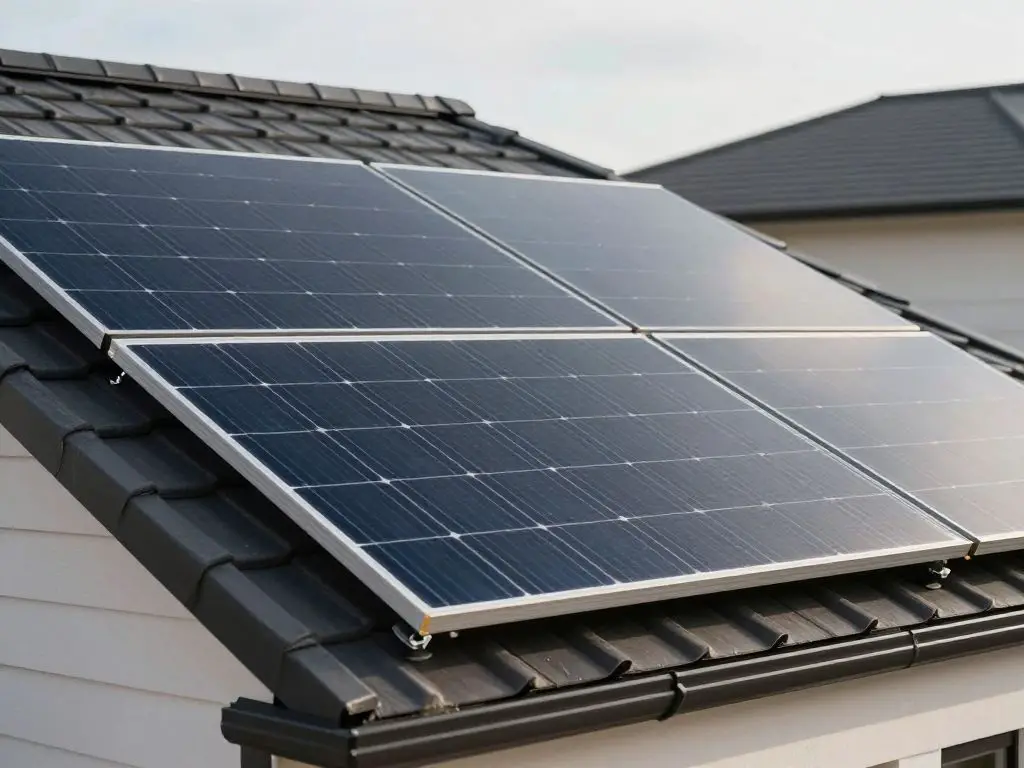
Solar panels are probably the first thing that comes to mind when you think about self-sustaining energy, and for good reason. They’ve become incredibly efficient and way more affordable than they were even five years ago.
The beauty of solar is that you can start small. You don’t need to cover your entire roof on day one. Many people begin with enough panels to offset their highest energy-consuming appliances, then expand over time.
What makes solar panels worth it:
- Federal tax credits can cover up to 30% of installation costs
- Most systems pay for themselves within 7-10 years
- Your excess energy can often be sold back to the grid
- Minimal maintenance required once installed
One thing I wish someone had told me earlier: your roof’s orientation matters more than you’d think. South-facing roofs in the Northern Hemisphere get the most sun exposure throughout the day.
2. Wind Turbines for Consistent Power Generation
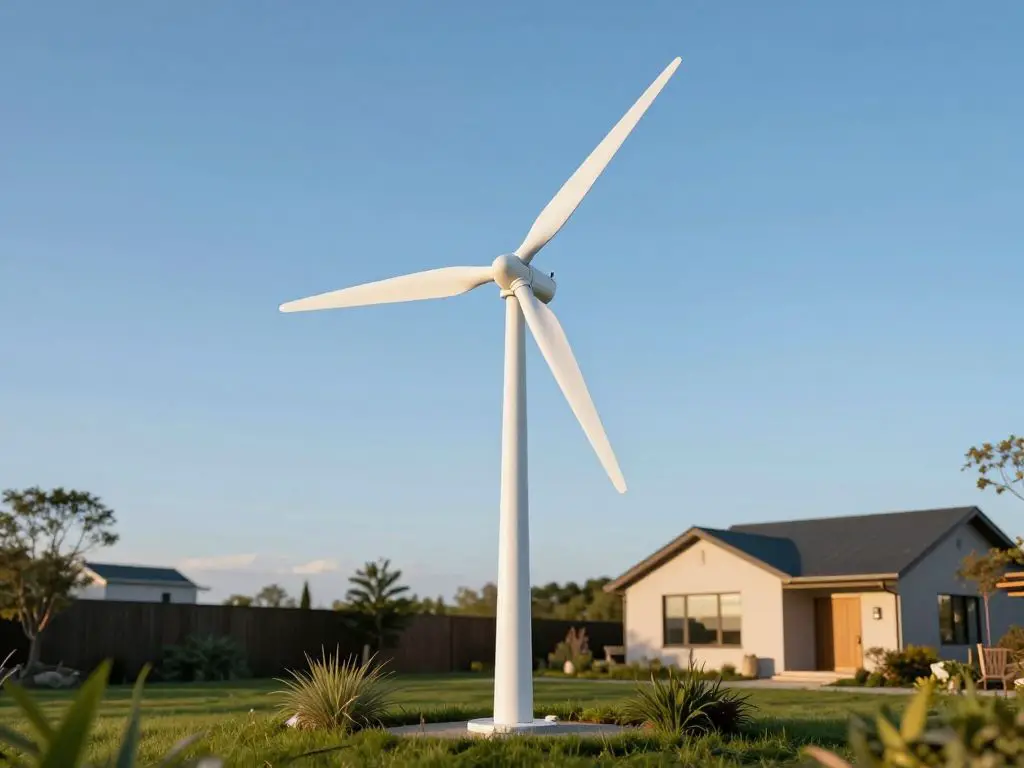
If you’ve got some land and decent wind patterns, a small wind turbine can complement your solar setup beautifully. While solar produces during the day, wind often picks up at night, giving you round-the-clock generation potential.
Small residential turbines have come a long way from those massive industrial ones you see on wind farms. Modern designs are quieter and more efficient for homestead life.
Before installing a wind turbine:
- Check your average wind speeds (you need at least 10 mph consistently)
- Verify local zoning laws and height restrictions
- Consider your neighbors since some models can be noisy
- Calculate your property’s wind resource using online tools
Wind turbines work best when you’ve got at least an acre of land, though some compact models can function on smaller properties if positioned correctly.
3. Geothermal Heating and Cooling Systems
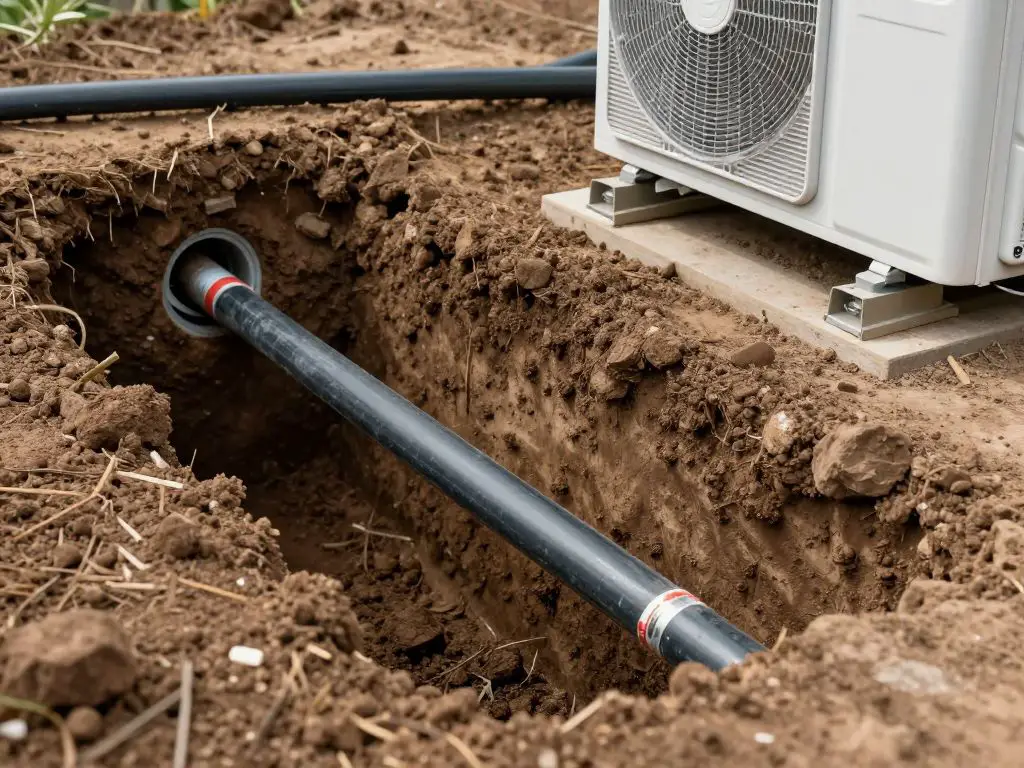
Geothermal systems are the quiet overachievers of sustainable energy. They use the earth’s constant underground temperature to heat and cool your home with incredible efficiency.
The installation cost is definitely higher upfront, but these systems can reduce your heating and cooling costs by 40-60%. That’s not a typo. The ground stays at a relatively stable 50-60°F year-round just a few feet down, making it perfect for temperature regulation.
Geothermal systems deliver:
- Consistent heating and cooling regardless of outdoor temperature
- Significantly lower operating costs than traditional HVAC
- 30+ year lifespan for indoor components
- Nearly silent operation
You’ll need space for the ground loop installation, but horizontal loops work for smaller lots while vertical loops fit tight spaces if you’re willing to drill deeper.
4. Hydroelectric Power for Water-Rich Properties
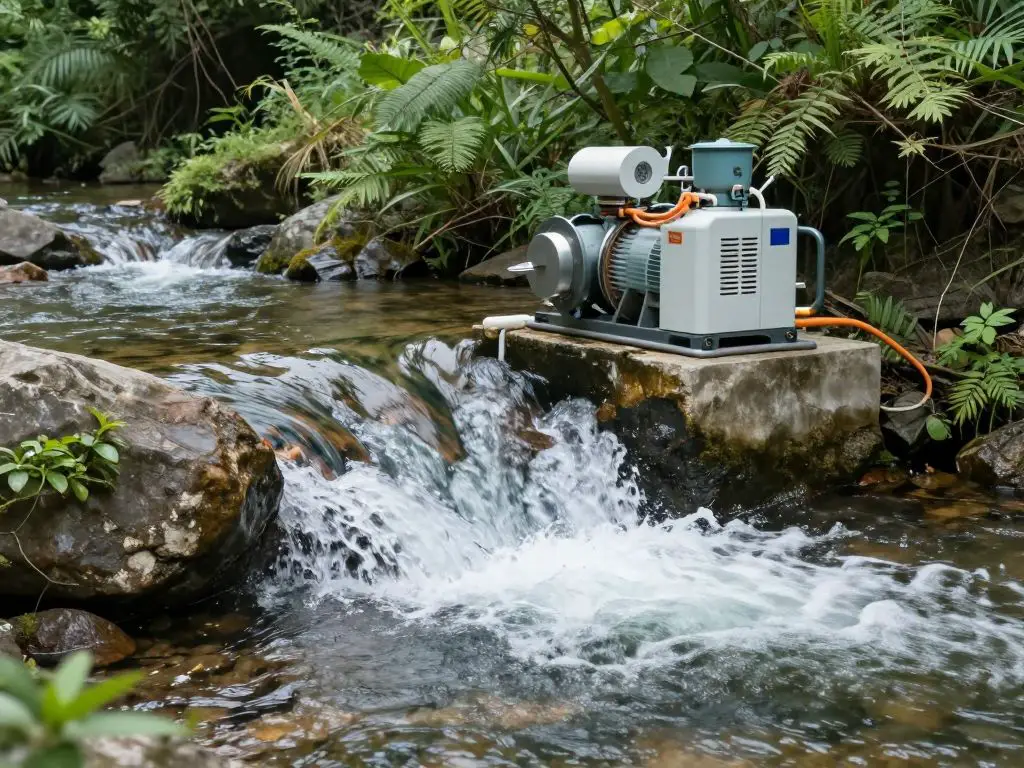
Got a stream or creek running through your property? You’re sitting on potential 24/7 power generation. Micro-hydroelectric systems can produce consistent electricity as long as water keeps flowing.
This option isn’t for everyone since you need moving water with decent flow, but if you have it, hydroelectric is one of the most reliable renewable sources available. Unlike solar and wind, water flow stays relatively consistent day and night.
Requirements for home hydroelectric:
- Continuous water flow throughout most of the year
- Sufficient drop in elevation (even 2-3 feet can work)
- Proper permits for water usage in your area
- Assessment of environmental impact on local ecosystem
The initial assessment from a professional will tell you if your water source has enough flow and head (vertical drop) to make the investment worthwhile.
5. Battery Storage Systems for Energy Security
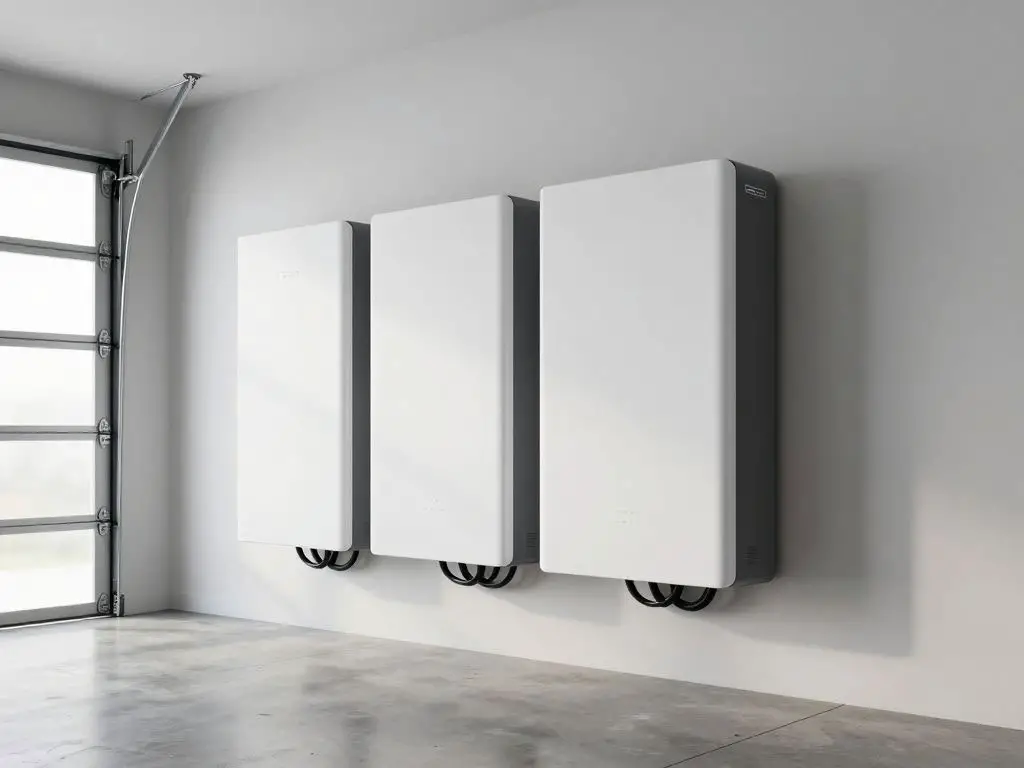
Generating your own power is fantastic, but storing it takes your eco house ideas to the next level. Battery systems let you use your solar or wind energy when the sun isn’t shining and wind isn’t blowing.
Modern lithium batteries have gotten impressively efficient and compact. They’re not cheap, but they’re the missing piece that turns your renewable setup into true energy independence.
Battery storage benefits:
- Power during grid outages
- Use stored energy during peak rate hours
- Maximize your renewable energy investment
- Reduce reliance on the grid to nearly zero
Size your battery bank based on how many days of backup power you want. Most people aim for 1-3 days of essential power coverage, though serious off-gridders go bigger.
6. Passive Solar Design and Strategic Insulation
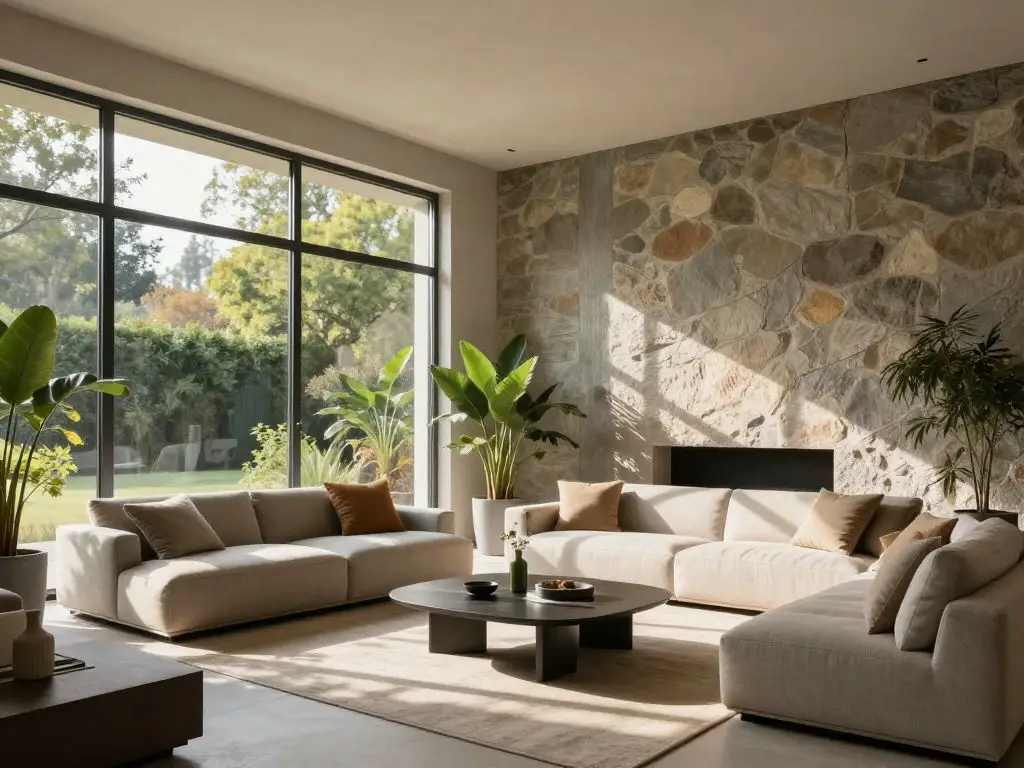
Sometimes the best energy is the energy you don’t have to generate at all. Passive solar design uses your home’s architecture to naturally regulate temperature, and it costs nothing to operate once it’s built.
This approach focuses on window placement, thermal mass, and strategic shading to keep your home comfortable year-round. South-facing windows capture winter sun while overhangs block harsh summer rays.
Key passive solar principles:
- Large south-facing windows for winter heat gain
- Thermal mass materials like concrete or stone to store heat
- Proper insulation to maintain temperature
- Strategic landscaping for natural shading
Even if you’re not building from scratch, you can retrofit many passive solar features into existing homes. Better insulation alone can cut your energy needs by 30-50%.
7. Biomass Heating for Renewable Warmth
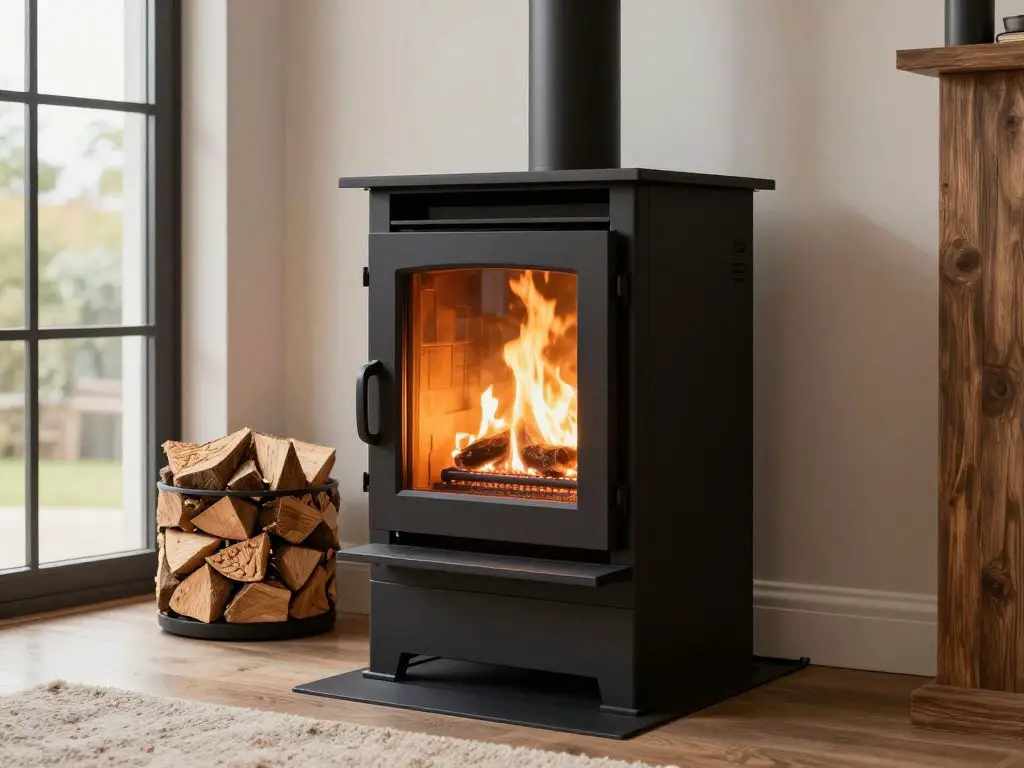
Biomass heating uses organic materials like wood pellets, chips, or agricultural waste to generate heat. If you’ve got access to wood or other biomass fuel, this can be an incredibly cost-effective heating solution.
Modern biomass boilers are nothing like those smoky wood stoves from decades past. They burn clean, operate automatically, and can heat your entire home plus hot water.
Biomass heating advantages:
- Carbon-neutral when using sustainably sourced fuel
- Significantly cheaper than oil or electric heating
- Independence from fossil fuel price fluctuations
- Can utilize waste wood from your property
The natural house aesthetic of a wood pellet stove also adds cozy charm that electric heat just can’t match. Plus, you’ll have heat during power outages.
8. Smart Home Energy Management Systems
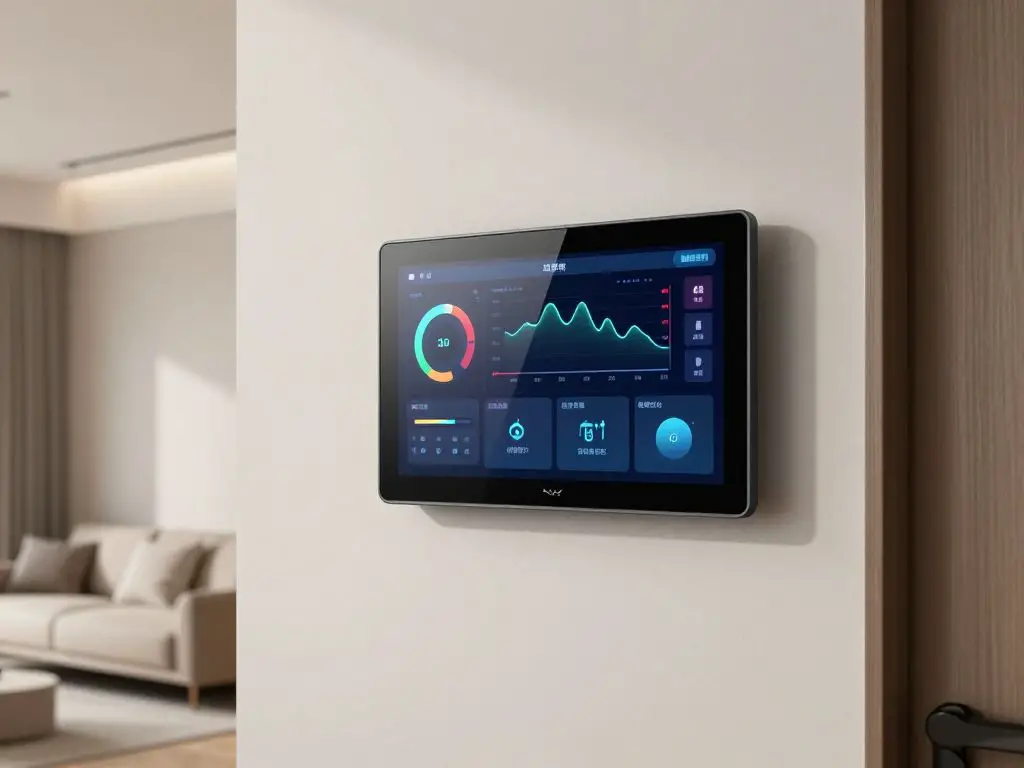
All the renewable energy in the world won’t help much if you’re wasting it. Smart energy management systems optimize how and when you use power, maximizing efficiency across all your home’s systems.
These systems learn your usage patterns and automatically adjust heating, cooling, and appliance operation to minimize waste. Some can even decide whether to use stored battery power, draw from the grid, or sell excess back depending on rates and availability.
What smart management delivers:
- Real-time monitoring of energy production and consumption
- Automatic optimization of energy usage
- Detailed insights into which systems use the most power
- Remote control via smartphone apps
Think of it as the brain that coordinates all your other sustainable energy systems. It ensures everything works together efficiently rather than as disconnected pieces.
Starting your journey toward a self sustaining home doesn’t mean you need to implement everything at once. Pick one or two systems that make the most sense for your property, budget, and climate. Each step toward energy independence pays dividends in lower bills, increased resilience, and reduced environmental impact. The best time to start was yesterday, but today works pretty well too.