
You know that feeling when you walk into a room and just… breathe? That’s what a well-designed minimalist living room does. No clutter screaming for your attention, no visual chaos making your brain work overtime. Just calm, intentional space that actually makes you want to hang out there. And honestly? Once you go minimal, you never look back.
I’ve spent years tweaking my own space, and I can tell you—minimalist living isn’t about deprivation. It’s about choosing what matters and letting go of the rest. So let’s walk through 13 simple living room designs that’ll stand the test of time, no matter what trends come knocking at your door.
1. The Neutral Foundation That Does All the Heavy Lifting
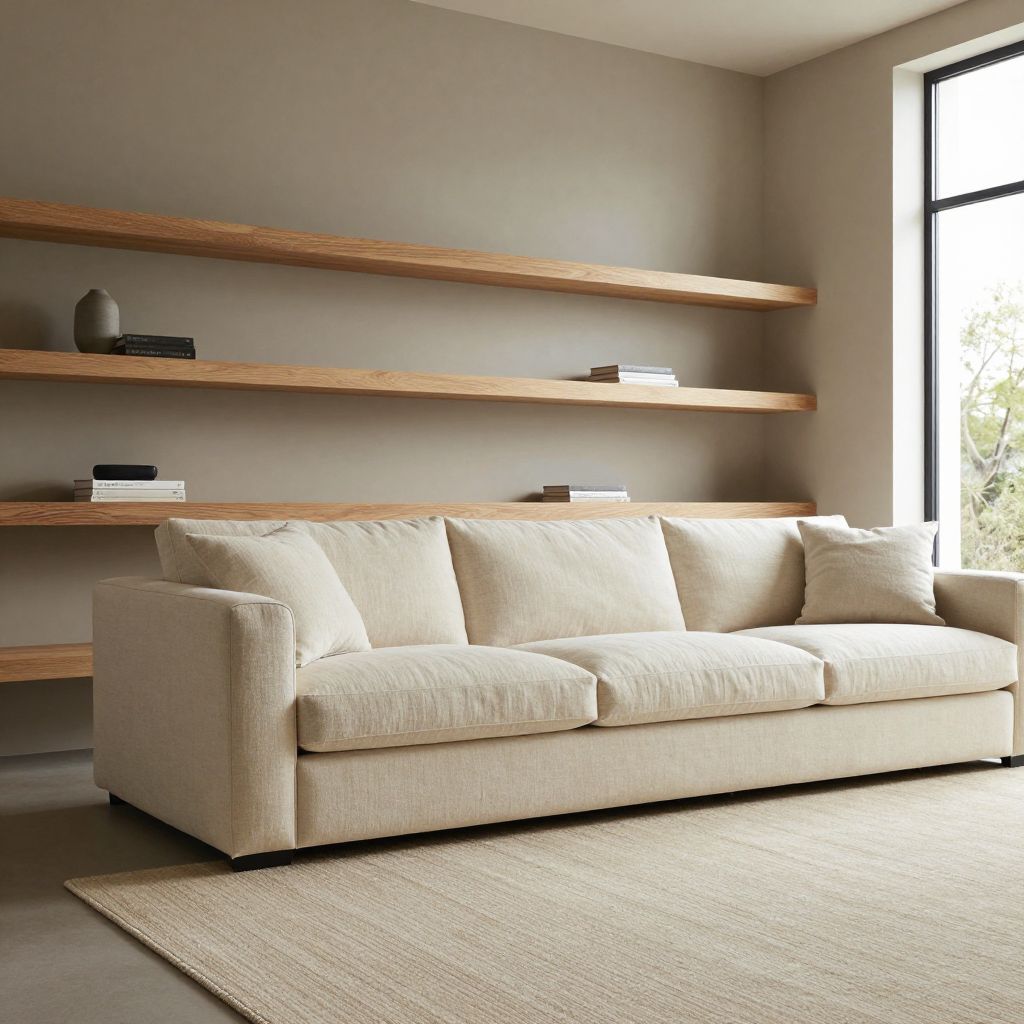
Start with a neutral color palette and you’ve basically won half the battle. We’re talking whites, beiges, soft grays—colors that create a backdrop instead of demanding attention. This is your canvas, and trust me, it never gets old.
I painted my living room walls in this creamy off-white three years ago, and I’m still not bored. Why? Because neutral doesn’t mean boring. It means versatile. You can switch up your pillows, rotate your art, or add a new throw blanket without everything clashing like a bad outfit.
The secret sauce here is layering different shades of the same color family. Mix warm whites with cool grays, add some taupe—suddenly you’ve got depth without the chaos. FYI, this approach is the backbone of any cozy minimalist living room worth its salt.
2. One Statement Piece That Actually Makes a Statement
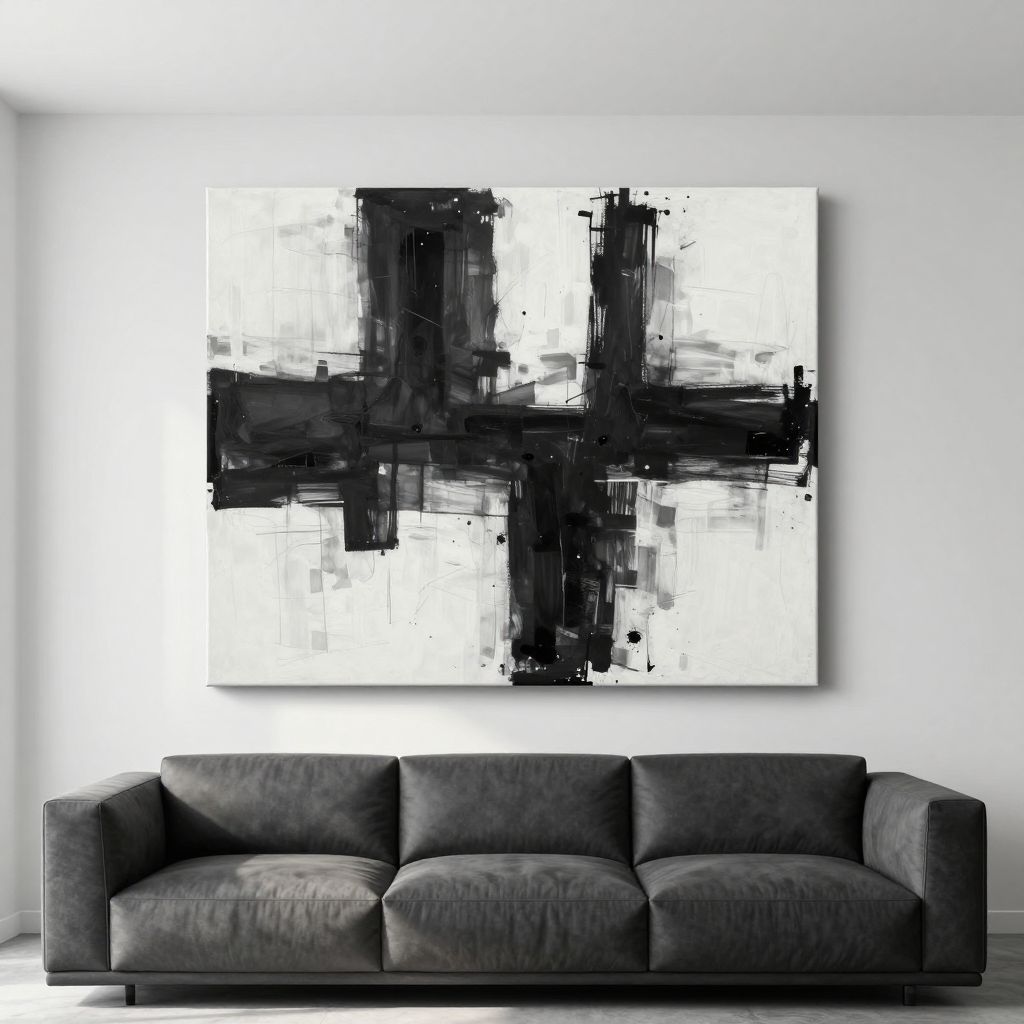
Here’s where people mess up minimalism—they think it means zero personality. Nope. You just need one killer piece instead of seventeen mediocre ones.
Maybe it’s an oversized piece of abstract art, a sculptural floor lamp, or that vintage mid-century sofa you scored at an estate sale. Whatever it is, let it shine. Don’t crowd it with competing elements that dilute its impact.
In my space, I’ve got this massive black-and-white photograph that takes up an entire wall. People always notice it first. That’s intentional. One focal point beats a gallery wall of random prints any day of the week.
3. Furniture with Clean Lines (Because Curves Are Overrated)
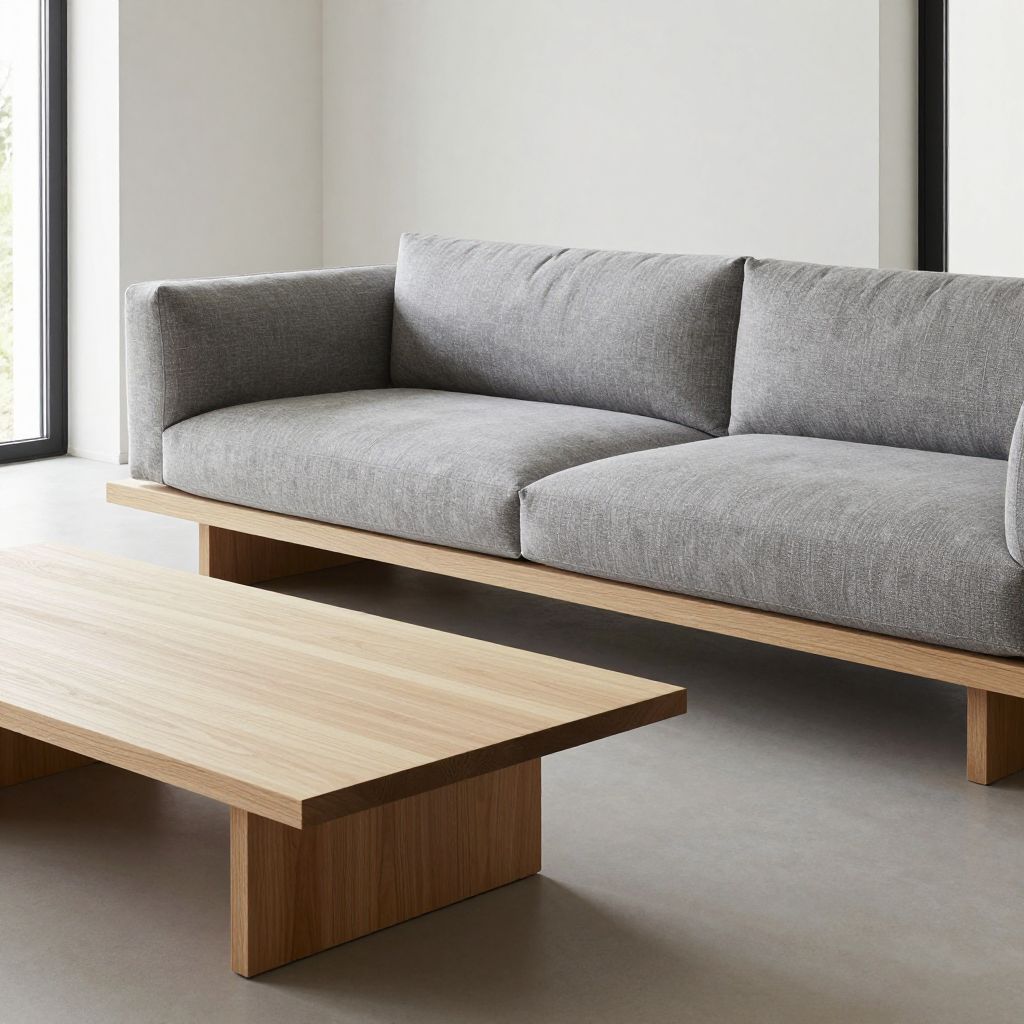
Okay, curves aren’t actually overrated, but hear me out. Simple, straight-lined furniture creates visual calm that you can’t get from ornate, curvy pieces. Think sleek sofas, rectangular coffee tables, and streamlined shelving units.
This is the foundation of any modern simple living room. The geometry itself becomes part of the aesthetic. Plus, clean-lined furniture tends to be way easier to clean around—no weird crevices collecting dust bunnies.
I swapped out my old tufted sofa for a simple platform design, and the room instantly felt twice as spacious. Same square footage, completely different vibe.
4. Strategic Negative Space (AKA Emptiness on Purpose)
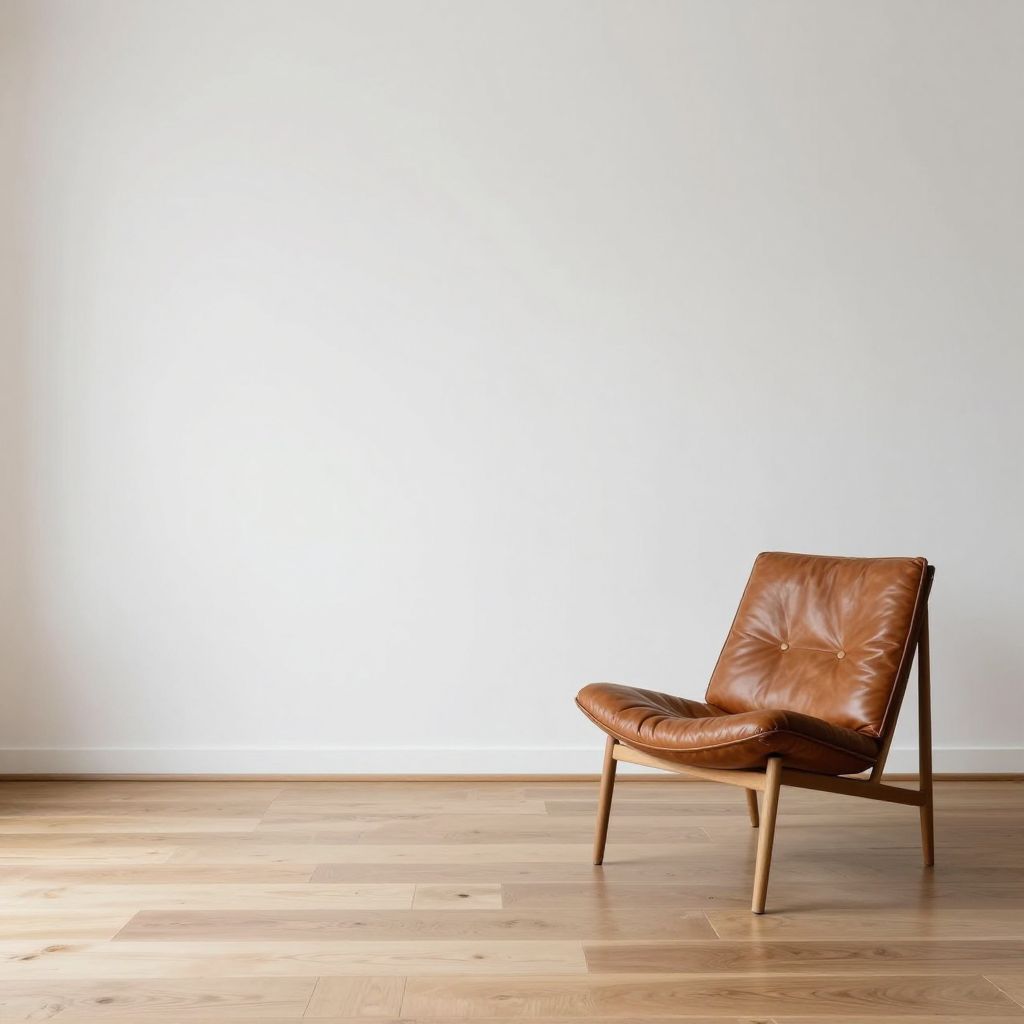
Ever noticed how empty space can be just as powerful as filled space? That’s negative space, and it’s your secret weapon in minimalist design.
Don’t feel pressured to fill every corner, every wall, every surface. Leave breathing room. Let your eyes rest somewhere. This is especially crucial in a simplistic living room where the whole point is visual calm.
I used to have a bookshelf crammed with every knickknack I’d ever owned. Now? Three books, one plant, done. The empty shelves aren’t a mistake—they’re intentional design choices. And honestly? It looks way better 🙂
5. Natural Materials That Age Like Fine Wine
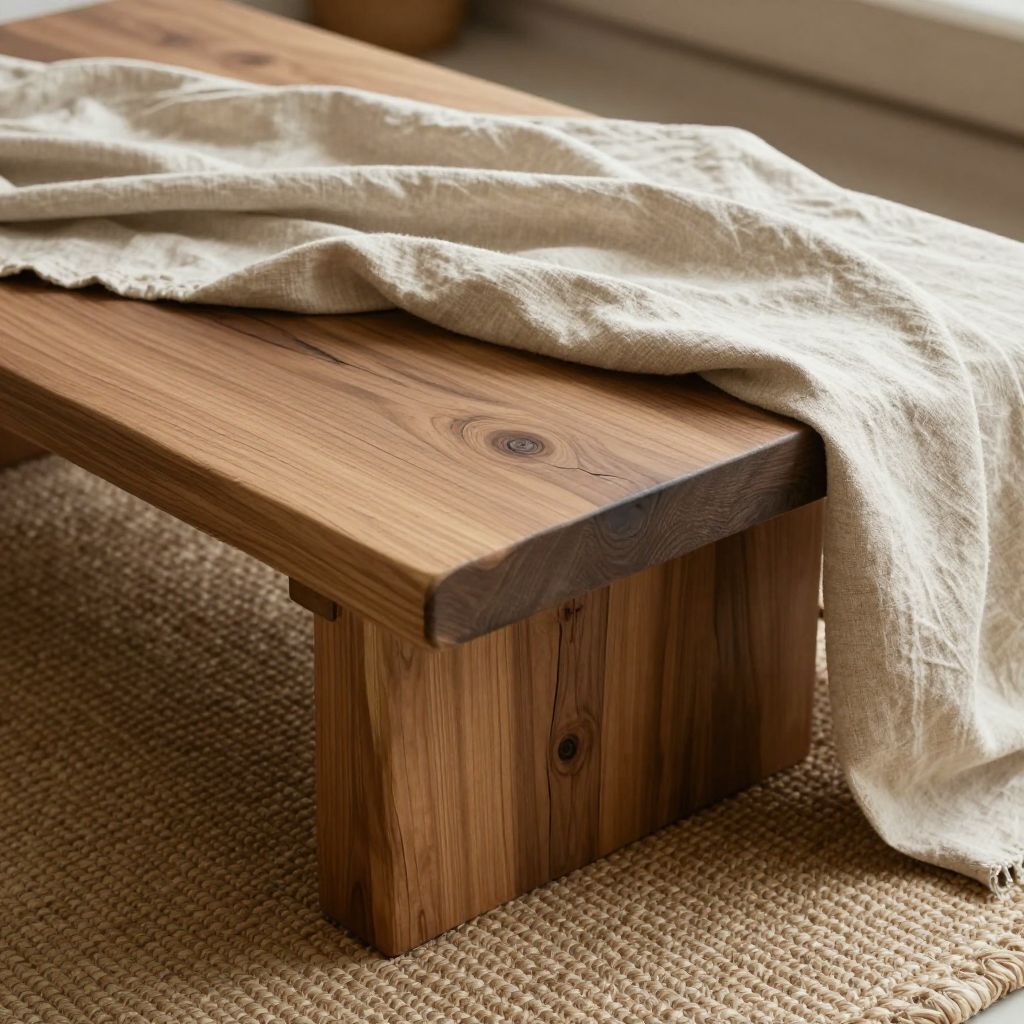
Wood, linen, wool, leather—these materials don’t just look good now. They look better with age. That’s the whole point of timeless design, right?
Synthetic materials can look dated fast. Remember when everything was shiny chrome and acrylic? Yeah. But a solid wood coffee table? That thing’s going to look gorgeous in twenty years, with all its little scratches and patina telling a story.
I’m obsessed with my linen sofa. Sure, it wrinkles. But those wrinkles give it character and texture that a stiff, synthetic fabric could never match. Natural materials bring warmth to minimalism without adding visual clutter.
6. Hidden Storage Solutions (Because Stuff Happens)
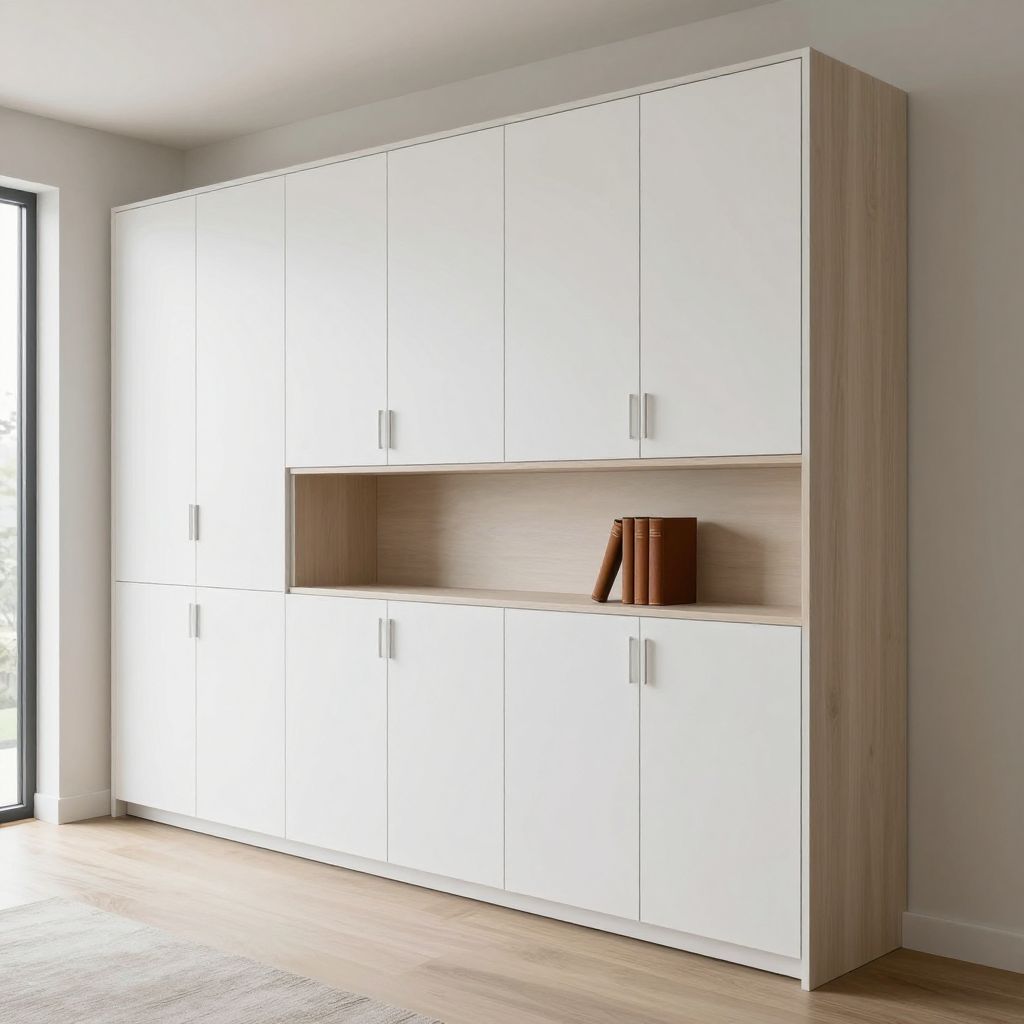
Let’s be real—you own things. Books, remotes, chargers, that random collection of coasters. Hidden storage lets you keep what you need without displaying it like a museum exhibit.
Ottoman with storage inside? Genius. Console table with drawers? Essential. Floating shelves with cabinet bases? Chef’s kiss. These solutions maintain the clean aesthetic while acknowledging that you’re, you know, an actual human who lives there.
IMO, the difference between a minimalist space that works and one that doesn’t is smart storage. Without it, you’re just constantly tidying up, and who has time for that?
7. Plants (But Like, Not a Jungle)
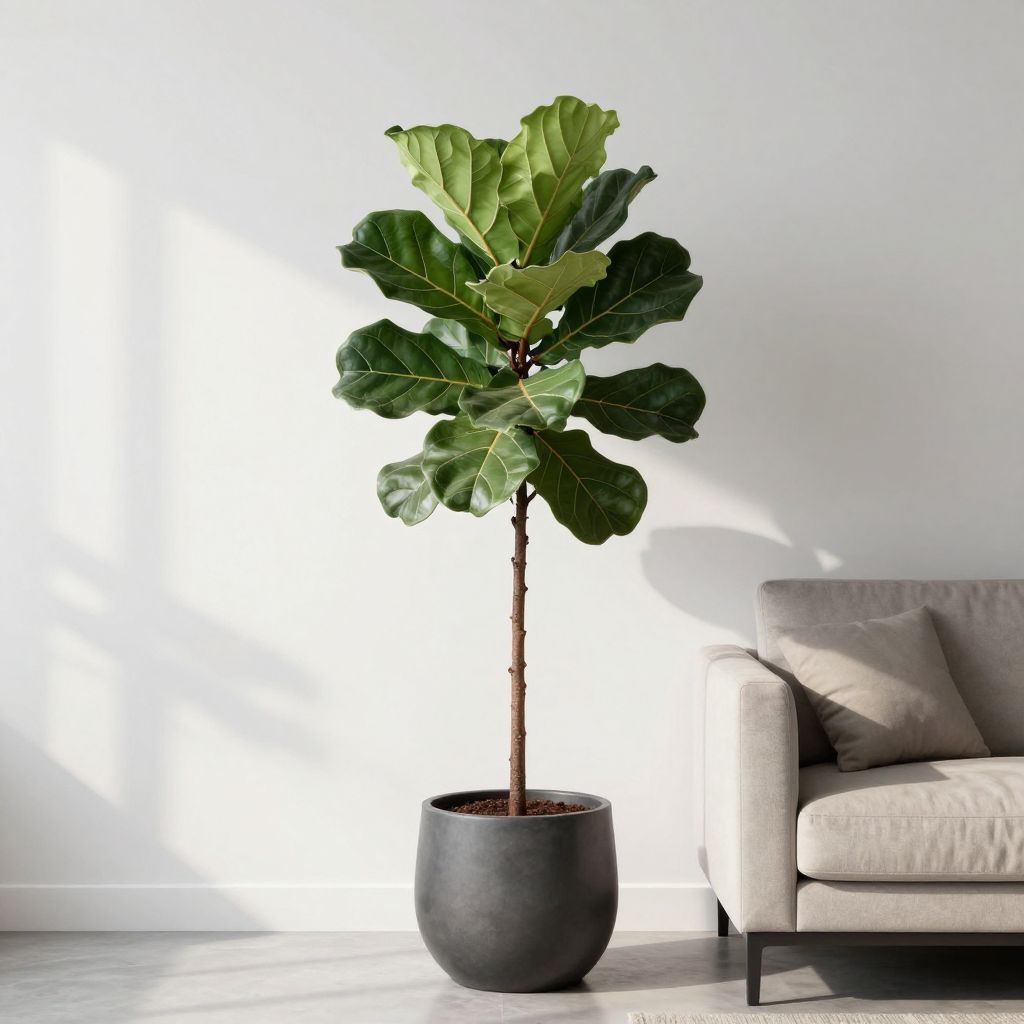
A cozy minimalist living room needs life, literally. One or two well-placed plants add organic texture and color without overwhelming the space.
I’m not talking about turning your living room into a rainforest. Just a sculptural fiddle leaf fig in the corner, or a simple succulent on the coffee table. Plants soften all those clean lines and hard surfaces.
Pro tip: stick to simple planters in neutral colors. A terracotta pot or matte black planter blends seamlessly into a minimal aesthetic. Those bright purple ceramic numbers with faces on them? Maybe save those for the kitchen :/
8. Lighting Layers That Set the Mood
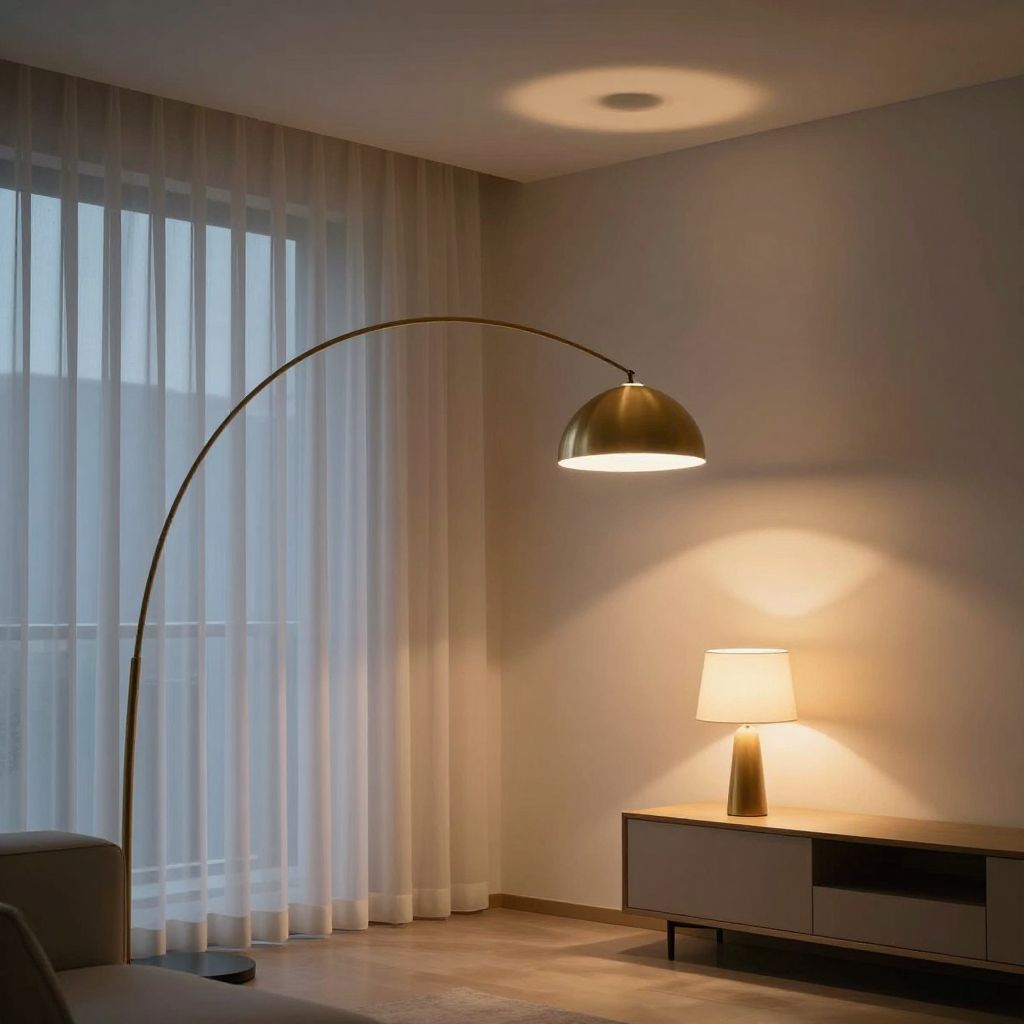
You can’t rely on one overhead light and call it a day. Layered lighting creates depth and makes your space actually usable at different times of day.
Think about it: ambient lighting (overhead or recessed), task lighting (reading lamp), and accent lighting (maybe a floor lamp highlighting that statement piece we talked about). Each layer serves a purpose while contributing to the overall vibe.
I installed dimmer switches everywhere, and it was a game-changer. Bright light for cleaning day, soft glow for movie night. Same room, totally different moods. This flexibility is what keeps simple living room designs from feeling stale.
9. Texture Over Pattern (Your Eyes Will Thank You)
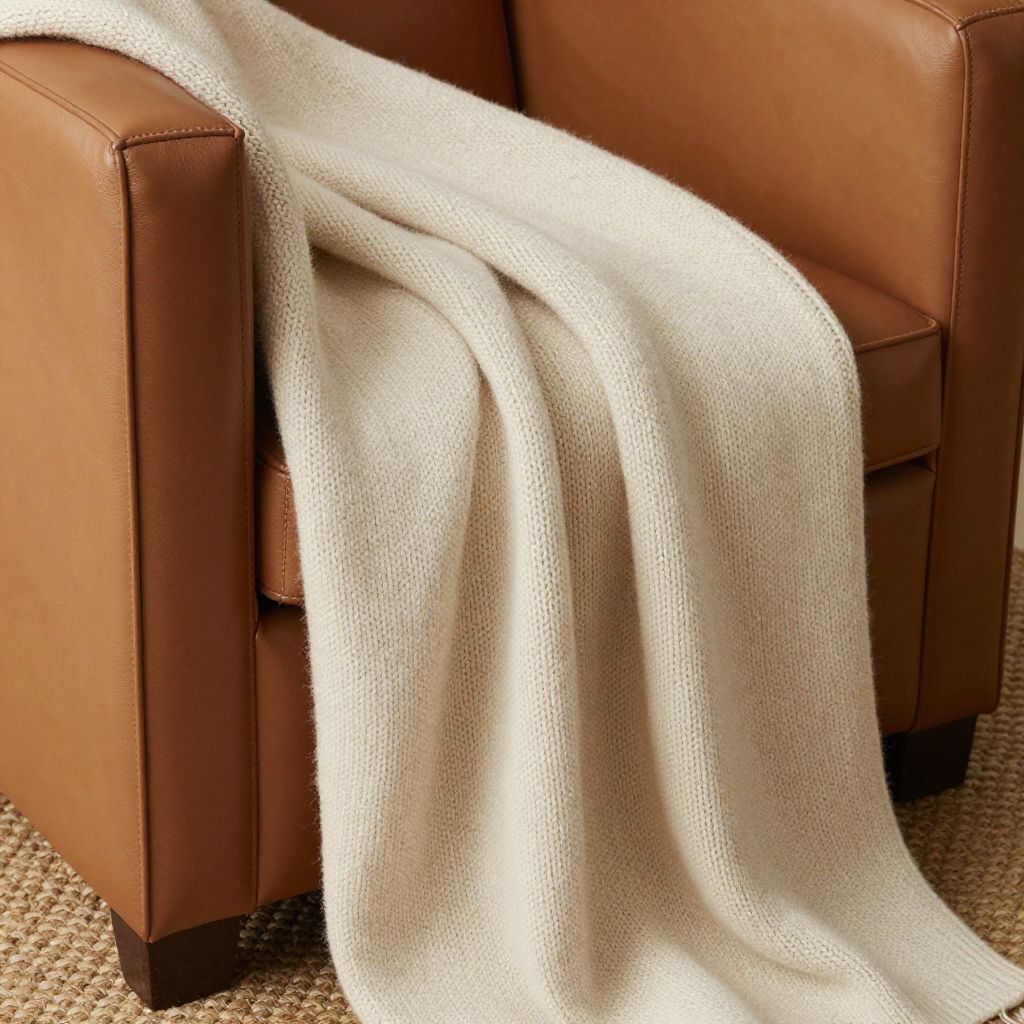
Here’s where you add interest without adding chaos: texture. A chunky knit throw, a smooth leather chair, a rough jute rug—these create visual variety through feel rather than busy patterns.
Patterns can date quickly and overwhelm a minimal space. But texture? Texture is forever. It adds dimension and warmth while maintaining that clean, uncluttered look.
My living room has maybe three colors total, but it doesn’t feel flat because I’ve layered different textures. The nubby linen sofa against the smooth wood floor, the soft wool rug, the sleek metal lamp base—texture creates interest without visual noise.
10. Quality Over Quantity (Always)
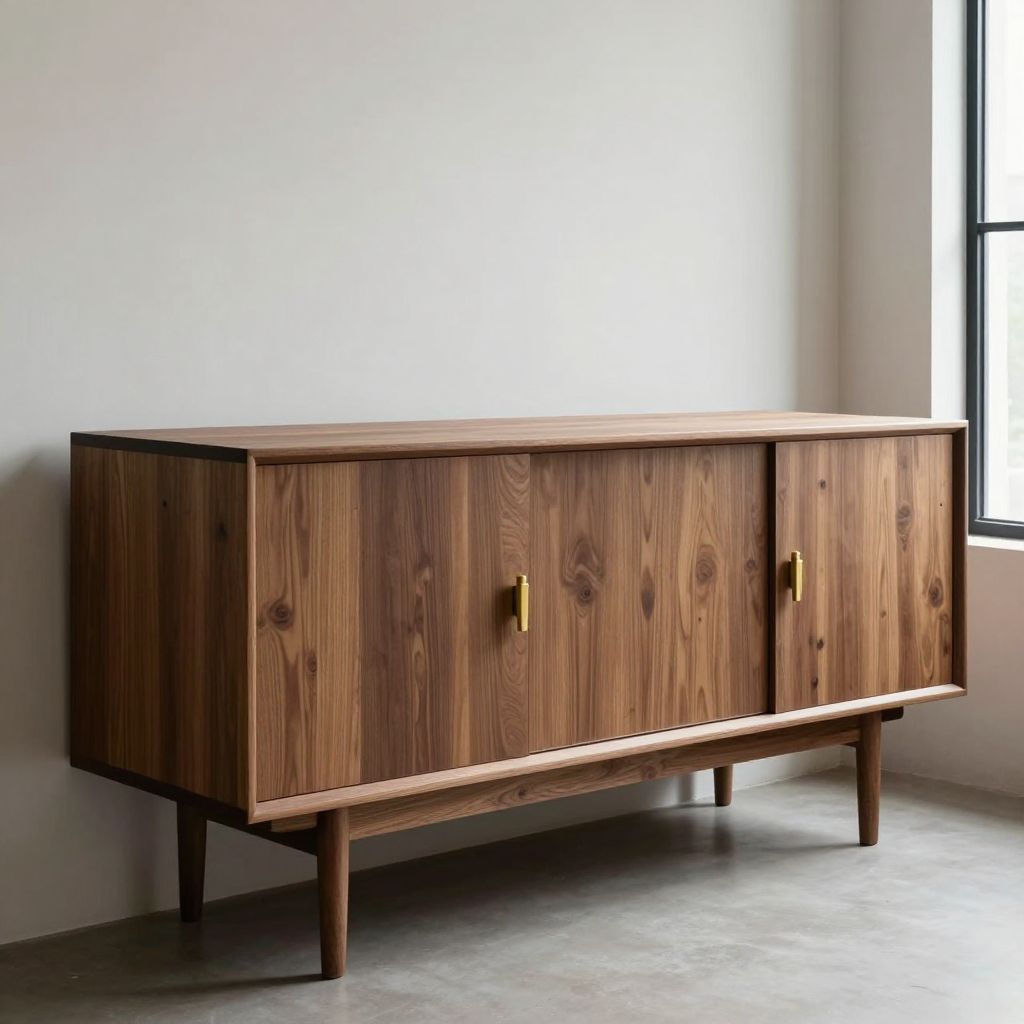
This is minimalism 101, but it bears repeating: buy less, buy better. One well-made sofa beats three cheap ones you’ll replace in five years.
Yeah, quality costs more upfront. But think about the long game. That solid hardwood table isn’t going to fall apart or look dated next season. It’s an investment in a space you won’t feel the urge to constantly redo.
I used to buy fast furniture, and I was redecorating every couple years because everything looked worn or I was just tired of it. Now I save up, buy something I genuinely love, and it stays relevant because it was never trendy to begin with.
11. Purposeful Decor (If It Doesn’t Serve, It Doesn’t Stay)
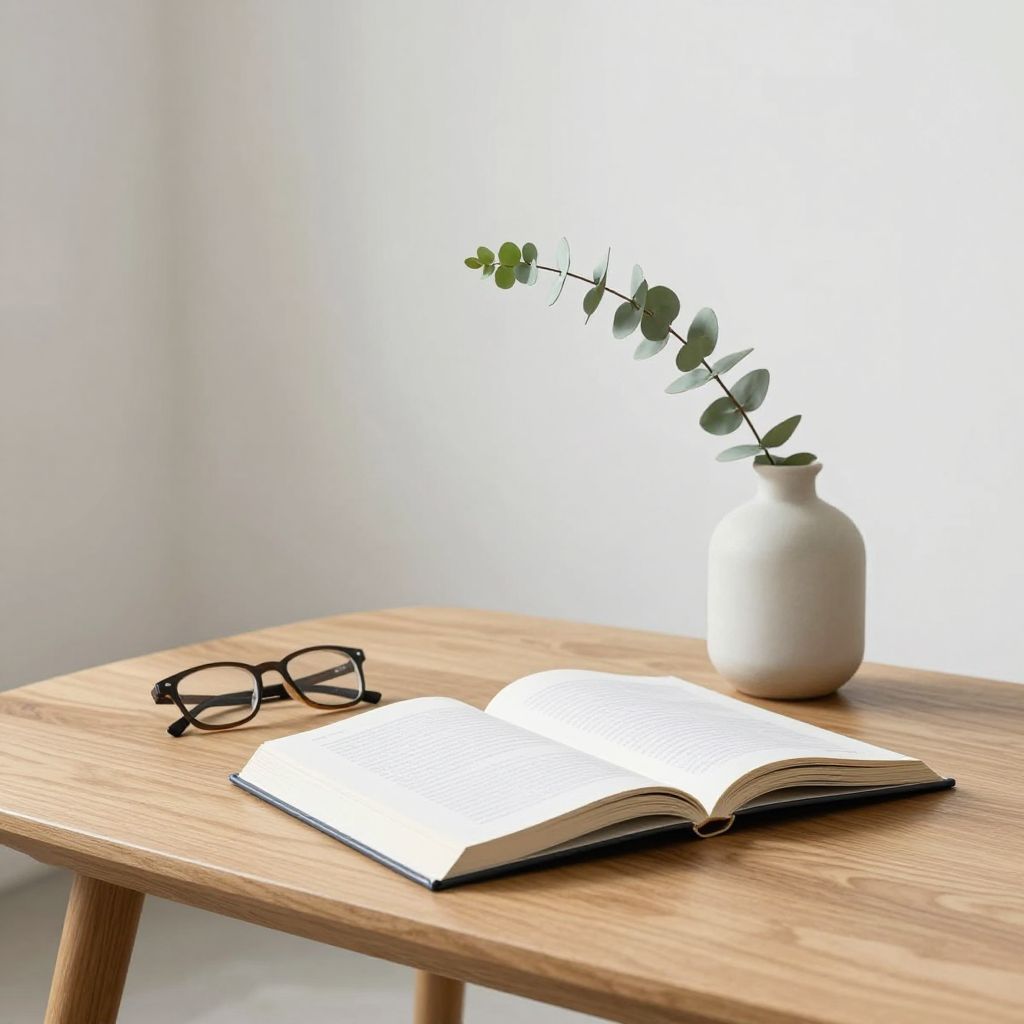
Every single item in your minimalist apartment aesthetic should earn its place. Does it serve a function? Does it bring you joy? Does it contribute to the overall vibe? If not, why is it there?
I’m not saying be ruthless for no reason. But that random decorative bowl you got as a gift six years ago and never really liked? Yeah, it can go. Purposeful doesn’t mean austere—it means intentional.
The books on my coffee table? I’m actually reading them. The ceramic vase on the shelf? It holds flowers once a week. Everything has a reason. This approach keeps your space from accumulating visual clutter over time.
12. Low-Profile Furniture That Expands Your Space
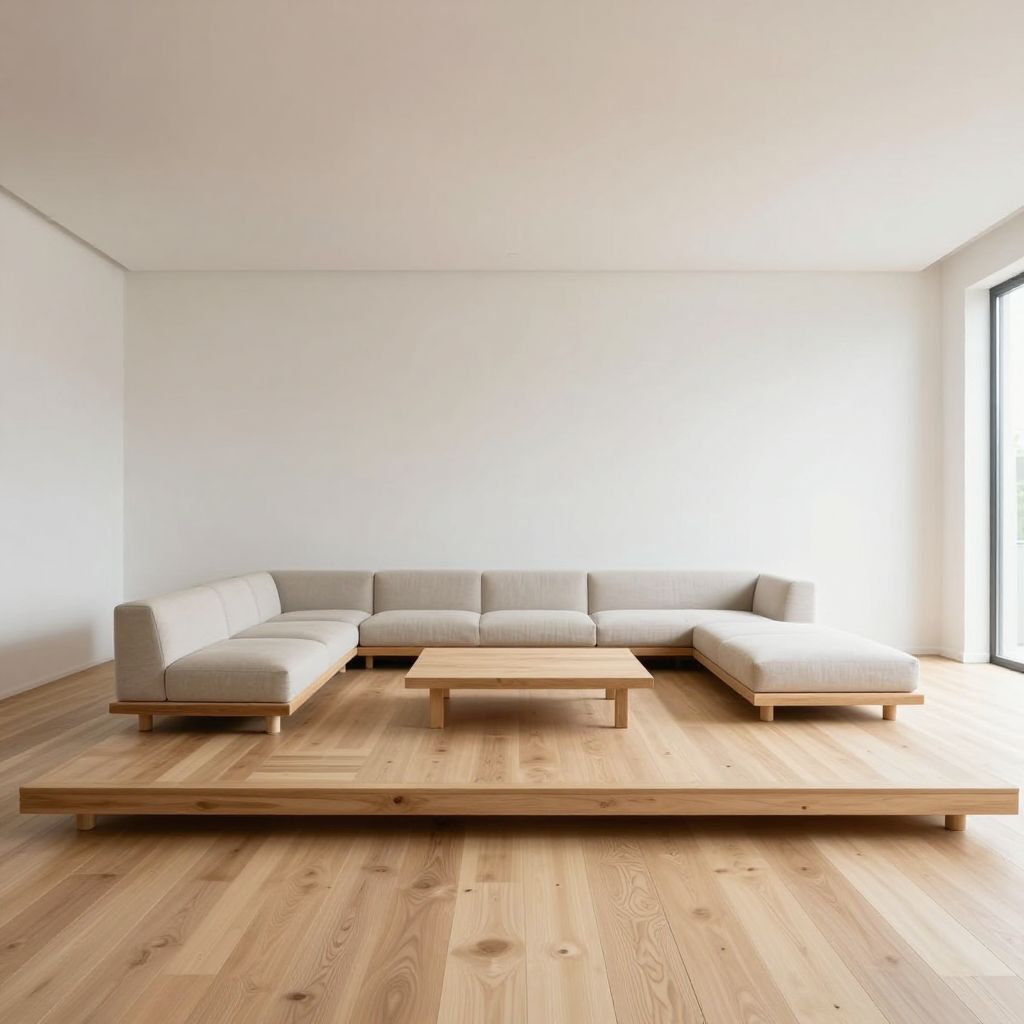
Want to make your room feel bigger without knocking down walls? Low-profile furniture is your answer. Lower sofas, coffee tables, and seating create more visual space above them.
This trick works especially well in smaller living rooms. When your furniture sits closer to the ground, the room automatically feels more open and airy. It’s an optical illusion that actually works.
I switched to a platform sofa with exposed legs (instead of my old chunky sectional that sat on the floor), and the difference was immediate. More light flows under and around the furniture, making everything feel less cramped and more breathable.
13. The Art of Restraint (Knowing When to Stop)
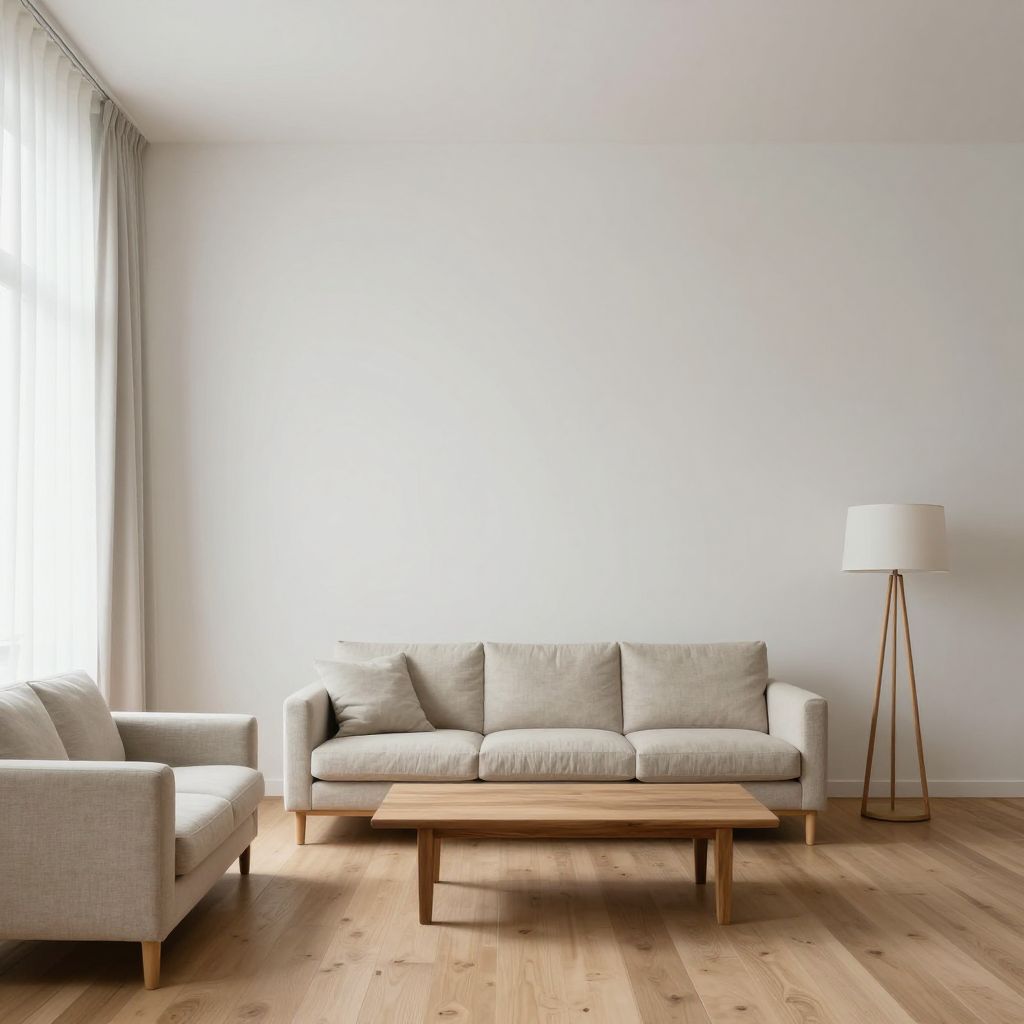
This might be the hardest one. We’re conditioned to keep adding, decorating, filling space. But minimalist design requires you to know when enough is enough.
Bought a new throw pillow? Maybe one of the old ones needs to go. Found a great piece of art? Consider what it’s replacing, not just where you can squeeze it in. This isn’t about deprivation—it’s about maintaining balance.
I literally have a one-in-one-out rule now. It sounds extreme, but it keeps my space from slowly creeping back toward clutter. And honestly? It makes me way pickier about what I bring home, which means I end up with better stuff anyway.
Look, minimalist living rooms aren’t about following strict rules or living like a monk. They’re about creating a space that feels calm, looks timeless, and actually supports the life you want to live. These 13 ideas work because they focus on quality, intention, and simplicity—principles that never go out of style.
You don’t have to implement all of these at once. Start with one or two that resonate with you, and build from there. The beauty of minimalism is that it’s forgiving—there’s always room to edit, refine, and make it your own. And that’s a design philosophy you’ll definitely never get tired of.