
Imagine waking up in a home where the walls breathe, the energy comes from the sun, and every material was chosen to work with the planet instead of against it. Sustainable house designs aren’t just about saving energy—they’re about creating spaces that feel alive, connected, and genuinely beautiful.
I’ve always believed that the best homes don’t fight nature—they invite it in. Whether you’re dreaming of building your own eco-friendly retreat or just love browsing gorgeous green architecture, these 10 sustainable house designs prove that living responsibly can be absolutely stunning.
Let’s explore homes that use everything from reclaimed timber to living roofs, all while looking like they belong on the cover of a design magazine.
1. Earthship Homes
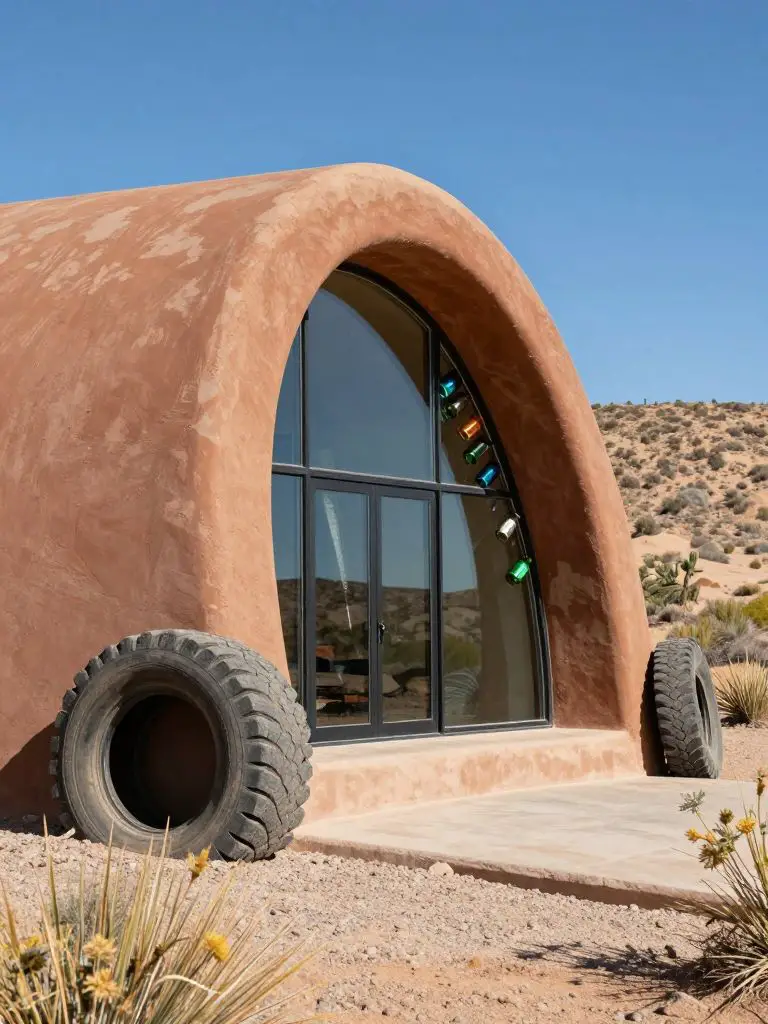
Earthships are the ultimate off-grid warriors. Built from recycled tires, bottles, and cans, these homes use thermal mass to stay warm in winter and cool in summer without a single energy bill.
The genius here is in the design: thick walls made from rammed earth and tire stacks, south-facing windows for passive solar heating, and integrated rainwater harvesting systems. They look unconventional, sure, but they’re incredibly functional.
Why they harmonize with nature: Earthships are designed to be completely self-sufficient, using renewable energy and natural materials. They work with the climate, not against it.
2. Bamboo Architecture
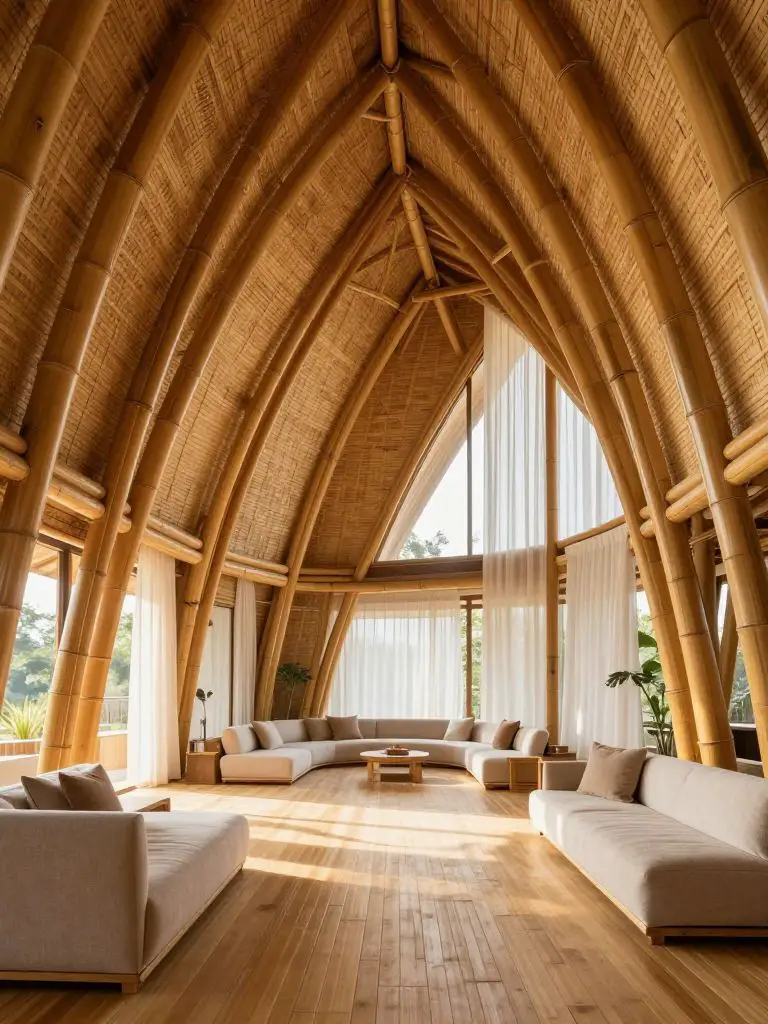
Bamboo grows faster than almost any other building material on Earth, and it’s stronger than you’d think. Architects are using it to create stunning, airy homes that feel like modern art installations.
From entire structural frames to decorative paneling, bamboo brings warmth and texture while being one of the most renewable resources available. Plus, it naturally regulates humidity, keeping interiors comfortable year-round.
Why they harmonize with nature: Bamboo sequesters carbon as it grows and requires minimal processing. It’s lightweight, flexible, and biodegradable—nature’s perfect building block.
3. Living Roof Houses
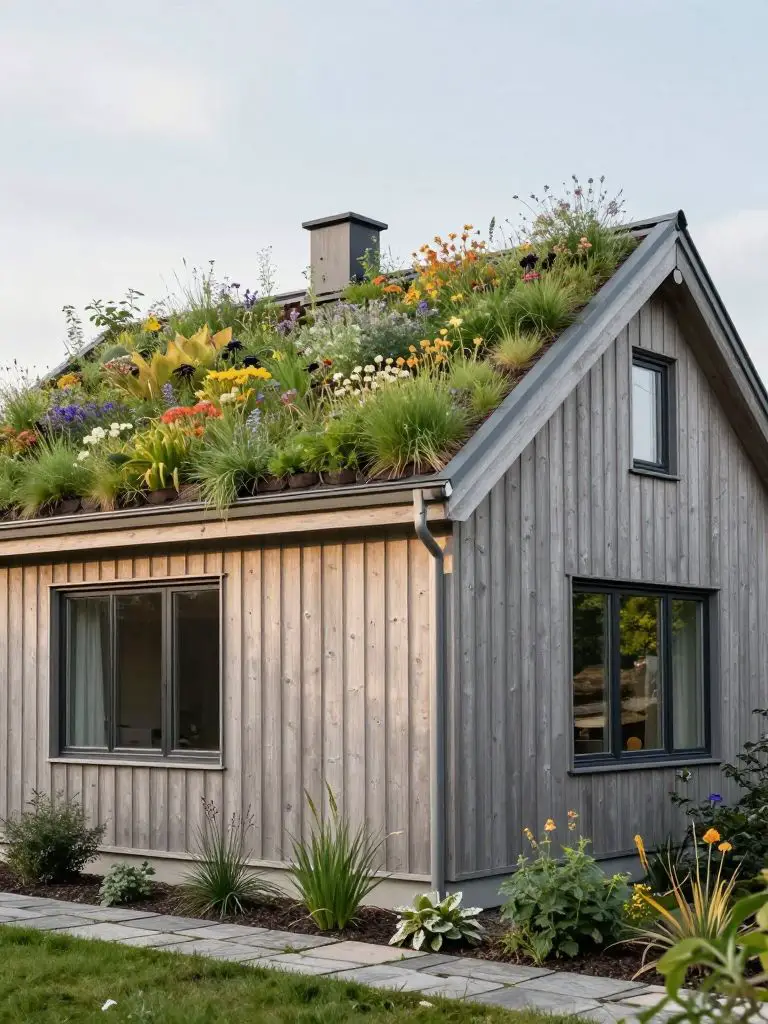
Picture a roof covered in wildflowers, grasses, or even a vegetable garden. Living roofs (also called green roofs) provide insulation, absorb rainwater, and create habitats for pollinators.
These roofs keep homes cooler in summer and warmer in winter, reducing energy use significantly. They also look absolutely magical, especially when native plants start blooming.
Why they harmonize with nature: Living roofs turn your home into part of the ecosystem. They support biodiversity, reduce stormwater runoff, and literally blend your house into the landscape.
4. Passive Solar Homes
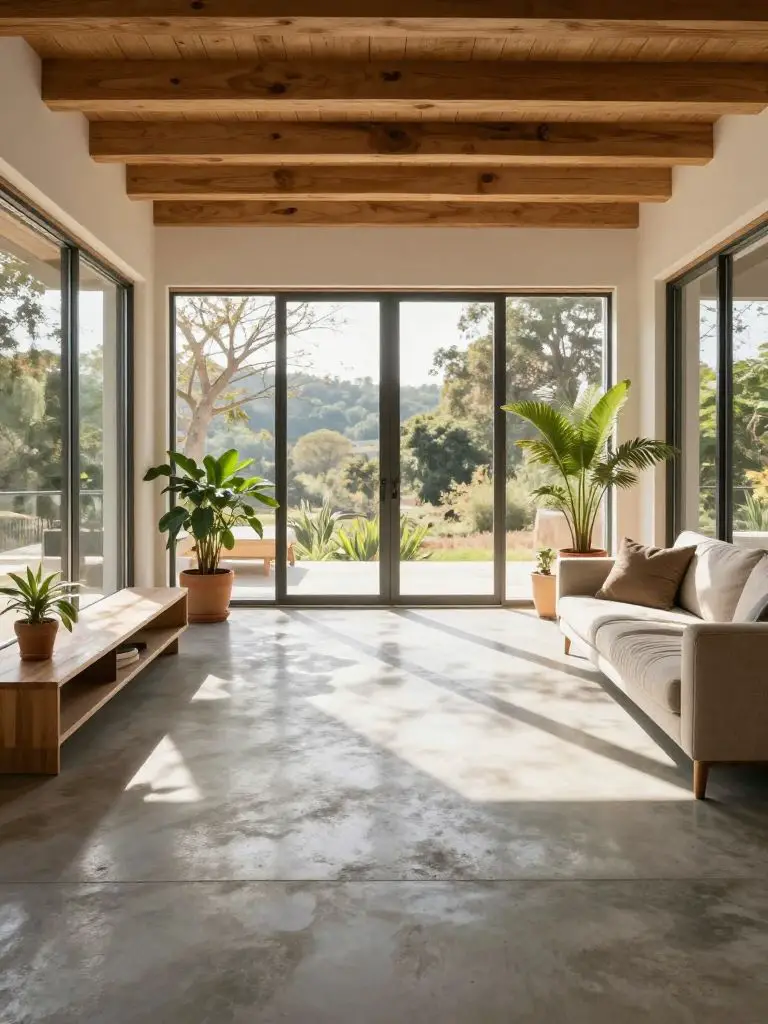
Passive solar design is all about smart placement and thoughtful architecture. South-facing windows capture sunlight, thermal mass stores heat, and overhangs shade the house in summer.
No complicated tech needed—just good design that works with the sun’s natural rhythm. These homes stay comfortable year-round with minimal heating and cooling costs.
Why they harmonize with nature: They use the sun as a free, renewable energy source. By aligning with natural light and temperature patterns, passive solar homes minimize environmental impact.
5. Reclaimed Wood Cabins
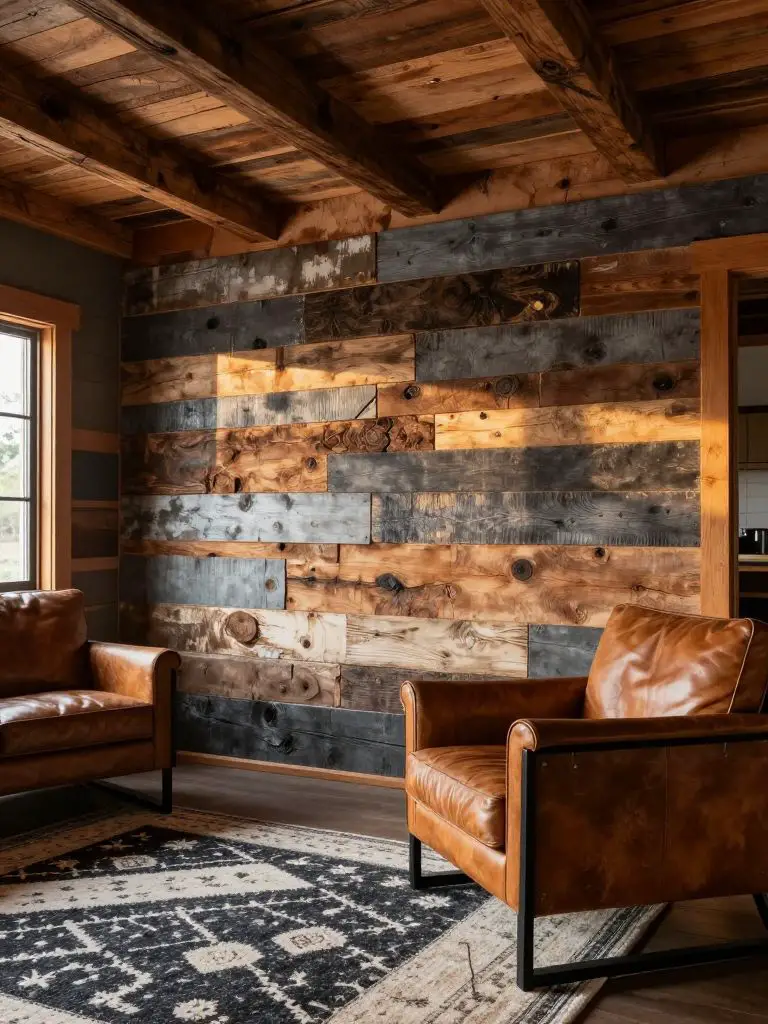
There’s something deeply satisfying about a home built from salvaged barn wood, old factory beams, or reclaimed timber. Every plank has a story, and the character is unmatched.
Using reclaimed wood reduces demand for virgin lumber and keeps beautiful materials out of landfills. The weathered textures and rich patinas create interiors that feel warm and lived-in from day one.
Why they harmonize with nature: Reclaimed wood gives new life to old trees, reducing deforestation. It’s a circular approach that honors the material’s original purpose while creating something new.
6. Rammed Earth Houses
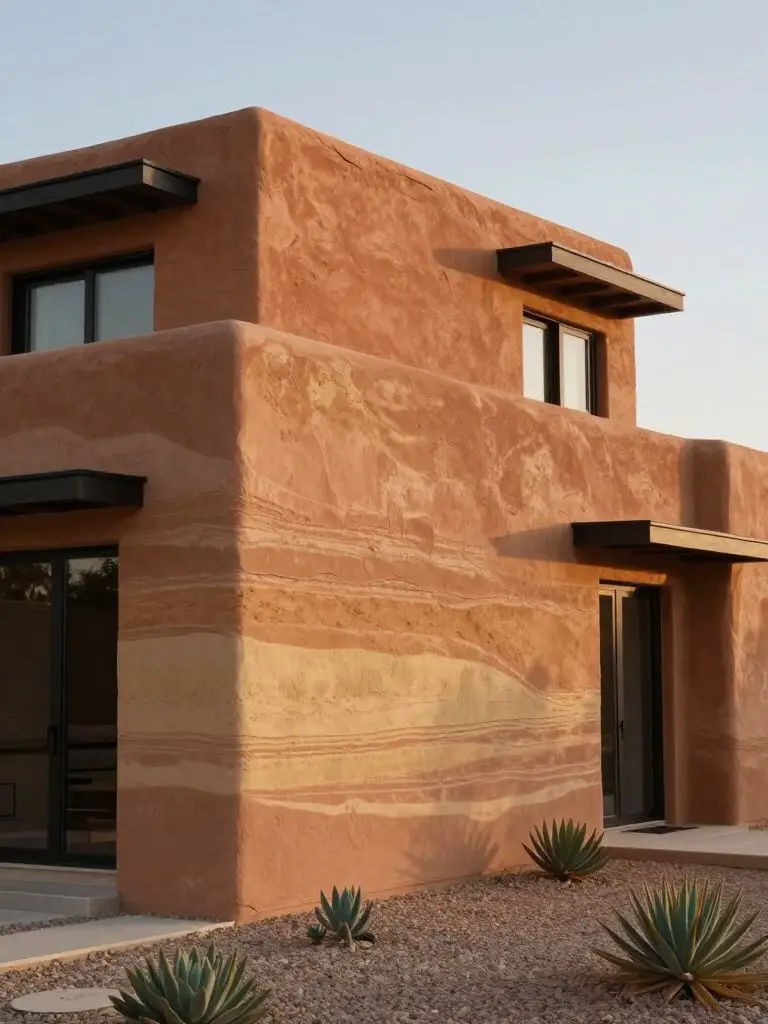
Rammed earth construction involves compressing soil, clay, and gravel into solid walls. The result? Thick, sturdy walls with gorgeous natural striations in earthy tones.
These homes have incredible thermal mass, meaning they absorb heat during the day and release it slowly at night. They’re fireproof, soundproof, and timelessly beautiful.
Why they harmonize with nature: The materials literally come from the ground beneath the home. Rammed earth requires minimal processing and has a tiny carbon footprint compared to concrete or brick.
7. Straw Bale Construction
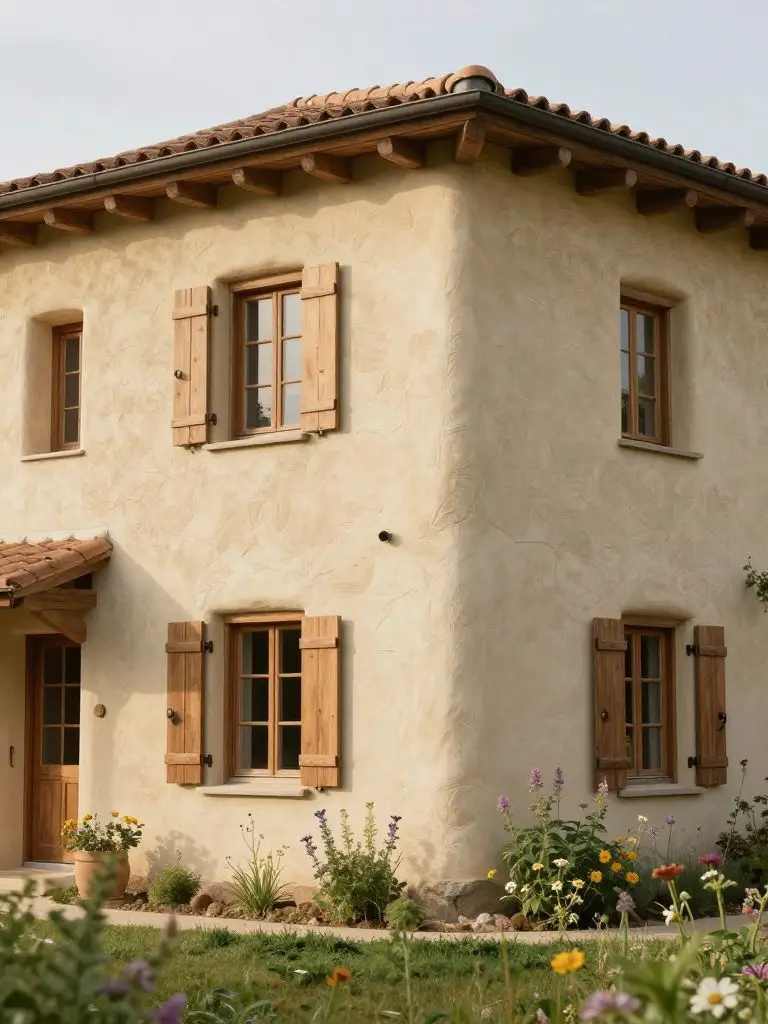
Don’t let the name fool you—straw bale homes are surprisingly durable and incredibly well-insulated. Thick bale walls provide excellent thermal and acoustic insulation.
Once covered with natural plaster, these homes can last for decades. They’re affordable, use agricultural waste, and create cozy, quiet interiors that feel like a warm hug.
Why they harmonize with nature: Straw is a renewable byproduct of grain farming. Using it for construction sequesters carbon and diverts waste from being burned or landfilled.
8. Modular Prefab Eco-Homes
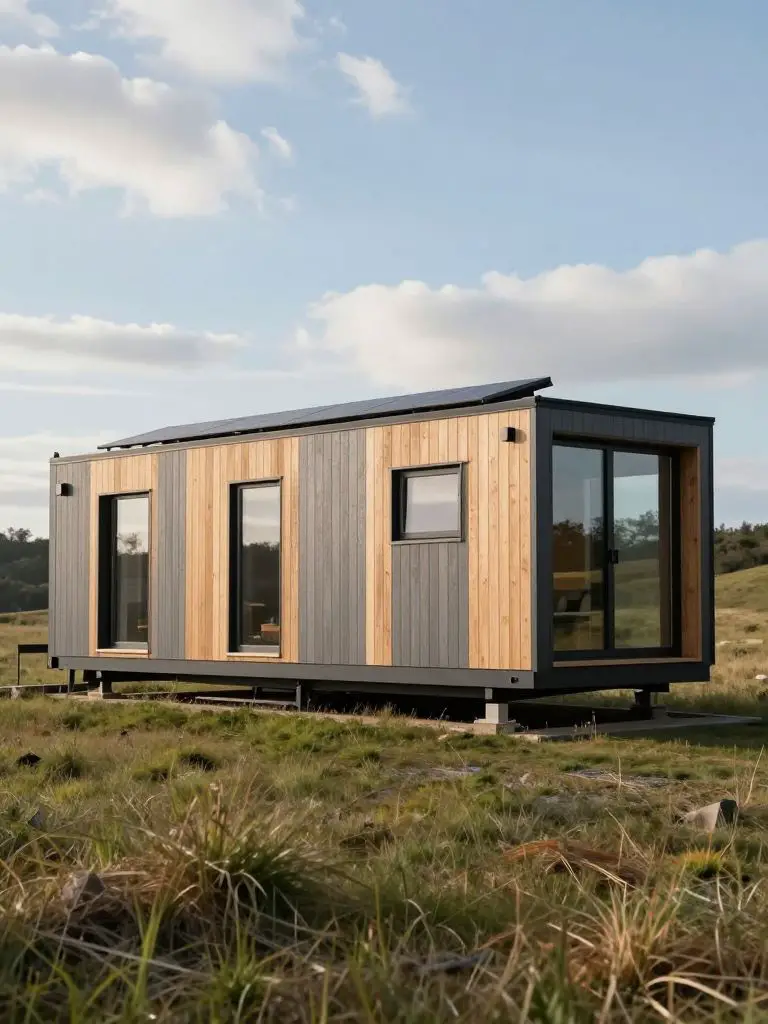
Modern prefab homes are nothing like the dated trailers of the past. Today’s modular eco-homes are sleek, customizable, and built with sustainability in mind.
Factory construction reduces waste, and many manufacturers use FSC-certified wood, recycled steel, and low-VOC finishes. Plus, building off-site minimizes disruption to the land.
Why they harmonize with nature: Prefab homes are precision-built to minimize material waste. Many models include solar panels, rainwater systems, and energy-efficient designs as standard features.
9. Glass and Steel Forest Retreats
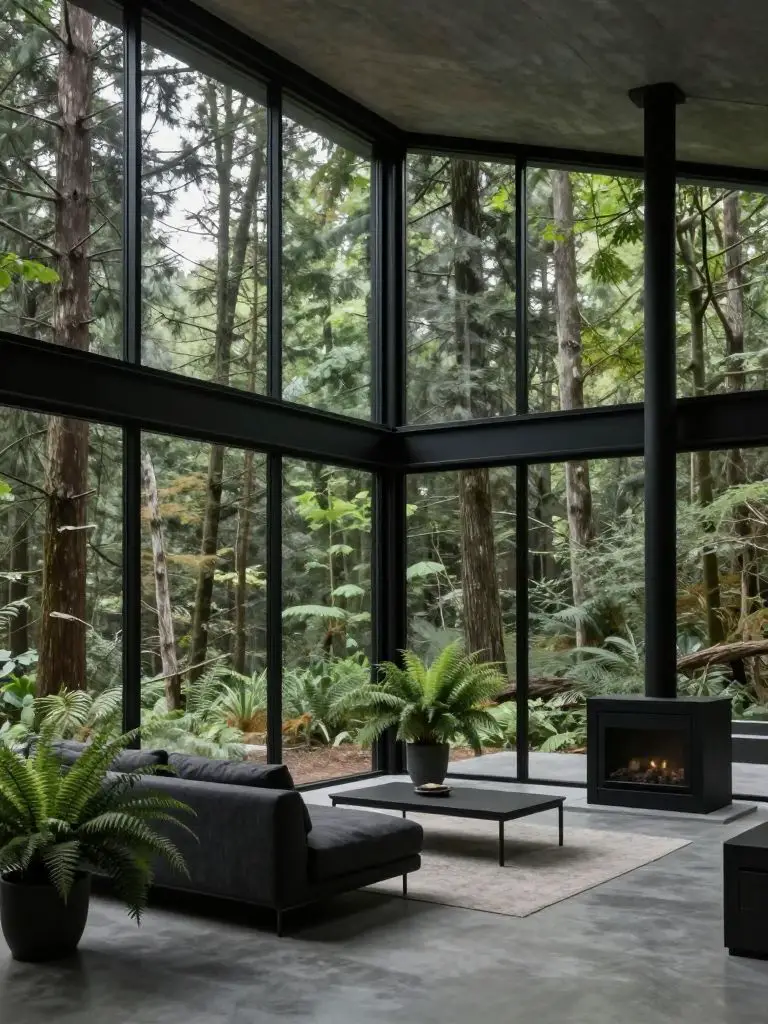
Large windows, minimal frames, and clean steel structures create homes that feel like transparent boxes in the woods. These designs maximize natural light and frame nature like living artwork.
The goal is to blur the line between indoors and out. You get unobstructed views, passive solar gain, and a constant connection to the landscape around you.
Why they harmonize with nature: By opening up to the surroundings, these homes encourage mindful living. Steel is recyclable, and thoughtful glazing reduces energy use while keeping the focus on the natural world.
10. Shipping Container Homes
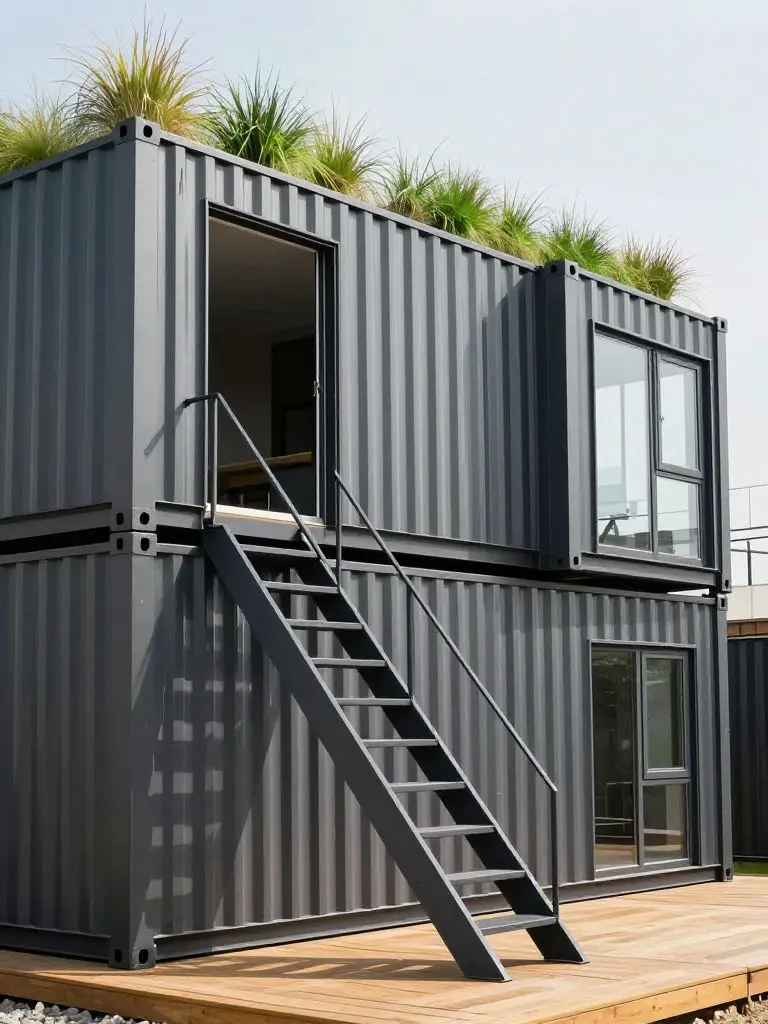
Repurposing shipping containers into homes is equal parts clever and sustainable. These steel boxes are strong, modular, and widely available.
With the right insulation and design, container homes can be stylish, comfortable, and surprisingly spacious. Stack them, cut them, combine them—the possibilities are endless.
Why they harmonize with nature: Using existing containers reduces demand for new materials and keeps steel out of scrap yards. When paired with green roofs, solar panels, and natural finishes, they become truly eco-friendly dwellings.
Sustainable house designs prove that you don’t have to sacrifice beauty or comfort to live responsibly. Whether it’s the earthy charm of rammed earth or the modern elegance of prefab modules, these homes show us how architecture can honor the planet while creating spaces we love.
If you’re planning a build or just daydreaming about your perfect eco-retreat, let these designs inspire you. Nature and good design have always belonged together—it’s time we built that way.