
Let’s cut to the chase: sustainable living isn’t about perfection, it’s about tiny, doable tweaks that add up. You don’t need a compost throne or a solar-powered dream life overnight. You just need a plan you can actually stick to.
What sustainable living even means (without the jargon)
Sustainability is about making choices today that don’t ruin tomorrow. Think: less waste, less energy, more mindful consumption. It’s not about being perfect; it’s about being better than yesterday and having fun while you figure it out. FYI, small changes beat big intentions every time.
Start with your everyday habits
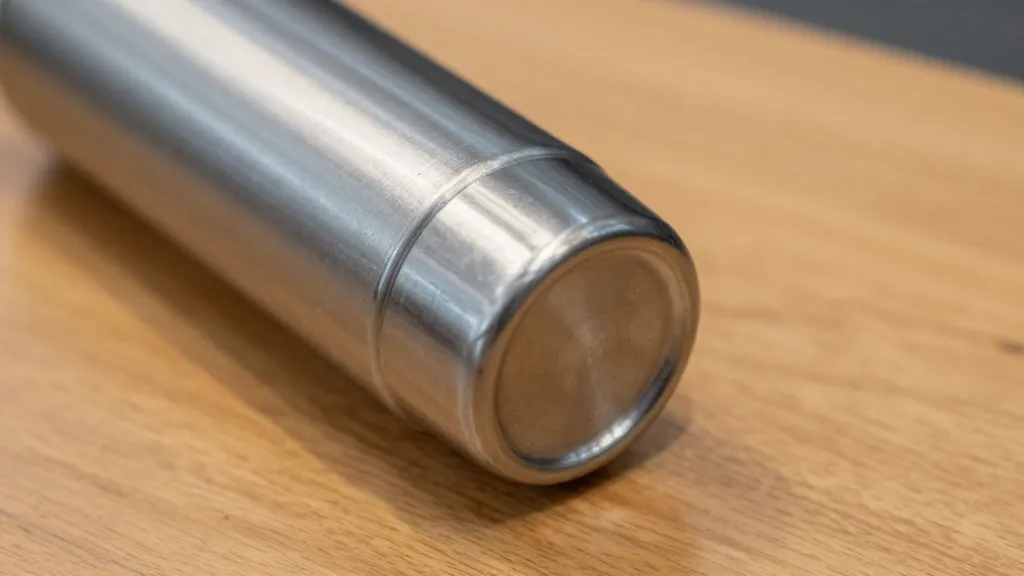
- Swap one disposable item for a reusable version each week.
- Cook more meals at home and fewer takeout mystery boxes.
- Track your energy use for a month and spot the big culprits.
Simple swaps that actually stick
- Water bottles and coffee cups become non-negotiables. Keep one in your bag and one by the coffee maker.
- Cloth bags beat plastic every single time. Put a couple in your car and your work bag.
- Meal prepping saves money and reduces last-minute bag-in-box waste.
Waste not, want not: the zero-waste light version
You don’t need to go full monk to cut down trash. Start with a two-week challenge: bring a jar for bulk goods, skip plastic wrap, and compost what you can.
Bulk buy and smarter shopping
- Shop with a list and a conscience. Buy only what you’ll actually use.
- Bring containers for bulk staples like grains, nuts, and dried fruit.
- Choose products with minimal packaging or that use recycled packaging.
Composting basics for apartment-dwellers
- If you have a balcony, a compact bin works. Mix greens (fruit scraps, coffee grounds) with browns (dry leaves, shredded paper).
- For those in tight spaces, look into community compost programs or bokashi starters. FYI, it still stinks a little, but so does your trash can.
Energy and water: save without turning life into a ghost town
Cutting energy and water is often the biggest payoff with the smallest effort.
- Switch to LEDs across the house. They last longer and use less electricity.
- Unplug idle electronics. Yes, even the phantom power hustle is real.
- Fix leaks and install a low-flow showerhead. Your water bill and future self will thank you.
- Set a reasonable thermostat habit. A couple of degrees can save a surprising amount.
Small tech, big impact
- Use smart plugs to automate when devices wake up or sleep.
- Dry your laundry outside when possible, or invest in a decent energy-efficient dryer ball routine.
- Run full loads only. Washing machines and dishwashers hate half-empty cycles.
Food choices that feel good and taste good
Food is where sustainability collides with daily life. You don’t need to be a vegan saint to make a difference, just a mindful eater.
- Eat more plants, but don’t deny yourself meat forever. A few meatless days weekly can shift the needle.
- Support local and seasonal produce. It often costs less and tastes better.
- Minimize food waste with leftovers and proper storage. Your fridge should be an ally, not a scavenger hunt.
Kitchen hacks worth trying
- Plan meals around what you already have. It’s like a treasure hunt, but you’re the pirate.
- Freeze excess sauces, broths, and herbs in ice-cubed trays. Instant flavor, less waste.
- Use the “first-in, first-out” rule in the fridge. You’ll avoid mystery leftovers that hatch into science projects.
Clothes and consumer choices that don’t drain the joy
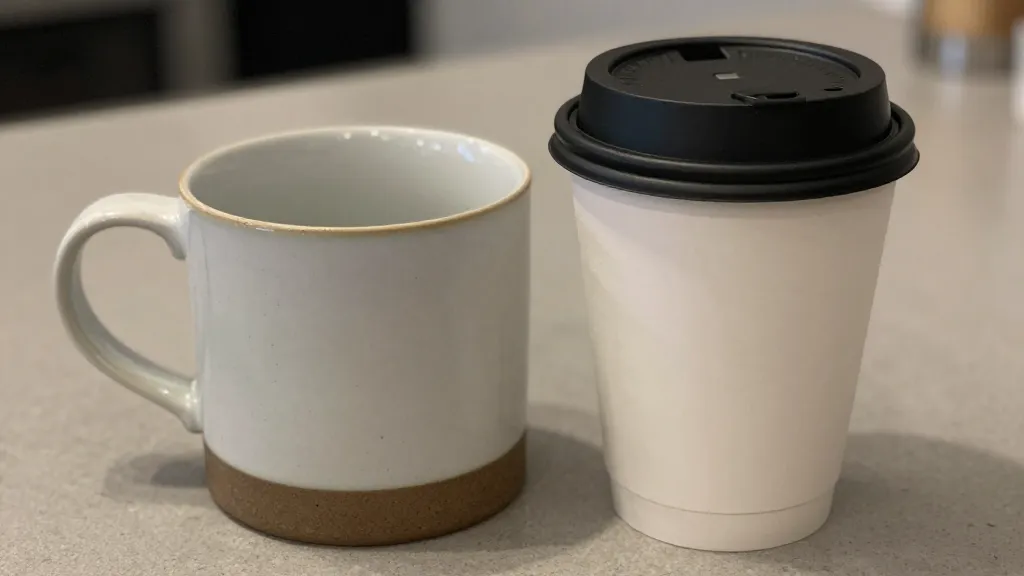
Fashion can be sustainable without becoming a costume drama. Focus on durability, repairability, and resale.
- Choose quality over quantity. A few well-made pieces beat a closet full of fast fashion.
- Repair what you own. A simple stitch or patch can stretch a wardrobe for years.
- Sell or swap outfits you no longer wear. Your closet gets lighter and your wallet gets louder.
Care and repair tips
- Learn basic mending: hems, buttons, and small tears. You’ll be shocked at what you can fix.
- Wash clothes less often and with gentler settings. Your fabrics will thank you, and your color palette will stay fresh.
Mindset and community: you don’t have to go it alone
Sustainable living sticks when it’s social, not solitary. Find a buddy, join a local swap, or connect with online groups that keep things positive and practical.
- Share wins and fails with a friend. Accountability is oddly motivating.
- Attend a local fruit-and-veg swap or repair café. Meet neighbors, save money, learn stuff.
- Use humor and patience. FYI, perfection is a mirage; progress is real.
Tools to stay on track
- Habit trackers or simple checklists help you see momentum rather than burnout.
- A “one-in, one-out” rule for shopping can curb impulse buys.
- A personal “why” note somewhere visible keeps you motivated on rough days.
FAQ
Is sustainable living too expensive for beginners?
It can feel pricey at first, but the long-term savings from energy, water, and waste reduction often add up. Focus on high-impact, low-cost changes first—LED bulbs, smart power strips, reusable bags. You’ll notice the difference in your bills and your mood without breaking the bank.
Do I need to go vegan or add a solar panel to be sustainable?
Not at all. You can start with small shifts that fit your lifestyle. Plant-forward meals, reduced meat portions, or a few solar-powered gadgets can be enough to make a dent. IMO, consistency beats grandiosity.
What if my city doesn’t have recycling or composting options?
Do what your options allow. Reuse, repurpose, and buy less overall. If possible, push for city programs by engaging neighbors or local representatives. Change sometimes starts with a simple conversation.
How do I avoid burnout while trying to live greener?
Set realistic goals, track progress, and celebrate small wins. Allow yourself to skip a day without guilt. Remember: sustainable living is a marathon, not a sprint, and humor helps you run it.
What’s the single best habit to start with?
Probably the two-minute rule: if a change takes two minutes or less, do it now. Unplug, refill a water bottle, or wash a dish. Small, immediate actions compound into big results.
Conclusion
Sustainable living isn’t an all-or-nothing quest. It’s a playful, ongoing experiment in making better choices with less drama. Start where you are, celebrate the little wins, and build from there. If you stick with it, you’ll find habits that feel almost effortless—and you’ll probably enjoy the process more than you expected. So what are you waiting for? Pick one small change today, and tell a friend you’re doing it. The ripple effect starts now.