
Ever notice how nature just gets it right? Trees naturally cool themselves, caves maintain perfect temperatures, and everything works together without wasting a single resource. I’ve always thought our homes should work the same way.
If you’re ready to create a sustainable living house that feels connected to the natural world, you’re in the right place. These eight nature-inspired ideas will help you design an eco-friendly home that’s beautiful, functional, and kind to the planet. Whether you’re building from scratch or retrofitting your current space, these concepts prove that modern eco house design can be both practical and stunning.
1. Living Green Roofs
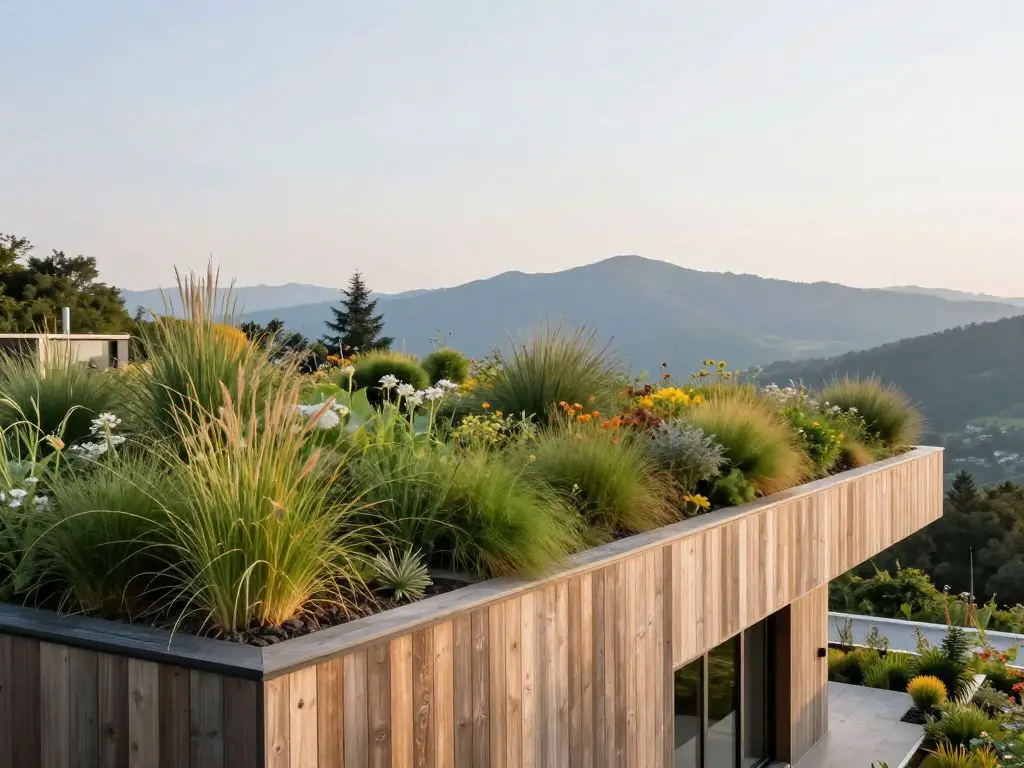
Picture a meadow on top of your house. That’s exactly what a living roof gives you, and it’s one of my favorite eco-friendly home design features.
Green roofs mimic natural hillsides, using layers of waterproofing, soil, and carefully selected plants. They insulate your home naturally, reducing heating and cooling costs by up to 30%. Plus, they absorb rainwater, reduce urban heat, and create habitat for pollinators.
Key benefits you’ll love:
- Natural insulation that saves money year-round
- Extends roof lifespan by protecting materials from UV and weather
- Creates usable outdoor space in urban settings
- Filters air pollutants and produces oxygen
The initial investment is higher than traditional roofing, but the long-term savings and environmental impact make it worthwhile. I’ve seen small eco house designs incorporate even modest green roofs with incredible results.
2. Passive Solar Design
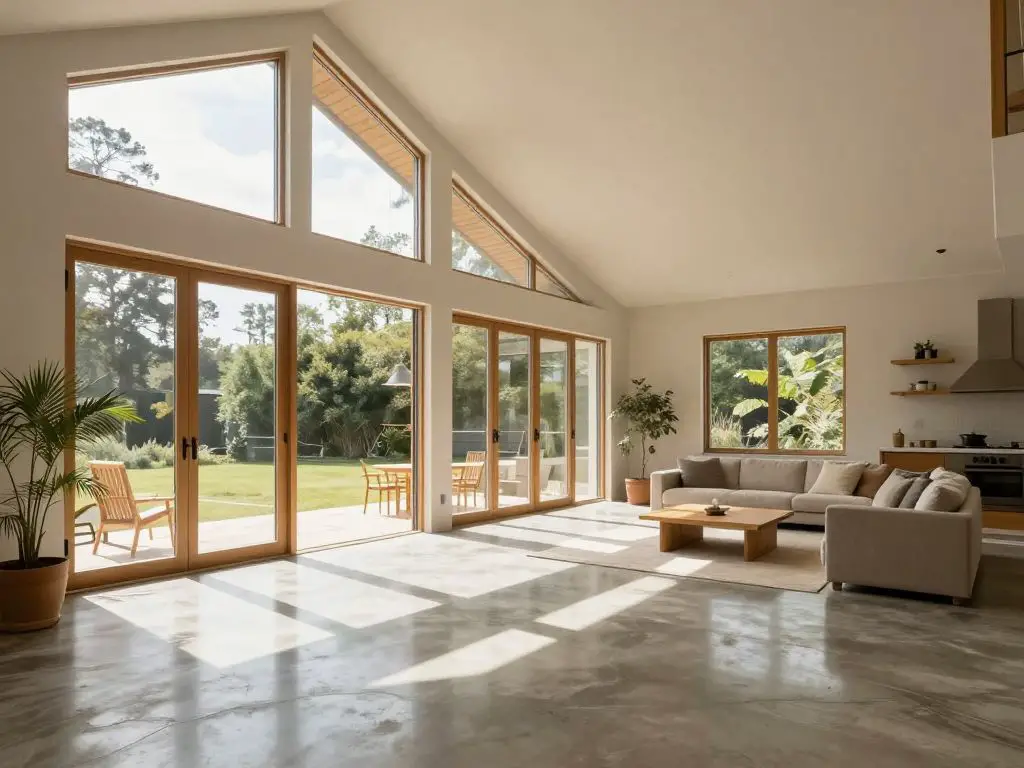
The sun has been heating and lighting the earth for billions of years. Passive solar design simply harnesses that free energy through smart architectural choices.
This approach positions your home to maximize natural light and warmth during winter while staying cool in summer. South-facing windows (in the Northern Hemisphere) capture winter sun when it’s low in the sky, while overhangs block harsh summer rays when the sun is higher.
Essential elements include:
- Strategic window placement for maximum natural light
- Thermal mass materials like concrete or stone that absorb and release heat
- Proper roof overhangs calculated for your latitude
- Open floor plans that allow light and warmth to circulate
This is earth friendly homes design at its finest. You’re working with natural patterns instead of fighting them, which means lower energy bills and a smaller carbon footprint.
3. Natural Ventilation Systems
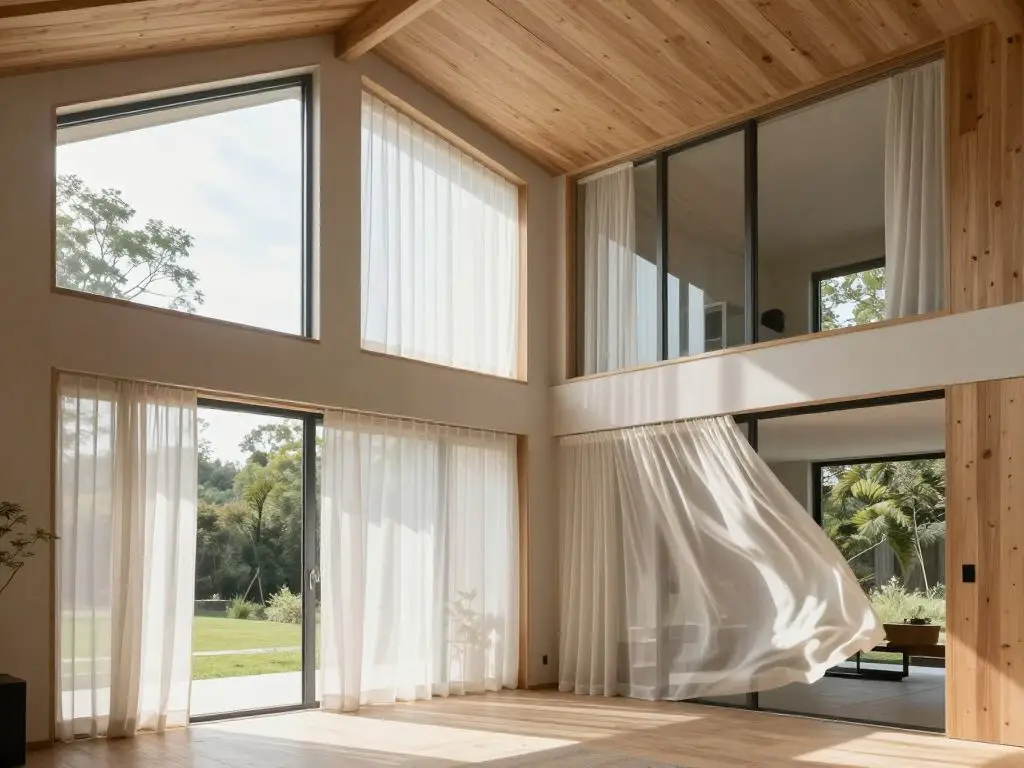
Before air conditioning, buildings stayed cool through clever design. We can learn a lot from those time-tested techniques.
Natural ventilation uses principles like the stack effect, where warm air rises and exits through high openings, drawing cool air in through lower vents. Cross-ventilation moves air horizontally through strategically placed windows and openings.
I love how this creates fresh, healthy indoor air without mechanical systems running constantly. The key is understanding your local wind patterns and designing your home accordingly.
Implementation tips:
- Install operable windows on opposite walls for cross-breezes
- Add clerestory windows or cupolas for vertical air movement
- Use window placement to capture prevailing winds
- Consider wing walls or landscaping to direct airflow
4. Rainwater Harvesting Systems
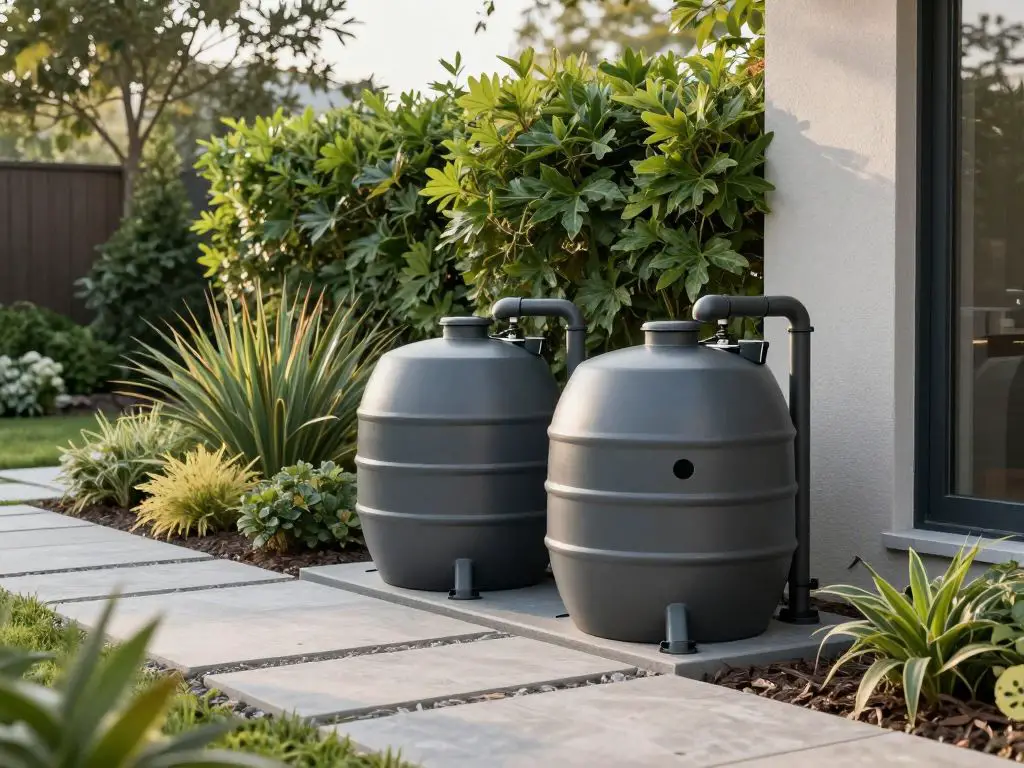
Nature doesn’t waste water, and neither should your sustainable living house. Rainwater harvesting collects what falls on your roof and stores it for later use.
This simple system can provide water for gardens, toilets, laundry, and with proper filtration, even drinking water. In many regions, rainwater is actually softer and cleaner than municipal supplies.
A basic system includes:
- Gutters and downspouts to collect roof runoff
- First-flush diverters that discard initial dirty water
- Storage tanks sized for your rainfall and needs
- Filtration appropriate for your intended use
Even a modest off-grid house setup can capture thousands of gallons annually. I’ve seen homeowners reduce their water bills by 50% or more with well-designed systems.
5. Natural Building Materials
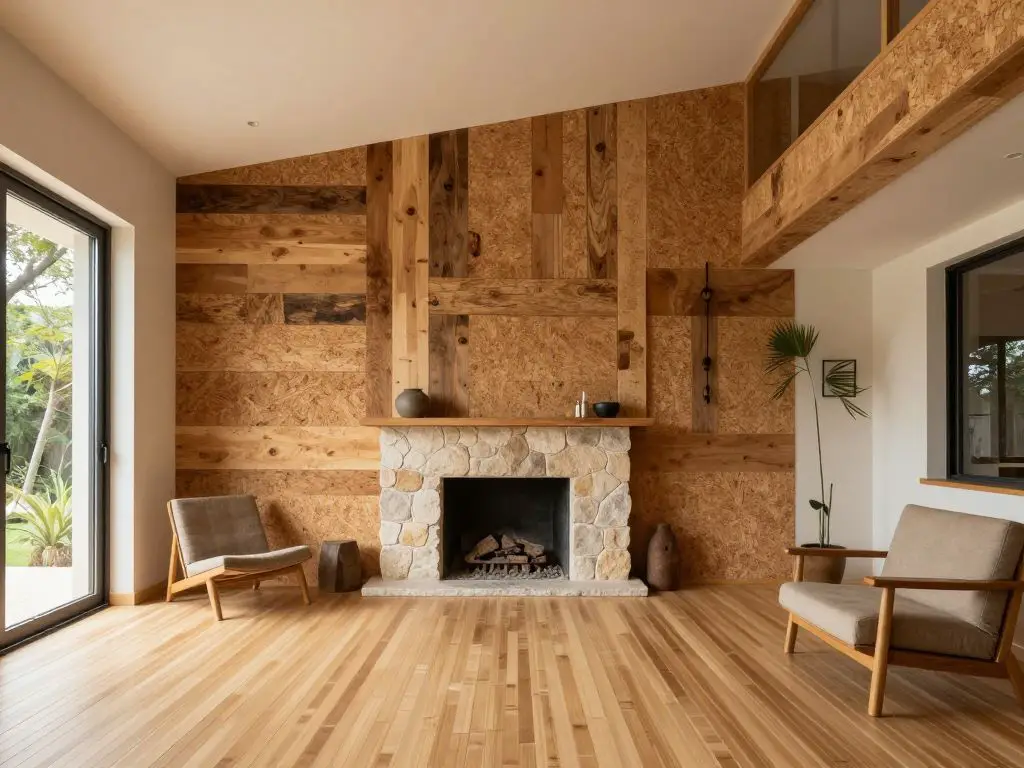
Trees, stones, clay, and straw have sheltered humans for millennia. These materials are making a serious comeback in eco-friendly building style.
Natural materials like reclaimed wood, bamboo, cork, and stone have low embodied energy compared to concrete and steel. They’re often locally sourced, reducing transportation emissions, and many are renewable or recycled.
Popular natural materials worth considering:
- Bamboo flooring that grows back in just 3-5 years
- Reclaimed wood with character and zero new tree harvesting
- Cork from tree bark that regenerates without harming the tree
- Rammed earth or adobe for thermal mass and natural beauty
- Straw bales for exceptional insulation
These materials also improve indoor air quality since they don’t off-gas harmful chemicals. Your home literally breathes better with natural materials.
6. Biomimicry in Architecture
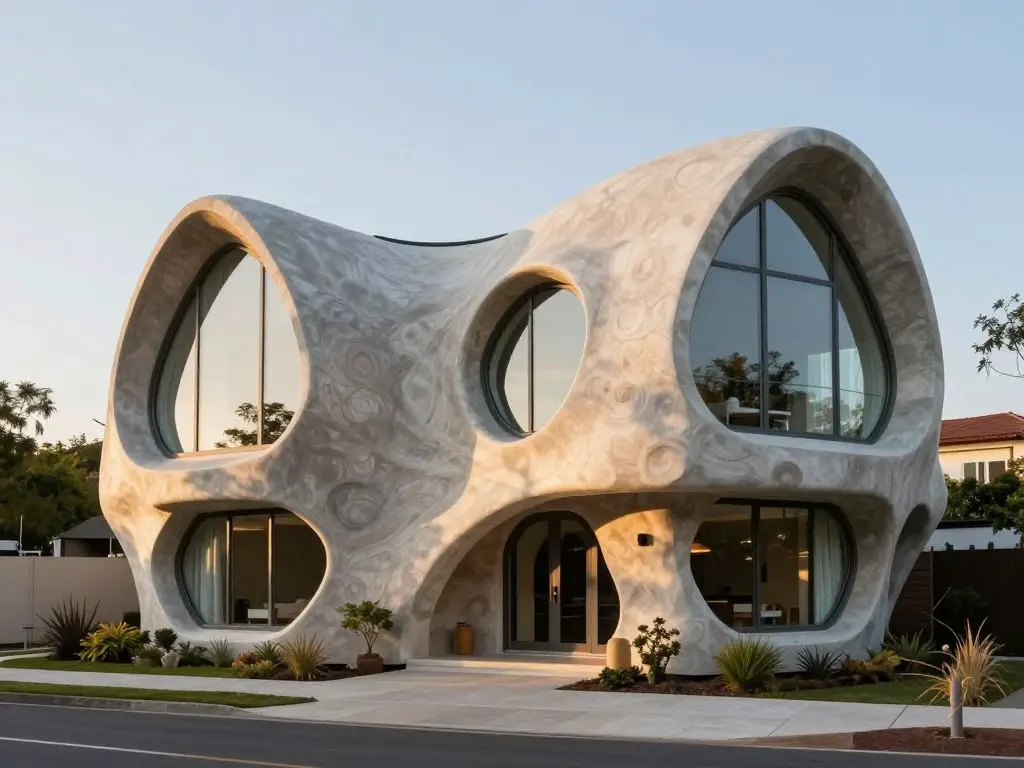
What if buildings could regulate temperature like termite mounds or shed water like lotus leaves? That’s biomimicry, and it’s revolutionizing modern eco house design.
Biomimicry studies nature’s solutions to design challenges. The Eastgate Centre in Zimbabwe mimics termite mounds to stay cool without air conditioning. Self-cleaning facades inspired by lotus leaves repel water and dirt naturally.
You can apply biomimicry at home through:
- Hexagonal patterns for structural strength using less material
- Textured surfaces that manage water flow like tree bark
- Ventilation systems modeled after prairie dog burrows
- Building shapes that optimize airflow based on bird wing design
This approach pushes us to ask better questions. Instead of “how do I cool this space,” we ask “how does nature cool without electricity?”
7. Indoor-Outdoor Living Spaces
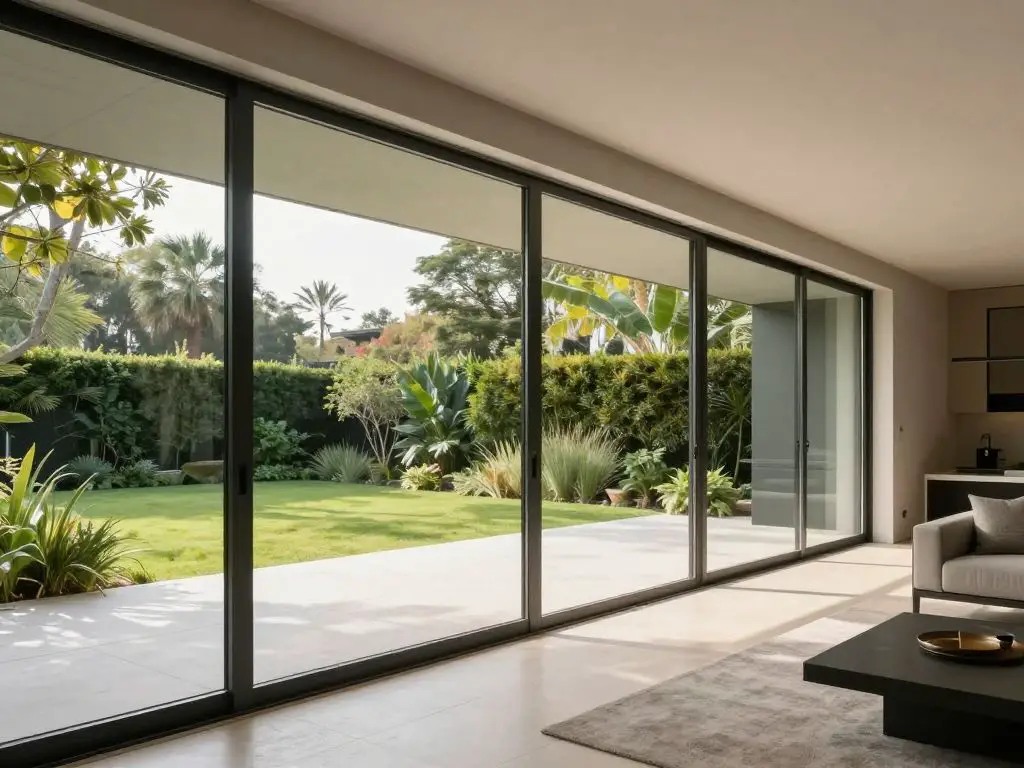
Nature doesn’t draw hard lines between inside and outside. Your home shouldn’t either.
Blurring these boundaries creates healthier living spaces and reduces energy consumption. Large sliding or folding glass walls, covered outdoor rooms, and strategic landscaping all contribute to this flow.
Design strategies that work beautifully:
- Floor-to-ceiling windows or glass walls that open completely
- Outdoor kitchens and dining areas for seasonal living
- Covered patios that extend usable space
- Courtyards that bring nature into the home’s center
- Consistent flooring materials that flow from inside to out
This design philosophy also encourages you to actually spend time outside, which honestly does wonders for mental health. You’ll use less artificial lighting and heating when you embrace seasonal outdoor living.
8. Integrated Landscape Design
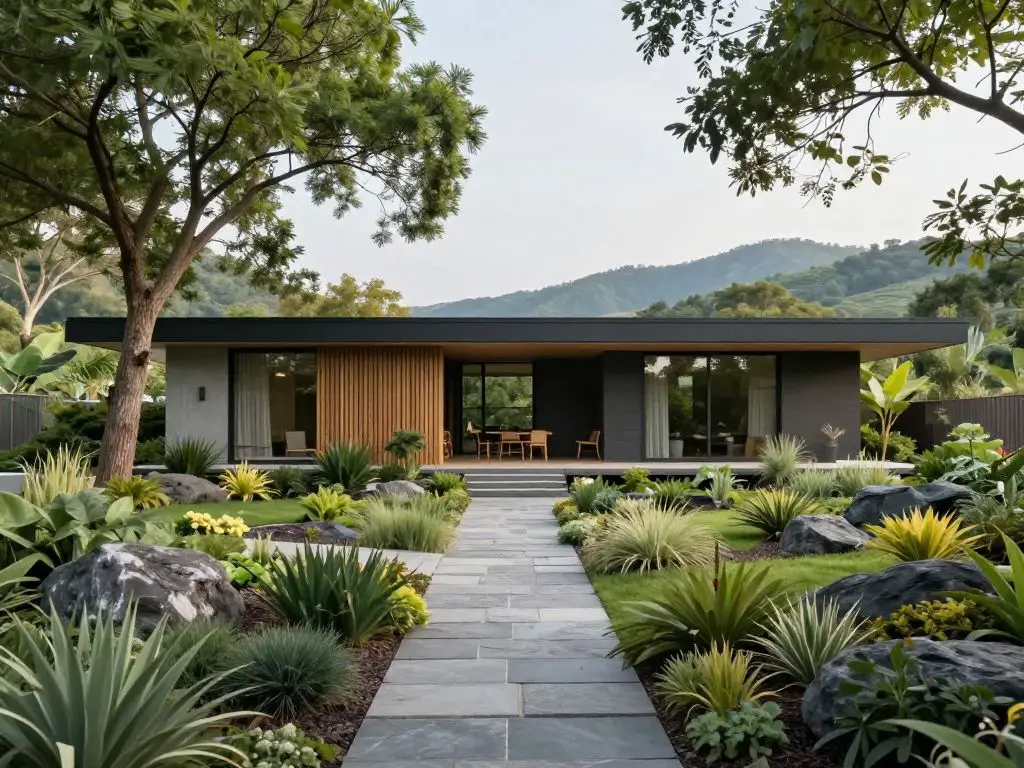
Your sustainable living house shouldn’t just sit on the land. It should work with it.
Integrated landscape design considers drainage, sun exposure, wind patterns, and native ecosystems when positioning and orienting your home. This creates a symbiotic relationship between building and site.
Smart integration includes:
- Native plant landscaping that needs minimal water and maintenance
- Edible gardens positioned for easy access and optimal growing
- Permeable surfaces for natural water absorption
- Windbreaks using trees and shrubs to reduce heating costs
- Shade trees strategically placed to cool your home in summer
I’ve seen homes that feel like they grew from the land rather than being imposed on it. That’s the goal here. When your landscape and home work together, you reduce maintenance, energy use, and environmental impact while creating something genuinely beautiful.
The result is a property that supports local wildlife, manages stormwater naturally, and requires far less resource input than conventional landscaping.
Creating an eco-friendly home inspired by nature isn’t just about being green. It’s about building spaces that feel better to live in, cost less to maintain, and leave a lighter footprint on our planet. Start with one or two of these ideas that resonate most with you. Even small changes add up to meaningful impact when we all do our part.