
So you’ve decided to take the plunge and leave the chaos of modern life behind. Going off grid isn’t just about buying land and calling it a day—it’s a complete lifestyle shift that requires serious planning. Whether you’re dreaming of a solar-powered cabin in the woods or a self-sufficient homestead, getting your ducks in a row before you make the move will save you headaches (and money) down the road.
I’ve seen too many people rush into off grid living only to realize they forgot crucial steps. Trust me, you don’t want to be that person frantically Googling water purification methods when you’re already miles from civilization. Let’s walk through the essential prep work that’ll set you up for success.
1. Test Your Off Grid Skills First
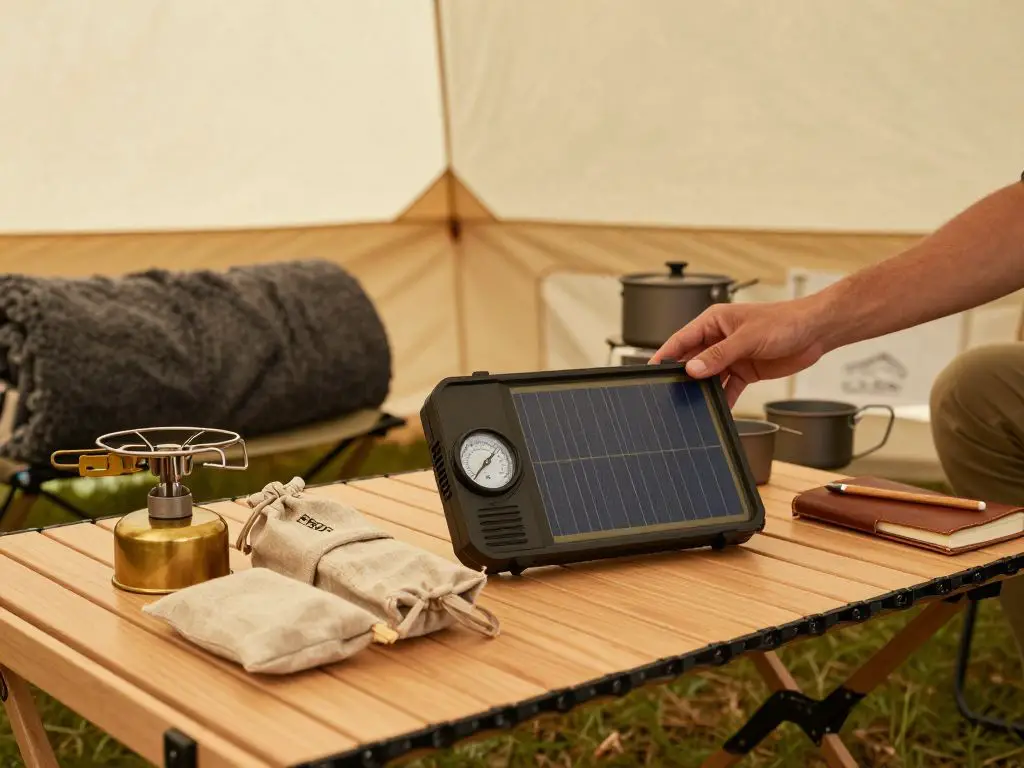
Before you sell everything and move to the middle of nowhere, spend some weekends practicing off grid living. Camp on your future property if possible, or just disconnect utilities at your current place for a weekend. You’ll quickly discover what skills you’re missing and what gear you actually need versus what looked cool on YouTube.
This trial run will reveal your tolerance for discomfort and help you identify gaps in your knowledge. Can you actually start a fire in the rain? Do you know how to troubleshoot a solar panel system? Hands-on experience beats theory every single time.
2. Get Your Finances in Order

Going off grid doesn’t mean going broke, but you need a solid financial foundation. Calculate your startup costs honestly—land, building materials, solar systems, water solutions, and a hefty emergency fund. Most people underestimate by at least 30%.
If you’re planning to work remotely, test your income streams before you move. Set up passive income, freelance contracts, or whatever revenue source you’re counting on. You don’t want to realize your Starlink connection can’t handle your job requirements after you’ve already relocated.
Aim for at least 12 months of expenses saved up before making the jump. Off grid living for beginners often comes with unexpected costs, and you’ll want that cushion.
3. Master Water Collection and Purification
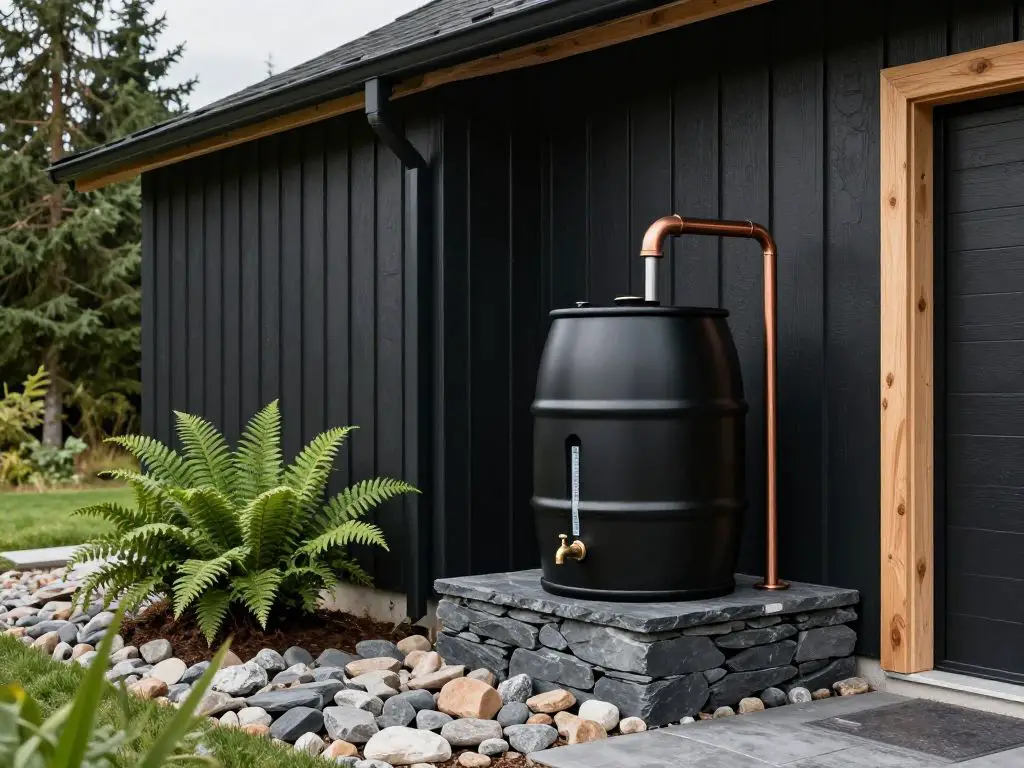
Water is literally life, and you need multiple backup plans. Research your property’s water sources—well depth, annual rainfall, nearby springs. Install rainwater collection systems and learn several purification methods beyond just boiling.
I recommend getting certified in well drilling or at least understanding the process thoroughly. Water quality testing isn’t optional either. You’ll want to know exactly what’s in your water supply and how to treat it safely.
Don’t forget about greywater systems and composting toilets. These aren’t just hippie accessories—they’re practical solutions that conserve your most precious resource.
4. Learn Food Preservation and Storage

Your relationship with food is about to change dramatically. Start building your pantry now with long-term storage foods, and learn preservation techniques like canning, dehydrating, and fermentation. These skills take practice, so don’t wait until you’re already off grid.
Plan your garden layout based on your climate zone and growing season. Order heirloom seeds and practice saving them. If you’re planning to raise animals, spend time working with them first—chickens are easier than goats, trust me.
A well-stocked pantry with 6-12 months of food gives you breathing room while you establish your growing systems. This is essential for how to live off the grid sustainably.
5. Build Your Alternative Energy Knowledge
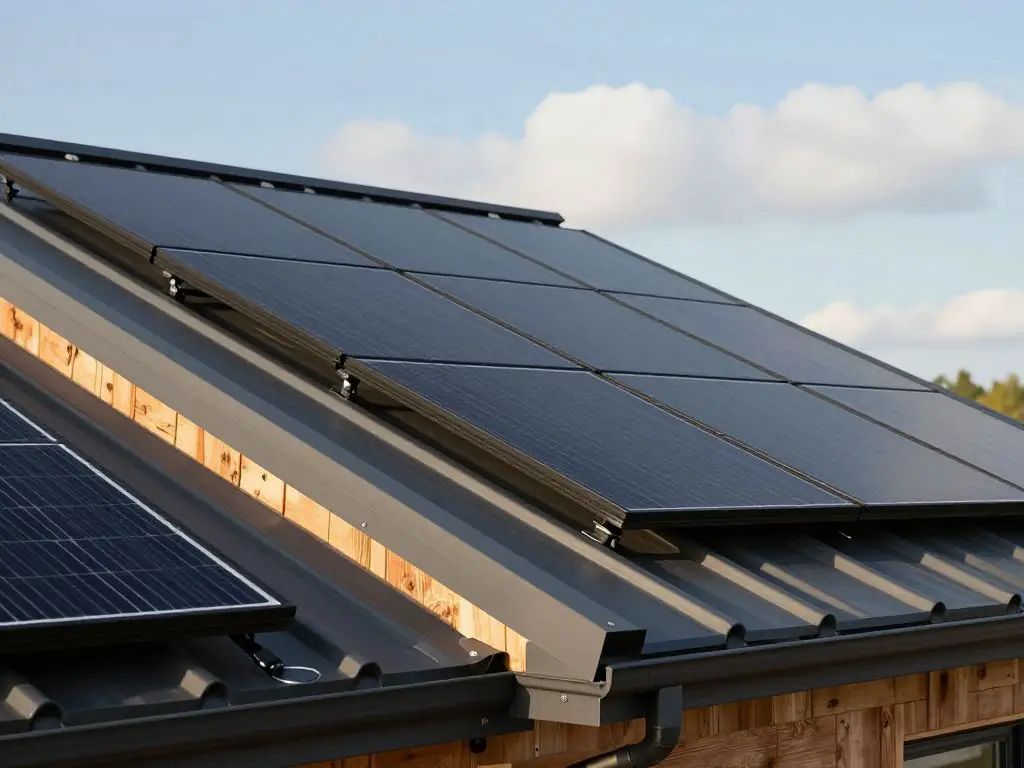
Solar panels seem straightforward until you’re trying to calculate your actual energy needs. Take a course on solar installation or spend serious time understanding battery banks, inverters, charge controllers, and system sizing. Wrong calculations mean either wasted money or insufficient power.
Consider backup systems like wind turbines or generators. Weather doesn’t always cooperate, and you’ll want options. Learn basic electrical work and troubleshooting—calling an electrician when you’re off grid isn’t always feasible.
Track your current energy usage for at least three months. You’ll be surprised how much power everyday items consume, and this data is crucial for sizing your system correctly.
6. Establish Medical and Emergency Plans
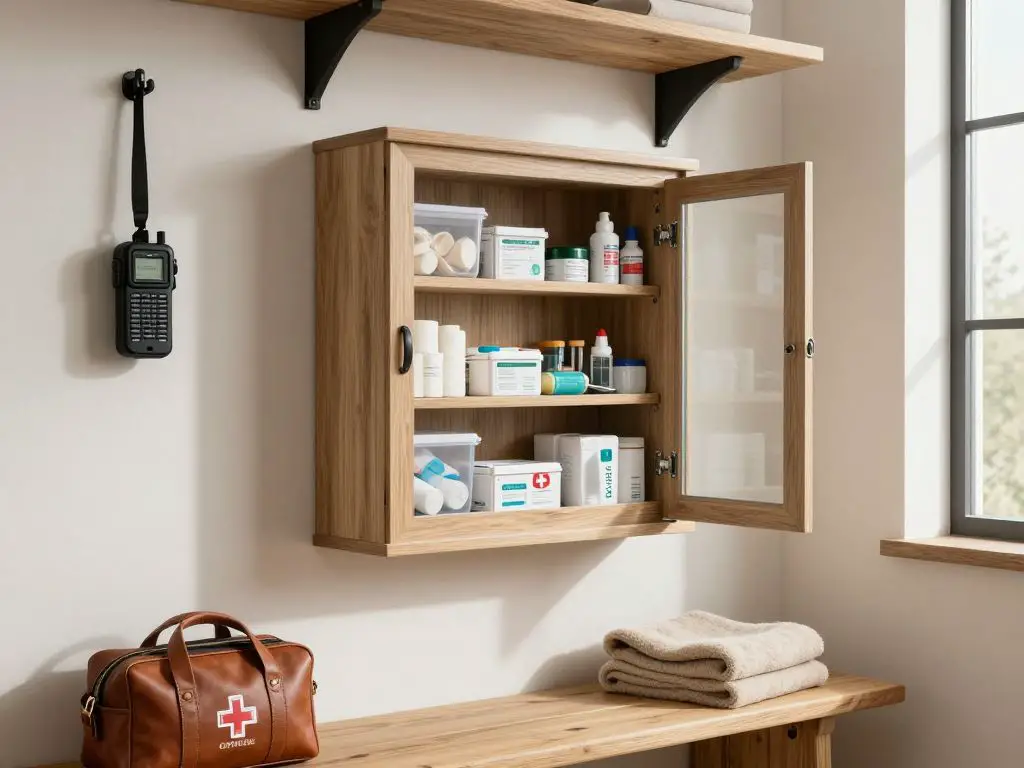
Healthcare looks different when you’re an hour from the nearest hospital. Take wilderness first aid and CPR courses. Stock a comprehensive medical kit that goes way beyond Band-Aids—think sutures, antibiotics if legal in your area, and supplies for serious injuries.
Build relationships with local emergency services and understand their response times to your location. Set up emergency communication systems like satellite phones or emergency beacons. Your life might literally depend on these preparations.
If you take prescription medications, work with your doctor to get larger supplies or find alternatives. Some people even learn basic veterinary skills if they’re planning to keep livestock.
7. Handle Legal and Paperwork Issues
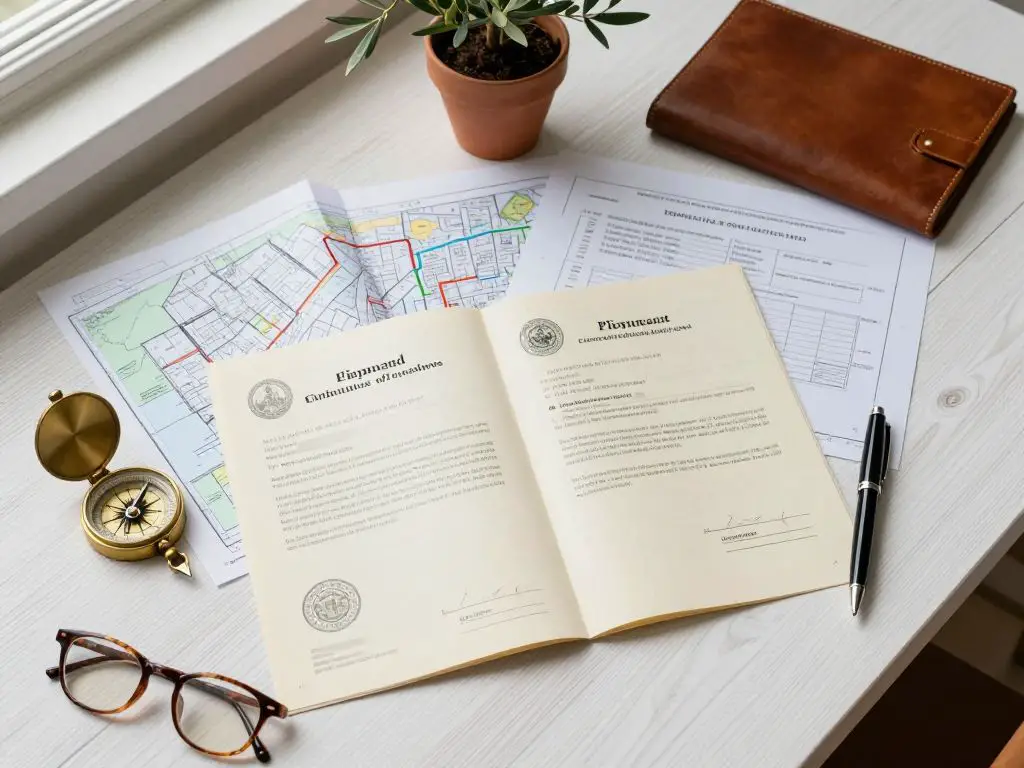
Zoning laws, building permits, and property regulations vary wildly by location. Research your county’s rules about dwelling size, composting toilets, and alternative building materials before you buy land or start construction. Some places are surprisingly restrictive about off the grid tips and practices.
Update your legal documents including wills, property deeds, and insurance policies. Some insurance companies won’t cover off-grid properties, so shop around. Consider forming an LLC if you’re planning any farm business or rentals.
Don’t forget about mail service and maintaining an official address. You’ll still need to receive packages, important documents, and stay connected to the grid on paper even if you’re disconnected physically.
8. Connect with the Off Grid Community
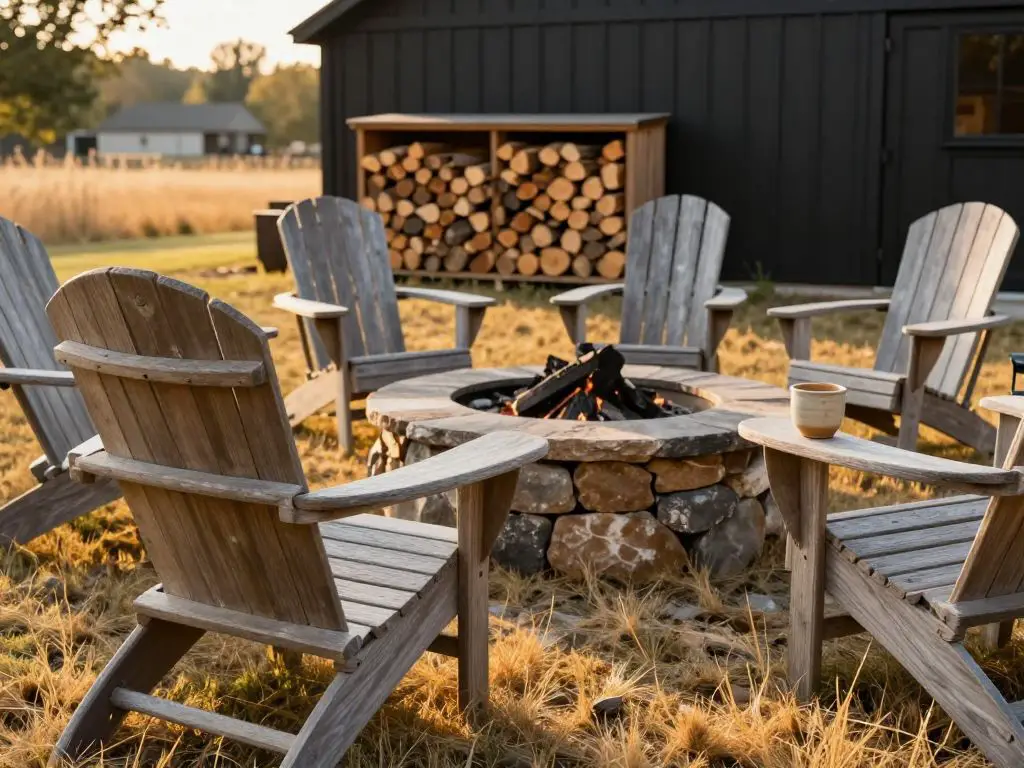
You’re not the first person to do this, so learn from those who’ve gone before you. Join online forums, attend homesteading conferences, and visit established off grid properties. The knowledge you’ll gain is invaluable, and you’ll build a support network.
Local connections matter too. Introduce yourself to neighbors even if they’re miles away. These relationships can save you during emergencies and provide opportunities for skill-sharing and bartering. Off grid doesn’t mean isolated.
Find mentors who’ve been living this lifestyle for years. Their practical wisdom beats Instagram aesthetics every time, and they’ll tell you the unglamorous truths about off grid living.
9. Declutter and Simplify Your Life Now
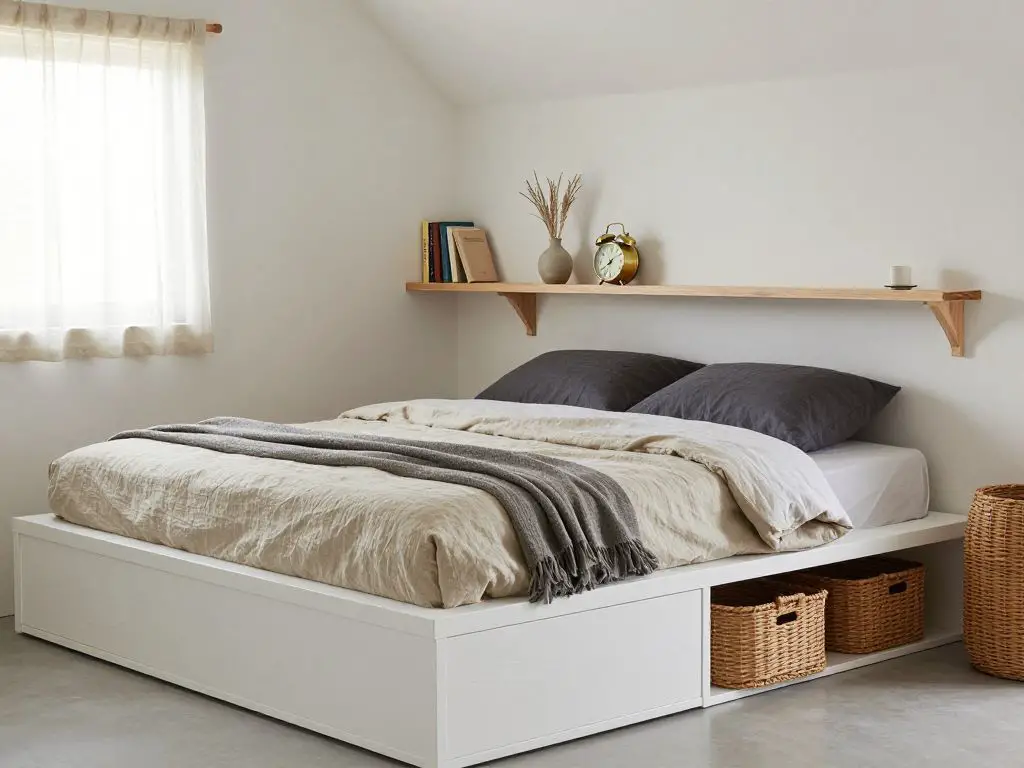
Start downsizing your possessions immediately. You won’t have room for half the stuff you currently own, and moving it all is expensive. Sell, donate, or trash anything you haven’t used in a year. Be ruthless—this process gets harder the longer you wait.
Practice living with less right now. Can you go a week without buying anything? How minimal can your wardrobe get? This mindset shift is crucial because off grid living naturally limits consumption and access to stores.
Focus on keeping high-quality, multi-use items and tools. That cheap gadget drawer? Gone. Keep things you can repair, maintain, and actually use regularly.
10. Create Detailed Backup Plans
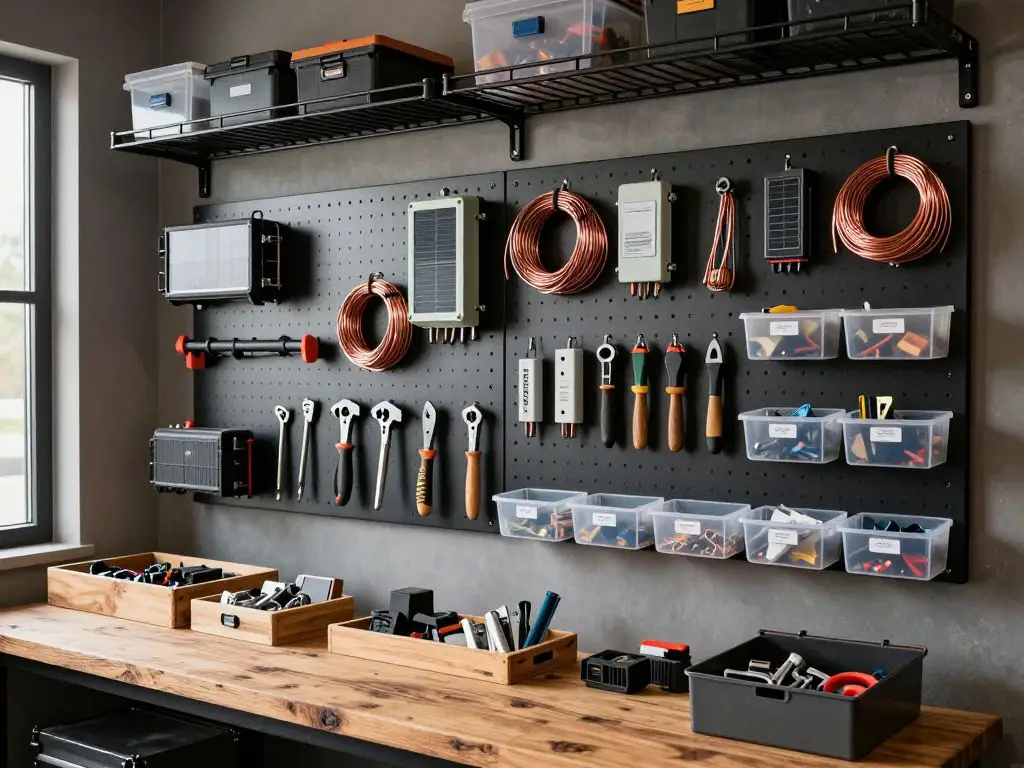
Murphy’s Law applies double when you’re off grid. What happens if your well runs dry? If your solar system fails in winter? If you break a leg? Write out contingency plans for every critical system and potential disaster.
Stockpile spare parts for essential equipment—extra solar charge controllers, pump components, generator parts. These items aren’t always easy to source quickly, especially if you’re remote. Redundancy isn’t paranoia when you’re responsible for your own infrastructure.
Test your backup plans regularly. Run through scenarios with your family or fellow homesteaders. Know exactly what you’ll do when (not if) things go wrong. This preparation separates successful off gridders from those who give up and move back to the city.
Going off grid is one of the most rewarding decisions you’ll ever make, but only if you prepare properly. These ten steps aren’t optional shortcuts—they’re the foundation that’ll determine whether your off grid dream becomes a sustainable reality or an expensive lesson. Take your time with each one, and don’t rush the process. The grid will still be there if you need a few more months to get everything right, but your success off it depends entirely on the work you do beforehand. Now get out there and start checking off this list!