
I once looked at my overflowing trash can and felt a sudden urge to change. My journey toward a more sustainable living path began with a single reusable bag. It’s not about being perfect; it’s about making better choices for our planet every day.
Adopting an eco-friendly lifestyle doesn’t have to cost a lot. I found that small changes in my daily habits made a big difference. We can all help protect our natural world by being mindful of what we buy.
This guide is here to help you on your zero waste journey. I’ll share easy tips to help you start today. Let’s learn how we can live more simply and meaningfully together.
What Zero Waste Really Means (And What It Doesn’t)
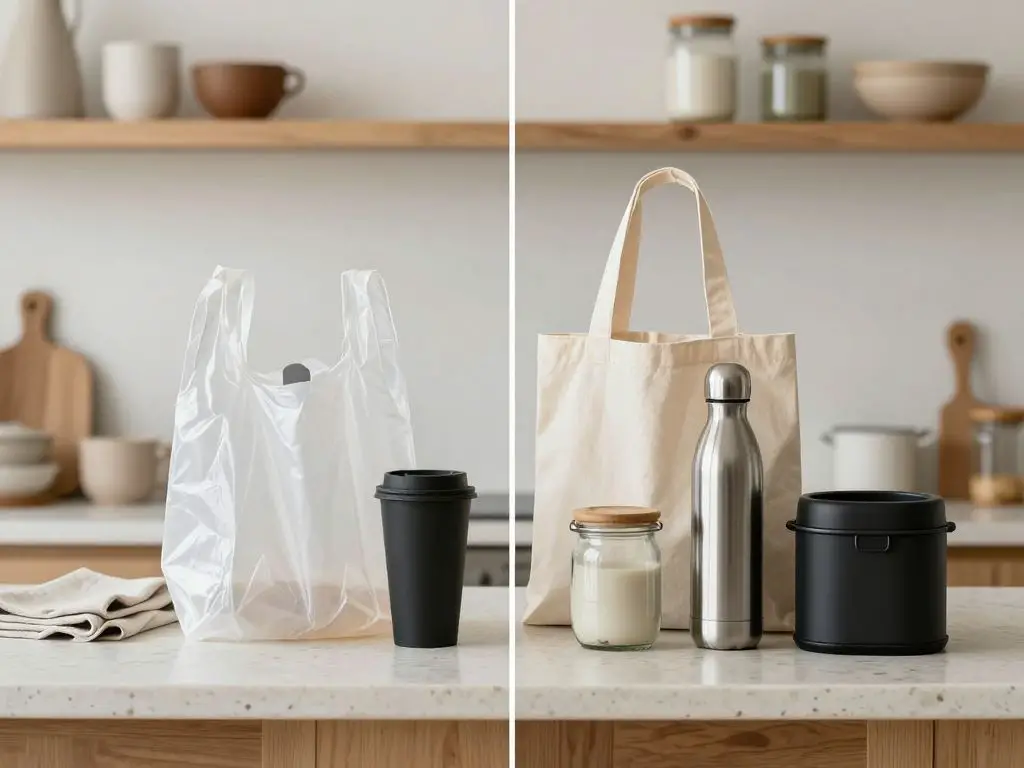
Starting my zero waste journey, I learned it’s all about making choices to cut down on waste. Many think it’s too hard, but it’s really about making small changes.
Zero waste is about living with less waste. It means avoiding buying things we don’t need, using less, and recycling or reusing items. It’s about progress, not perfection.
Some think zero waste means big changes, but it’s about small steps. For example, choosing reusable bags over plastic ones is a big help.
Zero waste living is simple. It’s about changing our habits. Here’s how traditional wasteful habits compare to zero waste alternatives:
| Traditional Practice | Zero Waste Alternative |
| Using single-use plastic bags for grocery shopping | Bringing reusable bags for shopping |
| Buying bottled water | Using a refillable stainless steel water bottle |
| Disposing of food waste in the trash | Composting food waste |
By making these simple changes, we can cut down a lot of waste. It’s about choosing to waste less and making choices that help the planet.
Zero waste living is a journey, not a finish line. It’s about getting better and being mindful of what we use. By living this way, we help the planet and make a better future for everyone.
Why I Decided to Start My Zero Waste Journey
I started my zero waste journey with a simple question: could my daily habits reduce waste? This question led me on a path of sustainable living. It also brought personal growth and a closer bond with my community.
The Environmental Impact That Changed My Perspective
Exploring waste management, I was shocked by pollution’s harm to our ecosystems. Learning that single-use plastics were a big problem made me want to change. I realized my habits affected the environment and I had to act.
Seeing the benefits of reducing waste, I chose an eco-friendly lifestyle. I started with small steps like using reusable bags and bottles. Then, I made bigger changes in my daily life.
Personal Benefits I Never Expected
Living zero waste has changed my life for the better. It’s given me a sense of purpose and fulfillment. I’ve also found a community of people who support and share tips with me.
Another surprise was the money I saved. By buying products with less packaging and in bulk, I cut down on costs. This journey taught me the value of simplicity and what’s truly important.
Understanding the Five Rs: My Framework for Success
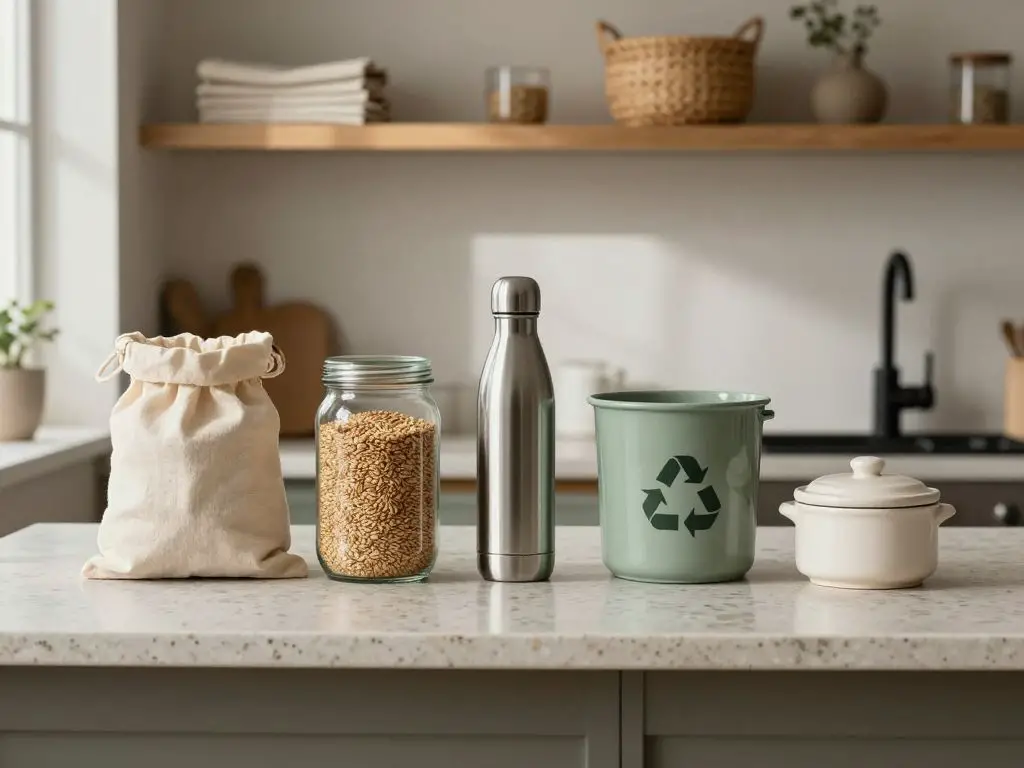
Exploring zero waste, I found the Five Rs. This simple strategy – Refuse, Reduce, Reuse, Recycle, and Rot – guides my daily choices. It helps me lessen my impact on the environment.
Step 1: Refuse What You Don’t Need
The first step, Refuse, means being careful about what I take in. I’ve learned to say no to single-use plastics and unnecessary items. This has cut down my waste a lot.
Step 2: Reduce What You Do Need
Reduce means using less. I buy in bulk and choose items with less packaging. This saves money and reduces waste.
Step 3: Reuse What You Already Have
The Reuse step encourages creativity with what I already have. I use reusable bags and containers. It’s reduced waste and inspired me to find new uses for old things.
Step 4: Recycle Responsibly
Recycle means recycling right. I know what can be recycled in my area and follow the rules. This includes sorting materials correctly and joining local recycling programs.
Step 5: Rot (Compost) Your Organic Waste
The last step, Rot, is about composting. I have a compost system in my kitchen. It cuts down landfill waste and gives me soil for my garden.
Here’s how the Five Rs have made a difference:
| Action | Before | After Implementing Five Rs |
| Plastic Use | High | Significantly Reduced |
| Waste Generation | Frequent | Minimal |
| Recycling Rate | Low | Improved |
Adopting the Five Rs has greatly reduced my waste. It’s a commitment that benefits the environment and my health. It’s a journey that’s rewarding.
Essential Items I Needed to Start My Zero Waste Lifestyle
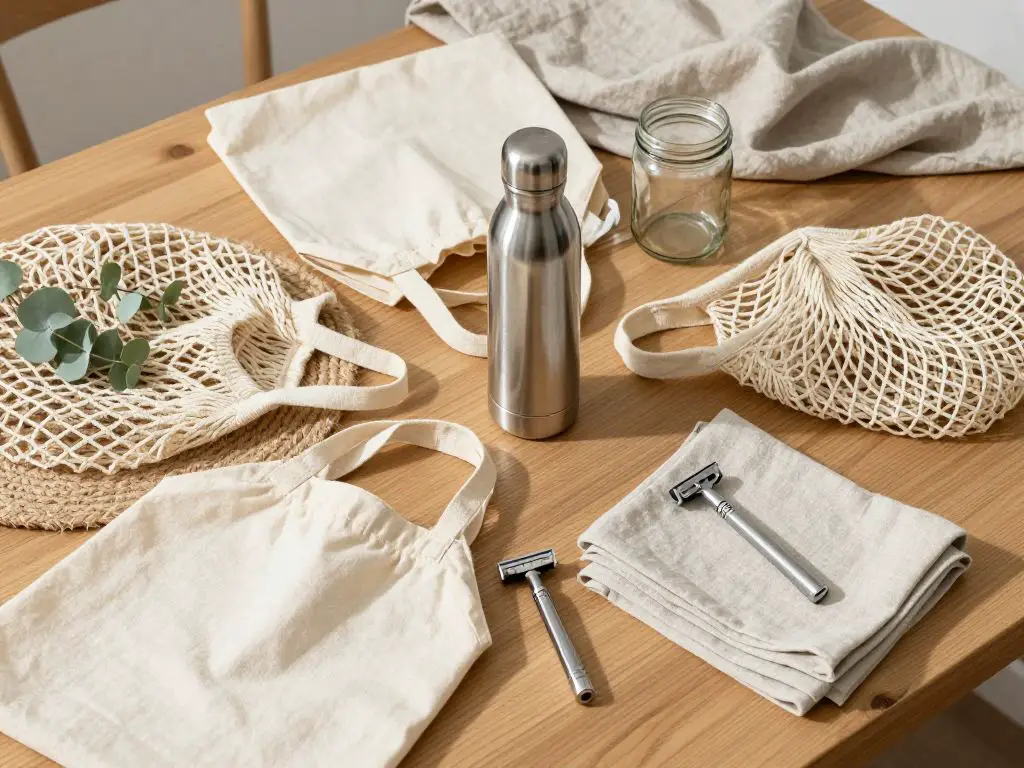
Starting my zero waste journey, I quickly found out that the right items were key. These initial investments greatly reduced my waste and made the transition easier.
Reusable Bags and Produce Bags
I first switched to reusable bags for shopping and carrying produce. I bought a set of strong, cotton bags for repeated use. These bags are durable and easy to clean.
I also began using produce bags for fruits and veggies. These bags are made of mesh or light cotton, letting air in and showing what’s inside.
Stainless Steel Water Bottles and Coffee Cups
I adopted a stainless steel water bottle next. It cut down my use of single-use plastic bottles. I picked an insulated bottle to keep drinks hot or cold for hours.
I also started using a reusable coffee cup every day. It not only cut down on waste but also saved me money over time.
Glass Containers and Mason Jars
For food and leftovers, I began using glass containers. They’re safe, long-lasting, and work for both hot and cold foods. Mason jars were great for storing grains, nuts, and dry goods.
Cloth Napkins, Towels, and Handkerchiefs
Switching to cloth napkins and towels was another easy change. I also began using handkerchiefs instead of paper tissues.
By adding these items to my daily life, I’ve greatly reduced my waste. I’ve also adopted a more eco-friendly lifestyle.
How I Transformed My Kitchen to Eliminate Waste
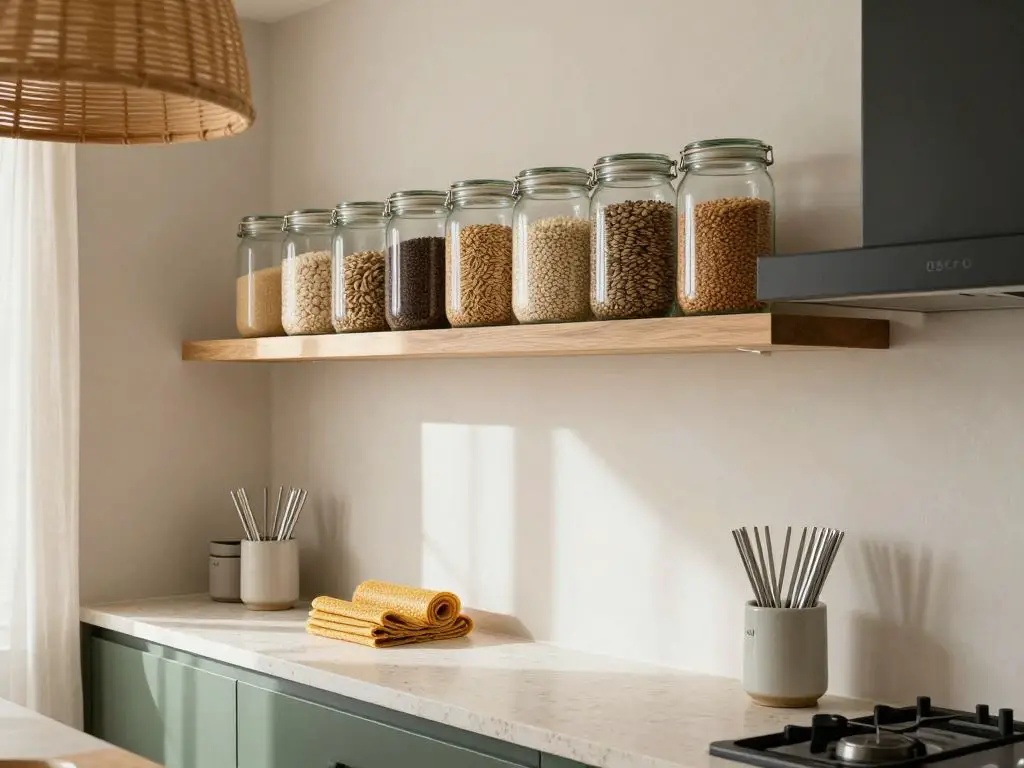
I realized that every meal and snack was a chance to cut down on waste. This idea led to big changes in my kitchen. It made cooking more fun and helped the environment.
Replacing Single-Use Plastics with Reusables
I started by getting rid of single-use plastics. I used beeswax wraps instead of plastic wrap and glass containers for leftovers. I also switched to stainless steel straws for drinking.
Having reusable bags, containers, and utensils helped a lot. Now, it’s easy to choose reusable items when I cook or pack lunches.
Shopping in Bulk and Package-Free Stores
I changed how I shop by going to bulk and package-free stores. This way, I buy grains, nuts, and spices without packaging. It saves money and reduces waste.
I try to pick products with little or no packaging. For example, I choose bar soaps over bottled soap and buy fresh produce without plastic.
Meal Planning to Prevent Food Waste
Meal planning became key in my zero-waste kitchen. It helps me buy only what I need, cutting down on waste. I also use leftovers in creative ways.
This method saves time and money. It makes me more creative with my cooking and try new recipes.
Setting Up My Kitchen Composting System
Setting up a composting system was a big change. It lets me turn food scraps into soil for my garden. I started with a simple bin and learned what can be composted.
Composting greatly reduces waste and gives my plants a natural fertilizer. It’s a simple way to manage waste in my kitchen.
My Bathroom Zero Waste Makeover Step-by-Step
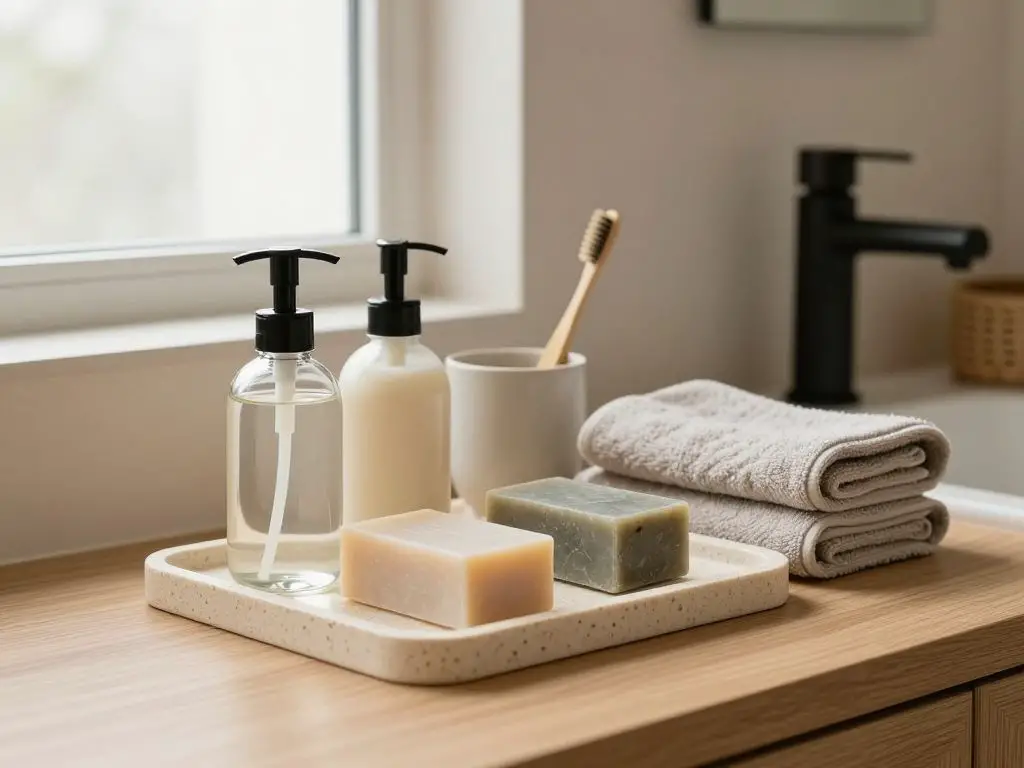
My journey to a zero-waste bathroom was more than just a product swap. It was about embracing a sustainable lifestyle and cutting down on waste. I took several steps to reduce my environmental impact and streamline my personal care routine.
Switching to Bar Soaps and Shampoo Bars
I started by switching to bar soaps and shampoo bars from liquid ones. This move greatly cut down on plastic waste from bottles and packaging. At first, I worried about the quality, but I found many great options.
Benefits of Bar Soaps and Shampoo Bars:
- Reduced plastic waste
- Often more concentrated, so you need less
- Can save money in the long run
Finding Reusable Alternatives for Personal Care Items
I also replaced disposable items with reusable ones. For instance, I switched to a safety razor and reusable makeup remover pads.
Examples of Reusable Alternatives:
- Safety razors or straight razors
- Reusable makeup remover pads
- Menstrual cups or reusable period panties
Making Simple DIY Products
Creating my own personal care products was a big change. It cut down on packaging waste and let me choose the ingredients. Plus, it helped me make products that fit my skin type.
Simple DIY Recipe: Natural Face Toner
- Mix equal parts witch hazel and rose water
- Add a few drops of your preferred essential oil (e.g., lavender for its calming properties)
- Store in a reusable glass bottle
Smart Shopping Strategies That Help Me Stay Zero Waste
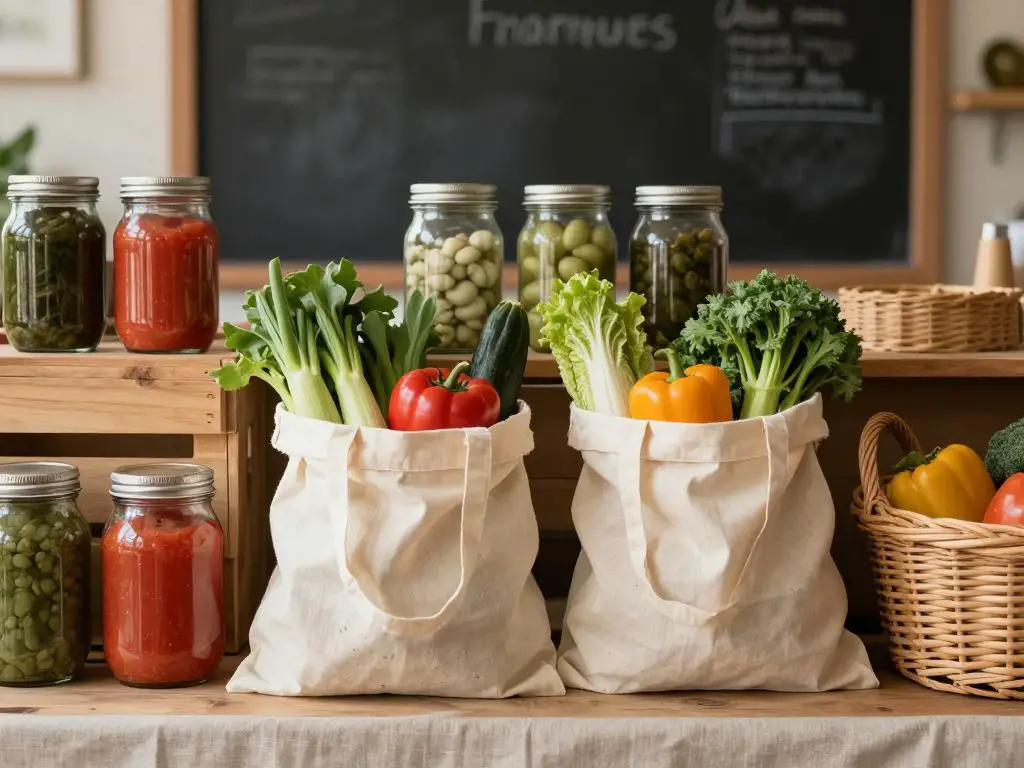
Shopping smart is key to a zero waste lifestyle. I’ve learned a few strategies that have made a big difference. By being more mindful of my purchases, I’ve cut down my waste a lot.
Understanding where to find the right products is important. This means finding stores that support my zero waste goals.
Finding Bulk Stores and Farmers Markets Near Me
Shopping at bulk stores and farmers markets helps reduce packaging waste. These places offer a wide range of products without the extra packaging found in regular stores.
To find these places, I use online directories and ask friends for tips. Many local farmers markets now offer zero waste or low-waste options, making it easier to stay on track.
Choosing Products with Minimal or No Packaging
I always look for products with little or no packaging. This means buying items sold in bulk or those with biodegradable or recyclable packaging.
For example, I’ve switched to bar soaps and shampoo bars. They reduce packaging waste and are often cheaper in the long run.
Always Bringing My Own Containers
Bringing my own containers when shopping is a habit for me now. Whether buying nuts or takeout, my own containers cut down on single-use packaging.
I have a set of reusable containers and bags in my car or bag. This makes it easy to shop smart wherever I go.
Supporting Sustainable and Eco-Friendly Brands
I’ve made a point to support brands that care about the environment. This means researching companies to see if they have good environmental policies.
Shopping from brands that share my values makes me feel like I’m helping create a more sustainable future.
To show the impact of these strategies, here’s a comparison of my shopping habits before and after adopting a zero waste lifestyle:
| Shopping Habit | Before Zero Waste | After Zero Waste |
| Packaging Waste | High | Minimal |
| Use of Single-Use Plastics | Frequent | Rare |
| Shopping at Bulk Stores | Rare | Frequent |
Reducing Waste in Every Room of My Home
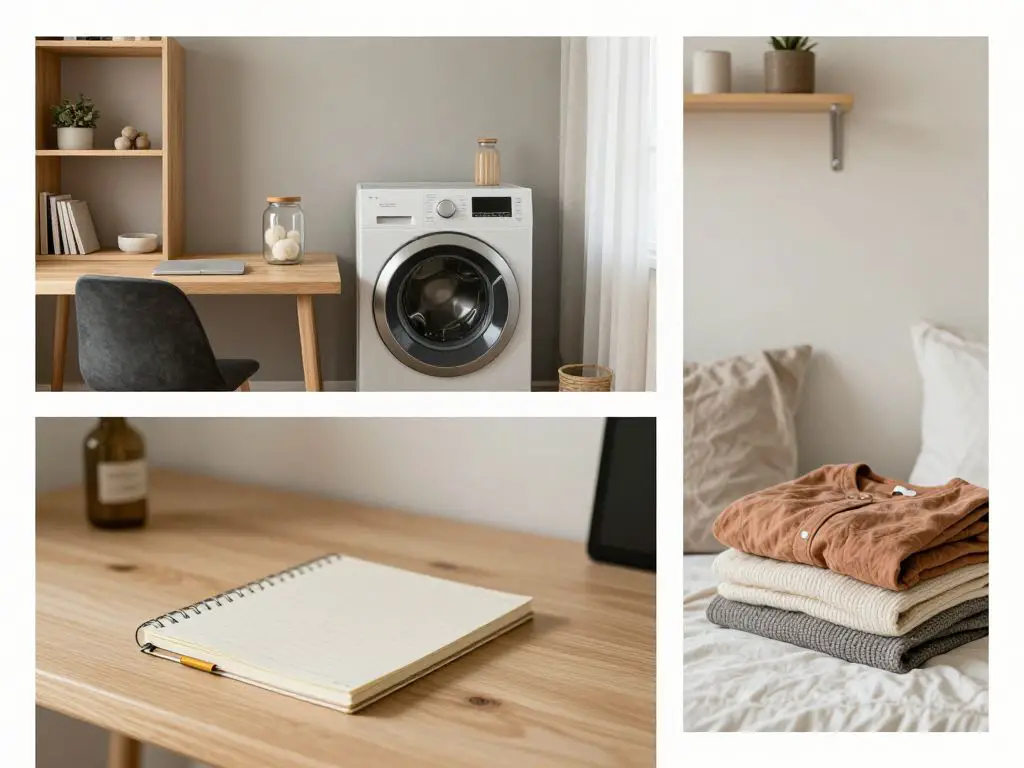
Reducing waste at home isn’t just about the kitchen. It’s about making smart choices in every room. As I worked on my zero waste lifestyle, I found each room offered its own chance to cut down on waste.
Office Supplies and Paper Products
I looked at my office supplies and paper first. Going digital for documents and bills cut down on paper use. I also started using reusable notebooks and pens that are good for the planet.
- Reusable notebooks
- Pens made from sustainable materials
- Digital documents and bills
Laundry and Cleaning Products
In the laundry room, I made a few changes that made a big difference. I switched to eco-friendly laundry detergent and fabric softener. I also began using reusable dryer balls instead of dryer sheets.
| Product | Traditional Option | Eco-Friendly Alternative |
| Laundry Detergent | Conventional detergent | Eco-friendly detergent |
| Dryer Sheets | Single-use dryer sheets | Reusable dryer balls |
Bedroom and Clothing Choices
In my bedroom, I focused on sustainable clothing choices. I started buying second-hand clothes and choosing items made from eco-friendly materials. I also fixed clothes instead of throwing them away.
Electronics and Technology Decisions
For electronics, I aimed to buy refurbished or second-hand devices. I also recycled old electronics through the right programs.
- Buy refurbished or second-hand electronics
- Recycle old electronics properly
- Consider the environmental impact of new purchases
How I Navigate Social Situations and Dining Out
Living zero waste has shown me that I can enjoy social events and dining out without harming the planet. I’ve learned to handle different social situations with confidence. This journey has been rewarding.
Communicating My Values Respectfully
Talking about my zero waste lifestyle in social settings is key. I’m open and honest about my choices. This approach often leads to interesting conversations.
At restaurants or gatherings, I politely share my zero waste preferences. For example, I might say, “I’m trying to reduce my waste, so I’d love to bring my own container for leftovers. Is that okay with you?” This usually gets a positive response and might inspire others to do the same.
Bringing Containers to Restaurants and Events
Carrying my own containers has become a habit. I have a set of reusable containers that are easy to carry. When dining out, I ask the server to pack leftovers in my container instead of theirs.
Restaurants often agree to this request, helping to reduce waste. I also carry a small cloth bag for my containers and other essentials like a water bottle and utensils.
Handling Gifts and Celebrations
Gifts and celebrations can be tricky for those living zero waste. I’ve found ways to handle this. For example, I make a wish list of experiences or gifts that don’t waste resources.
I also appreciate it when loved ones consider my zero waste goals when giving gifts. A thoughtful, eco-friendly gift or a donation to an environmental cause is always welcome.
- Opt for experiences like tickets to events or classes
- Choose consumable gifts such as gourmet foods or artisanal goods
- Consider handmade or second-hand items
By being mindful of my zero waste goals and sharing them clearly, I can enjoy social events and celebrations while staying true to my values.
Common Obstacles I’ve Faced on My Zero Waste Path
Starting my zero waste journey was tough. It’s not just about wanting to live sustainably. You need to keep going and find new ways to solve problems.
Changing my habits was hard at first. Simple tasks like shopping became more complicated. I had to plan better, use reusable bags, and avoid products with too much packaging.
Dealing with Inconvenience and Time Management
At first, I found it hard to shop without thinking about packaging. It took a lot of time and effort to plan, prep meals, and find alternatives to single-use items.
To save time, I started meal planning and shopping lists. I also looked for places to buy things without packaging.
Managing Budget Concerns and Initial Costs
Changing to zero waste was expensive at first. The cost of reusable items like water bottles and bags was high. But, the savings and benefits in the long run were worth it.
I started with the basics and added more items over time. Seeing my savings on waste and groceries helped me keep going.
Handling Skepticism from Family and Friends
Not everyone supported my zero waste choice. Family and friends doubted its practicality.
I shared my experiences and the benefits of reducing waste. Over time, many became supportive and even tried some of my practices.
Finding Zero Waste Options in My Area
It was hard to find stores with bulk options or minimal packaging at first. But, I found eco-friendly stores and online shops that supported zero waste living.
I also joined local groups and online forums. They helped me find solutions and tips for living with minimal waste in my area.
Knowing about these challenges helps others start their zero waste journey. It’s a path that needs patience, persistence, and a willingness to learn and adapt.
Taking Your Zero Waste Journey to the Next Level
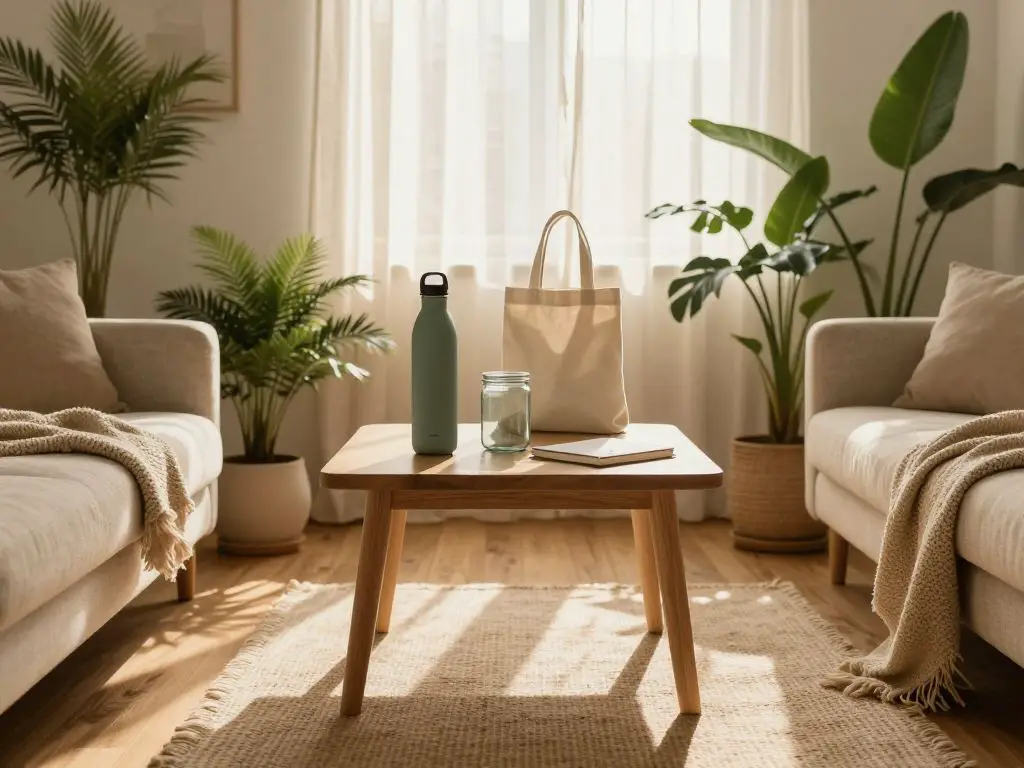
Starting a zero waste lifestyle is just the start. The real growth comes from connecting with others and learning more. As you move forward, you’ll find ways to make a bigger difference and encourage others to join you.
Connecting with the Zero Waste Community
One of the best parts of living zero waste is meeting like-minded people. You can join online forums, go to local events, and be part of social media groups. These help keep you motivated and inspired.
Here are some ways to connect with others who live zero waste:
- Go to local meetups and workshops
- Join online forums and groups
- Share your journey on social media
Inspiring Others Through Your Actions
As you keep going on your zero waste path, you’ll get chances to inspire others. By sharing your experiences and tips, you can encourage others to live more sustainably.
Here are some ways to inspire others:
- Share your favorite zero waste products and tips with friends and family
- Host zero waste workshops or events in your community
- Make content about your zero waste journey on social media or a blog
Continuing to Learn and Grow
The journey to zero waste is always evolving. Keeping up with new eco-friendly practices, products, and tech can help you reduce waste and improve your life.